






 Portuguese
  Spanish


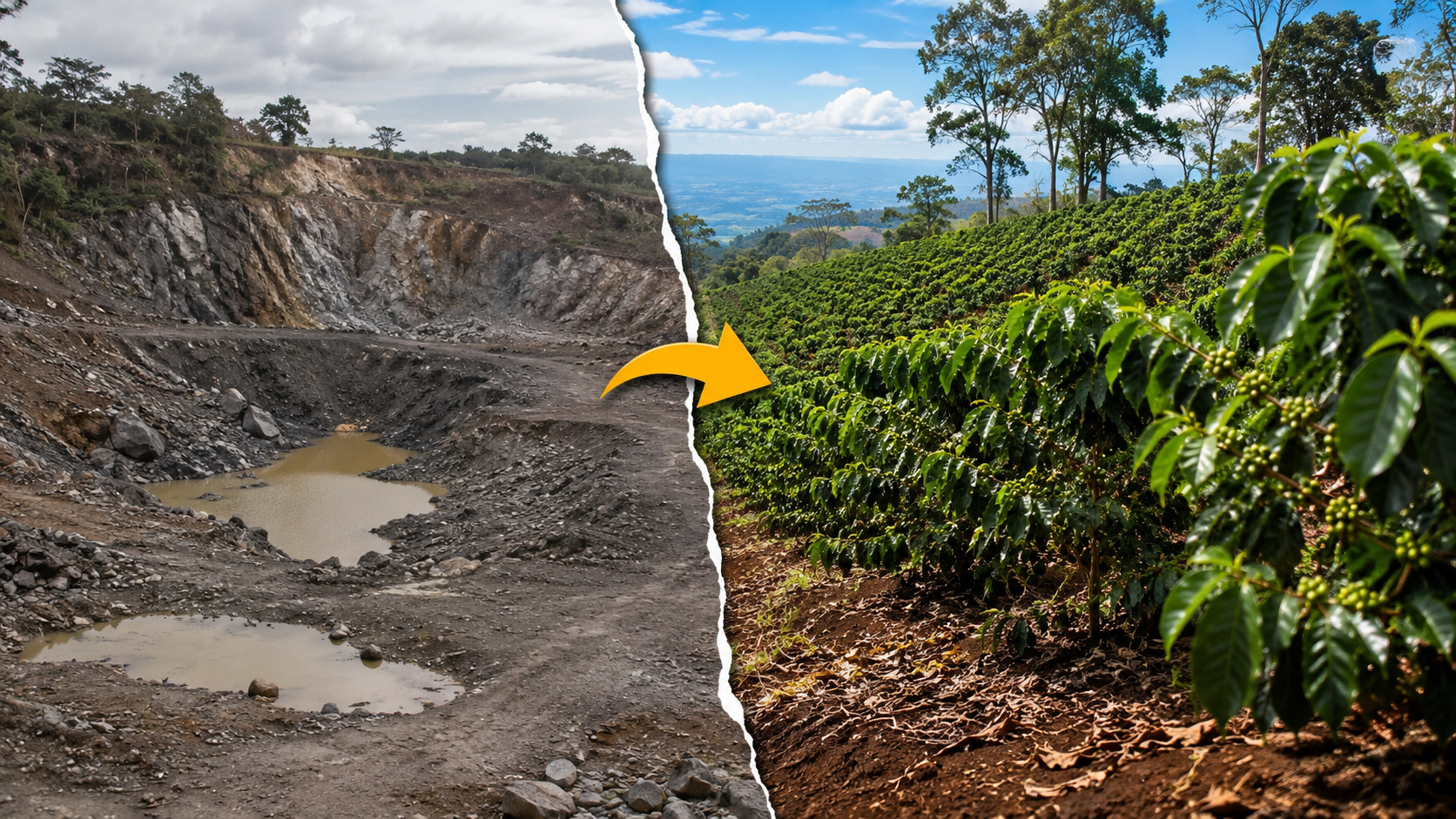

The recovery of degraded land restored organic matter, moisture, and conditions for roots, allowing an old quarry in Kenya to host over 14,000 coffee trees and produce the first certified organic coffee in Kericho County.
An abandoned quarry in Kenya underwent a recovery initiated in 2021 and transformed from an area marked by rocks and soil unsuitable for cultivation. The land was prepared with composting, biological inputs, and organic management.
Farmer Jack Melly established the Kiqwetu Coffee Estate on the site, a farm with approximately 10 hectares and over 14,000 coffee trees. The report was published by Solidaridad Network, an international organization focused on sustainable supply chains.
The change did not occur just with the planting of seedlings. The work needed to rebuild the basic soil conditions so that it could retain water, store nutrients, and allow root growth.
-
Pix swallowed Brazil’s money: the system moved 35.36 trillion reais in a single year, totaled almost 80 billion transactions, and already accounts for more than half of everything Brazilians pay.

-
Goodbye printed bill and bank queue, the e-Título now allows you to pay the electoral fine via Pix in just a few seconds, directly from your cell phone. However, the app itself warns that this feature only works for those who have not yet had their title canceled for missing three consecutive elections.

-
Goodbye printed bill and bank queue, the e-Título now allows you to pay the electoral fine via Pix in just a few seconds, directly from your cell phone, but the app itself warns that the new feature only works for those who have not yet had their title canceled for missing three consecutive elections.
-
Brazil signed more than 1.2 million work permits in just one year: the country created 1,279,498 formal jobs in 2025 and reached a record stock of 48.4 million registered workers, with all 27 states in the black.


Material removal left rocks and little soil for planting
A quarry is an area used to extract stones and other materials from the ground. When this activity ends, the site can be left with exposed rock, little organic matter, and a very compacted surface.


These conditions make agriculture difficult. Rainwater can run off quickly, while roots find little space to grow and seek nutrients in deeper layers.
In the area where the Kiqwetu Coffee Estate emerged, the challenge was to create a new productive base on land that had lost important characteristics for cultivation. The recovery began with the reconstruction of the layer capable of sustaining plants.
This differentiates the project from a simple planting on empty land. Before receiving thousands of coffee trees, the old quarry needed to function again as agricultural soil.
Composting helped rebuild the living part of the soil
Composting transforms organic materials into a compound that can be incorporated into the soil. This material helps improve soil structure and provides more favorable conditions for the presence of small natural organisms.
In a degraded land, this organic matter functions as part of the reconstruction. It creates spaces between soil particles, facilitates water entry, and helps retain moisture near the roots.
The Food and Agriculture Organization of the United Nations, a specialized agency of the United Nations, explains that organic matter improves soil structure, root growth, and water retention capacity.
This process is especially important for coffee plants, which remain in the same location for several years. Production depends on soil capable of providing water, air, and nutrients continuously.
Biological inputs reinforced the organic management of the area
Biological inputs are products that use natural materials or living organisms to aid plant development and crop balance. They can participate in soil care and control problems in the field.
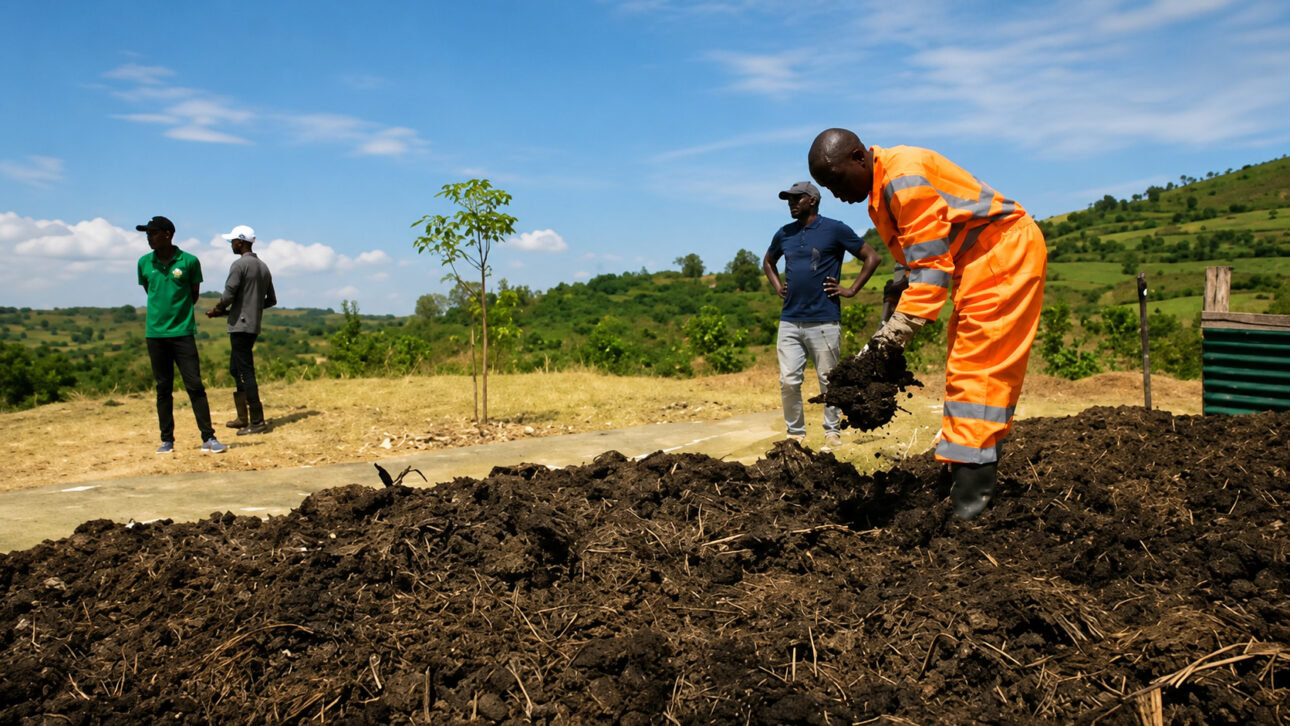
In the former quarry, these resources were part of the management used to recover the area without abandoning the principles of organic production. The goal was to create an environment where plants could grow without relying solely on chemical solutions.
Organic management also requires ongoing care. Recovering the land once would not be enough, as the soil needs to remain protected and receive materials that maintain its natural activity.
The combination of composting, biological inputs, and moisture conservation allowed the area to transition from being just a degraded space to supporting a commercially valuable agricultural crop.
More than 14,000 coffee plants occupied approximately 10 hectares
The scale achieved by the property shows the extent of the recovery. Kiqwetu Coffee Estate came to gather more than 14,000 coffee plants in approximately 10 hectares.
Solidaridad Network, an international organization focused on sustainable supply chains, presented the property as an example of degraded land renewal in the Rift Valley region, Kenya.
The number of plants requires the area to maintain conditions for root growth and water conservation. If the soil loses organic matter again or remains uncovered, the crop may face difficulties.
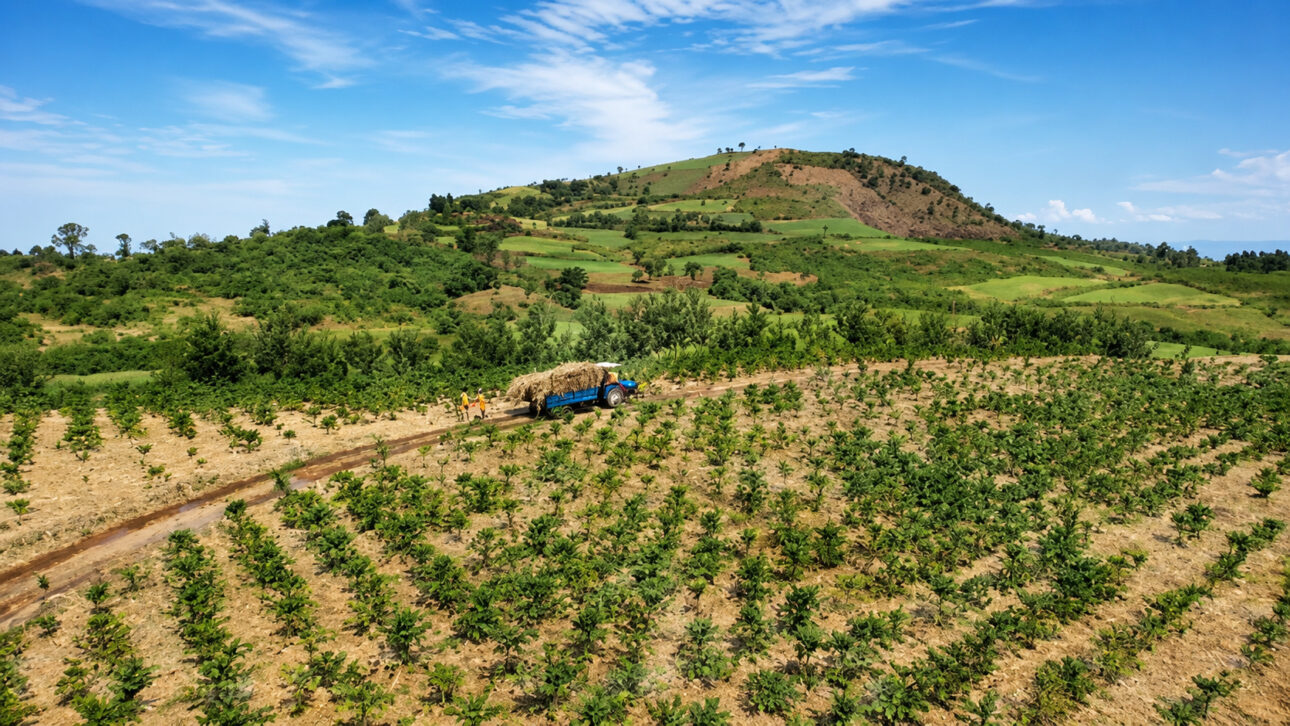
Therefore, recovery does not end when the seedlings are planted. It continues through soil care, organic matter replenishment, and crop monitoring.
Organic coffee gave productive value to the old quarry
Coffee is a commercial crop that can remain in production for several years when properly managed. In the case of the old quarry, the choice allowed transforming environmental recovery into an organized agricultural activity.
The property also received recognition as the first certified organic coffee in Kericho County. The certification indicates that the production underwent an evaluation and meets the rules applied to organic farming.
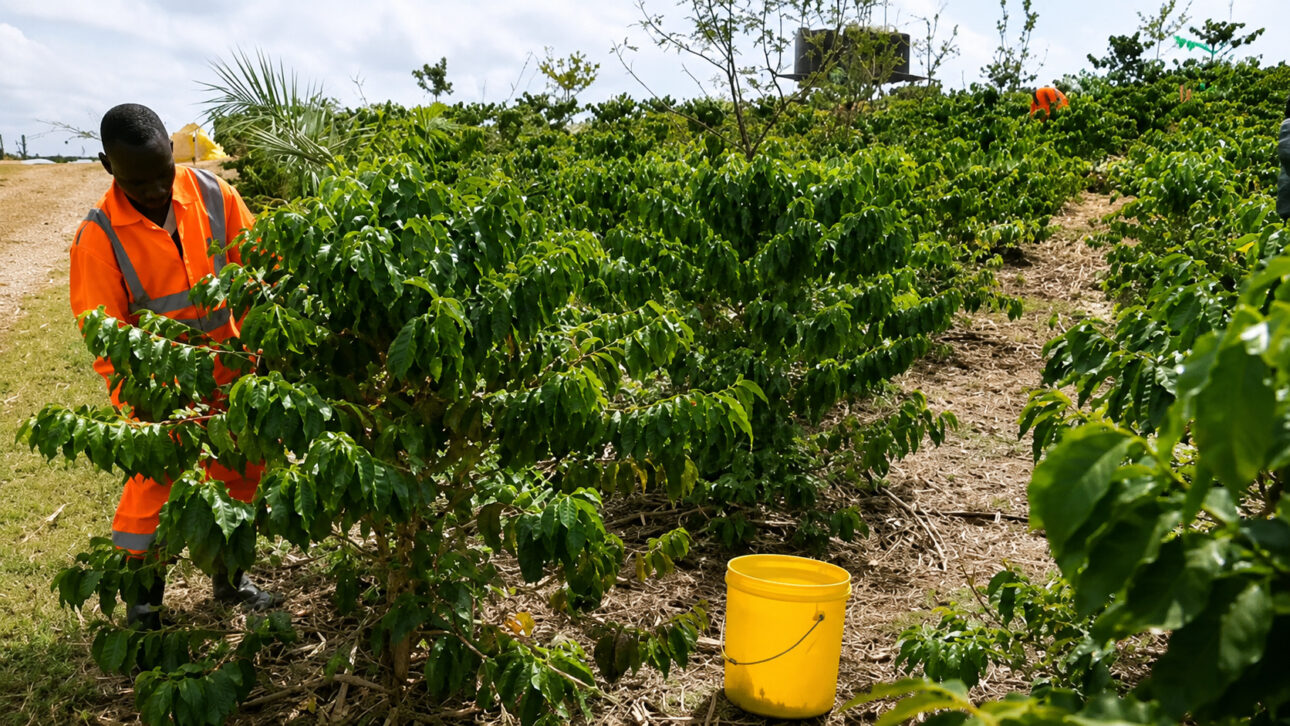
This recognition increased the economic importance of the recovered area. The land stopped being just an unused area and started producing a coffee with market differentiation.
The result shows how soil recovery can be linked to a productive activity. However, this use depends on the characteristics of each area and the ability to rebuild minimal conditions for the plants.
Environmental recovery transformed degraded land into a productive area
The transformation initiated in 2021 shows that a deactivated quarry can receive another use when there is careful recovery work. In Kenya, approximately 10 hectares came to house over 14,000 coffee plants.
The main change occurred below the plants. Composting, organic matter, water retention, and biological management returned the land to conditions to support roots and maintain organic agricultural production.
In your opinion, should deactivated mining areas in Brazil receive agricultural projects when the soil allows, or remain solely dedicated to environmental recovery? Comment and share.


