






 Portuguese
  Spanish


The renovation of the used motorhome shows how repurposed furniture can become a bed, kitchen, table, and storage, reducing the purchase of new wood and using compact carpentry to transform a small vehicle into a functional house on wheels
At 23 years old, Fliss Freeborn bought a used motorhome and transformed the vehicle into a house on wheels with furniture she already had in her old apartment. The information was published by Business Insider, a business and economics news site.
The project did not start from an expensive renovation or custom-made furniture. The adaptation used compact carpentry, repurposed pieces, old wood, and simple solutions to make the vehicle’s interior function as a home.
The logic was straightforward: make use of what already existed, spend less on new material, and make each piece of furniture serve more than one function. In a small space, kitchen, bed, table, and cabinet needed to share the same environment without hindering circulation.
-
At 7 years old, boy swaps toy cars for raising bantams, dreams of becoming a veterinarian, and conquers the internet with his routine in the countryside of Santa Catarina; meet Luiz Miguel, the “Piá do Garnizé”

-
New York removed the tracks from over 2,500 subway cars and dumped everything at the bottom of the Atlantic, and what seemed like trash turned into an artificial reef teeming with fish and divers.

-
From matches sold by bicycle at age 5 to a global furniture empire: the lumberjack’s son founded IKEA at 17 in his uncle’s kitchen and transformed a small company into the largest furniture retailer on the planet.
-
The mansion in Flamengo, built in 1865 for the Baron of São Clemente and closed for 20 years, has become a spa, event hall, and gym for “Symphony,” a luxury condominium that sold 70% of its gross development value in the first month on the R$ 60 million land of the former Bennett College.


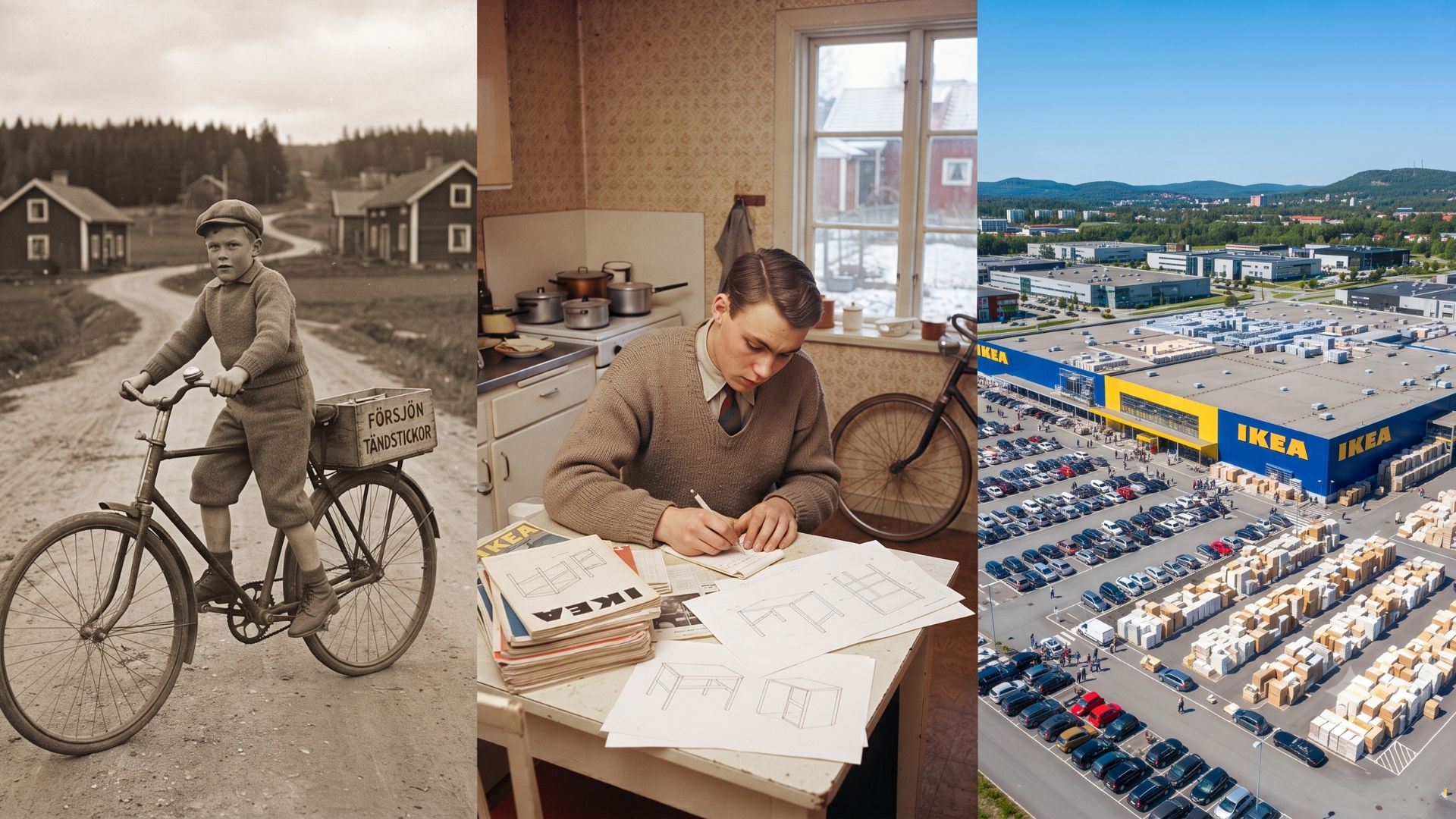

Used motorhome was chosen because it already had a base ready for adaptation
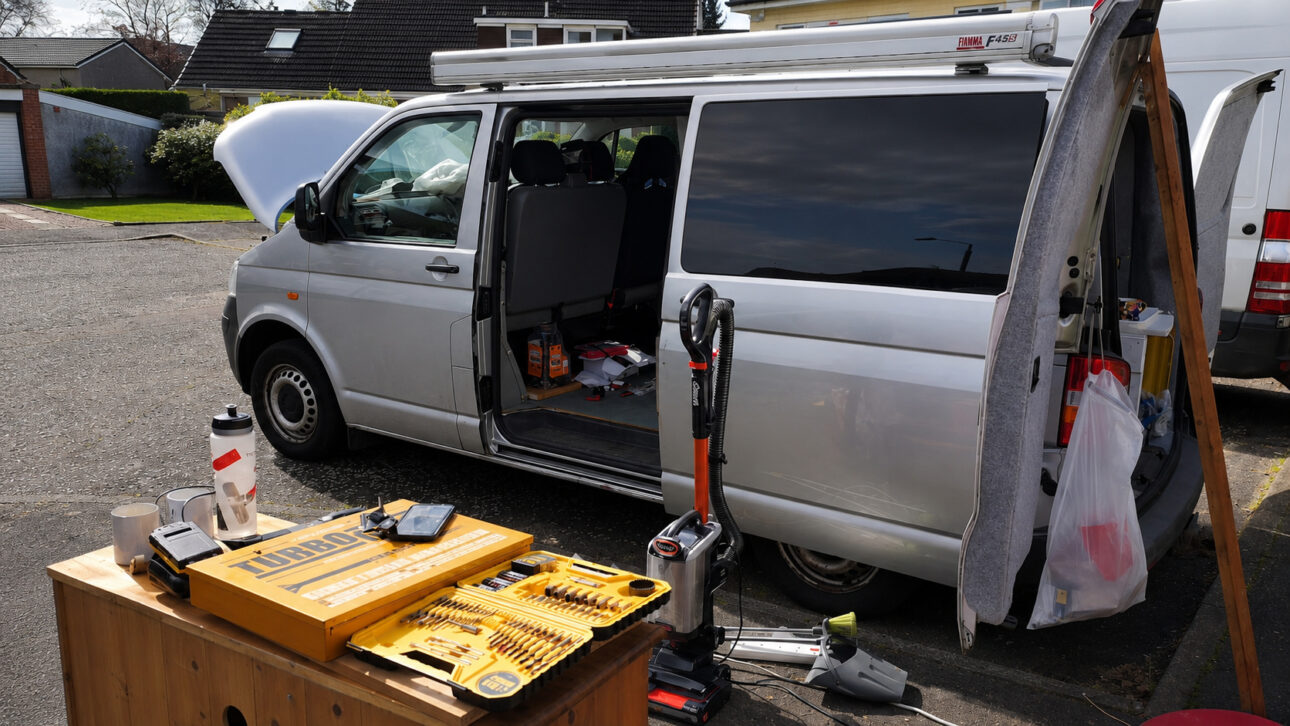
Before the renovation, the total budget set was around 10,000 pounds, cited as approximately US$ 11,900. The vehicle chosen was an old VW Transporter T5, purchased for 8,500 pounds, about US$ 10,000.
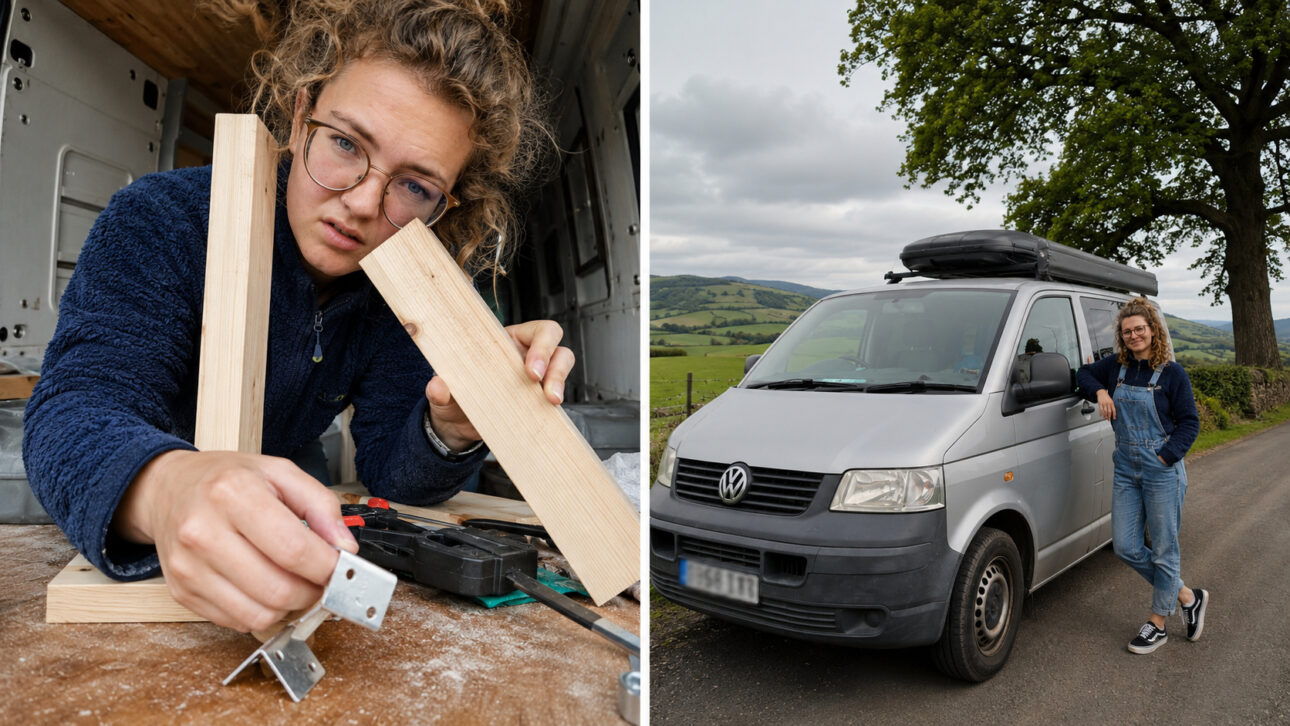
The choice of the used vehicle had practical weight. It already came with insulation and windows, two important items for those intending to sleep and spend time inside a motorhome. Insulation helps reduce discomfort from cold, heat, and humidity. The windows improve ventilation and light entry.
Even with this base, the vehicle was not yet ready for use as a home. It lacked a stove, sink, mattress, curtains, cushions, and electrical installation in the rear. Therefore, the renovation needed to address the essentials without turning the project into an expensive endeavor.
TV Stand Became Kitchen and Old Furniture Gained New Function Inside the Vehicle
The old TV stand from the apartment was repurposed as a kitchen unit. It was elevated with wood to gain height and create space underneath, used to store canned food.
This type of adaptation shows an important rule in small living spaces: furniture needs to work harder. A piece that once only supported a television became a counter, cabinet, and support area inside the motorhome.
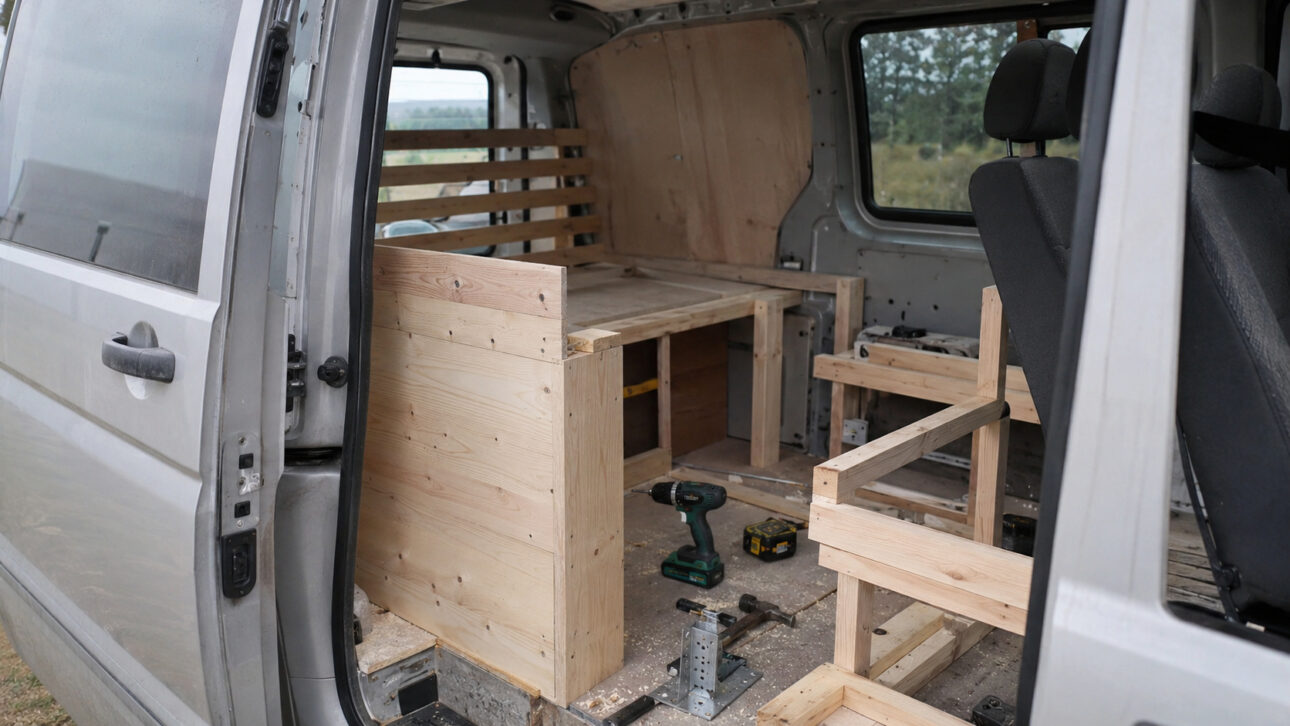
Business Insider, a business and economy news site, reported that the material savings came from repurposing furniture from the old apartment. Slats from the old bed became a storage box, which also functioned as an extra seat and the end part of the bed.
Shelves from an old bookcase were also included in the project. They were used on the table and part of the bed platform. Thus, the adaptation reduced the purchase of new wood and avoided discarding still useful pieces.
Compact Carpentry Made Table, Bed, and Seats Share the Same Space
The interior was designed to create a U-shaped area, with seats, a bed, and a removable table. This choice helped organize the space without making the interior too cramped.
The table could be used for work and meals. When removed, the same space was transformed into a resting area. In a house on wheels, this change of function is essential to avoid wasting space.
The purchase of new wood was about US$ 35. The cost remained low because much of the structure came from old furniture. The main point was not to use sophisticated materials, but to measure, cut, and fit common pieces in a functional way.
The idea is simple: in a small environment, every centimeter counts. A measurement error can prevent a drawer from opening, hinder the bed, or make the passage uncomfortable.
Custom Mattress, Adapted Curtains, and Simple Fabric Helped with Comfort
One of the biggest expenses was the mattress. Custom-made foam blocks were used, costing just under US$ 120. The pieces needed to fit at the back of the vehicle and also function as a backrest when the table was set up.
A regular mattress did not fit well in the available space. Inside a small motorhome, the internal height and the width of the vehicle limit the choices. Therefore, the foam needed to be thin enough to fit and comfortable enough to sleep on.
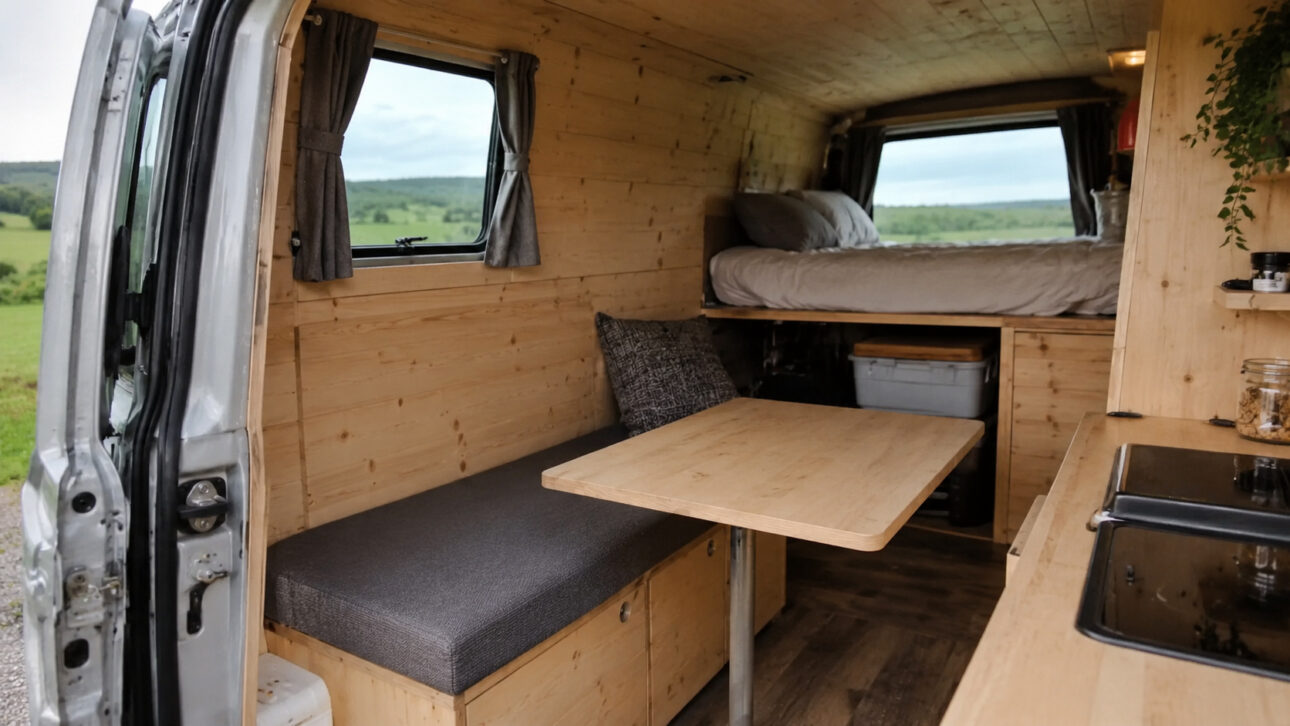
To cover the foam, two sets of blue cotton curtains were purchased. The fabric became a removable cover for the cushions, which makes cleaning easier in case of dirt or spilled liquids.
The curtains also solved privacy and comfort issues. Some were bought for the windows. Another curtain was adapted to separate the cabin from the rear, helping to block light and keep heat inside the sleeping area.
Without fixed sink and stove, the renovation prioritized movable pieces and flexible use
The motorhome did not receive an embedded sink or stove. As the budget was limited, these fixed items were not included in the adaptation. The solution was to use a portable two-burner stove on the kitchen unit.
This choice made the interior more flexible. When the weather permitted, the stove could be taken outside. This freed up space inside the vehicle and prevented heat and smell from being concentrated in the small environment.
The removable table followed the same logic. It did not need to stay in the center of the motorhome all the time. The space could change throughout the day, functioning as a living room, dining area, workspace, or bedroom.
This model shows why compact homes rely more on planning than on luxury. What seems simple, like moving a table out of the way, significantly changes the routine in a few square meters of internal area.
Auxiliary battery and internal light ensured energy for basic tasks
The adaptation also included an auxiliary battery, used to power lights and small equipment. This battery was charged by the engine, without the use of solar panels.
In practice, the auxiliary battery functions as a separate reserve from the vehicle’s main battery. It allows the use of lighting, cell phone, and laptop without always relying on an external outlet.
Since the system didn’t need to power a refrigerator or television, the energy demand was lower. This helped keep the installation simpler and compatible with the planned use.
The goal was not to transform the motorhome into a complete house with all fixed equipment. The renovation aimed to meet the basics: sleeping, simple cooking, storing objects, working, and maintaining lighting.
Economic renovation shows how reuse can change the cost of a house on wheels
The transformation of the used motorhome shows that savings can come less from cutting comfort and more from intelligent reuse. Rack, bed, shelf, curtains, and old wood began to serve new functions inside the vehicle.
The result also reinforces an important point for those looking at this type of project with curiosity: adapting a house on wheels requires careful measurement, choosing useful furniture, and avoiding pieces that are too large. In a small space, each piece of furniture needs to justify its presence.
In the end, Fliss Freeborn’s renovation doesn’t stand out for luxury, but for practical solutions. A used vehicle gained a bed, simple kitchen, table, storage, and lighting with reused materials and controlled expenses.
Do you think the reuse of old furniture can make houses on wheels more accessible, or does this type of project still depend too much on planning to work in daily life?


