Portuguese
 Spanish


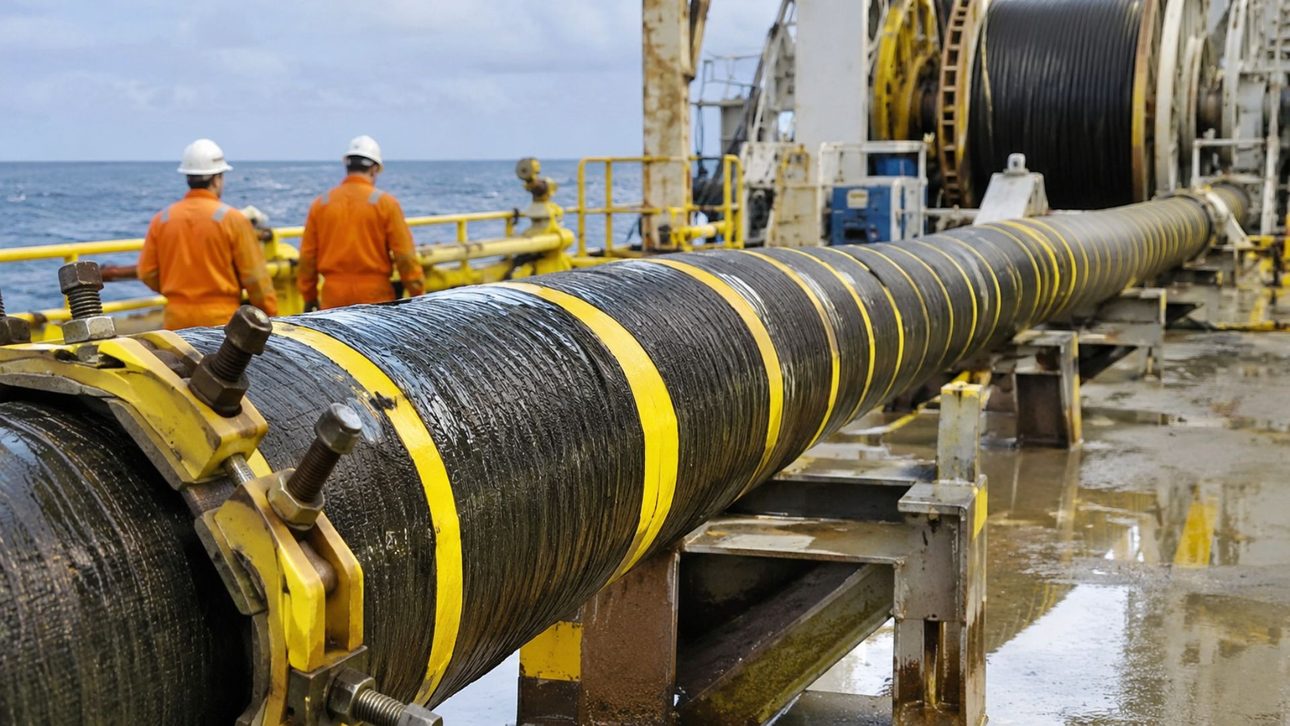

The initiative covers two types of umbilicals used in oil well interventions, made with different combinations of metals, polymers and reinforcing fibers. The defects under investigation include cracks, deformations and separations between layers that can go unnoticed in conventional inspections.
Petrobras aims to develop a technology that can examine the internal structure of service umbilicals used in subsea well interventions without cutting or disassembling the components to identify potential damage.
The initiative is part of technology challenge OP3414, under the state-controlled oil company’s Technology Cooperation program. Its specifications are available on the ControlBid platform.
-
After oil indications at a Campos Basin well, Petrobras seeks to acquire ExxonMobil and QatarEnergy stakes

-
Petrobras plans to clean subsea pipelines with a slotted pig that pulls coiled tubing
-
Petrobras keeps Sergipe platforms operational until 2030 and 2031, while gas route remains under review

-
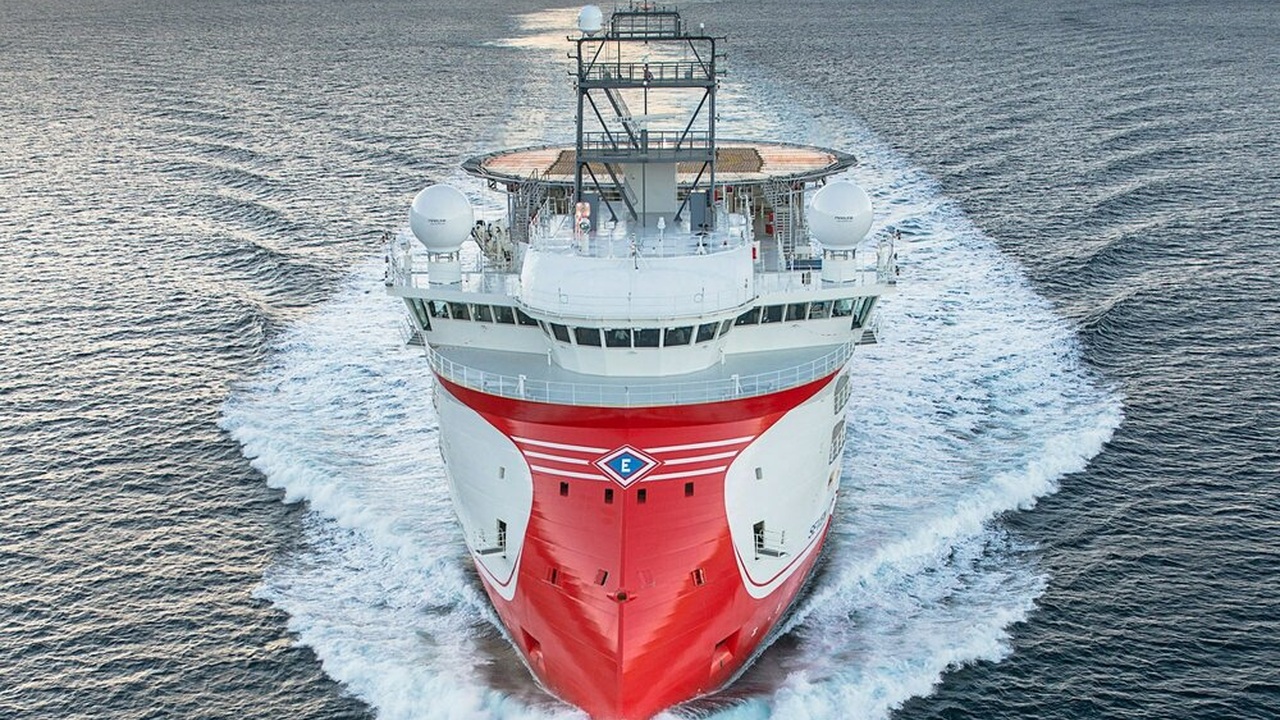
Equinor extends Seven Viking contract through 2028 for subsea well inspection and repair in Norway
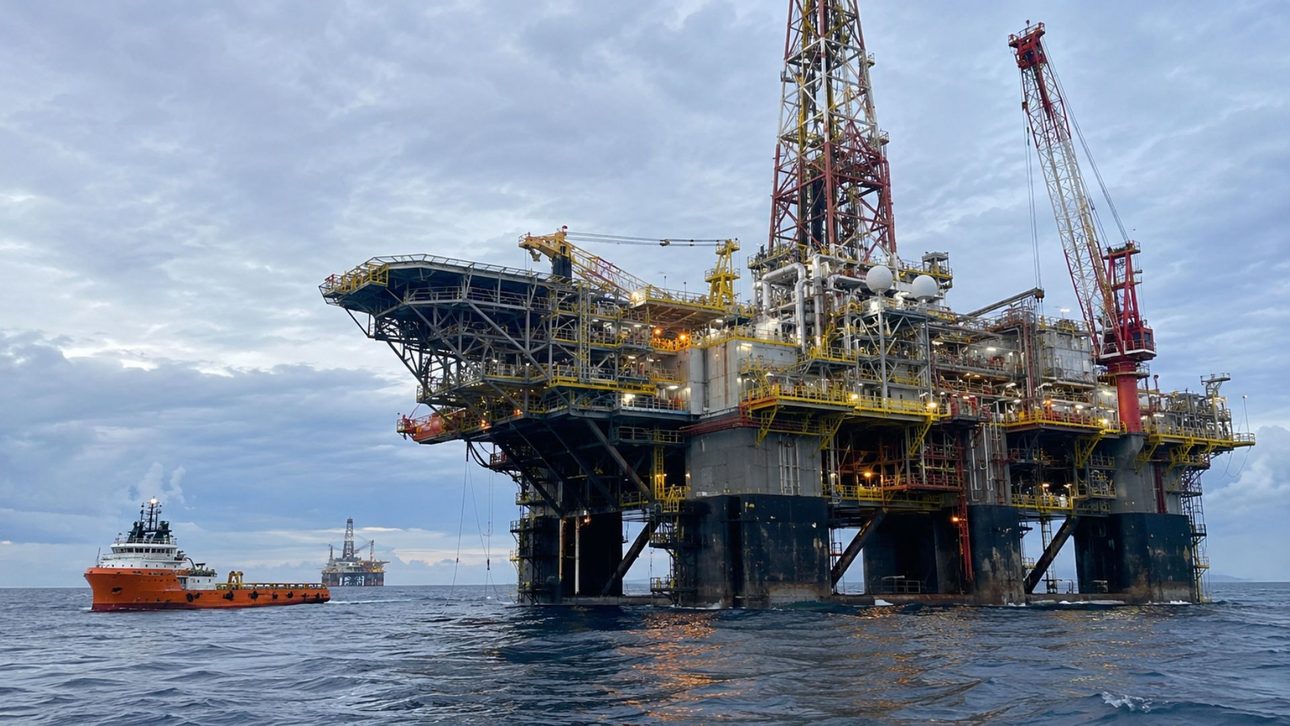

The equipment is expected to produce images that show the location and dimensions of defects in lines with an outside diameter of up to about three inches, equivalent to 7.6 centimeters.
ControlBid lists January 11, 2027, as the deadline for submitting proposals, replacing December 8, 2026. The date has not yet been confirmed directly in Sigitec, Petrobras’ official proposal submission system.
Internal damage in subsea umbilicals
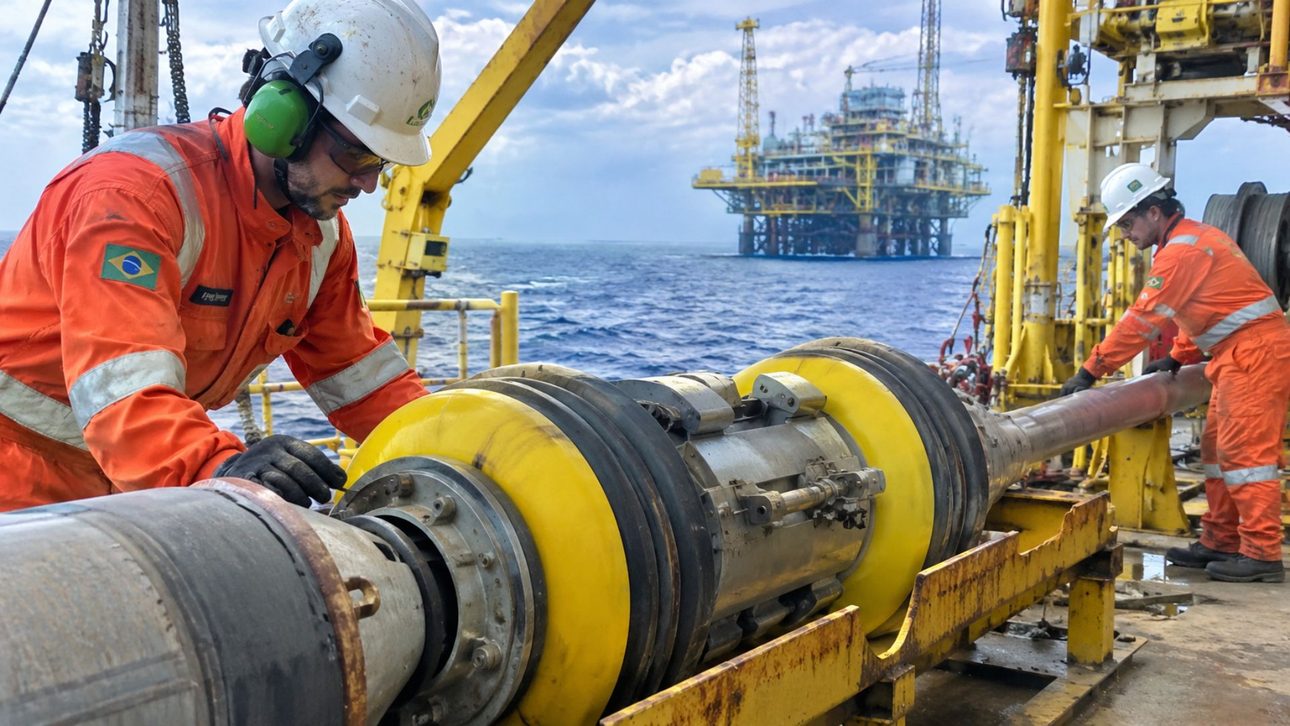
Also known as downlines, service umbilicals are used during interventions in subsea wells, when tools are lowered to carry out work that requires the lines to withstand internal and external pressure as well as the mechanical forces generated by the operation.
The design of this equipment makes some inspection procedures difficult because damage can affect materials in different structural layers without causing visible changes to the outside surface.
Defects covered by the technology challenge include cracks in the metal carcass, abrasive wear, voids and damage to the fibers used for structural reinforcement.
The system must also identify delamination, the separation of layers that were originally bonded together, and ovalization, deformation that changes the shape of a line’s cross-section.
Differences between subsea line models
One type of umbilical covered by the project is TCP, short for Thermoplastic Composite Pipe, a term for thermoplastic composite pipes made up of multiple bonded layers.
Its structure combines polymer materials with reinforcing fibers, which may be made of glass or carbon. In this configuration, inspecting for delamination involves assessing the contact areas between the layers.
The second model is HCR, short for High Collapse Resistance, which refers to a structure with high resistance to collapse and independent layers.
This type of umbilical may include an interlocked metal carcass on the inside, reinforcement layers made of aramid fibers and an outer polymer coating.
In a technical analysis of Petrobras’ challenge, engineering company Oil Tech Brazil notes that traditional inspection methods, such as those based on magnetic flux leakage, have limitations when used on polymers and nonferromagnetic reinforcements.
The state-controlled company’s proposal calls for a single system capable of inspecting both architectures, despite differences in the materials used and the arrangement of the layers.
How radiation could reveal internal defects
The technology Petrobras is pursuing falls within the field of nondestructive testing, a set of methods used to examine materials and equipment without compromising their integrity during inspection.
Radiographic imaging uses differences in how radiation interacts with the materials it passes through to produce records that can reveal certain internal features of an object.
The ability to identify a flaw in these images depends on factors such as the materials’ composition, the thickness of the layers, the orientation of the defect and its location within the structure being examined.
For umbilicals, processing the records will need to account for both the characteristics of each model’s construction and changes associated with the damage the project aims to identify.
Selecting the specific imaging technique and inspection parameters is part of the development work, along with choosing the equipment needed to build the system.
Prototype testing and radiation safety
The experimental validation in a terrestrial environment phase will involve preparing test specimens representative of the two umbilical models. These will be used to assess the system’s detection capabilities under controlled conditions.
Development includes drafting inspection procedures and processing the images produced during testing, as well as experimentally demonstrating how the solution works.
Those responsible for the project will also need to establish criteria for interpreting the records obtained and document the operational limitations of the inspection method.
Because the equipment will use ionizing radiation, the technical documentation resulting from the tests will need to include the radiation safety requirements necessary to carry out the procedures.