Portuguese
 Spanish


ANTAQ launched a nationwide operation on Nov. 23 across eight regional offices to check vessel safety, schedules, documentation and passenger rights on ferry crossings through Dec. 11.
Brazil’s National Waterway Transportation Agency (ANTAQ) launched a nationwide operation on Nov. 23 to inspect companies responsible for ferry services. Through Dec. 11, teams will check vessel compliance, safety documents and customer service.
The National Ferry Crossings Coordinated Operation involves regional offices in Manaus, Porto Velho, Santana, São Luís, Recife, Santos, Curitiba and Florianópolis. The mobilization comes ahead of the year-end travel peak.
Inspectors will compare vessels in service with those authorized to operate
On crossings regulated by the agency, each company operates under conditions set out in its authorization. Inspectors will compare those conditions with the service they find in the field, including departure schedules and the vessels actually in use.
-
Shipyard in Brazil’s Pará state delivers tug with nearly 74 metric tons of bollard pull and is building the Americas’ first two TRAnsverse vessels, expected to create 750 shipbuilding jobs

-
Petrobras and Transpetro present projects to over 30 Chinese companies in Shanghai, advocate for investment and partnerships in Brazil to strengthen the shipbuilding and offshore industries
-
Santos Port launches R$99.1 million project to reinforce Barnabé Island quay, revamp ship-berthing structures, and maintain an open shipping channel for 21 months
-
Intecnial Opens R$5 Million Shipyard in RS After 2023 and 2024 Floods, Planning to Create 400 Jobs

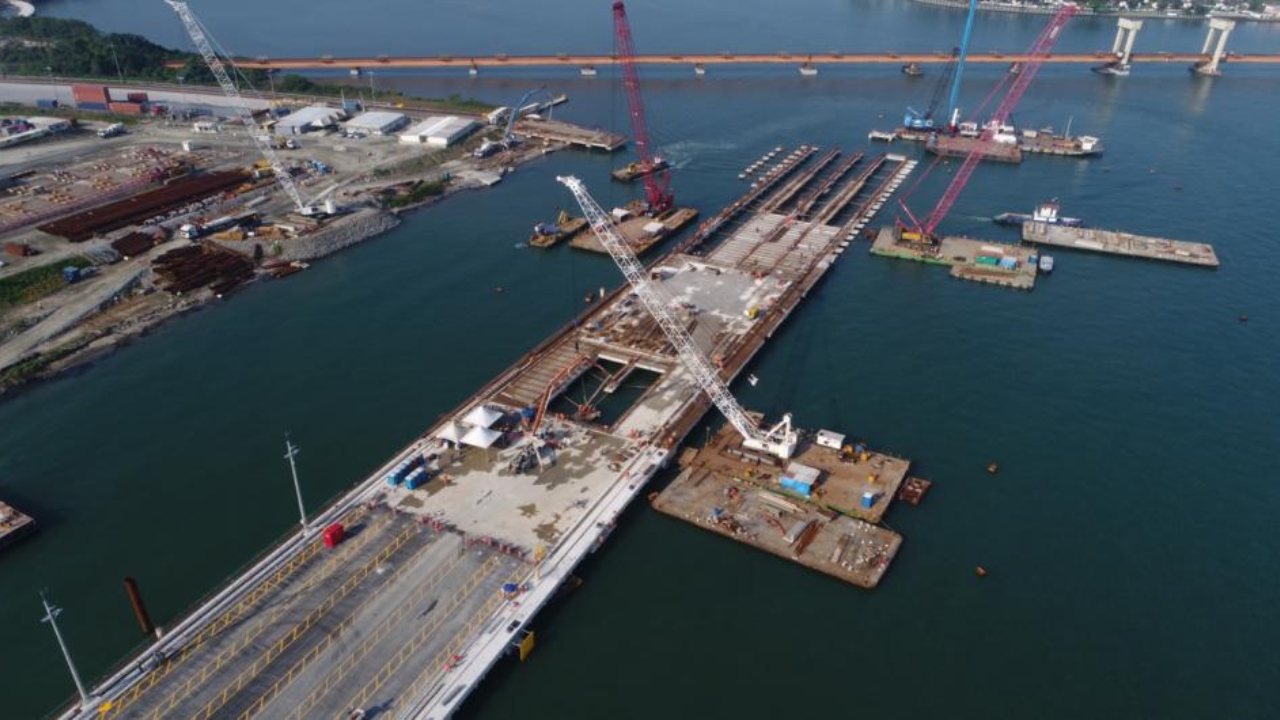

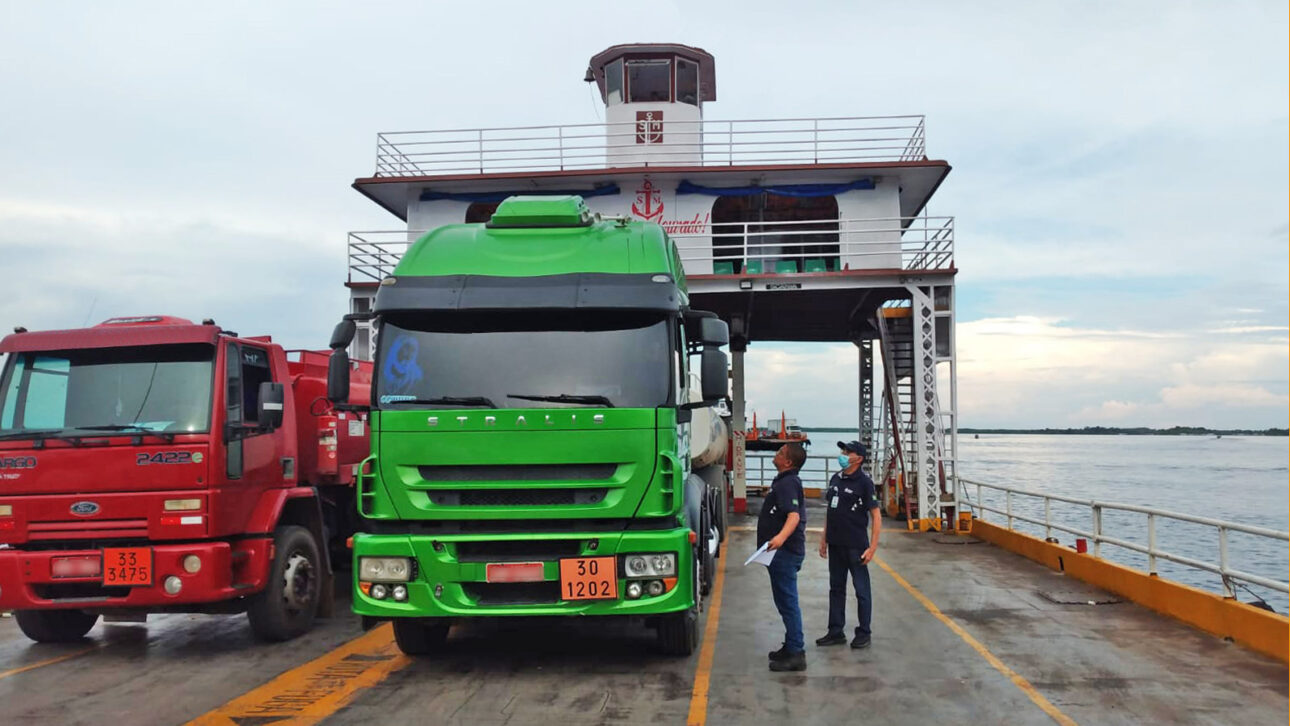
Waterway crossings carry passengers and vehicles between riverbanks and across other waterways. On sections of federal highways that rely on ferries, the service also keeps trucks and goods moving.
The official ANTAQ authorization service says operators must submit company documents, fleet information and the route’s operating plan. Vessels must be suitable for the service, whether owned by the operator or chartered.
Routes regulated by the agency include those that cross state or international borders and those that form part of a federal highway route. Authorization identifies who is responsible for providing service on each connection.
Vessel certificates and insurance added to inspection checklist
Inspectors will check whether inspections related to the Navigation Safety Certificate (CSN) are valid and whether vessels have DPEM, mandatory insurance covering people injured in vessel-related accidents.
According to the Superintendence of Private Insurance (Susep), DPEM covers personal injuries caused by boats or their cargo. It can benefit passengers, crew members and other victims, including people who were not aboard.
The insurance provides compensation for death, permanent disability and medical expenses, under the conditions set out in regulations. Proof of the accident and injury allows a claim to be filed regardless of whether fault has been determined.
Enforcement includes free fares and guidance at boarding
In addition to technical documents, teams will check whether operators provide passengers with fares and schedules, authorization details and official customer service channels. They will also assess ticket issuance and whether passengers have a way to file complaints.
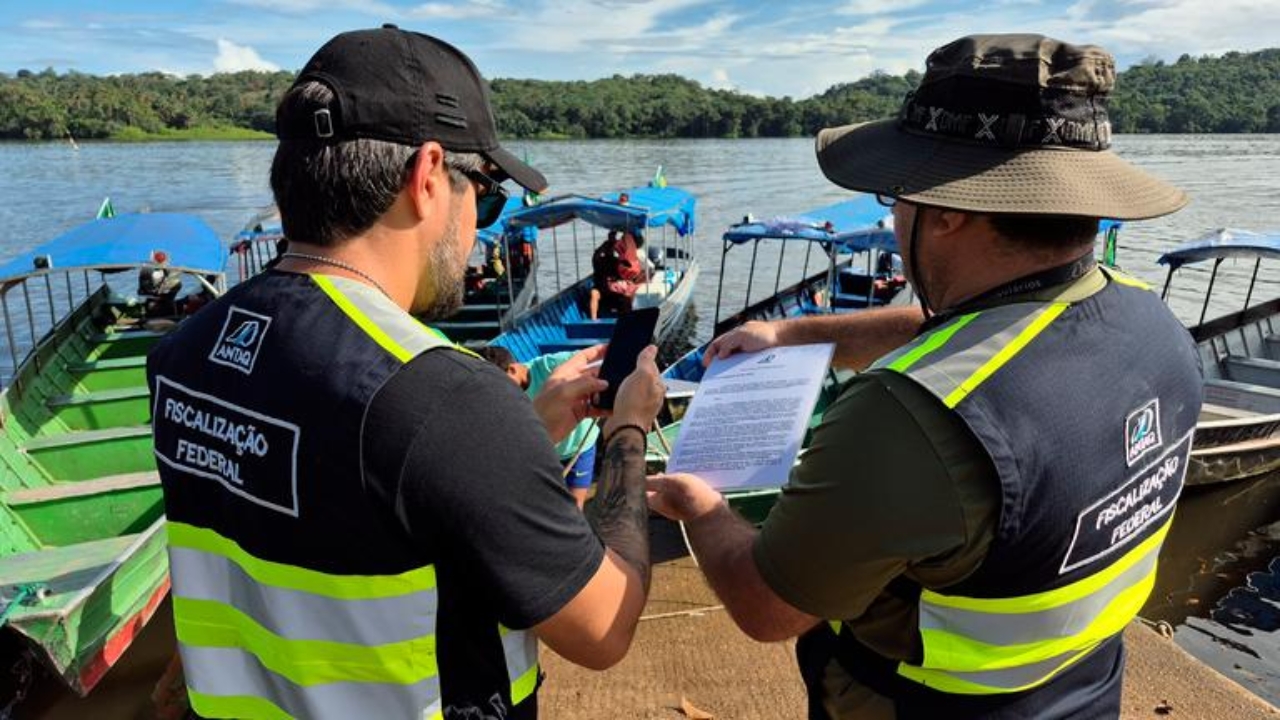
Inspectors will check that children receive free passage and that seniors and people with disabilities receive their benefits. On ferry crossings involving vehicles, signs must instruct passengers to remain outside their vehicles during the trip.
On its page about benefits and free fares, ANTAQ explains that, on interstate transportation, people age 60 and older with incomes of up to twice the minimum wage are entitled to two free seats per vessel. If those seats are occupied, eligible seniors receive a discount of at least 50% on the fare.
Interstate transportation must also reserve two seats for people with disabilities who qualify for the Free Pass. Children up to age five may travel for free if they do not occupy an individual seat, in line with the agency’s guidance.
Previous operation in Amazonas identified dozens of violations
One of ANTAQ’s enforcement actions this year took place during the Parintins Festival. From June 22 to 30, the agency conducted 69 inspections, covering 64 vessels and 41 authorized operators.
The results published in July cited problems such as missing fare information and trips outside the authorized schedule. The agency announced 91 notices requiring corrective action and the issuance of 26 notices of violation.
On another front, on October 20, teams from ANTAQ, Brazil’s waterway transportation agency, and the National Department of Transport Infrastructure (DNIT) assessed the effects of the drought on the connection between Manaus and Careiro da Várzea. After the technical inspection, DNIT announced plans to dredge the route to improve navigation conditions.
Operators have until December 10 to request changes to Christmas and New Year’s travel schedules
Alongside its inspections, ANTAQ opened a process to align transportation services with demand during the year-end holidays. Operators of passenger or passenger-and-cargo services can request temporary changes through December 10.
Requests must be filed electronically and include valid vessel documents, along with the requested routes, dates and times. If more than one company uses the same docking location, operators must coordinate their schedules to avoid conflicts.
Under the guidance published on November 23, approved changes will be limited to the period from December 15, 2026, through January 6, 2027. Passengers must be notified at least 15 days in advance.
After December 11, regional offices will compile the inspection findings from the National Ferry Crossings Operation, with local reports due by December 31. The national compilation is due by January 29, 2027.