Portuguese
 Spanish


The Santos Port Authority has begun mobilizing a R$99.1 million project on Barnabé Island. The project includes structural reinforcement, new fenders, a mooring dolphin, and environmental protection measures over 21 months.
One of the most important areas for handling fuels and chemicals at the Port of Santos will receive R$99.1 million in rehabilitation and structural reinforcement work. The Santos Port Authority (APS) announced on November 19 that it was mobilizing to modernize the quay on Barnabé Island, on the estuary’s left bank.
The IBSA Consortium will carry out the work, which is scheduled to take 21 months. The work order was issued on October 23, authorizing construction site setup. The first phase of work at São Paulo Quay is scheduled to begin in early 2027.
Centuries-old quay to be reinforced to support navigation
Some of Barnabé Island’s berthing infrastructure dates back to 1927. In an official review published in 2014, the federal government reported that the 300-meter quay already needed work on its piles, concrete structures, and access points to the mooring dolphins.
-
Intecnial Opens R$5 Million Shipyard in RS After 2023 and 2024 Floods, Planning to Create 400 Jobs

-
MSC World Asia, a 333-meter, 2,614-cabin LNG cruise ship, will be delivered in Saint-Nazaire on Nov. 25, christened in Le Havre on Nov. 28 and debut in Barcelona on Dec. 4

-
Carnival orders two LNG-powered cruise ships from Fincantieri, each with about 130,000 gross tons and 1,650 cabins, in a $2.2 billion deal, with deliveries from the Marghera shipyard in 2033 and 2035
-
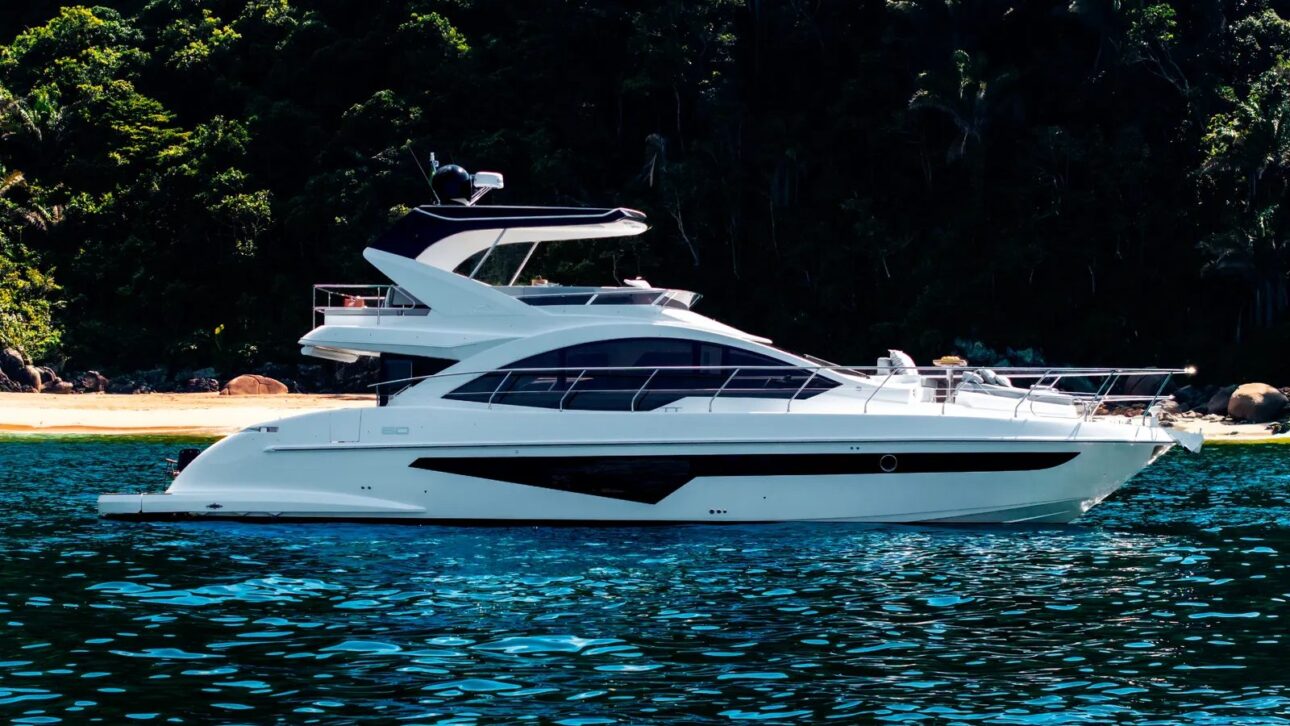
2007 Intermarine 60 with twin 800-hp Volvo engines listed for R$3.9 million among 21 Kadu Marine boats at Náutica used-boat show, priced from R$280,000 to R$8 million
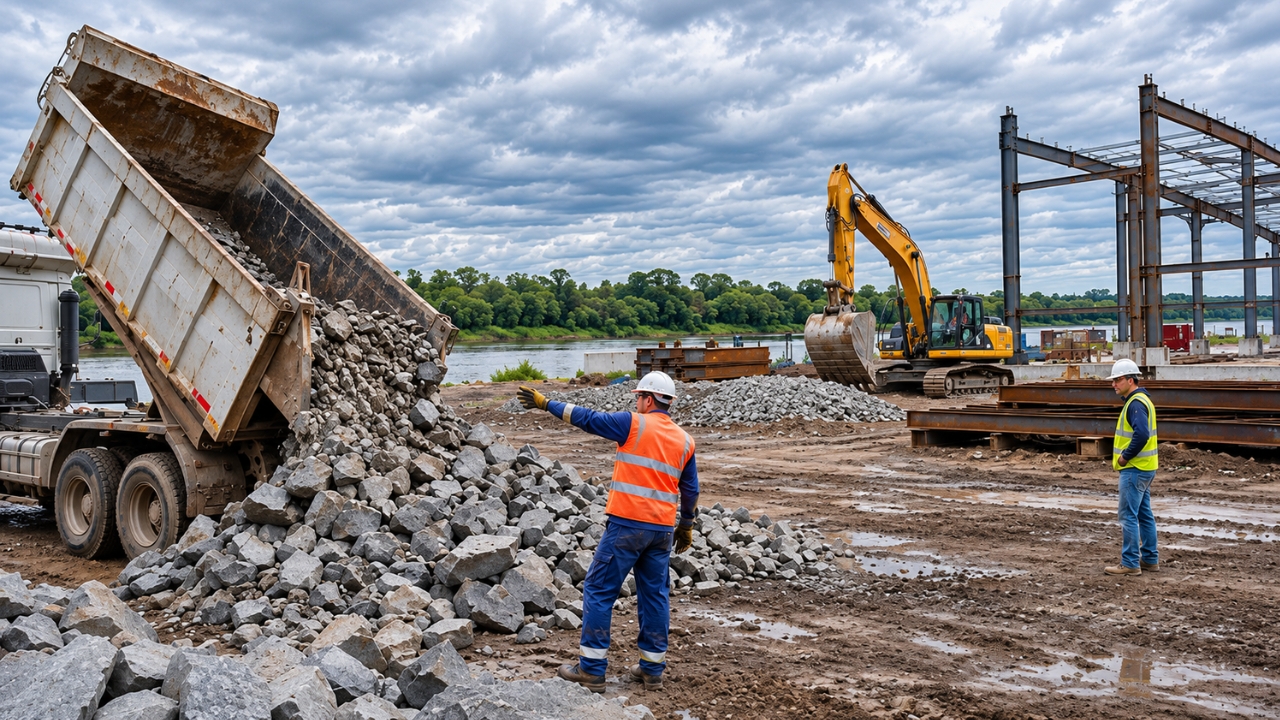



The facilities serve the São Paulo and Bocaina berths, which handle liquid bulk cargo. The Santos City Hall lists the redevelopment of these two berths among the municipality’s port infrastructure projects.
A quay must withstand both the weight of equipment and facilities and the forces transmitted by ships during maneuvers. Constant exposure to salt water, tidal changes, and heavy use also makes structural maintenance essential.
By rehabilitating existing components, APS aims to extend the service life of facilities serving the liquid bulk terminals. The engineering work will have to meet safety requirements while accommodating the operating conditions of an active port complex.
Project includes new fenders and a mooring dolphin
According to the Santos Port Authority, the contract calls for rehabilitating the site retaining structure and replacing the marine fenders, which absorb some of the energy generated when a vessel’s hull comes alongside the quay.
These pieces of equipment reduce the forces transmitted to the infrastructure during berthing. The selection and installation of the fenders take into account factors such as vessel size, approach angle, and operating conditions at the berth.
Another planned component is a new mooring dolphin. This structure is installed in the water, usually supported by piles, and provides a point where a vessel’s lines can be secured, helping keep it in position during loading or unloading.
At liquid bulk facilities, vessel stability is especially important because transferring products between a ship’s tanks and onshore storage tanks depends on connections to pipelines and cargo-handling equipment.
Santos Port channel to remain open during construction
APS, the Santos Port Authority, said restrictions will be limited to the areas where work is taking place. Navigation through the estuary channel will continue while the consortium carries out work on the quay.
Keeping traffic moving is important for a port complex that received about 5,700 vessels in 2025. The port authority’s annual report said total cargo throughput reached 186.4 million metric tons that year, up 3.6% from 2024.
Liquid bulk throughput across the port totaled approximately 16.3 million metric tons in 2025. The terminals on Ilha Barnabé are part of that total, alongside the complex’s other specialized facilities.

Environmental safeguards to be strengthened in fuel area
The work also includes oil containment systems. These structures are intended to prevent oily waste from operational areas from being discharged directly into the estuary.
APS said Ibama, Brazil’s environmental agency, classified the structural rehabilitation as an activity exempt from environmental licensing. The work will nevertheless be subject to sediment-control procedures, monitoring of water and aquatic wildlife, and emergency response plans.
Investments expand Santos infrastructure for liquid bulk
The area has already attracted other major investments. In November 2021, the Ministry of Infrastructure reported the opening of an Ageo pier on Ilha Barnabé, backed by an investment of R$128 million and capable of receiving vessels with a deadweight tonnage of 80,000 metric tons.
On the port’s right bank, a commitment agreement signed in August 2025 calls for two public berths for liquid bulk cargo at Alemoa. The estimated investment is R$400 million, with the project expected to add three million metric tons a year to the complex’s capacity.
In September 2026, the Ministry of Ports and Airports again included the renovation of Barnabé Island in its port modernization agenda, alongside projects for the internal railway, the access channel and maritime traffic management.
With the consortium’s mobilization underway, the next stage of the rehabilitation will be to complete preparations for work at São Paulo Quay. The project focuses investment on existing infrastructure, which will continue to play an important role in the port’s fuel and chemical logistics.