





 Portuguese
  English
  Spanish
  2 min of reading


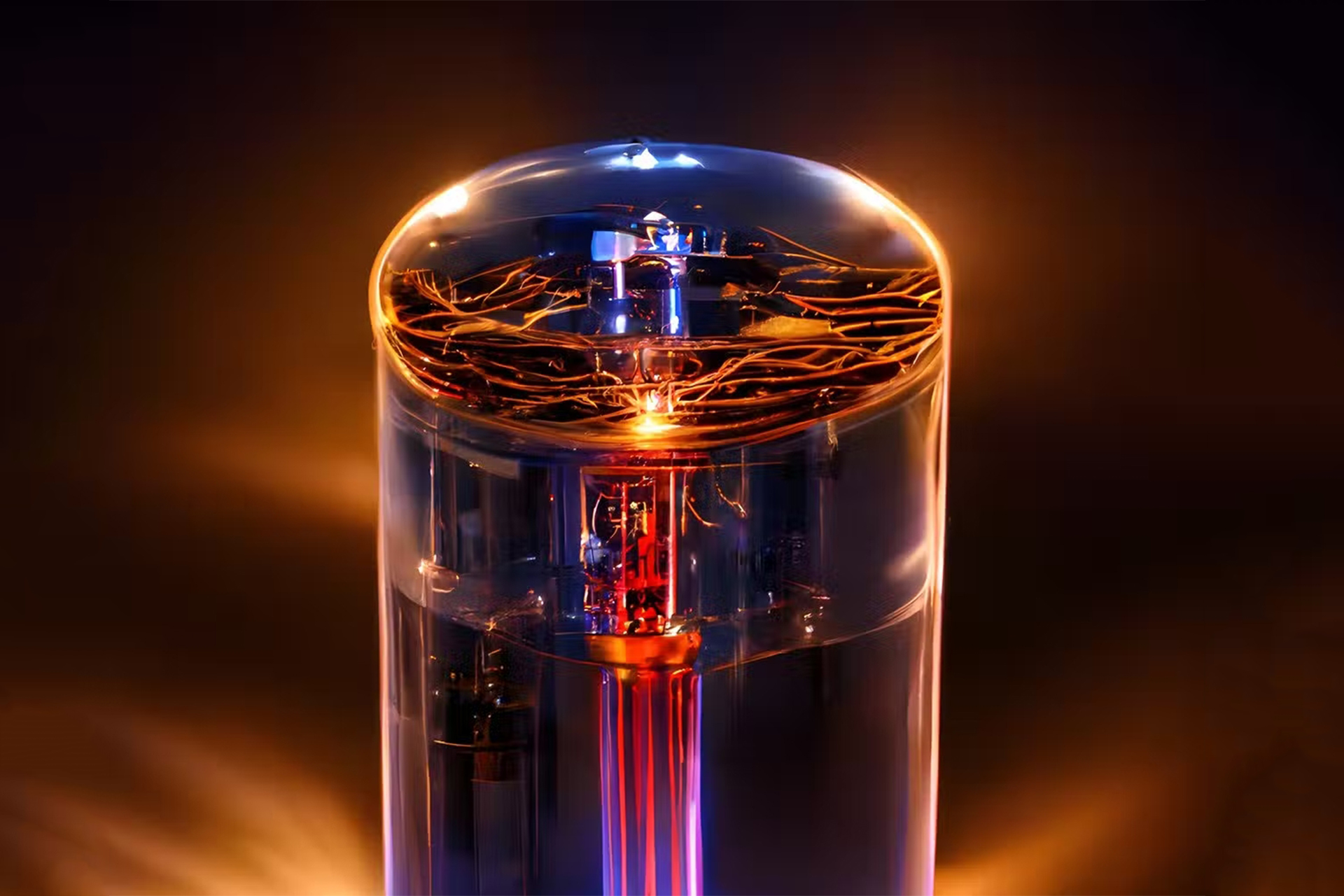
According To South Korean And Italian Scientists, A Quantum Battery Allows Almost Instant Recharges In Electric Cars And Other Devices
Quantum batteries, which use the same peculiar properties of mechanics and the quantum computers currently under development, may be brought to life through a partnership between scientists from South Korea and Italy. If successful, this new generation of batteries has the potential to revolutionize how energy is stored. They are expected to be capable of achieving almost instant recharging.
Researchers from South Korea have already determined that using quantum battery technology could reduce the time needed to fully charge an electric vehicle at home from ten hours to just three minutes. At a supercharging station, the process can be completed in an even shorter time, just over 1 minute.
To conduct the experiment, conventional battery technology was successfully combined with a quantum mechanical device known as a micromaser, thanks to a team of researchers from the Basic Science Institute of South Korea and the University of Insubria in Italy. They accomplished this by using an electromagnetic field to store charged energy in the form of a flow of qubits, which simultaneously protects against the possibility of overloading the system.
-
A 2,400-year-old iron foundry has been discovered in Senegal with 100 tons of slag, 35 furnace bases, and signs of nearly eight centuries of continuous metallurgical activity.

-
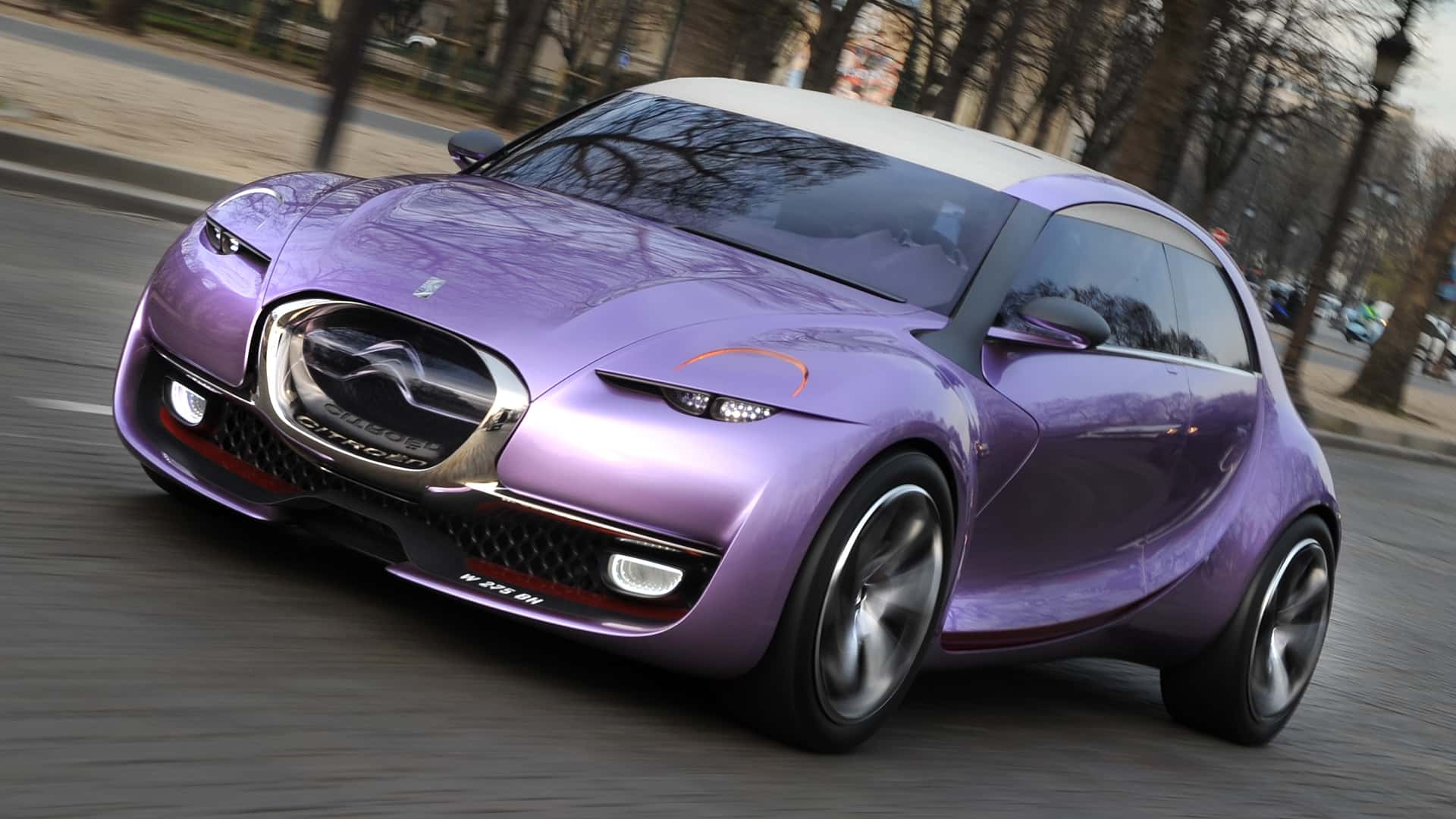
After decades out of the spotlight, Citroën is preparing to bring back the legendary 2CV as a low-cost electric vehicle, betting on the revival of one of the most popular cars in history and aiming to enter the race for affordable compact cars.
-
Four humans are flying towards the Moon inside the Orion capsule launched by the SLS rocket, and on April 6, Artemis II will disappear behind the far side of the Moon without communication with Earth for nearly an hour.

-
Worlds covered by water, atmospheres filled with hydrogen, and the possibility of life beyond Earth: ocean planets are rewriting the map of cosmic search and forcing scientists to rethink where to look.


The Larger The Quantum Battery, The Shorter Its Charging Time
The scientists investigated how the amount of time required to charge a quantum battery actually decreased as the size of the battery increased. This occurs due to a phenomenon known as quantum acceleration, which relates to how the battery’s molecules become more entangled as it grows larger.
Although a proof-of-concept device has already been made to charge quantum batteries using lasers in the lab, it will still take some time before a fully functional prototype can be developed for testing.
However, the scientists are optimistic and, if successful, they foresee the arrival of a new era of ultra-efficient batteries. This would fundamentally change the way we use devices, from smartphones to electric cars.
Electric Car Manufacturers Are Already Studying Battery Models That Recharge Faster
The charging time of batteries is a common concern among various electric vehicle manufacturers. Earlier this year, Nissan announced a partnership with NASA to develop a solid-state battery model that charges in up to 15 minutes.
The company expects that the models could be half the size of a conventional battery, as well as being lighter and safer. The projection is that Nissan will launch a fully commercial solid-state battery model by mid-2028.
In addition to the Japanese automaker, other manufacturers such as Toyota, Volkswagen, Ford, and GM are also conducting research to develop solid-state batteries.









Seja o primeiro a reagir!