





 Portuguese
  English
  Spanish
  4 min of reading
  0 comments


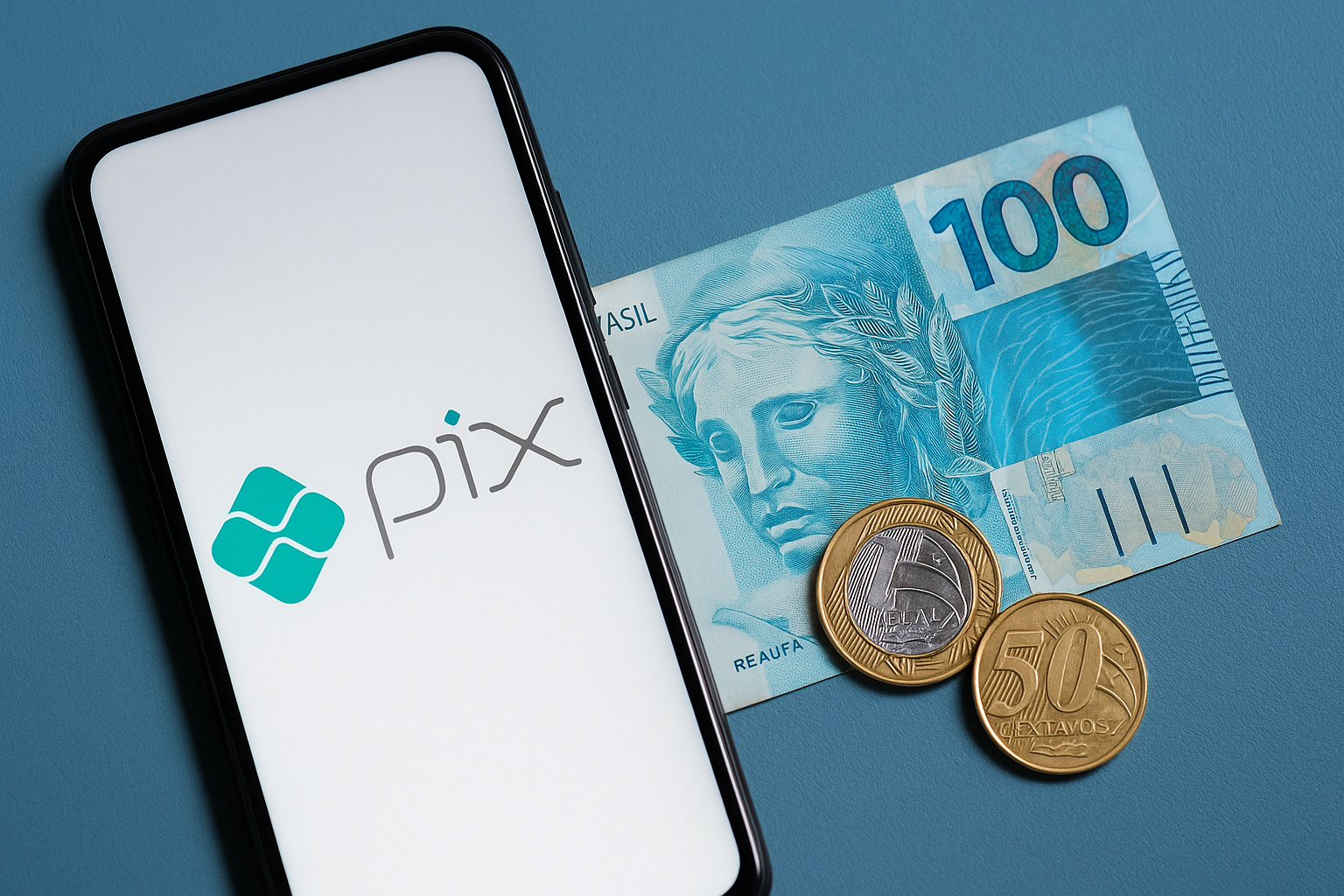
With the Advancement of Pix, Cash is Losing Strength in Brazil and the Future of the Economy is Being Questioned by Experts.
Pix Dominates Payments in Brazil and Raises Debate About the Future of Money
The Pix turns five this Sunday (16). During this period, it has profoundly transformed the Brazilian economy. The tool has moved billions and surpassed cash as the main means of payment.
The change raises new questions. What is happening? Who is driving this shift? When did this movement begin? Where is the impact most strongly felt? How has Pix gained such widespread adoption? And why is the debate about the future of physical money growing so much?
The latest data from the Central Bank helps explain. They show a rapid rise of Pix and reveal a historical shift in behavior in the country.
-
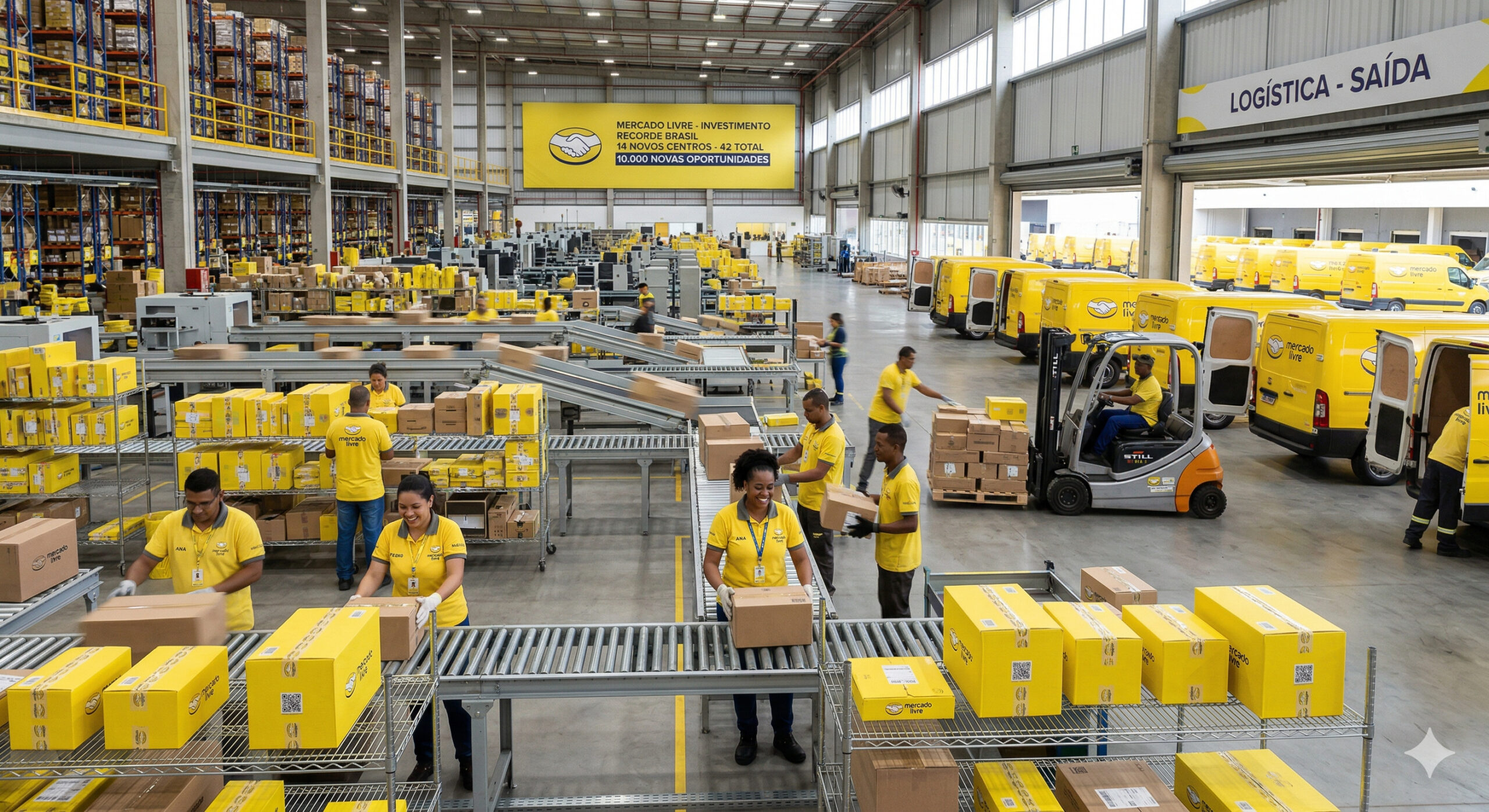
Mercado Livre “opens the vault” and announces a record investment of R$ 57 billion in Brazil in 2026, a value 50% higher than the previous year, with an expansion plan that includes 14 new logistics centers, totaling 42 units in the country and hiring an additional 10,000 employees.
-
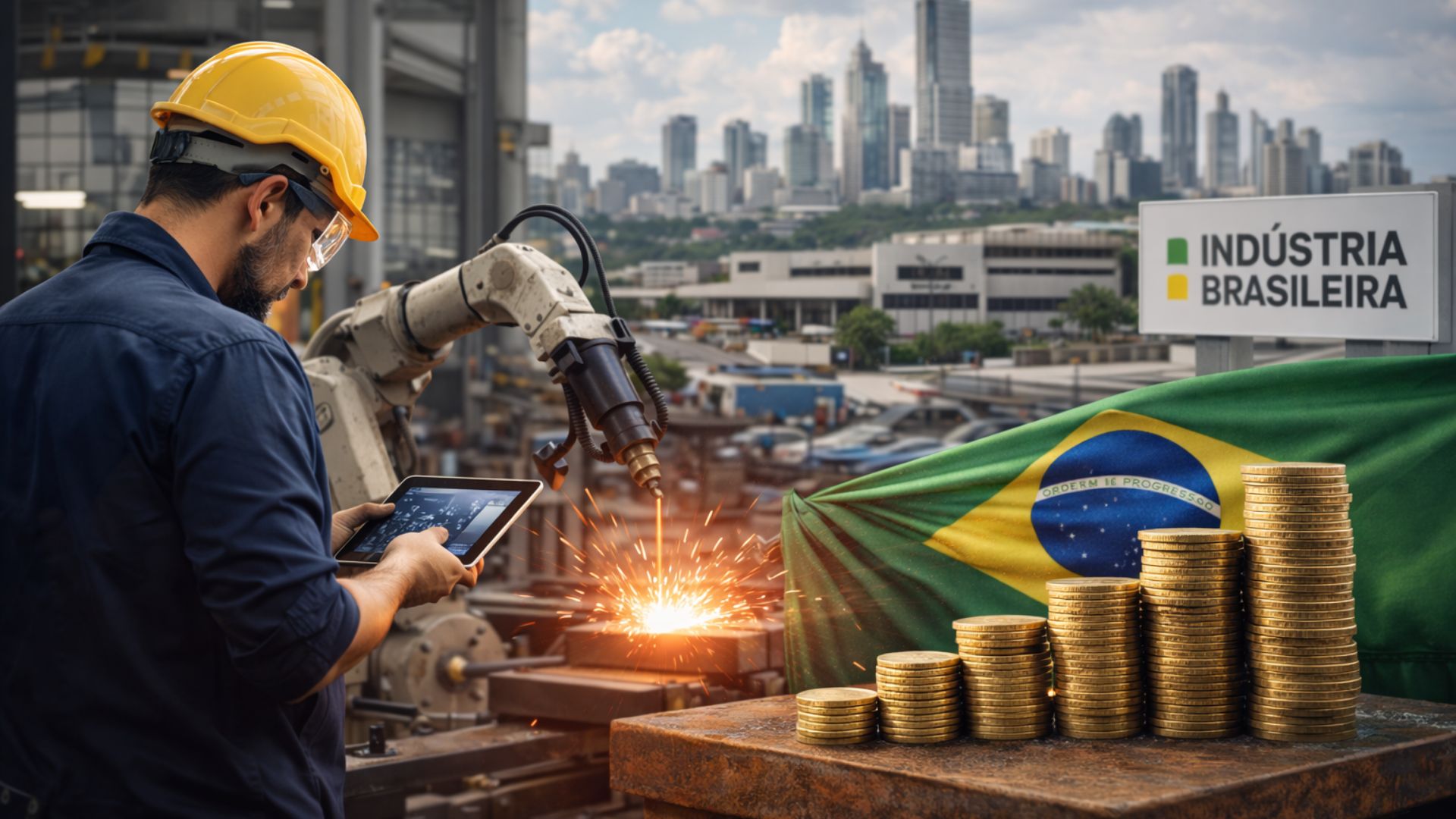
How investment in technology can revolutionize the national economy and enhance industrial gains, according to a study that highlights the direct impact on productivity, innovation, and wealth retention within Brazil.
-
The largest food company on the planet, JBS, has just opened a 4,000 square meter laboratory in Florianópolis to develop customized proteins that modulate muscle mass gain, immune response, and metabolic performance.

-
After nearly 30 bids and competition among industry giants, a Spanish company purchases one of the largest airports in Brazil for almost R$ 3 billion and takes over the management of Galeão in a concession that will last until 2039.


According to the survey “Brazilians and Their Relationship with Money,” the use of banknotes and coins dominated Brazil in 2021. That year, 83.6% of the population preferred to pay with cash. Meanwhile, Pix had a mere 46.1% adoption rate.
Three years later, everything changed. The use of cash dropped to 68.9%. Meanwhile, Pix rose to 76.4% and took the lead in the financial lives of Brazilians.
Pix Grows Rapidly and Changes Population Habits
Experts assert that the advancement of Pix changes the dynamics of the national economy, but it doesn’t mean, at least for now, the end of cash. Furthermore, the study indicates that 53.4% of Brazilians now believe they will stop using cash within the next few years — almost 14 points higher than recorded in 2021.
This significant leap shows how the instant system has become part of daily life. Still, according to analysts, predicting the exact future of this transition is not straightforward.
Cash Still Has a Place in Brazil, Experts Say
Despite the strength of Pix, experts dismiss the idea that physical money will disappear. João Paulo Borges, General Coordinator of Financial System Regulation at the Ministry of Finance, reinforces this view. He states that digitization does not eliminate the use of banknotes.
“I would say that money is not going to end. The Doc ended, the TED continues to be used but obviously at a much lower percentage than before Pix. However, cash is still widely used by a segment of the population that does not have more direct access to digital means, who may prefer to pay in coins and banknotes,” Borges said.
He points out that other countries advanced digitally without eliminating physical money. “In any case, Pix is an extremely important alternative, and what we observe is how easy it is to use. When a person travels abroad and tries to make a payment, they see how virtuous the Brazilian system is,” he stated.
Pix Moves Trillions and Reinforces Its Role in the Economy
The numbers explain the reason for the discussion about the future of payments in Brazil. In October, Pix recorded over 7 billion transactions, moving more than R$ 3 trillion. Of this total, about 2.7 billion were transactions from individuals to businesses, while 2.6 billion occurred among individuals.
These data reveal that Pix has become indispensable for daily activities, from simple purchases to corporate payments.
Tool Reaches 90% of Adult Population and Expands Financial Inclusion
As studies from the Getulio Vargas Foundation (FGV) show, Pix currently reaches 90% of the Brazilian adult population. This scenario is impressive compared to the start of the tool: in November 2020, the system recorded a mere 6.2% adoption among the population. Three years later, it surpassed 77% and continued to grow.
Moreover, FGV researchers highlight that Pix has become essential for financial inclusion, allowing millions of Brazilians to integrate into the digital economy more quickly and with less bureaucracy.
Future of Money: Digitalization Advances, But Coexistence Should Continue
Although Pix comfortably leads everyday use, experts believe that the coexistence between digital means and cash will continue for many years in Brazil. Thus, the path points to a more digitalized economy, but without the immediate end of cash.
Pix has not only transformed Brazilians’ relationship with payments but also redefined behaviors, boosted financial inclusion, and raised an essential debate about the future of the country’s economy.







Seja o primeiro a reagir!