






 Portuguese
 Spanish


The new Bosque Tania Bulhões opened in Uberaba after a R$70 million investment, bringing porcelain manufacturing, perfumery, laboratories and studios together on a 40,000-square-meter site. Part of the production can be visited.
An industrial development representing an investment of R$70 million has begun welcoming visitors in Uberaba, in the Triângulo Mineiro region of Minas Gerais. It brings together two factories that would normally operate behind closed doors: one dedicated to porcelain and the other to perfumery. The Bosque Tania Bulhões opened on November 5, 2026, and occupies a 40,000-square-meter site alongside the BR-050 highway, with studios, laboratories, a store, a café and cultural spaces.
The opening goes beyond the launch of a production facility. The company is giving the public a chance to see artisans at work, learn how porcelain is treated and observe stages in fragrance creation, with studio visits available by appointment. The built-up area totals approximately 7,000 to 7,500 square meters, according to estimates released at the opening.
Two factories share a site, bringing luxury manufacturing within visitors’ reach
The complex was designed as the brand’s creative and manufacturing center in the city where its founder was born. It brings together areas for porcelain preparation, decoration and firing, research and development laboratories, perfumery operations and spaces open to visitors. The facility also includes an auditorium seating about 60 people, a store and Leila Café.
-
Brazilian company plans humanoid robot factory in Manaus, projects a US$2.5 million investment and aims to deliver the first 50 units to schools in July 2027

-
Explosion at Klabin sends 11 workers to hospital and shuts down Santa Catarina mill after damaging its only recovery boiler at a plant with 330,000 metric tons of annual capacity

-
Volkswagen begins production in South Africa of Brazil-designed, Tera-based Tengo SUV, with 4 billion rand investment and 45% local parts at Kariega plant

-
Minerva Foods faces occupation at its idle Paso Carrasco plant in Uruguay by 600 workers without unemployment benefits


The official opening took place on Thursday, November 5, with guests and local representatives in attendance. The site began receiving visitors on Saturday, November 7. The brand maintains a dedicated webpage for Bosque, with its address, store and café hours, and information on booking studio visits, which are subject to availability and require advance reservations.
The Uberaba Commercial, Industrial and Services Association estimated that approximately 90 direct jobs would be created in the first phase. Other reports put the figure at around 80 jobs over the same period, a slight difference between the estimates. The expansion of in-house manufacturing, however, has already begun to change the operation’s industrial profile.
Porcelain pieces are molded, fired twice and decorated one by one
In the so-called White Porcelain Studio, production begins with preparing the porcelain body, shaping it in molds, finishing and drying. The piece then undergoes its first firing, known as bisque firing, before being glazed and returned to the kiln at a high temperature. The result is a durable, vitrified white base, ready for the collection’s finishing work.
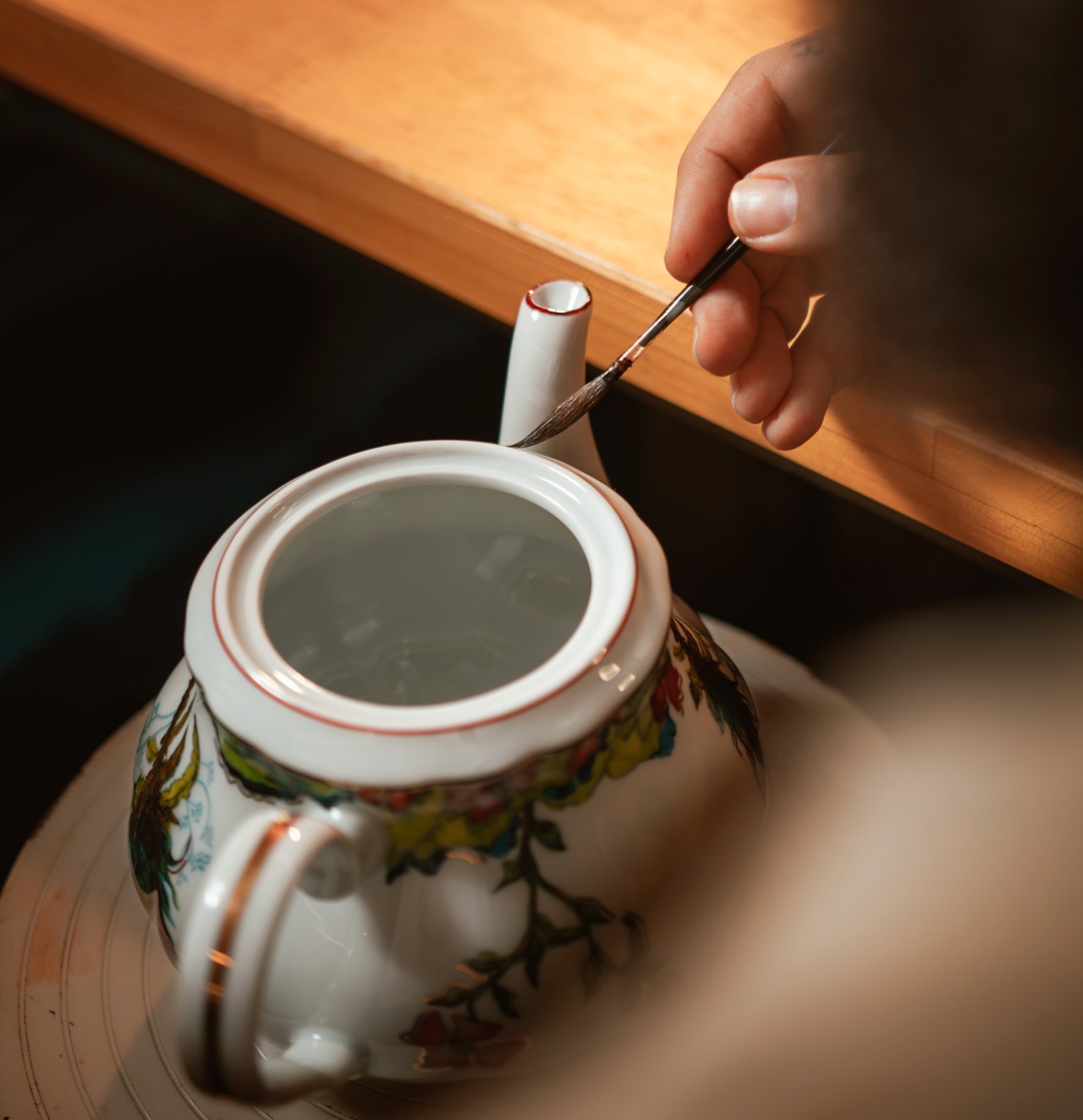
Decoration still involves manual steps. Designs are reproduced using screen printing, made into decals and applied one by one by artisans. Some pieces feature hand-painted designs and fine lines. Kiln temperature affects how permanently the decoration bonds with the porcelain, requiring monitoring and quality control throughout the process.
The group brought technical expertise from France to its manufacturing operation in the Brazilian state of Minas Gerais. In 2023, it took control of Royal Limoges, a porcelain maker founded in 1797 that is still operating in Limoges. Artisans from Bosque spent three months training at the French factory, and professionals from there also helped transfer know-how to the Brazilian facility.
Perfumery already accounts for 45% of revenue, with production to be brought in-house in Uberaba
While porcelain reflects the brand’s artistic roots, perfumes and fragrances have taken on a growing share of the business. Perfumery now accounts for about 45% of revenue. The new facility was designed to gradually take over work previously handled by outside suppliers.
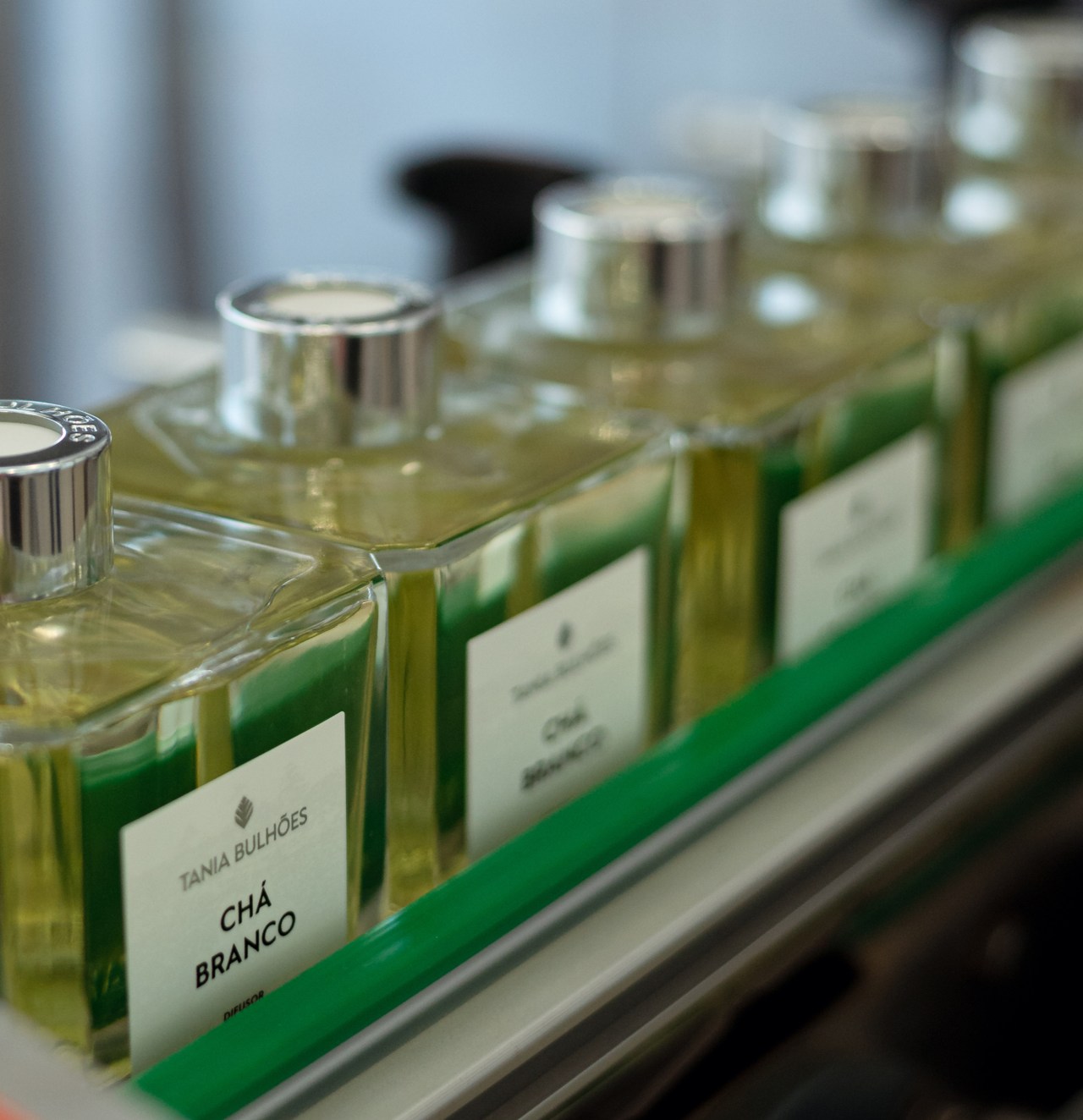
The laboratory’s work includes formulation, raw-material selection, testing and quality assessments. Production lines then handle weighing, blending, filling, labeling and packaging. Some fragrances can contain more than 100 ingredients, developed by Tania Bulhões in partnership with specialists.
Perfumery production at the complex began before the November ceremony. Local manufacturing had been ramping up for months by the time of the opening. The stated goal is to consolidate all fragrance production in Uberaba by 2027, giving the company greater control over timelines, quality and product development.
Minas Gerais factory adopted French techniques and aims to replace some outside suppliers
The partnership with Limoges establishes a split in production between Brazil and France. Collections developed by the French maker will remain in Europe, while some of the Brazilian brand’s lines will be made or decorated at Bosque. The company aims to increase the share of production handled by its own facilities by 2028, with porcelain manufacturing centered in Uberaba or Limoges.
The process already includes training Brazilian professionals and adapting techniques to collections developed by the brand. Acquiring a 200-year-old factory in France and establishing manufacturing operations in Minas Gerais give the company greater control over processes that once depended on international partners.
Founded in 1989, Tania Bulhões grew from the work of the artist who gave the brand its name. It now operates dozens of stores in Brazil, an e-commerce business and a commercial presence abroad. The industrial investment in Uberaba brings development, production and customer service together at a single site.
Bosque to feature thousands of native seedlings, blending industrial architecture with the Cerrado
A landscaping plan was also developed for the site. It calls for planting about 8,000 seedlings of native species, highlighting the vegetation of the Cerrado and areas of Atlantic Forest. The complex was designed by Saboia+Ruiz Arquitetos, while Ricardo Cardim was responsible for the landscaping.
The construction uses engineered wood elements and spaces with natural lighting, seeking to integrate the production experience with the surrounding landscape. The local business association and brand representatives also pointed to Bosque’s potential to host cultural gatherings, corporate activities and arts education programs.
The brand says its store and café are open Tuesday through Sunday, with varying hours during the week; visits to the studios require advance reservations. The address is BR-050, km 183.5, northbound, in Uberaba. Visitors should check the official Bosque Tania Bulhões page for current visiting conditions and hours.
Investment expands Brazilian production and sets the stage for a new phase of experiences and artisan training
The complex opened with plans to host artists and creative residencies starting in 2027. The next indicators of growth will be the expansion of perfume and porcelain production, the hiring of artisans and the use of its cultural spaces. The investment has already brought a site combining industry, workshops and public tours into operation.
The Uberaba factory offers a chance to see how a piece of porcelain passes through kilns and hand decoration, and how a fragrance moves from formulation to bottling. Would a visit to this kind of industrial facility be an opportunity to learn about the manufacturing process? Readers can share their thoughts in the comments and share the article with anyone interested in technology, Brazilian production and craftsmanship.


