Portuguese
 Spanish


Petrobras’ new plan calls for offshore expansion, refinery investments and progress in the Equatorial Margin, with a focus on oil and diesel production.
Petrobras is preparing a new round of investments that could exceed US$120 billion between 2027 and 2031, with funding for oil production, expanded refining capacity and exploration in new offshore areas. The company plans to accelerate pre-salt projects and expand its presence in Brazil’s Equatorial Margin, including the Foz do Amazonas Basin. At the same time, it aims to increase domestic diesel production and reduce the need to import a fuel essential to Brazil’s transportation sector.
A Reuters report published Monday, November 23, 2026, said three people familiar with the discussions put the new budget at between US$120 billion and US$125 billion. That would exceed the US$109 billion in the previous plan. The proposal will be reviewed by the Board of Directors before its official release, which is expected after the market closes.
Petrobras could increase investment by more than 10% under new plan
The previous plan, covering 2026 to 2030, set out US$109 billion in investments. Of that total, US$91 billion was allocated to projects approved for implementation and US$18 billion to projects still under evaluation.
-
800 km from its support base, Petrobras faces a logistical challenge in Foz do Amazonas: Helicopters, ships, and a lack of ports expose the hidden costs of operating in an isolated region in Brazil’s far north

-
905-Kilometer Pipeline Between São Paulo and Brasília Faces Lawsuit to Nullify Environmental License as 30-City Gas Project Faces Dispute

-
Petrobras receives another R$1.9 billion in government diesel subsidies, raising total payments from fuel-support programs to R$18 billion
-
Chevron advances in the Pelotas Basin with a 25-well plan off southern Brazil as Ibama clears environmental study preparation and new oil frontier gains momentum


Current discussions point to a budget of more than US$120 billion. If confirmed, that figure would increase Petrobras’ investment program by more than 10% compared with the previous plan.
The change reflects new industrial commitments and projects that have made technical progress. However, the final budget will depend on board approval and the conditions set for each project.
Exploration and production could receive about 80% of funding
The largest share of the new plan is expected to remain focused on oil and natural gas exploration and production. The sources who spoke to Reuters said the business segment could account for about 80% of the budget.


The money will be directed mainly toward maintaining and increasing production from offshore fields. The work includes drilling wells, installing subsea equipment and contracting platforms.
Under the previous plan, Petrobras had earmarked US$69.2 billion for exploration and production projects approved for implementation. The new plan could increase that commitment, but the exact allocation has not been disclosed.
Pre-salt will continue to get platforms and new production systems
The pre-salt remains at the center of Petrobras’ industrial strategy. In this region, oil reservoirs lie beneath thick layers of salt in deep waters of the Atlantic Ocean.
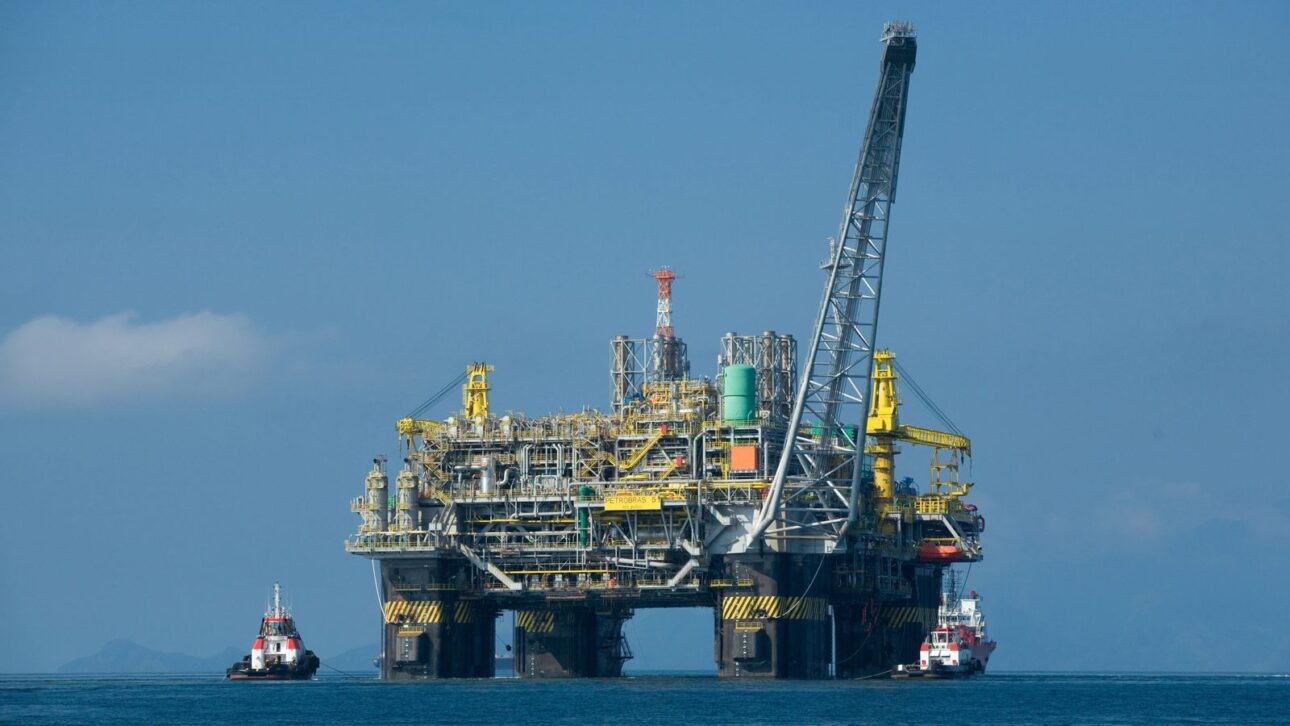
The current plan already called for new platforms to begin operating in offshore fields, including units assigned to the Búzios field in the Santos Basin. They include platforms P-78, P-79, P-80, P-82 and P-83.
These facilities operate like floating factories, able to receive oil from wells, separate gas and store some of the output. Expansion also requires support vessels, transportation systems and subsea control equipment.
The previous plan estimated peak output of 3.4 million barrels of oil equivalent per day in 2028 and 2029, including oil and natural gas. The new projection will depend on the figures presented in the 2027-2031 plan.
Foz do Amazonas expected to receive more investment in the Equatorial Margin
One of the most anticipated changes involves the Brazilian Equatorial Margin, an offshore region stretching along the Northern coast and part of the Northeast.
Petrobras plans to increase funding for exploration in this oil frontier. Under the current plan, the company had earmarked about US$2.5 billion for the region.
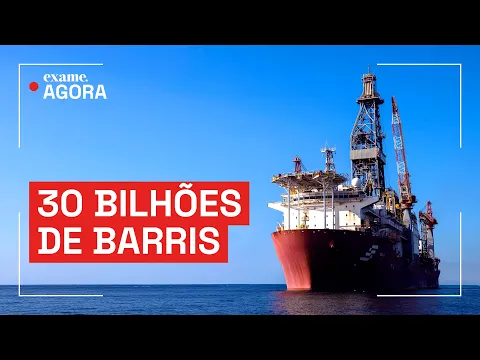
The new budget is expected to exceed that amount, according to sources consulted by Reuters. The increase is expected to be focused mainly on the Foz do Amazonas Basin, which has gained importance in the company’s assessments.
One of Reuters’ sources also mentioned the Morpho well and the identification of three reservoirs, with potential progress on commercial assessments in 2027.
Equatorial Margin could also spur projects in the Potiguar Basin
In addition to Foz do Amazonas, Petrobras is assessing exploration opportunities in the Potiguar Basin, off the coast of the states of Rio Grande do Norte and Ceará.
The company considers the region important for finding new reserves and sustaining its output over the coming decades. Exploration involves geological surveys and drilling wells to determine whether oil and gas are present.
Brazil could pursue diesel self-sufficiency by 2031
Another planning priority will be reducing Brazil’s dependence on imported diesel. The country produces about 70% of the diesel it consumes, while the rest must be purchased abroad, according to Reuters.
The fuel is used by trucks, buses, farm machinery and various types of industrial equipment. When international prices rise, imports can increase fuel supply costs.
Petrobras plans to expand its production capacity to meet a larger share of Brazilian demand. Sources interviewed by the news agency said the new plan could set diesel self-sufficiency as a goal for 2031.
The target still depends on official confirmation and the completion of the necessary investments. It also does not mean Brazil has already stopped importing the fuel.
Paulínia and Pernambuco refineries among the priorities
Most of the increase in domestic output is expected to come from expanding and modernizing existing refineries. The facilities mentioned include the Paulínia Refinery (Replan), in São Paulo, and the Abreu e Lima Refinery (Rnest), in Pernambuco.
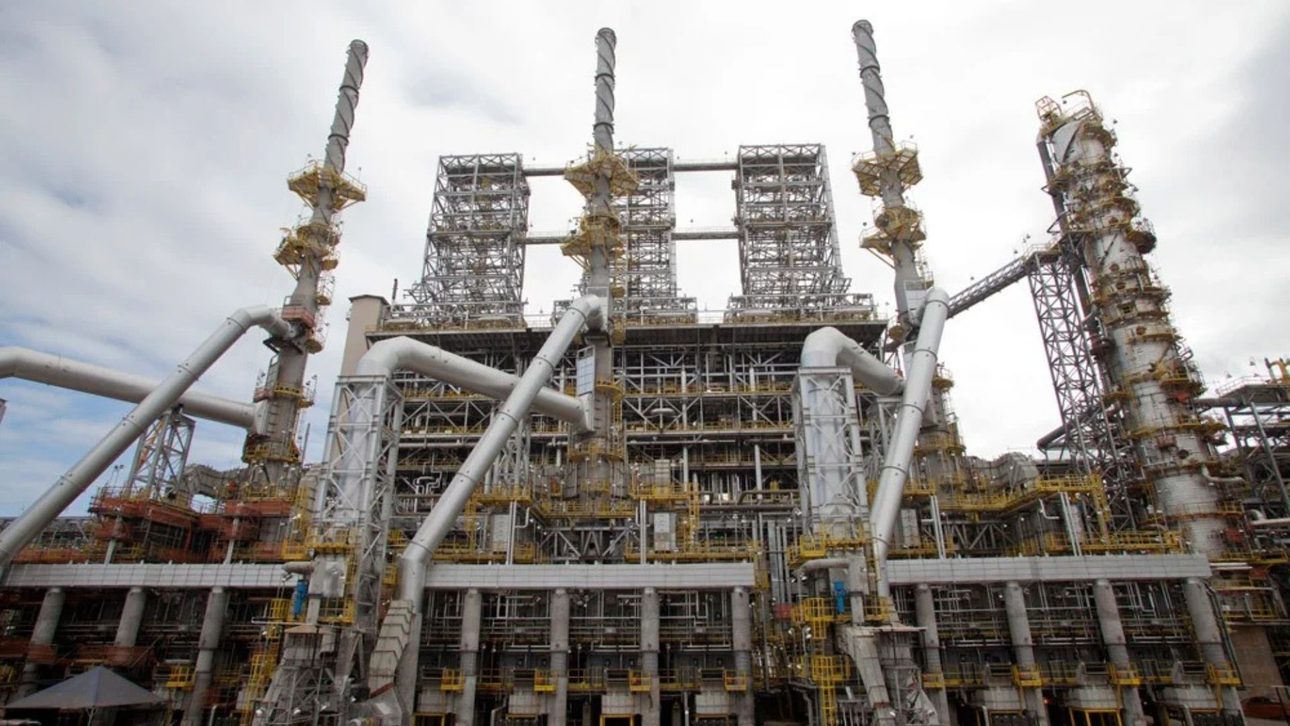
The changes could increase processing capacity and improve diesel yields from crude oil. The current plan already called for raising total refining capacity from 1.8 million to approximately 2.1 million barrels per day by 2030.
Petrobras had also announced projects aimed at producing additional S-10 diesel, a fuel with lower sulfur content.
Petrobras discusses possible return to Bahia’s Mataripe Refinery
The company is also in talks with the Mubadala fund about the Mataripe Refinery in Bahia. The facility, formerly known as the Landulpho Alves Refinery, was sold in 2021. The options under discussion include buying back the refinery or acquiring an ownership stake.
The plan is also expected to maintain a focus on fertilizer production and fuel sales. These segments are part of Petrobras’ strategy to expand its presence across different stages of the energy supply chain.
In the fertilizer sector, the company is seeking to leverage its industrial infrastructure and the availability of raw materials. The previous plan had already earmarked funds for this activity.
Another issue the market is watching is a possible Petrobras return to fuel distribution, a sector the company exited after selling its stake in former BR Distribuidora.
Higher oil prices enable faster project development but add pressure on cash flow
Petrobras reported stronger operating results in 2026, buoyed by higher production and rising international oil prices.
The company’s president, Magda Chambriard, previously said the higher-price environment creates an opportunity to bring projects forward and increase revenue generation.
However, the company must also account for periods of falling prices. Oil projects require billions of dollars and can take several years to begin producing.
Sources interviewed by Reuters said the decisions in the new plan were based on the quality and feasibility of the projects, not just the recent rise in oil prices.
Analysts are closely monitoring the impact of investment on debt, cash generation and the company’s ability to pay dividends.