Portuguese
 Spanish


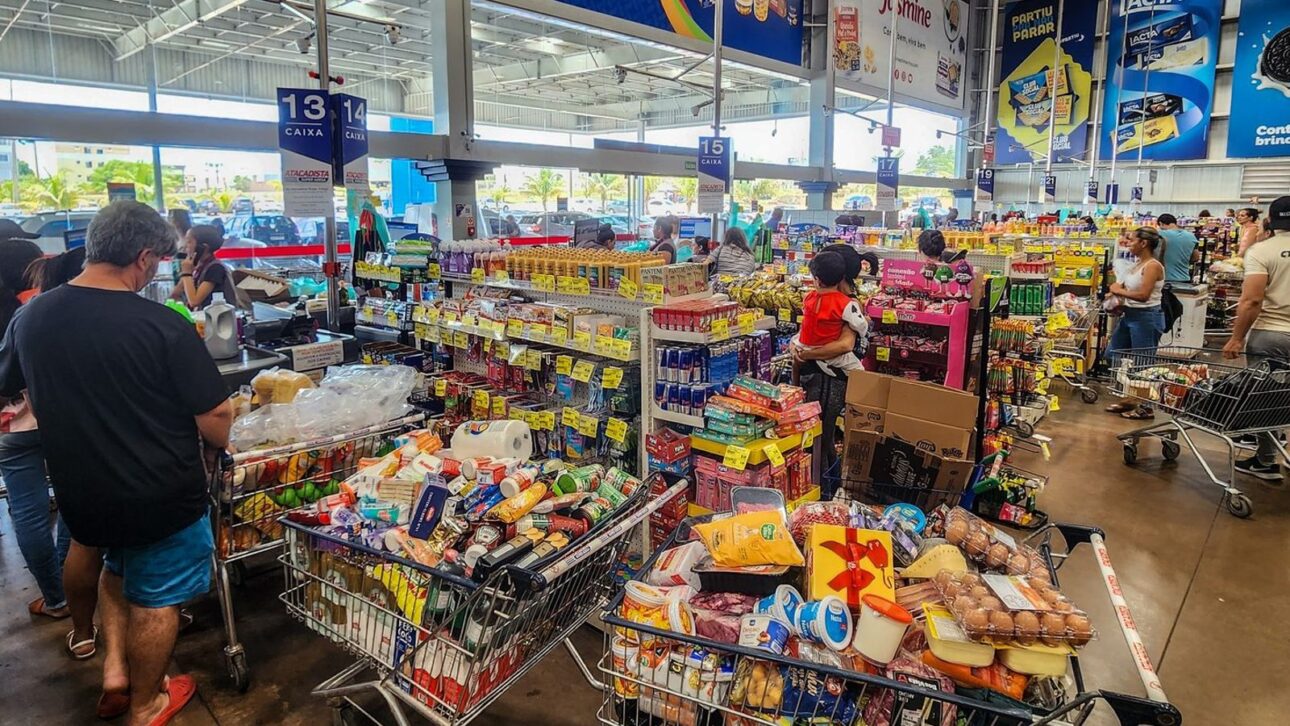

Brazil’s 2024-2025 Household Budget Survey (POF), released by IBGE on November 27, 2026, shows that poorer families spend proportionally more on rent, medicine, food and betting than wealthier families
Brazilian families living on up to two minimum wages spend 18.2% of their monthly outlays on rent. For families earning more than 25 minimum wages, the share is 9.5%, nearly half as much.
The figures come from the 2024-2025 Household Budget Survey (POF), whose initial results IBGE, Brazil’s statistics agency, released on November 27, 2026. The survey covered more than 60,000 households.
The gap also shows up in betting. Games and betting accounted for 0.4% of the budgets of the poorest families, four times the share among the wealthiest families (0.1%).
-

-
-
-



Where each family’s money goes
The POF compares households at opposite ends of the income scale. The table below shows how much each type of spending accounted for in total household expenses in 2024-2025:
| Expense | Up to 2 minimum wages | More than 25 minimum wages |
|---|---|---|
| Housing | 36.2% | 19.1% |
| Rent | 18.2% | 9.5% |
| Services and fees | 12.3% | 2.9% |
| Food | 20.9% | 8.1% |
| Medicine | 3.6% | 1.6% |
| Health plan | 1.6% | 6.0% |
| Education | 6.7% | 4.8% |
| Games and betting | 0.4% | 0.1% |
For the poorest families, housing and food together take up more than half the budget: 57.1%. Rent alone eats up nearly a fifth of their money. For wealthier families, the two categories total 27.2%.
Medicine instead of a health plan
Health spending paints a picture in reverse. Among families earning up to two minimum wages, medicine accounted for about 45% of all household health spending.
Among households with incomes above 25 minimum wages, health plans dominate. They accounted for 6.0% of the total budget, equivalent to 63% of those families’ health spending.
Across the country as a whole, health took up a larger share of household budgets. The figure rose from 8.0% in 2017-2018 to 9.6% in 2024-2025, while health plans and insurance reached 4.0% of total spending.
Betting enters the tally for the first time
IBGE measured spending on betting, but there is no way to compare it with the previous edition. POF analyst José Mauro Freitas noted that betting platforms were legalized on December 12, 2018, after data collection for the 2017-2018 survey.
Across all households, games and betting accounted for 0.2% of total spending on average. The share was twice as high among the poorest households.
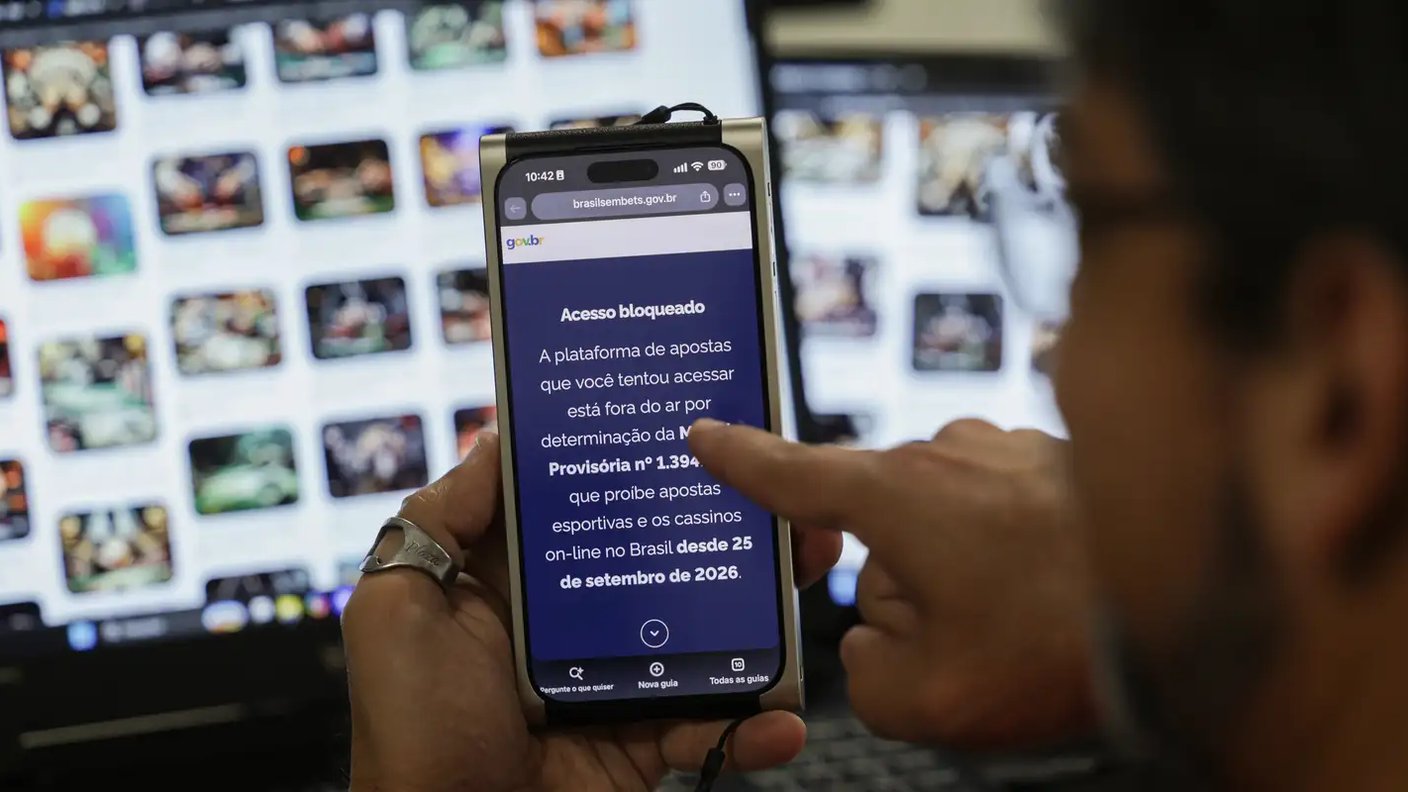
This snapshot predates the ban. Households were interviewed in 2024 and 2025. On September 25, 2026, the federal government issued Provisional Measure No. 1,394/2026, which banned sports betting and online games in the country, and the sites began going offline on October 6.
The measure still needs to be voted on by Congress. In November, Congress extended the measure’s validity for another 60 days.
Food at home for lower-income households
Households earning up to two minimum wages spent an average of R$ 525.46 per month on food. Those earning more than 25 minimum wages spent R$ 3,294.36, more than six times as much.
Among the poorest households, 80.1% of food spending went toward meals prepared at home. Among the wealthiest, half went toward eating out.
The biggest gap was in food eaten away from home. Wealthy households spent 15.7 times as much on meals away from home as the poorest households, compared with 3.9 times as much on food prepared at home.
How much Brazilian households spend each month
Households spent an average of R$ 7,977.43 per month in 2024-2025. In rural areas, the figure was R$ 4,886.31, 38.7% below the national average. In cities, it reached R$ 8,402.01.
Over 50 years, food has taken up a smaller share of household budgets. Food accounted for 33.9% of consumption spending in 1974-1975, falling to 19.6% in 2024-2025.
“It is not that food has become less essential to families; rather, new forms of consumption have entered people’s lives, shifting part of their budgets to cover them,” said survey manager Luciana Santos.
What comes next
The data released on November 27 are the first findings from Brazil’s 2024-2025 Household Budget Survey (POF) and cover spending, income and assets. For the first time, the survey also included spending on streaming platforms and topics such as access to financial services.