Portuguese
 Spanish


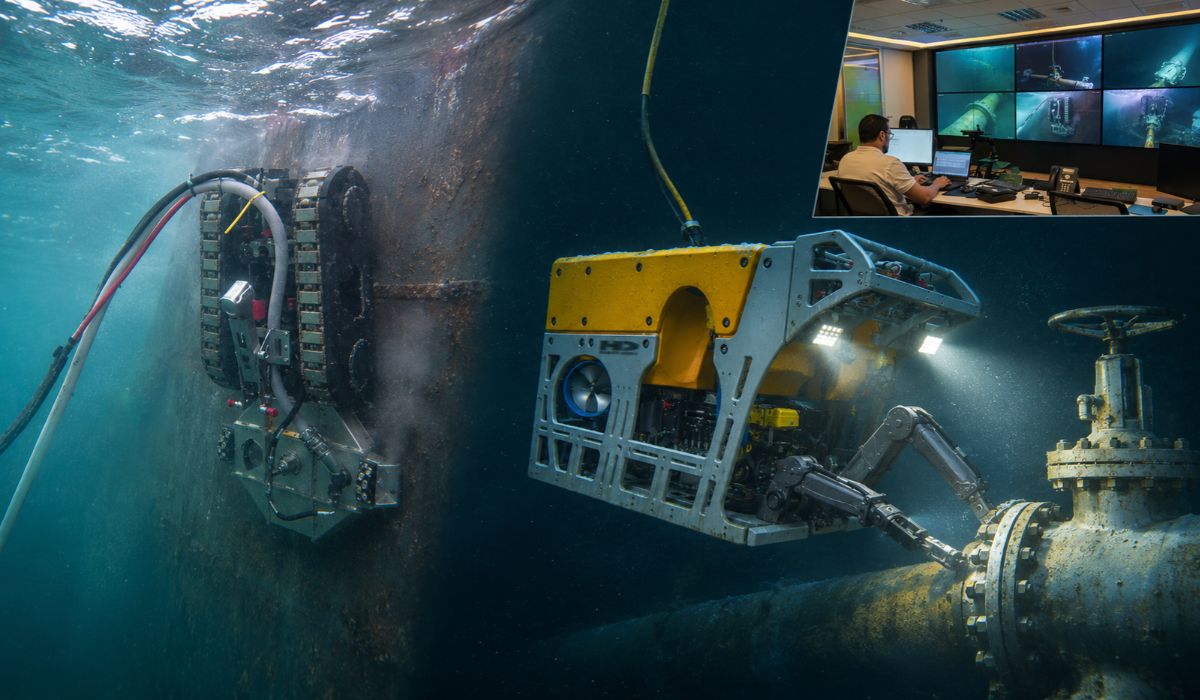

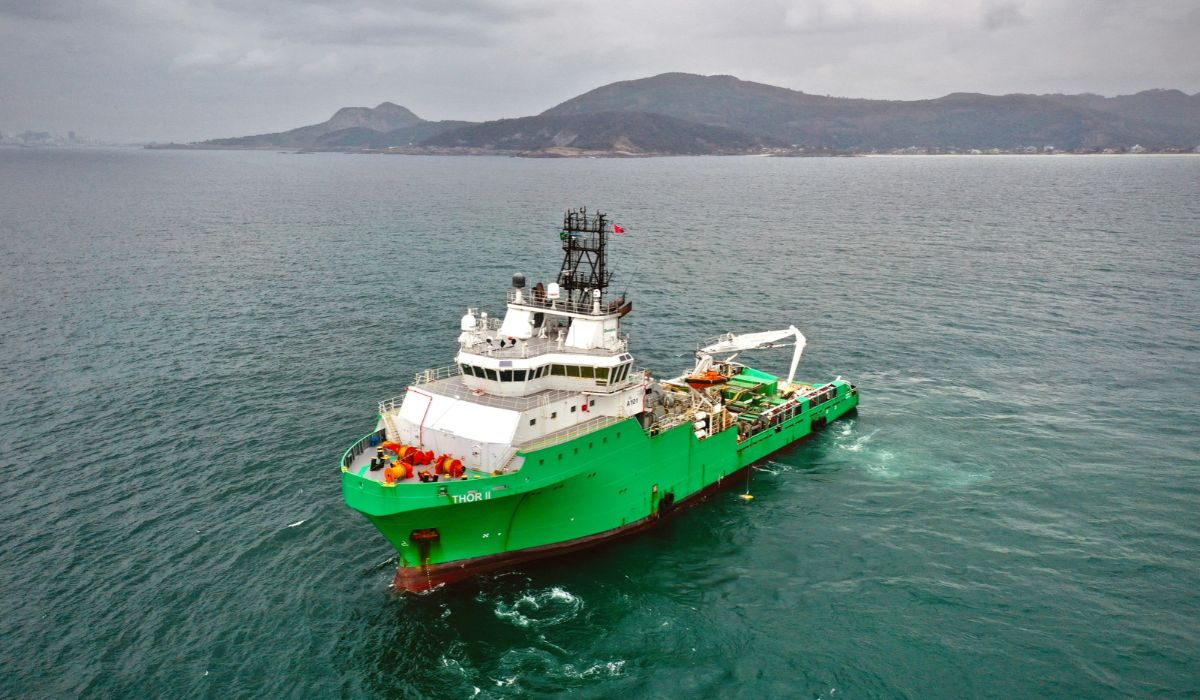
Oceânica Engenharia combines robotics, low-Earth-orbit satellite communications and control centers in Rio de Janeiro to conduct subsea inspections, expand its operational capacity and reduce workers’ exposure to hazards at sea.
While one robot attaches magnetically to a vessel’s hull to conduct inspections, other subsea vehicles can be piloted by operators who do not even need to be offshore.
These technologies are part of the strategy at Oceânica Engenharia e Consultoria, a Brazilian company specializing in subsea services for the oil and gas industry.
The company uses magnetic robots, known as crawlers, and has shore-based centers that can control remotely operated vehicles (ROVs) designed for deepwater work.
-

-

-
-


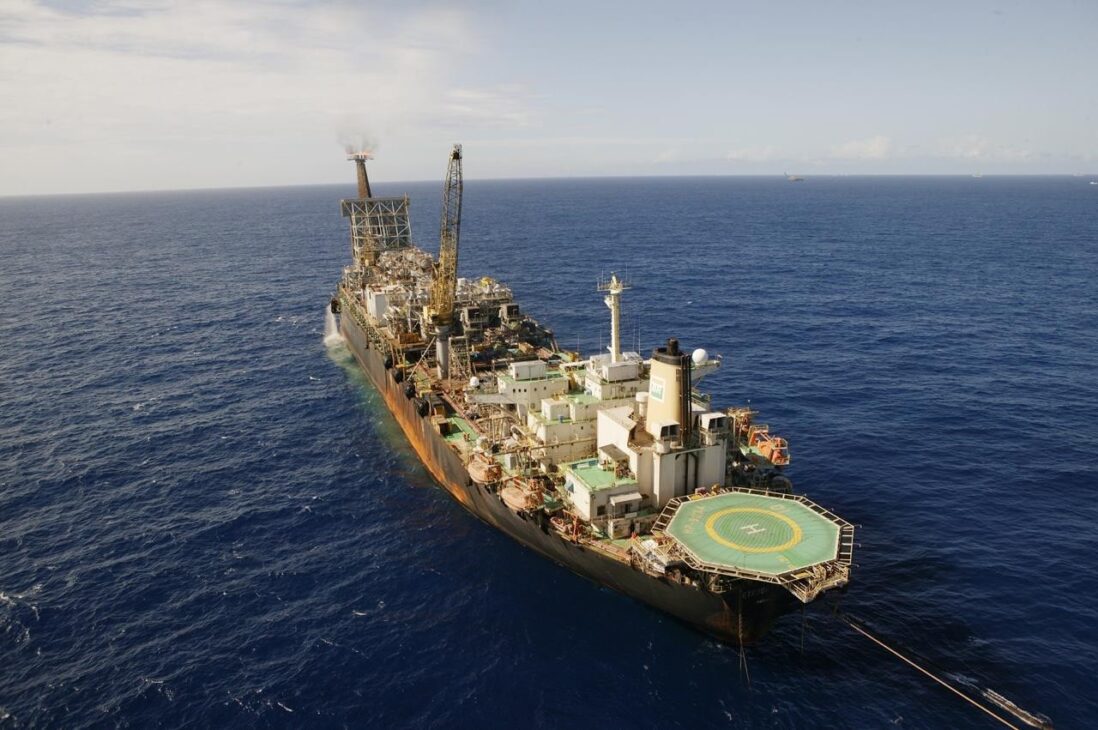
According to the earnings report released on November 13, 2026, Oceânica has 18 vessels in its operating fleet and 19 Work Class ROVs, used in operations at depths of up to 3,000 meters.
In the first nine months of the year alone, the company acquired six new pieces of equipment in this category.
Magnetic robots can work while attached to hulls
Conducting a subsea inspection takes much more than positioning a camera in front of a metal structure.
Ocean currents and wave motion can make it difficult to keep equipment stable, especially when a job requires precise measurements or the identification of small signs of wear.
Crawlers offer an alternative for addressing this challenge.
Rather than relying exclusively on thrusters to hold their position, these robots use magnetic systems that allow them to adhere to steel surfaces and move across them in a controlled manner.
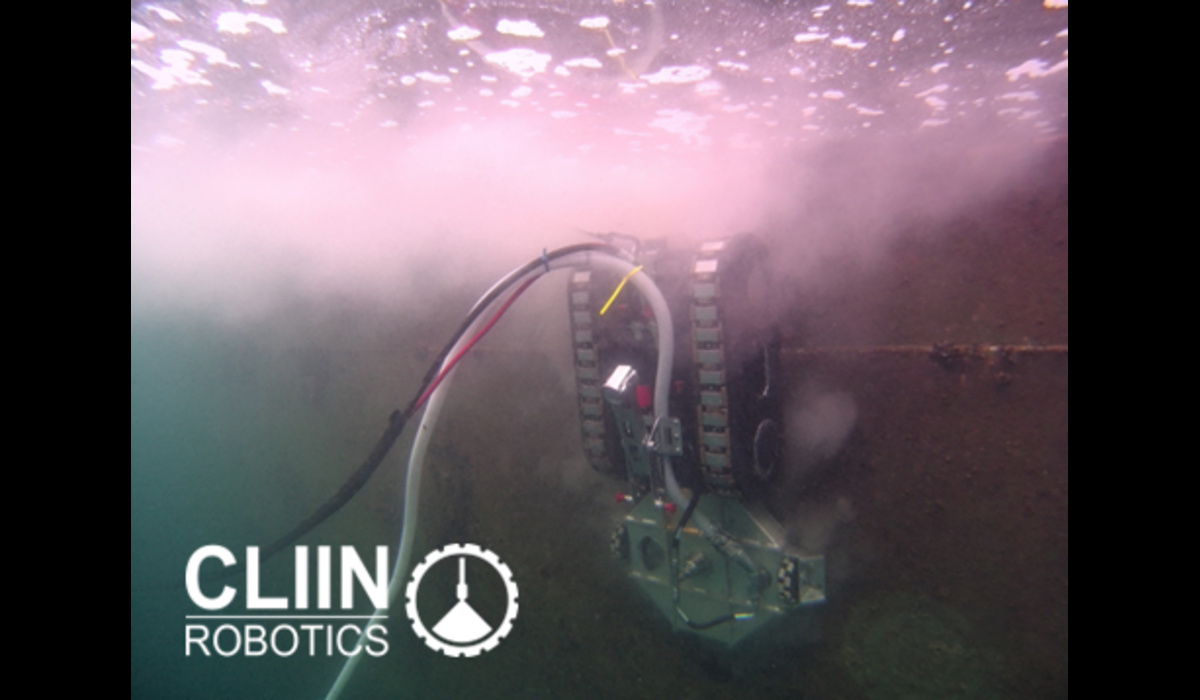
Depending on the tools installed, they can conduct visual inspections, assess coatings, identify irregularities and measure the thickness of metal components.
Danish manufacturer CLIIN Robotics confirmed that one of its devices was used in Oceânica’s first publicly reported operation involving a robotic crawler, conducted aboard the vessel Oceanicasub VI.
The technology can reduce the need to expose divers to certain repetitive or complex tasks.
Its use, however, depends on the surface’s characteristics, environmental conditions and the type of inspection required.
Satellites enable underwater robots to be piloted directly from shore
Controlling a submerged machine from an office far from the ocean requires a communications infrastructure that differs considerably from the one used in conventional offshore operations.
In an interview with Brasil Energia during ROG.e 2026, published on September 22, Bruno Freitas, Oceânica’s innovation manager, explained that the use of low-Earth-orbit satellites helped make this operating model possible.


One of the main advantages of this technology is reduced latency, the time between sending information and receiving it.
For an ROV pilot, that interval is particularly important.
A significant delay between moving the controls and seeing the images update can make delicate maneuvers difficult, such as positioning a robotic arm next to subsea equipment.
Oceânica operates remote centers in Barra da Tijuca, in the city of Rio de Janeiro, and in Rio das Ostras, in the state’s interior.
Satellites establish communications between the vessel and shore-based facilities. The underwater vehicle remains connected to the offshore structure by cables that transmit commands and data and, depending on its configuration, power.
This allows operators to monitor images and sensor data without having to be physically onboard.
Several-ton machines withstand extreme pressure on the ocean floor
At a depth of 3,000 meters, the pressure exerted by the water is approximately 300 times the atmospheric pressure at sea level.
In addition to the absence of sunlight, the equipment must withstand low temperatures and conditions that require special protection for its electronic components and control systems.
Among the vehicles featured in Oceânica’s catalog is the 150 HP ROV HD Schilling, designed to operate at a depth of 3,000 meters.
The 3.6-ton vehicle is equipped with high-definition cameras, sonar, depth sensors and manipulator arms.
Another model used by the company, the Quantum 250 HP, weighs approximately five tons and is technically rated to reach even greater depths.
These vehicles can be fitted with tools for a range of tasks, including cleaning, inspection, valve operation and intervention on subsea equipment.
Unlike magnetic crawlers, ROVs have propulsion systems that allow them to travel through the water column and reach structures installed far below the surface.
Underwater robotics is also changing the work of divers
Founded in 1978, Oceânica began with activities related to professional diving. The expansion of deepwater oil exploration led the company to gradually adopt new technologies.
One initiative developed as part of this process was the Diverless project, which focused on creating robotic tools capable of performing certain tasks previously carried out by divers.
The company also created the Future Diver program and specialized training facilities for ROV operations, enabling diving professionals to develop skills in piloting and robotic intervention.
Technological advances do not necessarily eliminate these workers’ involvement. In many activities, knowledge of subsea structures remains useful in planning and carrying out the work.
Beyond oil exploration, Oceânica sees opportunities to use remote equipment in the decommissioning of offshore facilities.
Services under consideration include geophysical surveys and seafloor mapping before well-abandonment operations, potentially using smaller remotely controlled vessels.