Portuguese
 Spanish


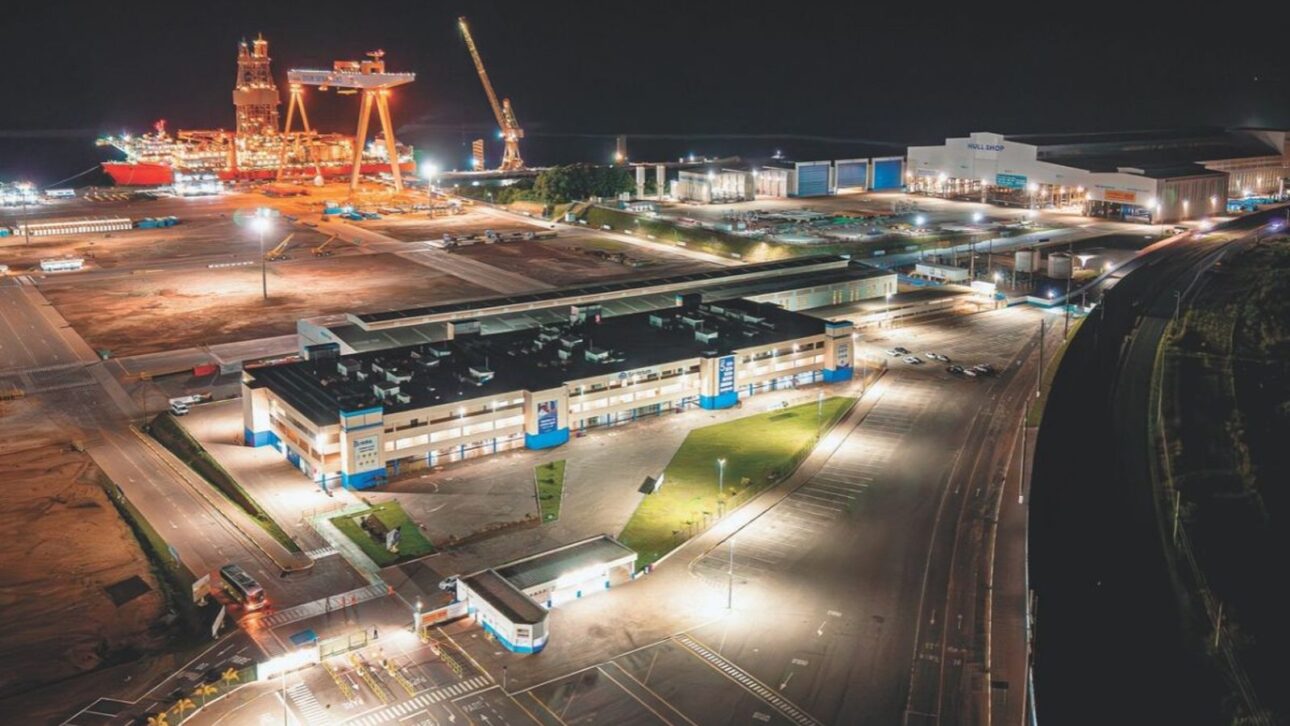

Seatrium’s shipyard in Aracruz, Espírito Santo, has about 7,000 workers and could reach 10,000 if the multinational wins new projects, such as Petrobras’ Búzios 12 and Mero 5 platforms. That would mean up to 3,000 additional direct and subcontracted jobs
The Seatrium shipyard in Aracruz, in the state of Espírito Santo, has about 7,000 workers and could reach 10,000 if it wins new projects. The information was provided by the company’s vice president of commercial and marketing, Bruno Búrigo, and published on November 26, 2026.
Tribuna Online interviewed the executive on Business Stories, a video podcast produced by Rede Tribuna.
For people looking for work in Espírito Santo’s shipbuilding industry, the math is straightforward: up to 3,000 additional jobs, including direct hires and subcontracted positions.
-

-

-
-
7,000 today, up to 10,000 at capacity
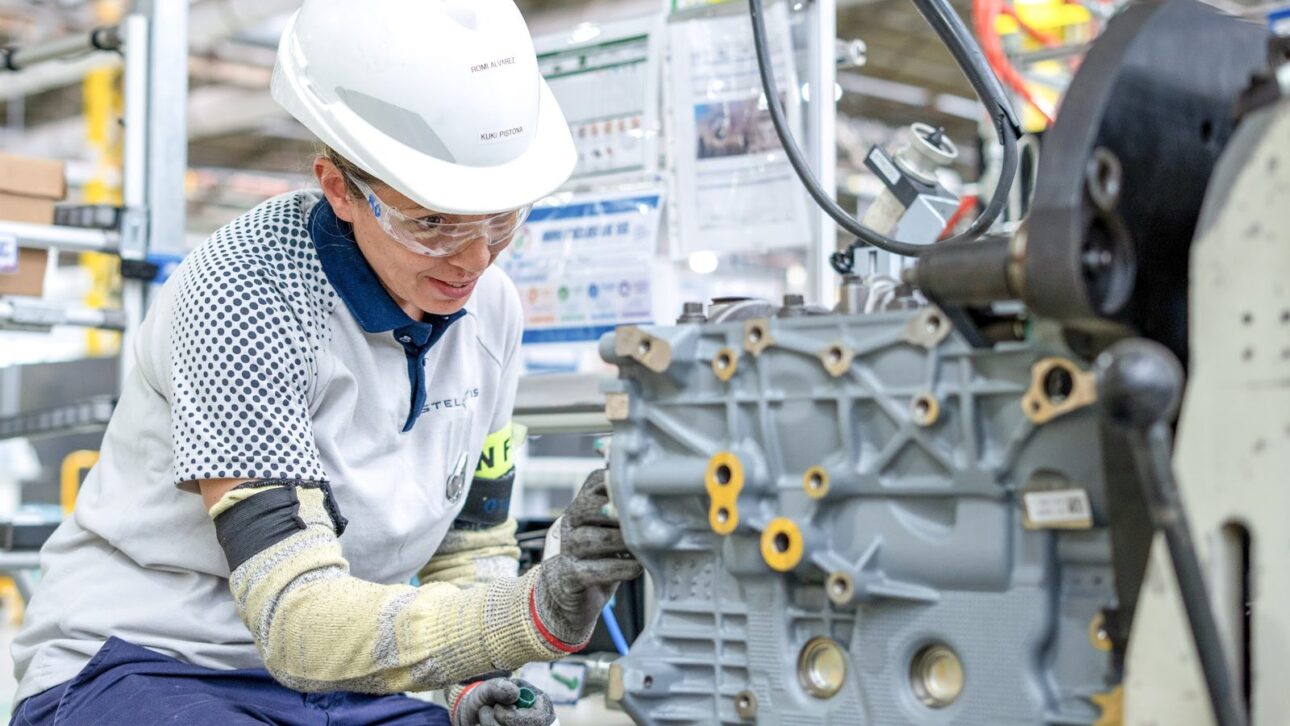
The shipyard is at peak staffing for the projects in its backlog, Búrigo said. About half of the workers are direct employees, while the rest work for partner companies.
The shipyard can employ up to 10,000 people. In practice, that would mean up to 3,000 additional jobs, Tribuna Online reports.
For Seatrium, growth depends on new contracts and how much work each project brings to Brazil.
Where the new jobs could come from
The executive outlined the opportunities that could bring staffing in Aracruz to 10,000. “If we have more projects underway at the same time, if we have decommissioning, other repair units, or even other rebuilding projects, the shipyard has the capacity to reach around 10,000 employees,” he said.
The main opportunity is new Petrobras platforms. Búrigo cited Aracruz’s possible role in producing components for the Búzios 12 and Mero 5 units, for which tenders are expected.
Seatrium also sees potential in projects along Brazil’s Equatorial Margin as exploration advances in the region.
Offshore wind as a long-term opportunity
Another long-term opportunity is offshore wind power. Seatrium already works in the sector overseas and believes Aracruz is equipped to take on these projects with minor modifications.
Building offshore electrical substations is one of the group’s specialties, Tribuna Online reports. Brazil’s offshore wind market still needs further development.
The largest platform module ever made in Brazil
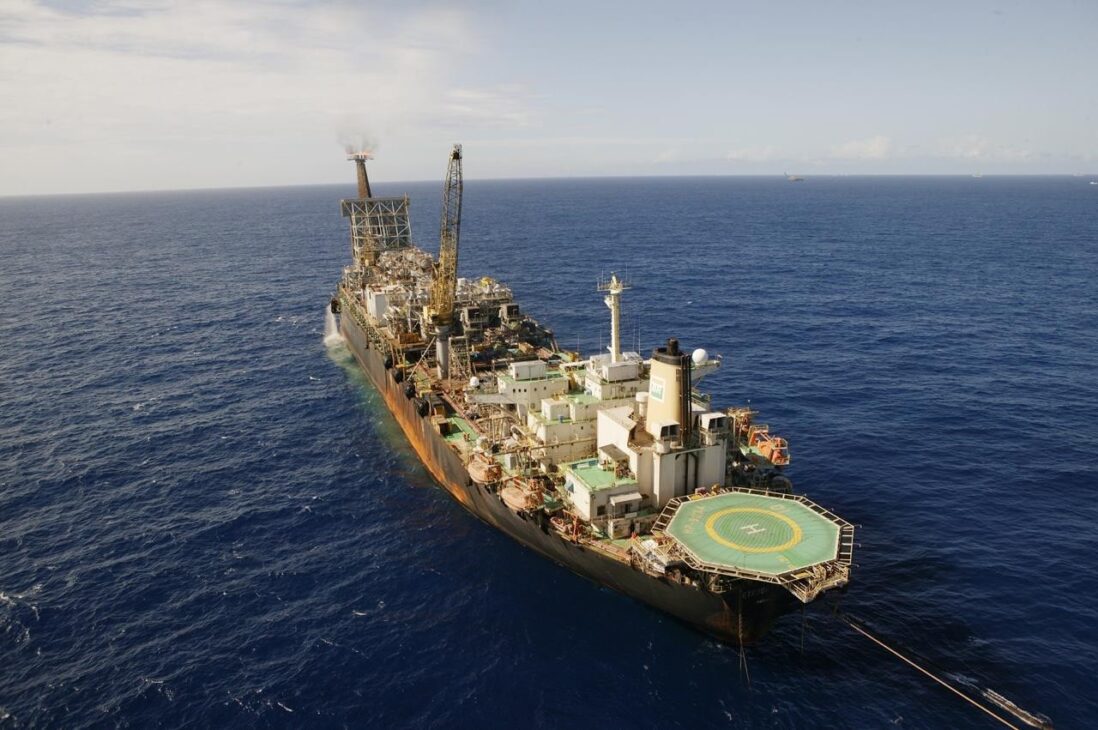
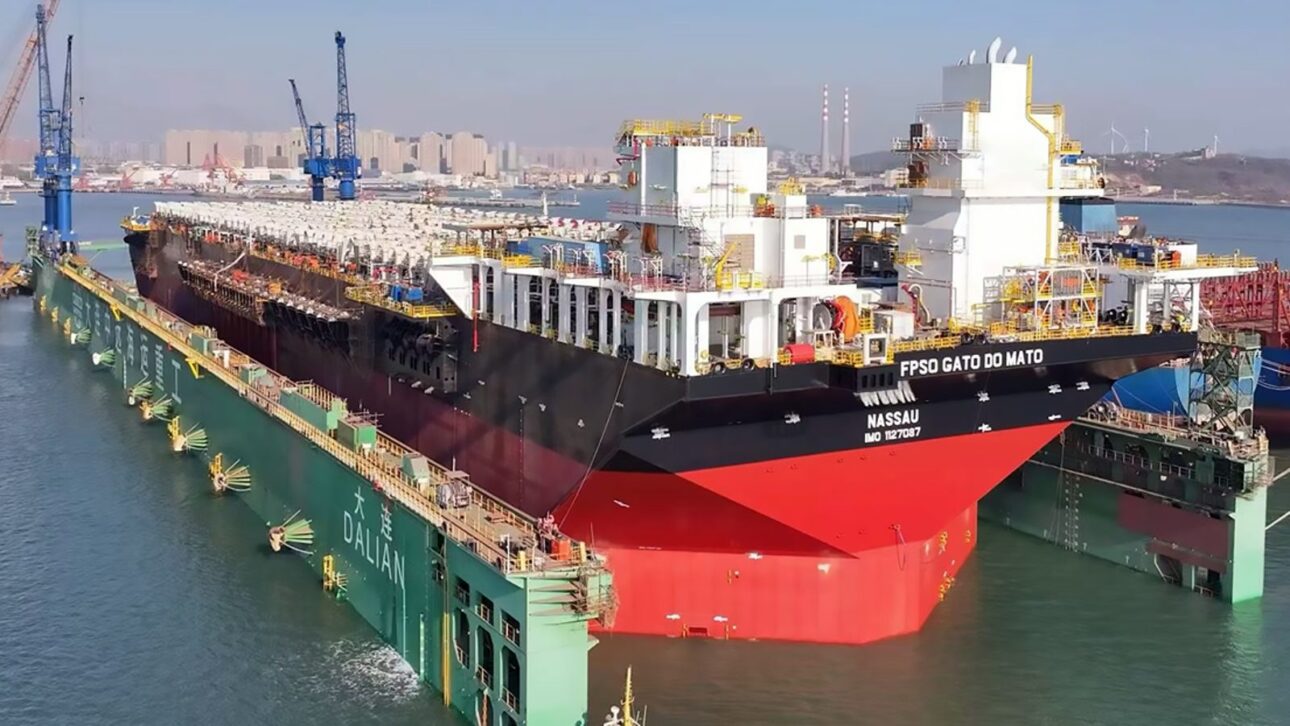
Aracruz is currently building modules for Petrobras’ P-84 and P-85 FPSOs, which are even larger platforms than the P-82. The modules house systems such as gas and water processing equipment.
The largest platform module ever produced in Brazil is being built at the shipyard, Búrigo said. Some modules weigh nearly 5,000 tons.
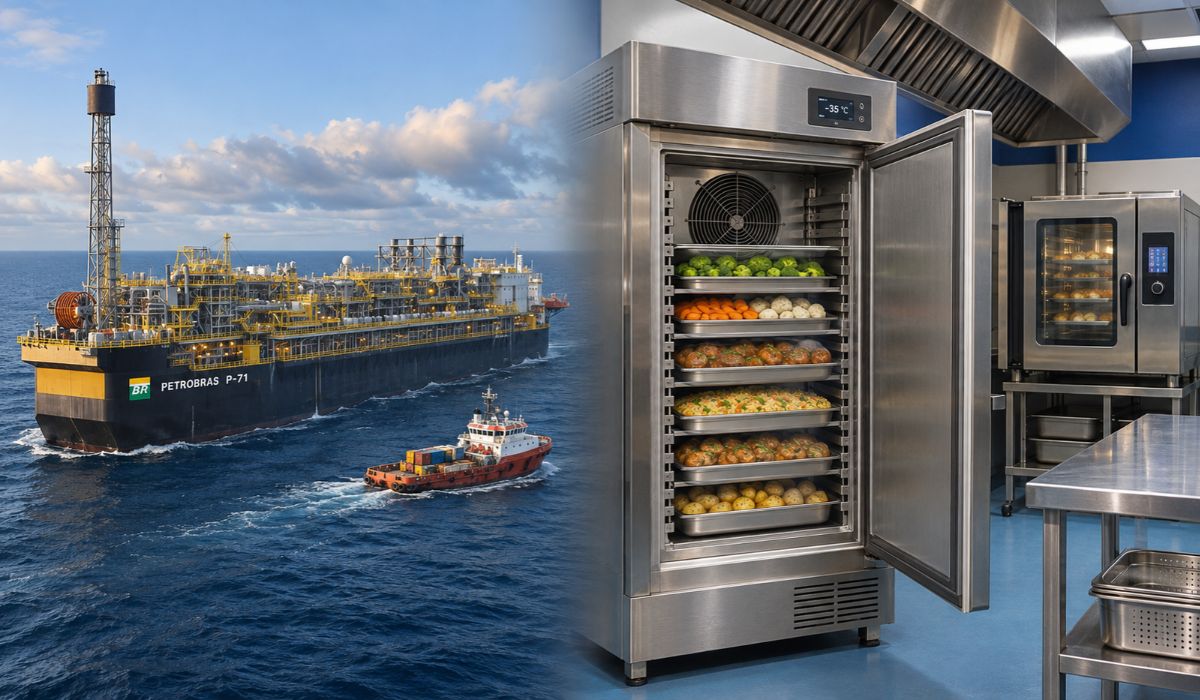
Because of their weight, Seatrium completed final assembly of its most recent projects in Singapore, where greater lifting capacity is available. Búrigo cited the P-71, assembled in Brazil, as an example of how this work could return to the country.
The 3,600-ton crane
The Aracruz shipyard was built from scratch starting in 2012, modeled on the group’s larger shipyard in Singapore but on a smaller scale.
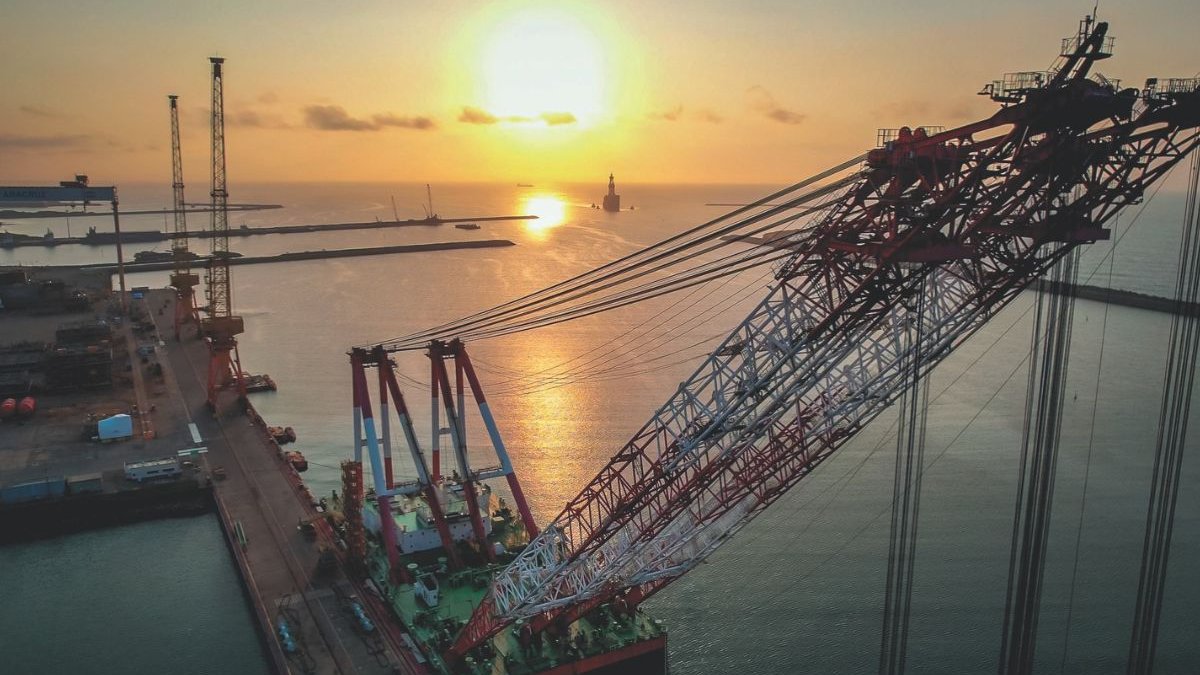
The facility has floating lifting equipment with a capacity of 3,600 tons, which Búrigo described as the largest in Latin America.
Investment and possible expansion
Seatrium has invested more than R$ 8 billion in Brazil across all of its operations in the country, the executive said. The group also has shipyards in Angra dos Reis, in Rio de Janeiro state, and Navegantes, in Santa Catarina state.
“Expanding the Aracruz site is a possibility. The shipyard still has room to expand, but that will depend heavily on the market,” Búrigo said. In 2026, the company installed new machines on its beam line.
What it means for workers in Espírito Santo
The additional 3,000 jobs at Seatrium depend on contracts that have not yet been signed. Petrobras still has to put Búzios 12 and Mero 5 out to tender.
Búrigo emphasized that a steady flow of orders is what prevents the loss of skilled workers and keeps Brazil’s shipbuilding industry competitive.