





 Portuguese
  English
  Spanish
  3 min of reading


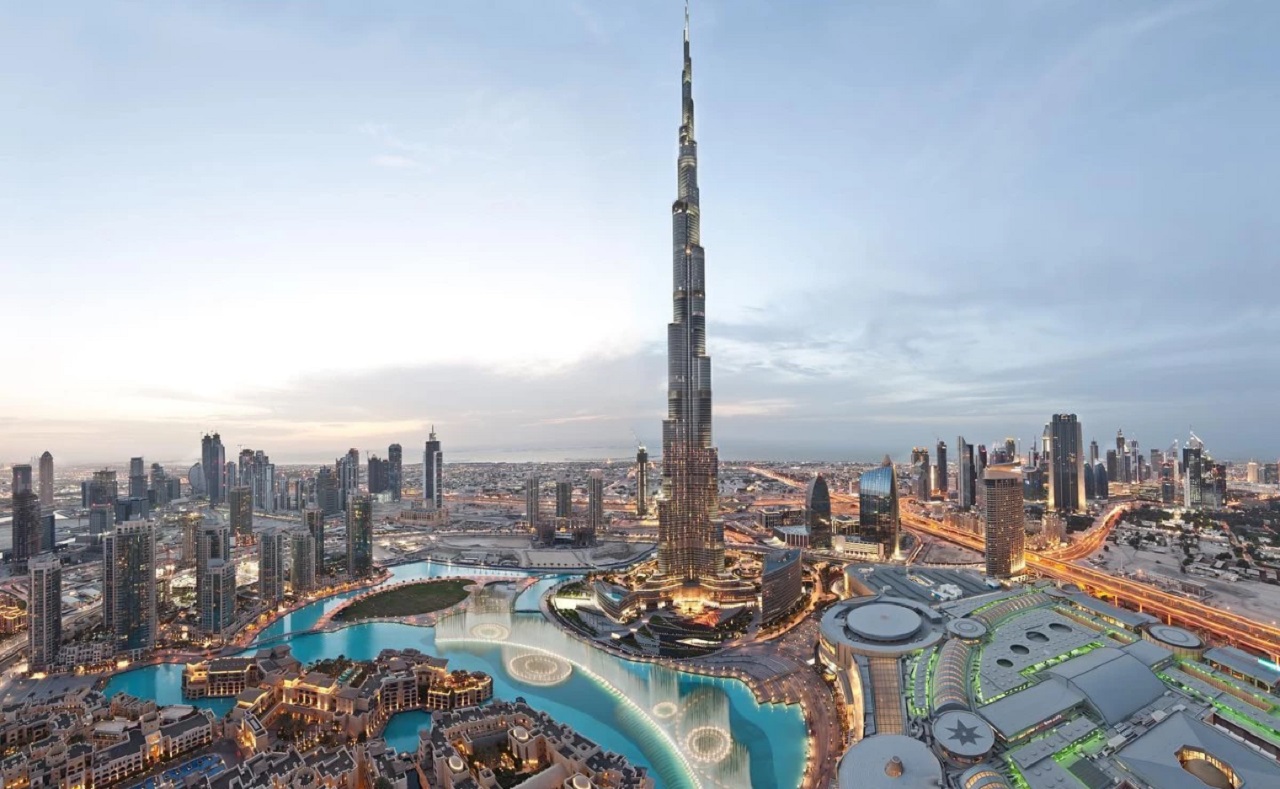
Get To Know The Burj Khalifa, Tallest Building In The World, Built In Dubai. Its 828 Meters High, In The Middle Of The Desert.
The Burj Khalifa Bin Zayed, a development inaugurated in 2010 with a height of 828 meters and 162 floors, is located in the city of Dubai, in the middle of the desert where the ground acts as an unstable carpet of sand. To ensure the stability of the tallest building in the world, the foundation was established as a piece of over 45,000 cubic meters of concrete, weighing more than 110,000 tons, with 192 piles of 1.5 meters in diameter and 43 meters in length each, deeply burying the base of the building in the ground.
Methods That Transformed The Burj Khalifa Into The Greatest Feat Of Modern Engineering
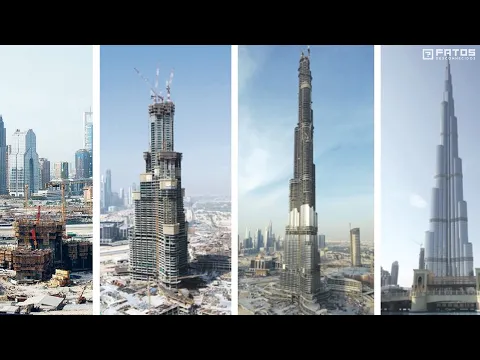

To avoid the dangerous effects of wind on the 162 floors, the solution came from the design itself. Instead of a large flat surface for resistance, the rounded modules contour and manipulate the wind, allowing it to flow safely.
According to the firm Skidmore, Owings and Merrill, where architect Adrian Smith worked, who developed the design alongside engineer William F. Baker, the construction of the tallest building in the world in Dubai, in the United Arab Emirates, required 330,000 cubic meters of concrete and 55,000 tons of steel.
-
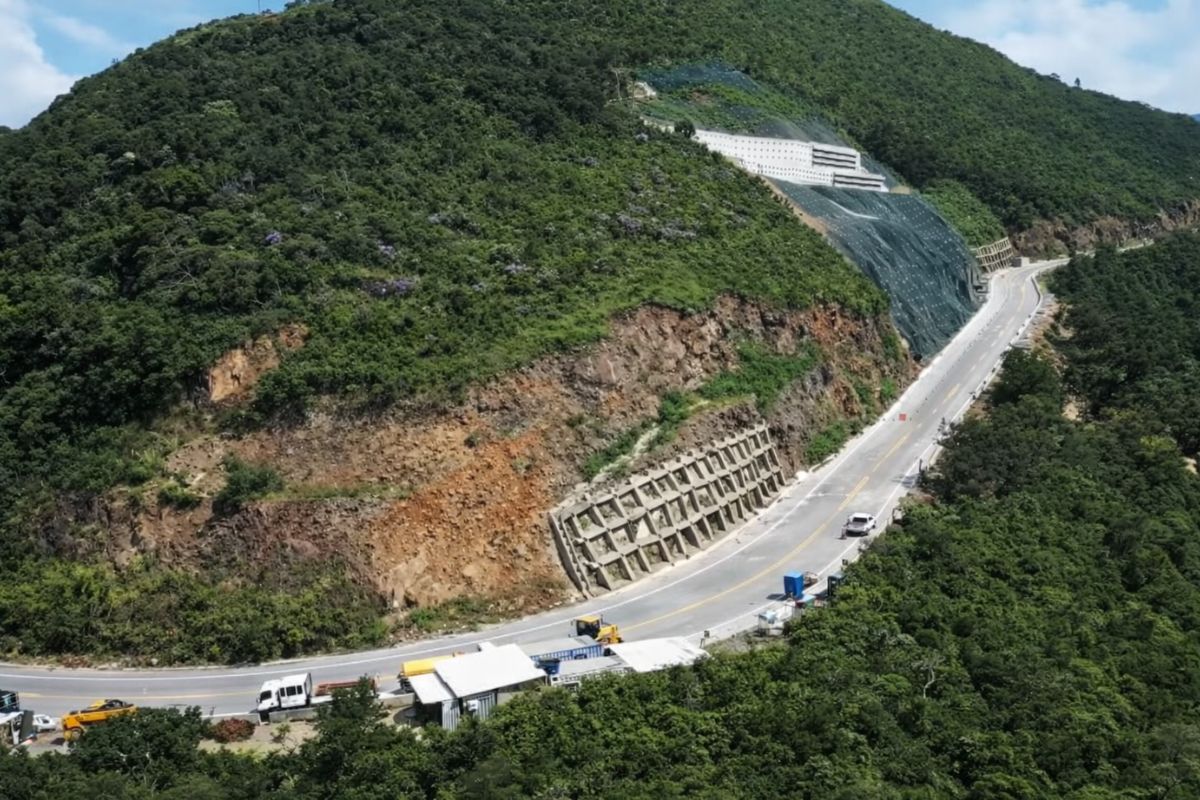
The section of Serra da Rocinha on BR-285 is now open in Timbé do Sul: 50 m tensioned curtains and top-down technique stabilize the slope, with a stairway duct controlling the water.
-
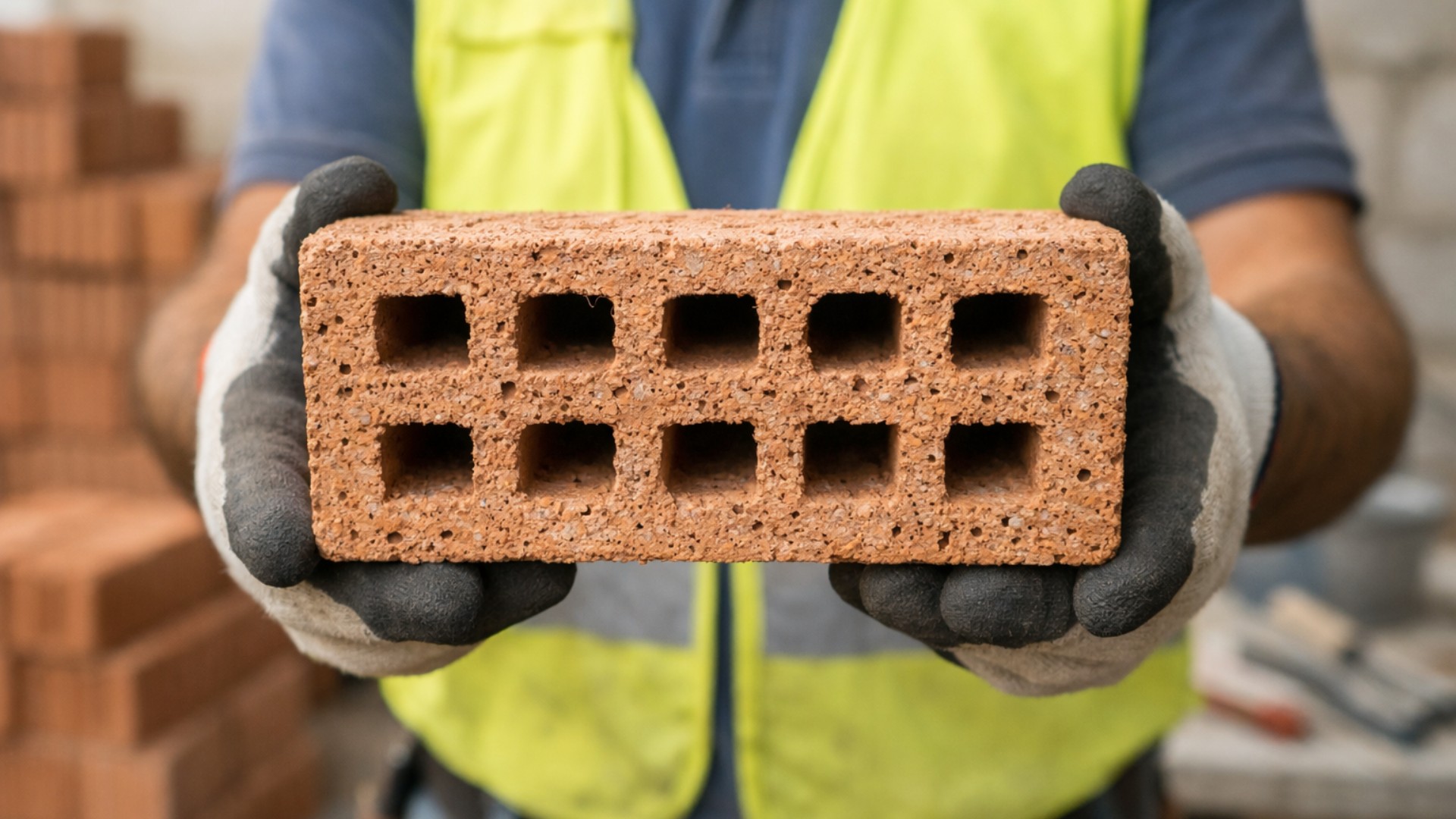
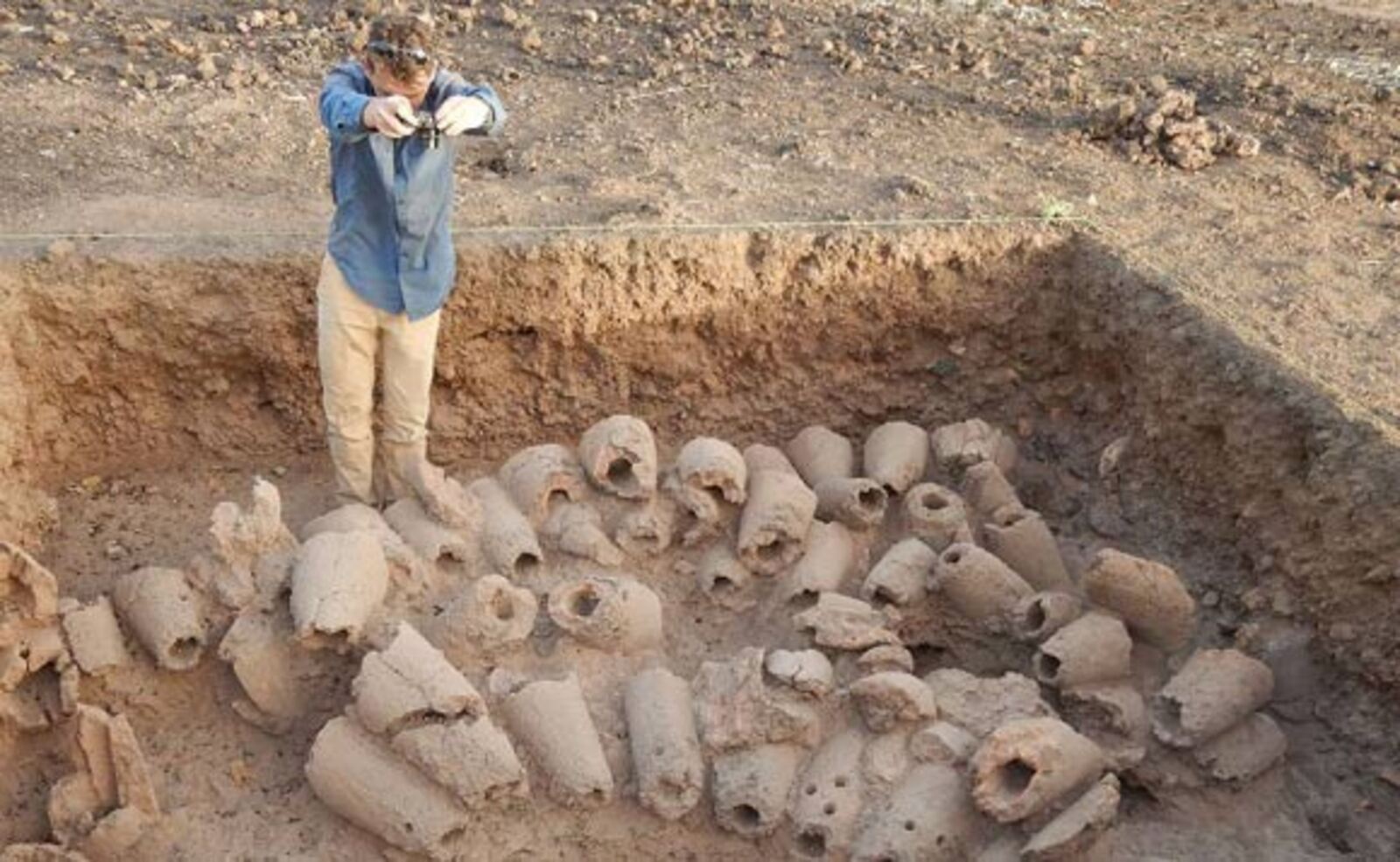
Scientists use sawdust mixed with clay to create a lighter brick, promising efficient thermal insulation and impressing by transforming waste into a solution for construction.
-
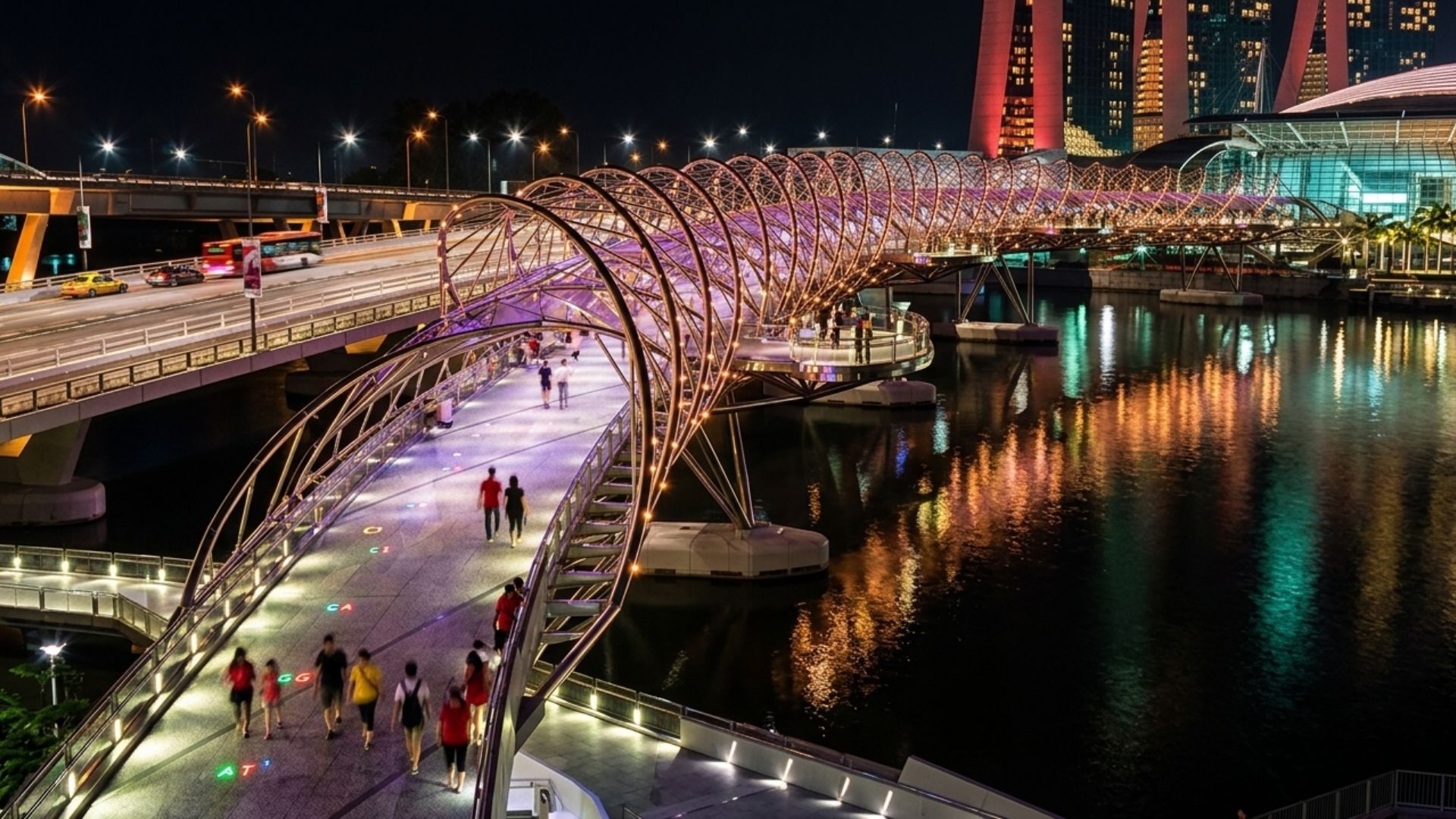
With a DNA shape, this bridge in Singapore draws attention in modern architecture and surprises tourists by transforming a simple crossing into an unforgettable visual experience in the urban heart.
-
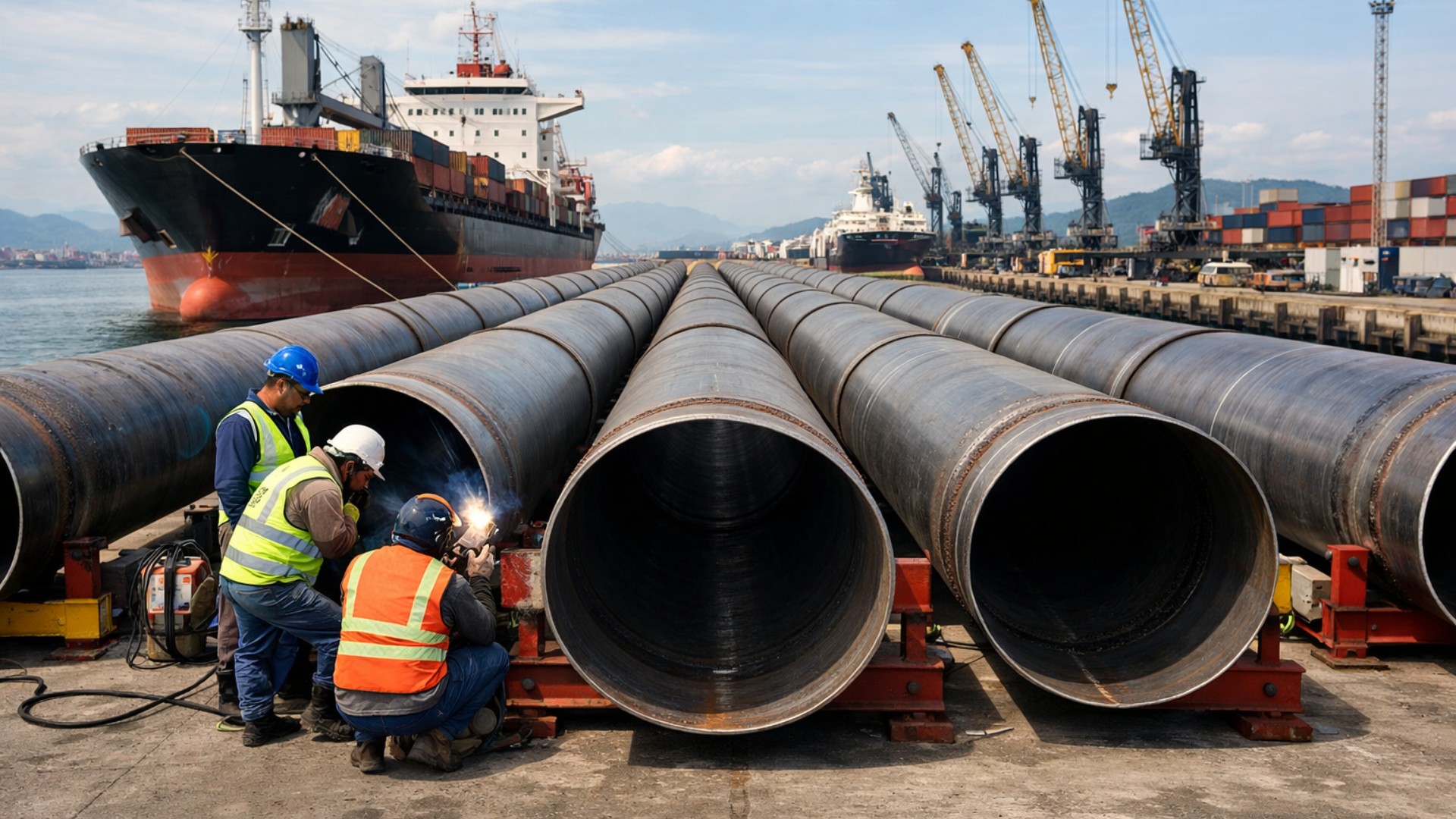
Giant underwater pipeline begins to take shape with a R$ 134.7 million project at the Port of Santos: the 1.7 km structure uses 12-meter and 700 mm pipes to supply water to 450,000 people in Guarujá.

The concrete for the largest building of modern engineering had to be prepared with a special mix to withstand the great weight of the building structure, but not just that. To combat the heat during the construction of the project, which began in 2004, the cement was not poured during the day and, in the summer, it was mixed with ice and kept refrigerated, so it would not dry too quickly and end up cracking. The amount of steel used in the Burj Khalifa would be enough to build a road that extends a quarter of the circumference of the Earth, going from the USA to the Middle East.
Tallest Building In The World Is A Vertical City
The Burj Khalifa Consumes About A Million Liters Of Water Daily and uses energy equivalent to 500,000 100-watt light bulbs, in a building so tall that it allows, from its top, to observe the territory of neighboring countries to the United Arab Emirates, such as Iran and Oman.
To navigate the 162 floors of the tallest building in the world, 49 elevators are needed, which can ascend and descend at a speed of up to 10 meters per second. Thus, it is no wonder that this true wonder of modern engineering in Dubai, in the United Arab Emirates, has received the nickname of vertical city.
The Burj Khalifa is home to several hotels, offices, restaurants, and even residences, as well as observation decks open to the public, to enjoy the incredible view from nearly 900 meters high.
Dubai Development Has An External Power Plant
To combat high temperatures, which can reach 50 °C, in addition to layers upon layers of special glass that reflect sunlight, the tallest building in the world features an external power plant, responsible for its cooling.
In addition to various exit and safety systems, the building provides, every 35 floors, a large pressurized and air-conditioned space where people can take shelter in case of fire or another emergency.
As humans do not recognize limits and are always seeking more, the title of the tallest building in the world held by the Burj Khalifa seems to be numbered, given that the new building Jeddah Tower, which is already under construction in Saudi Arabia, is set to open in 2026, and will be 1 km high.







Seja o primeiro a reagir!