





 Portuguese
  English
  Spanish
  3 min of reading
  0 comments



Defaults By Companies In Argentina Surge With Milei’s Currency Changes. End Of Currency Controls Increases Fundraising Costs And Causes Greatest Wave Of Corporate Defaults Since The Pandemic
According To Bloomberg, President Javier Milei’s recent currency reforms have stabilized the foreign exchange market in Argentina but also resulted in the worst sequence of corporate defaults in Argentina since 2020. The loosening of rules, which eliminated most controls for individuals, increased financing costs and reduced access to credit, pushing several companies into default.
Sector such as energy, agriculture, and manufacturing have already reported delays in bond and loan payments. Since November, eight cases of default have been recorded, according to Moody’s Ratings, including the energy concessionaire Grupo Albanesi, which was already in a delicate financial situation before the changes.
Debt On The Rise And Cash Flow At The Limit
The increase in corporate defaults in Argentina is directly linked to a financing model that has become unviable. Before the current currency policy, companies benefited from dollar-indexed bonds, settled in pesos, ensuring lower rates. With the narrowing of the gap between the official and parallel exchange rates, interest in these securities plummeted, while issuance costs rose.
-
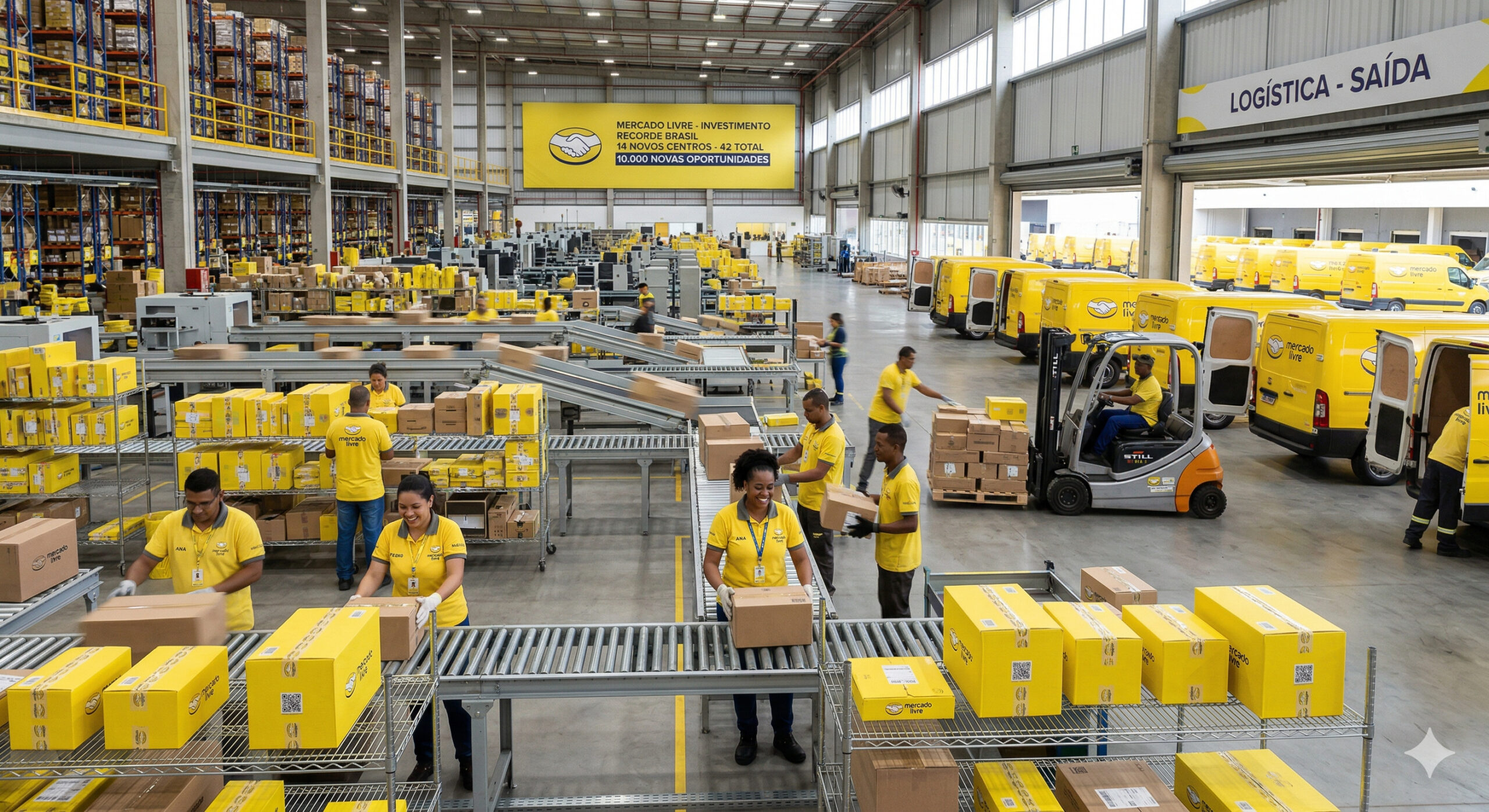
Mercado Livre “opens the vault” and announces a record investment of R$ 57 billion in Brazil in 2026, a value 50% higher than the previous year, with an expansion plan that includes 14 new logistics centers, totaling 42 units in the country and hiring an additional 10,000 employees.
-
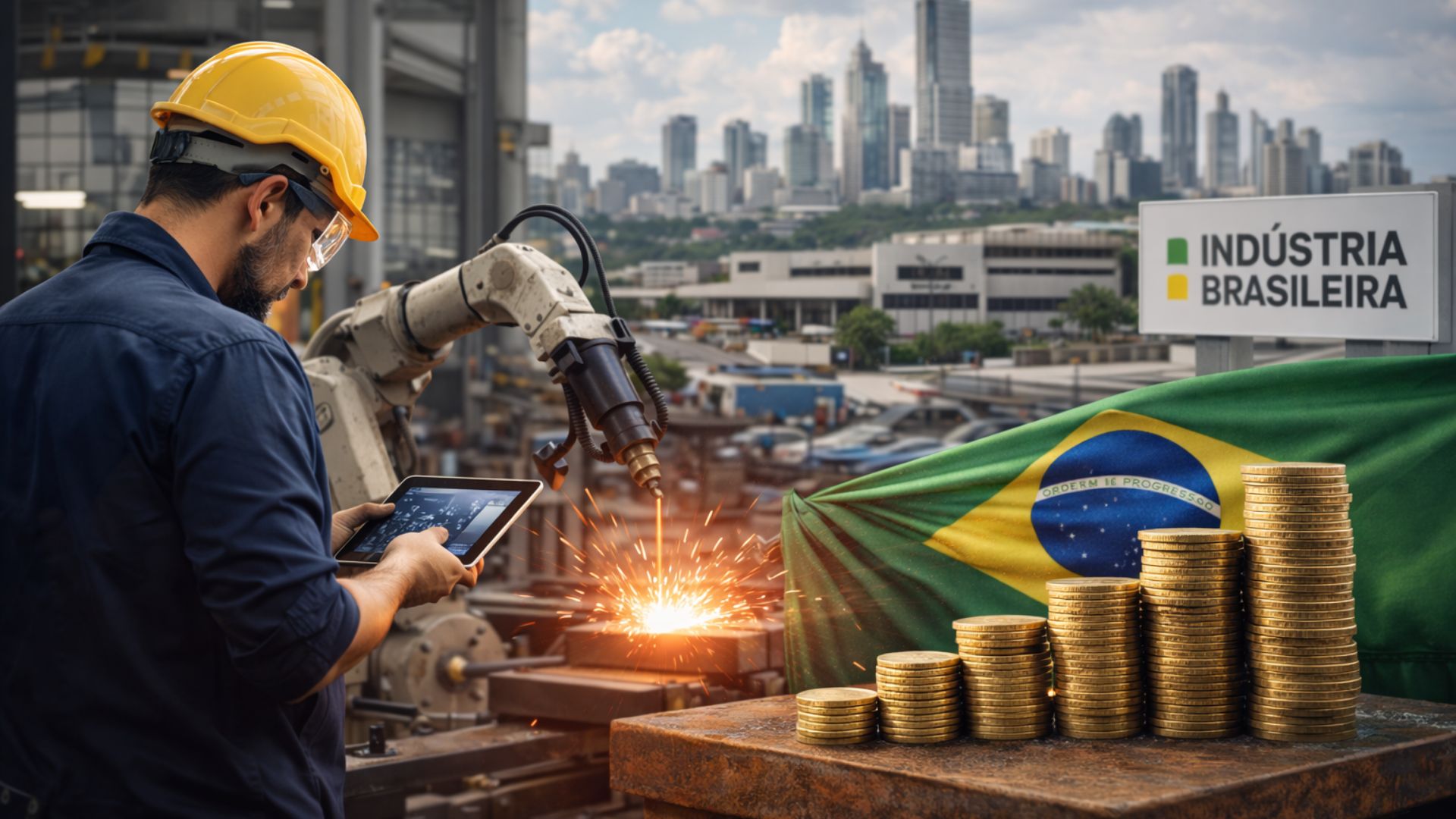
How investment in technology can revolutionize the national economy and enhance industrial gains, according to a study that highlights the direct impact on productivity, innovation, and wealth retention within Brazil.
-
The largest food company on the planet, JBS, has just opened a 4,000 square meter laboratory in Florianópolis to develop customized proteins that modulate muscle mass gain, immune response, and metabolic performance.

-
After nearly 30 bids and competition among industry giants, a Spanish company purchases one of the largest airports in Brazil for almost R$ 3 billion and takes over the management of Galeão in a concession that will last until 2039.


Average interest rates on these bonds jumped from 5% to 11% in a year. This drastically reduced issuance: from US$ 165 million in the first quarter of 2024 to just US$ 2 million in the same period of 2025. Without cheap alternatives, companies are migrating to dollar-denominated bonds, which maintain interest rates close to 6% but require more robust repayment capacity.
Most Affected Sectors And Risks Ahead
Agribusiness, electricity, and manufacturing are the segments most impacted by the new policy. The rising cost of credit and the appreciation of the peso compressed profit margins, increased costs, and reduced competitiveness against imports. For medium and small enterprises, the situation is even more critical, as access to local financing has dried up.
According To José Antonio Molino of Moody’s Argentina, refinancing risks will remain high in the next 12 to 18 months, due to low liquidity in the domestic market. Many companies are already renegotiating debts or turning to shareholders to inject capital and avoid formal default.
Economic Outlook
Although Milei argues that part of this scenario is part of a “creative destruction” to restructure the economy, elevated defaults raise concerns. Analysts say that if there is no improvement in the cash flow of companies, the number of corporate defaults in Argentina may grow, complicating economic recovery and scaring off new investments.
And you? Do you believe this strategy by Milei will strengthen the economy in the long term or will defaults hinder Argentina’s recovery? Leave your opinion in the comments.









-

-

3 pessoas reagiram a isso.