





 Portuguese
  English
  Spanish
  4 min of reading


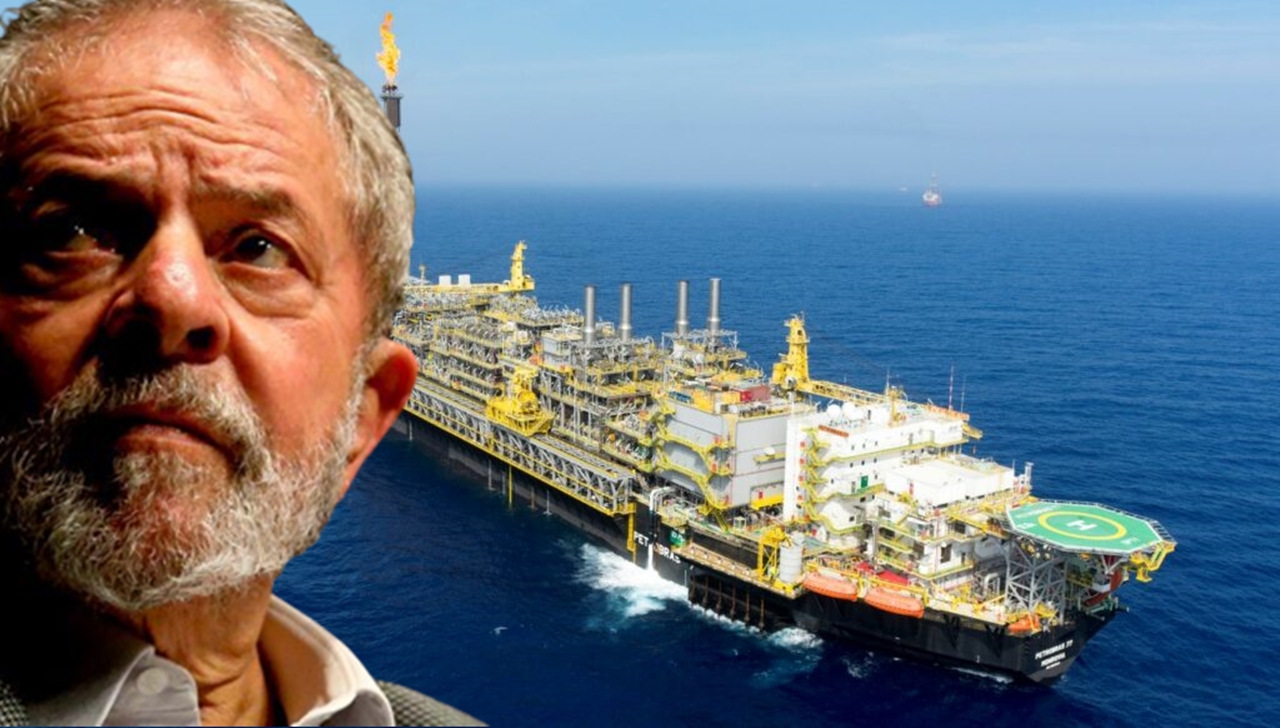
Since the Collapse of the Naval Sector in Brazil Due to Corruption Scandals, Petrobras Decided to Order Oil Rigs and Ships Among Other Equipment from the Asian Continent.
At least 14 oil rigs are expected to be put into operation by Petrobras in the Campos Basin, between the northern coast of Rio de Janeiro and the southern coast of Espírito Santo, and in Santos, São Paulo, by the year 2026. Out of all these rigs, 10 were ordered from abroad, with 7 in China, 2 in Singapore, and 1 in South Korea. Lula
The transfer of oil rig constructions is part of the current government’s policy, which aims for autonomy and non-interference in the company’s administrative guidelines. This has always drawn criticism, as deciding to reduce the local content effectively hindered the generation of new jobs in Brazil’s shipbuilding industry, given that orders for oil rigs in Asia are much cheaper. According to a survey by the Institute of Strategic Studies in Oil, Natural Gas, and Biofuels (Ineep), each billion invested in the construction of a new rig can generate 26,300 jobs.
The FPSO Maria Quitéria, expected to operate by the end of 2024 in the Espírito Santo area of the Campos Basin, with a production capacity of 100,000 barrels of oil and five million cubic meters of natural gas per day, has an estimated investment of R$ 5.6 billion, generating over 148,000 jobs in Asia. This is the most anticipated project for the Espírito Santo region. Lula
-
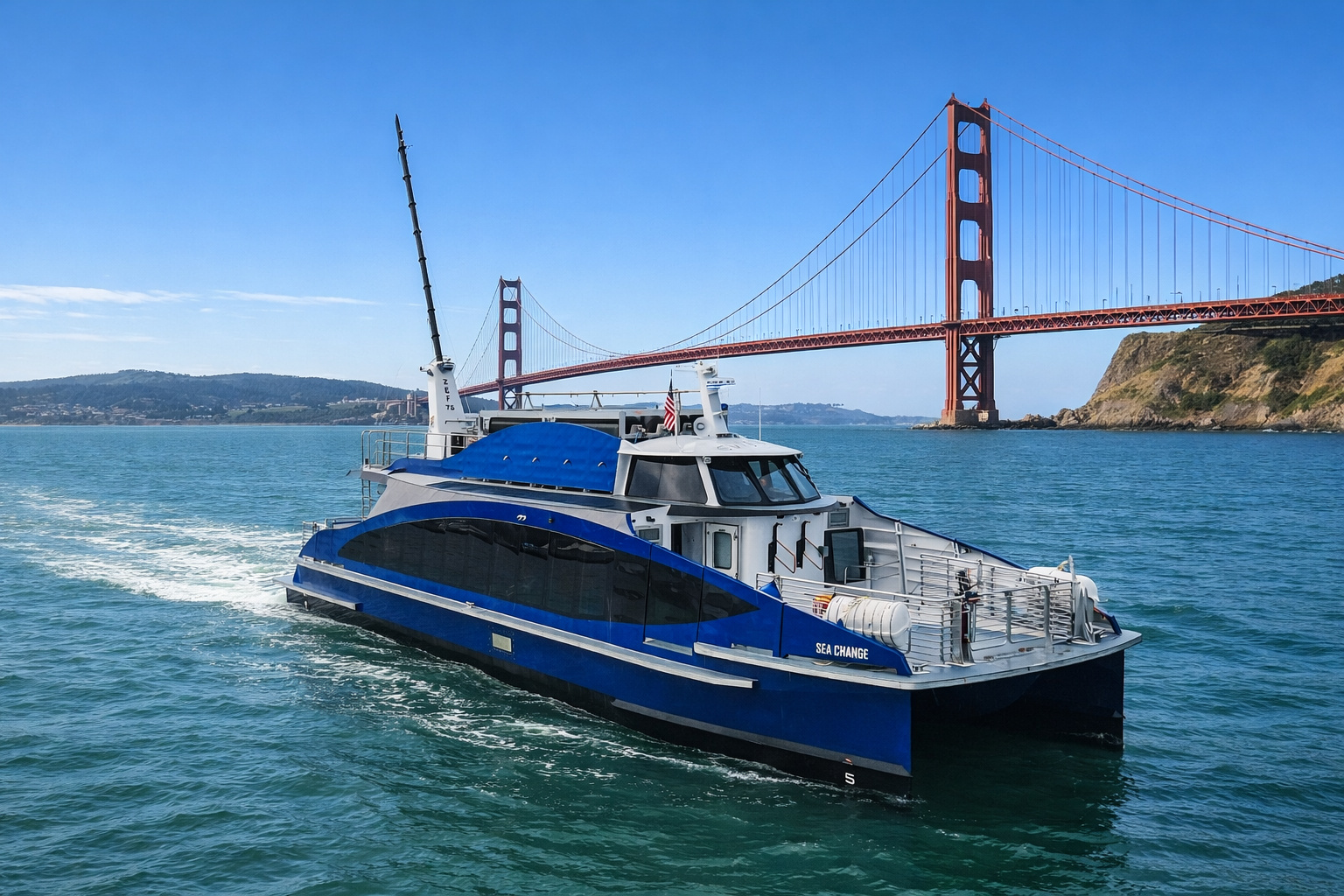
The first commercial hydrogen-powered ferry enters operation in the U.S., eliminates the use of diesel, uses fuel cells to generate clean energy on board, and transforms San Francisco Bay into a landmark of the new era of emission-free navigation.
-
IPTU exemption for seniors in 2026: see how to secure the benefit.

-
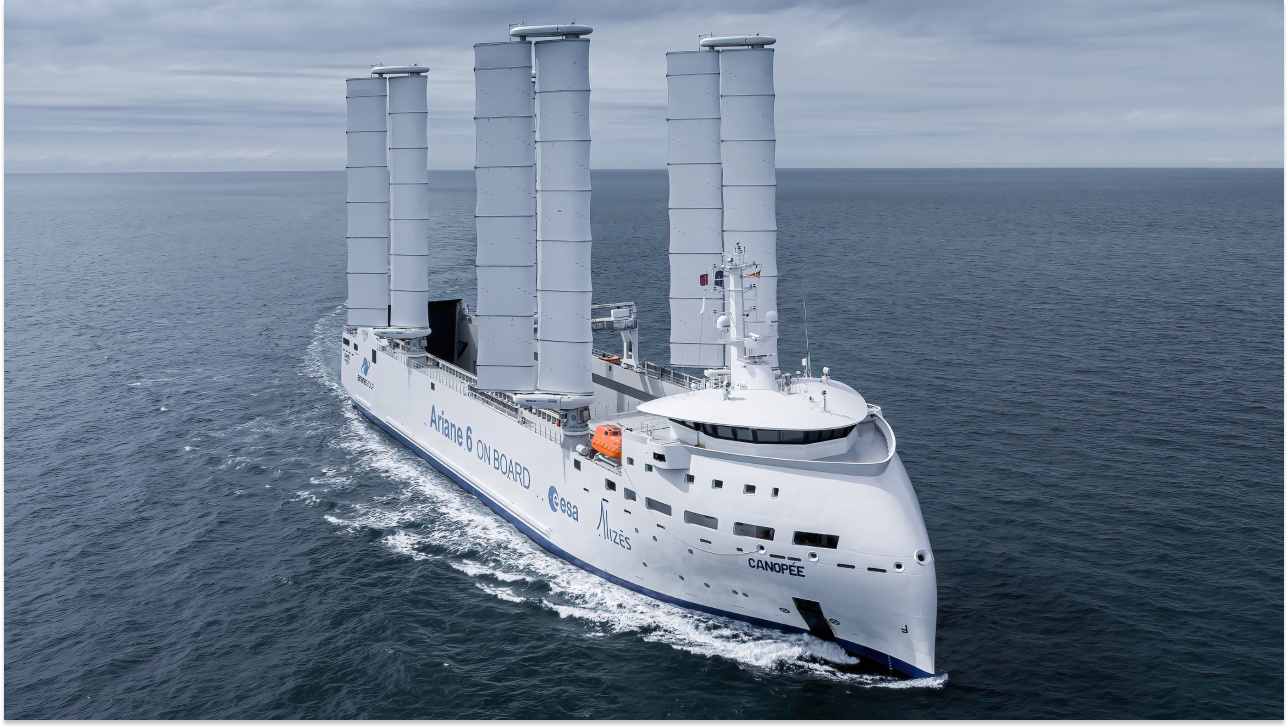
With a length of 121 meters and four rigid sails of 36 meters that automatically rotate to capture the wind, Canopée is the world’s first hybrid industrial cargo ship powered by wind, used to transport rockets and reduce fuel consumption by up to 30% on transoceanic routes.
-
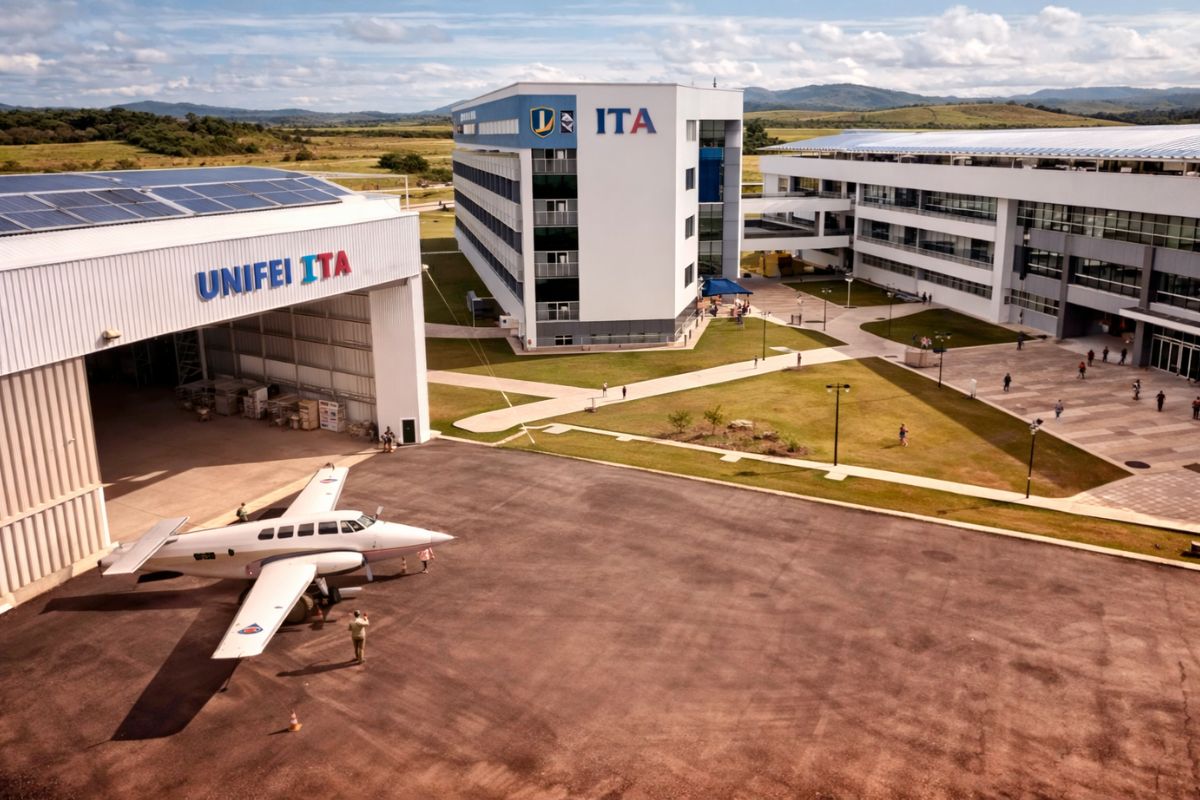
The institute that trained the greatest aerospace engineers in Brazil has just opened its first campus outside São Paulo after 75 years: ITA Ceará will have R$ 445 million, new courses in energy and systems, and classes are expected to start in 2027.

It is a fact that the corruption scandals revealed by Operation Car Wash caused the naval industry in Brazil to sink. Until 2015, the sector celebrated billion-dollar orders. Now, Brazil faces a contraction that contributes to the high unemployment rate in the country, amounting to over 10 million people.
Brazilian shipyards currently employ about 21,400 workers, far from the peak of 2014 when there were more than 82,400 employees, according to statistics from the National Union of Shipbuilding and Offshore Repair Industry (Sinaval).
What to Do for Brazil to Return to the Height of Naval Production?
This year of presidential elections, one of the main political battle topics was the price of fuels in Brazil. Gasoline, the most widely used petroleum-derived fuel in the country, reached R$ 7.39 per liter by the end of June. Starting in July, prices fell by 8.4% year-to-date. This led society to question whether if Lula were elected in 2022, the Comperj refinery project by Petrobras could be resumed or not.
Regarding the naval sector, little has been said. For Brazilian oil workers, the way for the naval industry to revive strongly is the resumption of national production. That is, it is necessary for orders of oil rigs and other industrial equipment to happen in the Brazilian market.
Therefore, the next president of Brazil must work so that Petrobras returns to having a policy of supporting the local industry and make changes in its corporate strategy. This way, the state-owned company would broaden its effective contribution to the economic development of the country.
The question is who would be willing to work on this? Bolsonaro, who in recent years preferred not to intervene in Petrobras’ administrative policies and let it order rigs from the East based on possible costs that the state-owned company could incur, or Lula, who carries discredit from part of the business community in the sector?
Resumption of Orders is a Demand from the Category
The Unified Federation of Oil Workers (FUP) presented to the Lula-Alckmin slate its proposal for the resumption of orders for the naval sector in the Brazilian market.
Among the category’s proposals are changes in Petrobras’ corporate strategy and its relationship with the private sector, especially in areas where its departure has increased the fragility of the national productive park due to Petrobras’ exit from participations.
“The energy sector involves not only the Oil and Gas (O&G) industry but a wide range of industries whose income is tied to this segment. This means that specific policies for exploration and production, refining, gas, and renewables must undergo transformations to deal with numerous challenges like the destruction of local clusters with Petrobras’ exit; the de-verticalization of productive chains; rising fuel prices; and dependence on imports, among others,” highlights the general coordinator of FUP, Deyvid Bacelar.









Seja o primeiro a reagir!