





 Portuguese
  English
  Spanish
  4 min of reading
  132 comments


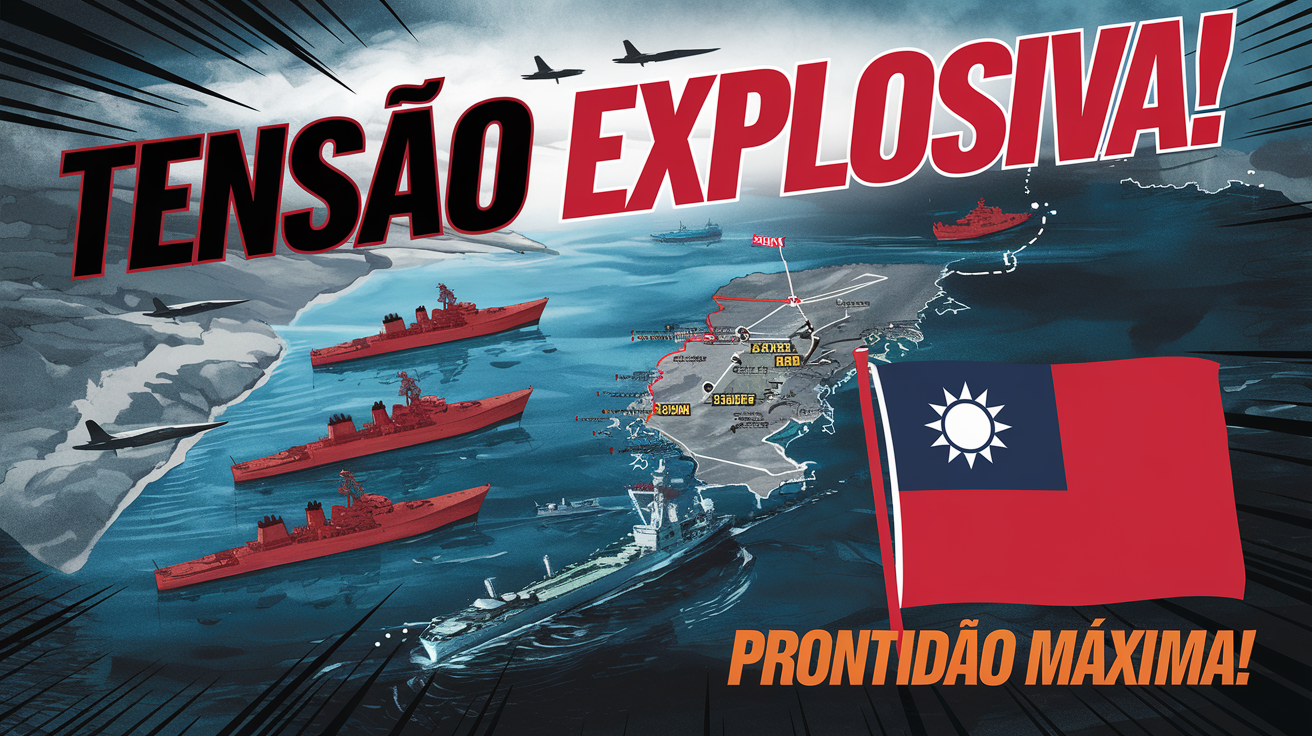


China Intensifies Military Actions in the Taiwan Strait With 90 Ships and Air Maneuvers, Increasing Global Tension. Taiwan Responds by Activating Its Highest Alert and Mobilizing Armed Forces. This Confrontation Threatens the Stability of the Indo-Pacific and Places the World on Alert for Possible Economic and Political Consequences on a Large Scale.
The Taiwan Strait is once again the epicenter of geopolitical tensions in Asia, with China mobilizing a vast military operation.
The current scenario reflects a clear strategy of intimidation, while Taiwan maintains its strong position in defense of its sovereignty.
The unfolding of these military actions puts the stability of the Indo-Pacific at risk, while global allies watch closely.
-
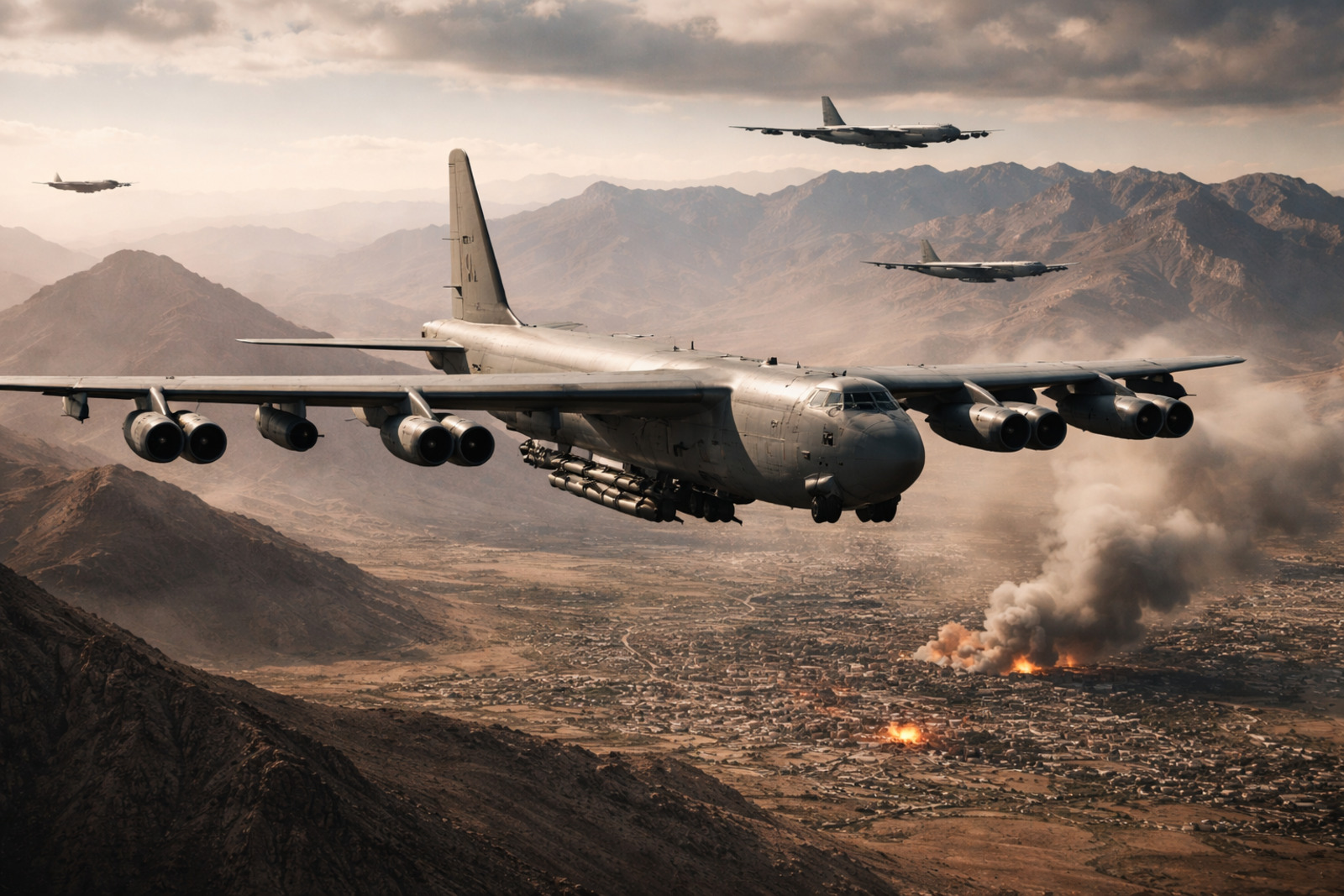
The USA is “filling” the skies of Iran with B-52 bombers just to show that they have “annihilated” the enemy air forces.
-
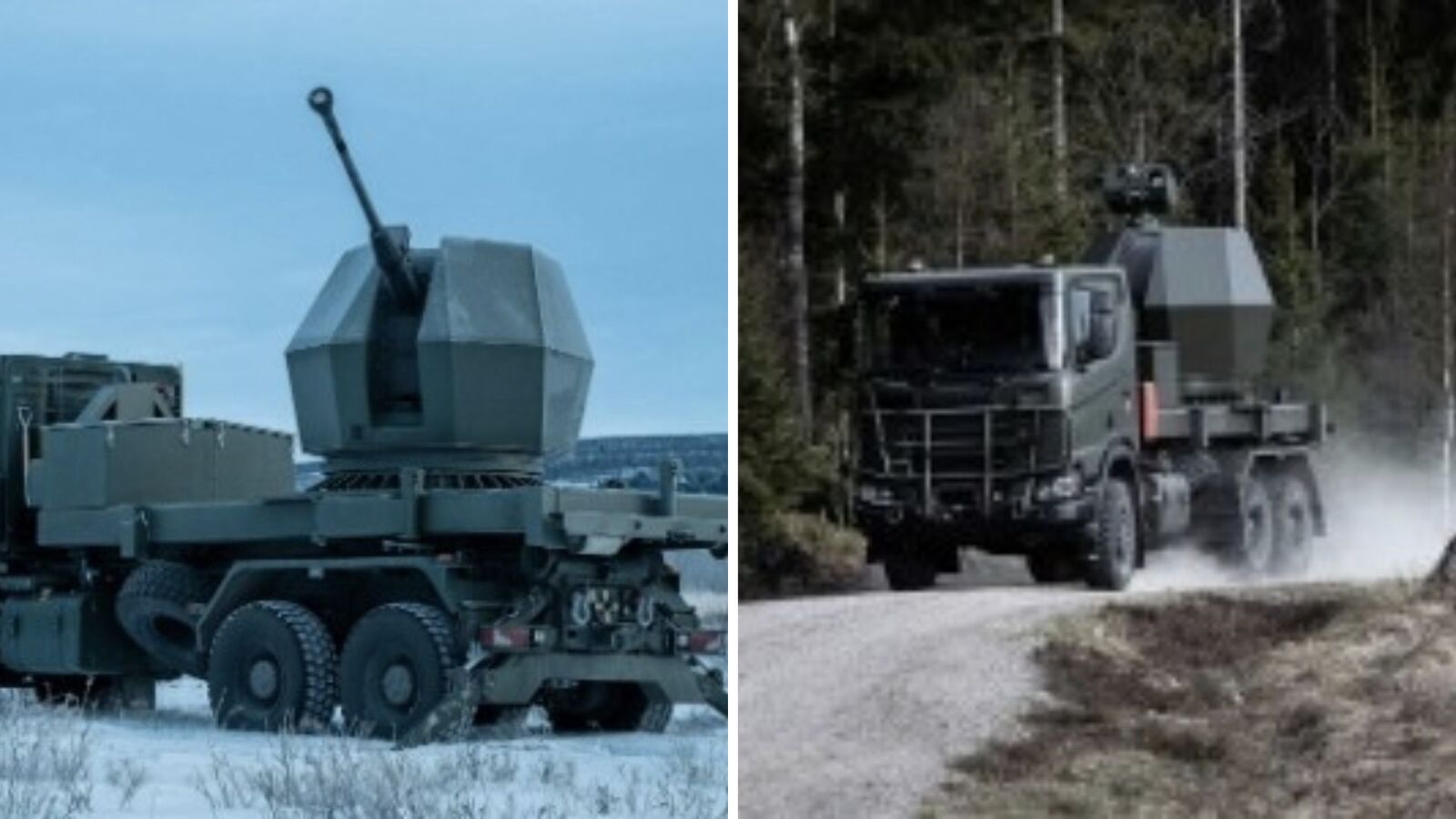
Mounted on a truck, this super 40 mm anti-aircraft cannon faces everything, taking down drones, cruise missiles, aircraft, and can even hit armored vehicles up to 12 km away with mastery.
-
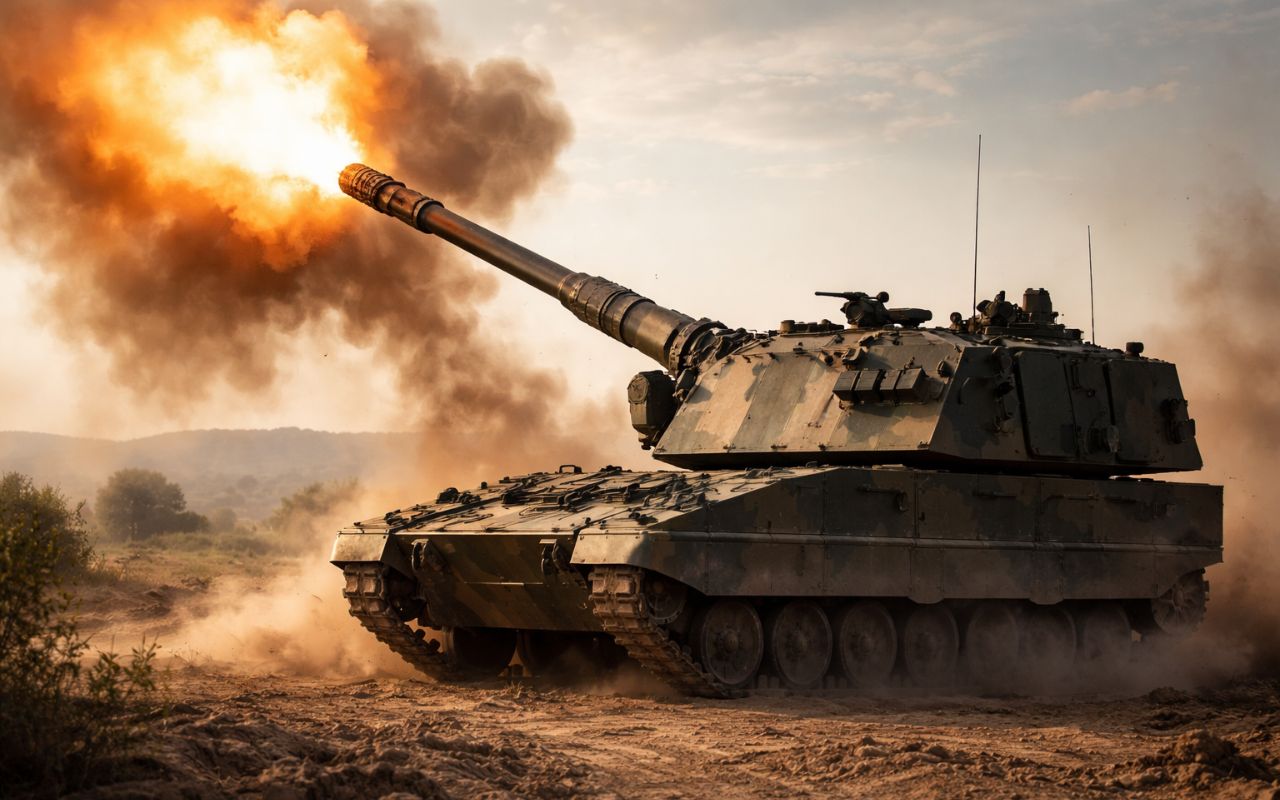
The German “steel monster” weighing 55 tons fires up to 10 projectiles per minute at over 40 km and avoids counterattacks on the battlefield by moving quickly to escape enemy attacks; meet the Panzerhaubitze 2000.
-
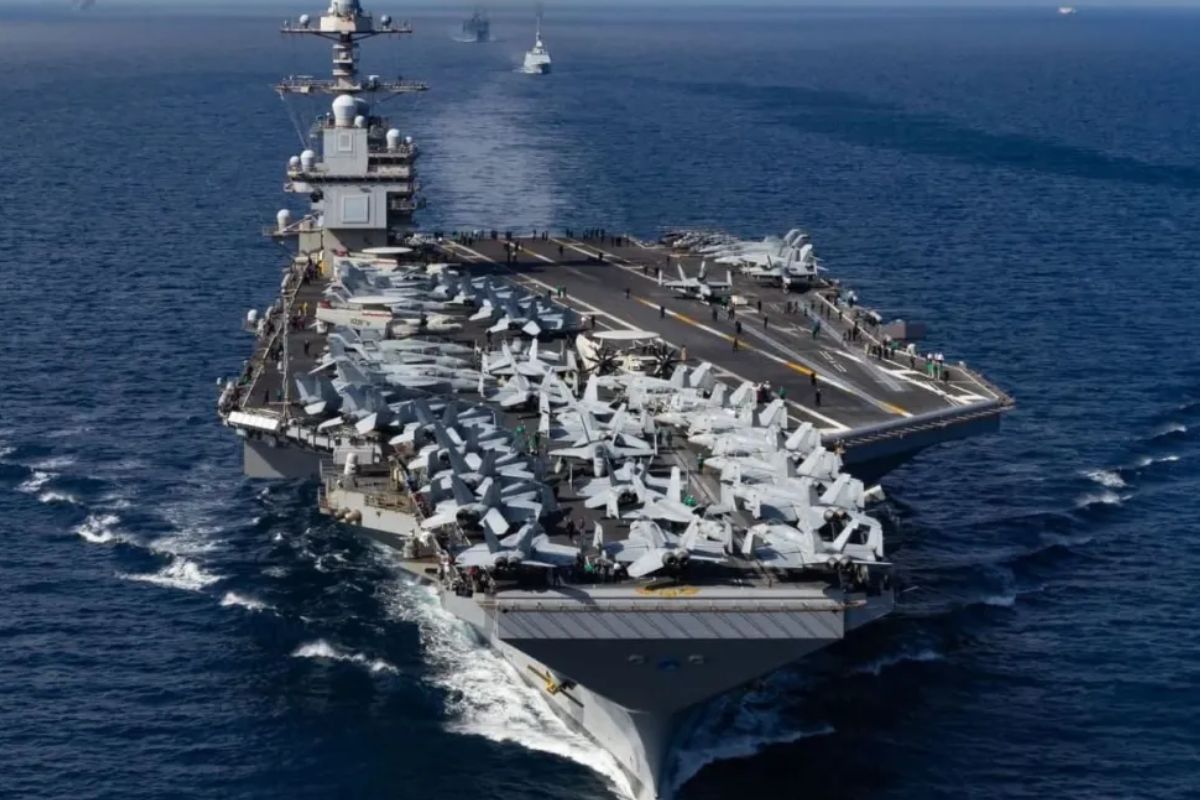
USS Gerald R. Ford, the largest aircraft carrier in the world, returns to sea after a fire in the laundry in the Red Sea; repaired in Crete, it resumes missions of Operation Epic Fury against Iran.

But what is behind these movements? What is the impact on regional and global politics? Understand the complexity of the conflict involving two of the largest Asian powers.
A Military Exercise That Tests Limits
Since Monday (9), China has begun large-scale military maneuvers dubbed Joint Sword-2024B. These actions include warships, aircraft, and missile units, in a show of force that surrounds Taiwan on multiple fronts.
About 90 Chinese vessels, including Navy and Coast Guard ships, are operating in areas near the Taiwan Strait, south of Japan, and in the South China Sea, according to security sources.
Taiwanese authorities claim these are the largest military operations conducted by China in the region this year, surpassing previous exercises in April and May.
According to the Chinese government, the maneuvers are a direct response to Taiwan’s President Lai Ching-te’s visit to the Pacific, which included stops in the United States, a move Beijing labeled as “separatist provocation.”
The Strategic Role of Reserved Air Zones
Beijing announced the creation of seven reserved airspace zones over areas near the provinces of Fujian and Zhejiang.
These zones, valid until September 11, have been designated for specific military actions. Although they are formally regulated under international law, the strategic use of these areas raises concerns among analysts.
These zones limit commercial air traffic and simulate an air blockade around Taiwan. For Taipei, this represents an attempt to economically choke the island.
On the other hand, Beijing argues that the exercises test the combat readiness of its armed forces.
Taiwan Responds With Highest Alert
In light of the scale and complexity of the Chinese maneuvers, Taiwan has placed its armed forces on high alert, mobilizing Navy vessels and aircraft to monitor Chinese movements.
Taiwanese authorities declared that they are prepared to respond to any escalation threatening their sovereignty.
Furthermore, the island’s political leadership, represented by President Lai, reaffirmed that only the people of Taiwan can decide their future.
According to Lai, independence is a matter that transcends Beijing’s threats, and Taiwan will continue to fight to maintain its democracy.
The United States and the Strategic Dilemma
The United States, Taiwan’s main ally, maintains its policy of “strategic ambiguity” regarding the island’s defense.
Although Washington does not officially recognize Taiwan’s independence, it provides significant military and political support.
The cautious response from the U.S. contrasts with Beijing’s rhetoric, which accuses the country of fostering Taiwanese separatism.
For many analysts, U.S. involvement in the Taiwan Strait is essential to maintaining the balance of power in the Indo-Pacific.
However, the lack of an immediate response from Washington to the Chinese military maneuvers raises questions about American willingness to act in a scenario of direct escalation.
Regional and Global Impacts
The crisis surrounding Taiwan does not only affect the parties directly involved. Countries like Japan and the Philippines, which have territorial disputes and depend on regional stability, have expressed concern over the intensification of Chinese military activities.
The United Nations (UN) has also highlighted the risks of escalation in the Indo-Pacific. According to experts, the Taiwan Strait is one of the world’s most important maritime routes, responsible for about 40% of global trade.
The economic impact is already visible: the volatility index in Asian markets has risen considerably, while Taiwan’s exports face delays due to restrictions imposed by the reserved airspace zones.
The Use of “Gray Zone” Tactics
In recent years, China has adopted “gray zone” tactics to pressure Taiwan. These actions include frequent air incursions into Taiwanese airspace, aggressive maritime patrols, and misinformation campaigns.
According to Taiwan’s Ministry of Defense, these tactics aim to wear down local defense forces without crossing the threshold into direct armed conflict. The recent military maneuvers are seen as an escalation of this strategy.
What Is at Stake?
At the center of the dispute is the question of Taiwan’s sovereignty. For Beijing, the island is part of Chinese territory and must be reunified, preferably peacefully, but without ruling out the use of force. For Taipei, Taiwan is a sovereign nation, and any decision about its future must be made by its inhabitants.
The issue is even more complex due to the role of the United States. As the world’s largest economy and China’s strategic rival, the U.S. has a direct interest in preventing Beijing from expanding its influence in the Indo-Pacific.
But what would be the cost of a direct military confrontation? Experts assess that a conflict in the Taiwan Strait could result in devastating consequences for the global economy and regional security.
The Taiwan Strait remains one of the most volatile points in global geopolitics. As China and Taiwan continue on a collision course, the international community strives to mediate a dialogue that seems increasingly distant.
Is it possible to find a peaceful solution to this historical dispute, or are we on the brink of a large-scale conflict?






Ainda bem que os comentários não são de governantes, Senão o mundo já estaria na quarta guerra mundial…
Ê, porque a terceira parece que já está em desenvolvimento embrionário mundo afora…
Assunto pertinente ao momento mundial, bem escrito. Parabéns
Simples assim:
Jeremias 10:23
Não cabe ao homem nem mesmo dirigir os seus passos.
Eclesiaste 8:9
homem domina homem para o seu prejuízo