





 Portuguese
  English
  Spanish
  4 min of reading
  0 comments


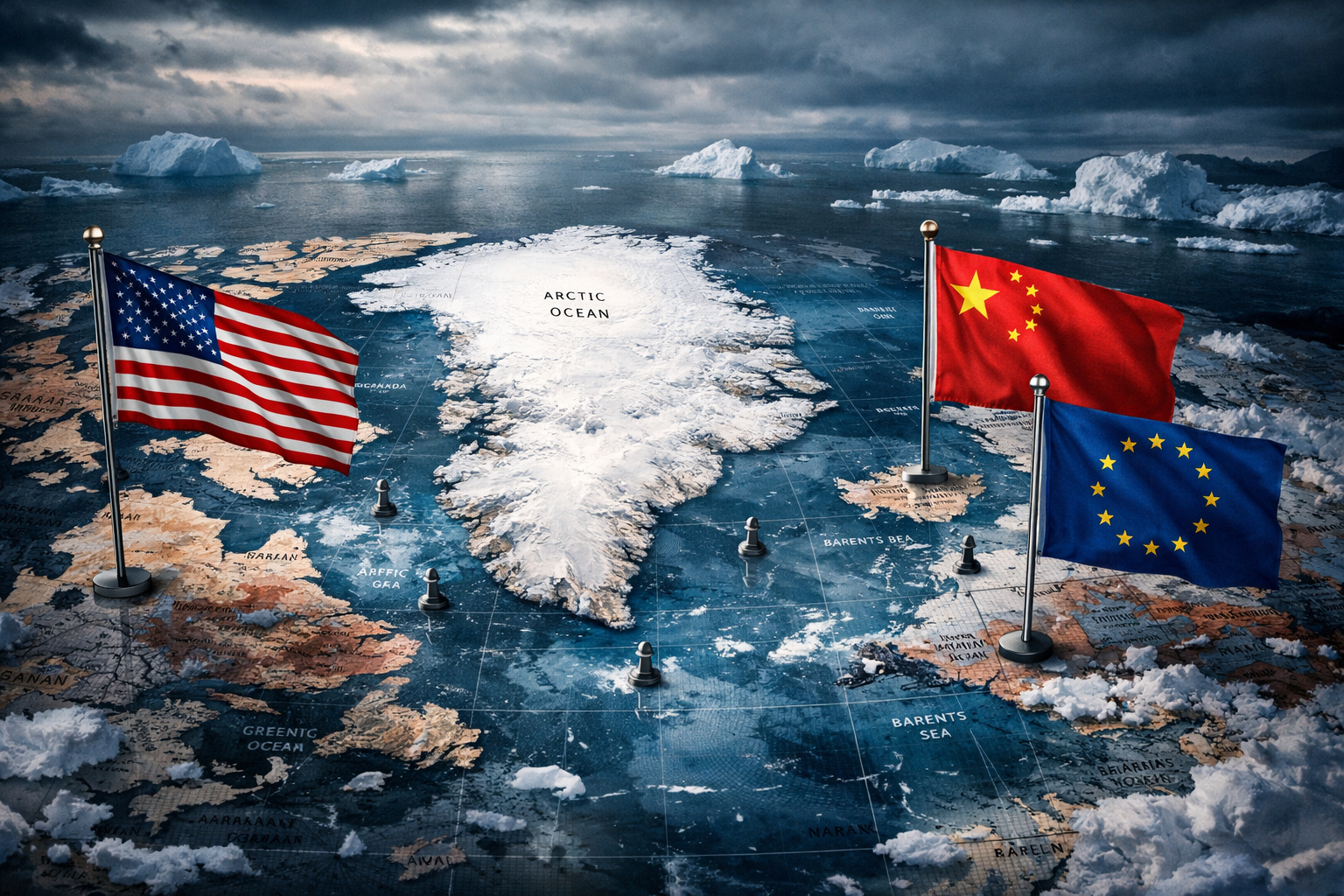
Amid Tariffs, Diplomatic Pressures, and Tensions in the Arctic, Beijing Challenges the US Narrative, Defends the UN Charter, and Warns That Security Rhetoric May Deepen Divisions Between the US, Europe, and Western Allies
China officially reacted on Monday (19) to statements by US President Donald Trump involving Greenland, urging Washington to abandon what it termed the narrative of “Chinese threat”, used, according to Beijing, to justify its own strategic interests in the Arctic region. The statement comes at a time of diplomatic escalation, marked by the announcement of progressive tariffs against European countries and increasing geopolitical tensions around the island.
The information was disclosed by R7.com, according to a report published by the portal, which is monitoring developments in the deadlock involving the United States, Europe, and the autonomous territory of Denmark, considered strategic from both military and economic and energy perspectives.
China Calls for Respect for the UN Charter and International Law
When questioned about the announcement of US tariffs applied to eight European countries directly or indirectly linked to the debate over Greenland, the spokesperson for the Chinese Ministry of Foreign Affairs, Guo Jiakun, stated that Beijing “has made its position on the issue of Greenland clear several times.” According to him, the Chinese stance is grounded in international law and the principles established by the United Nations Charter.
-
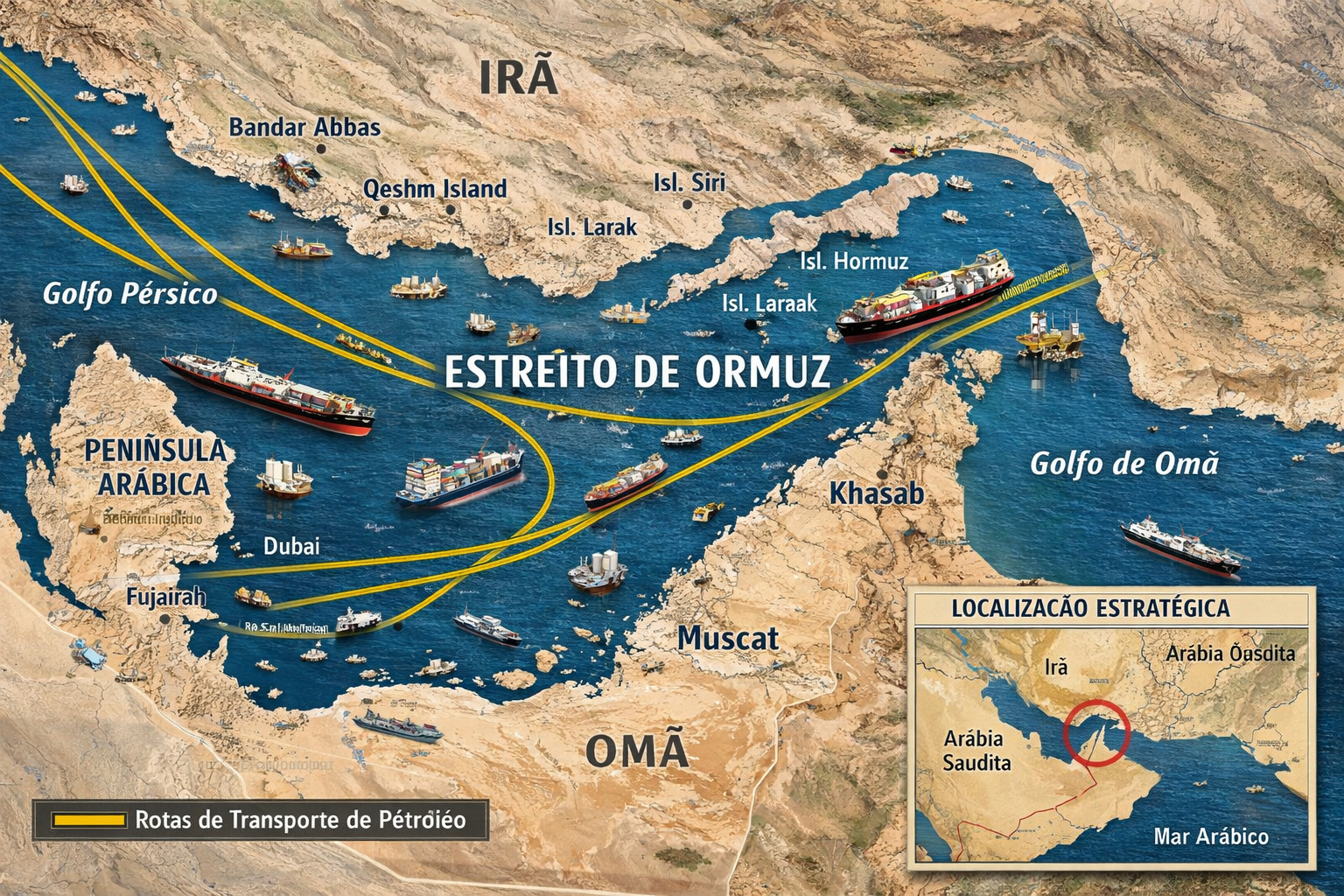
Global summit with over 40 countries pressures Iran for a blockade in the Strait of Hormuz and warns of direct impact on oil, food, and the global economy.
-
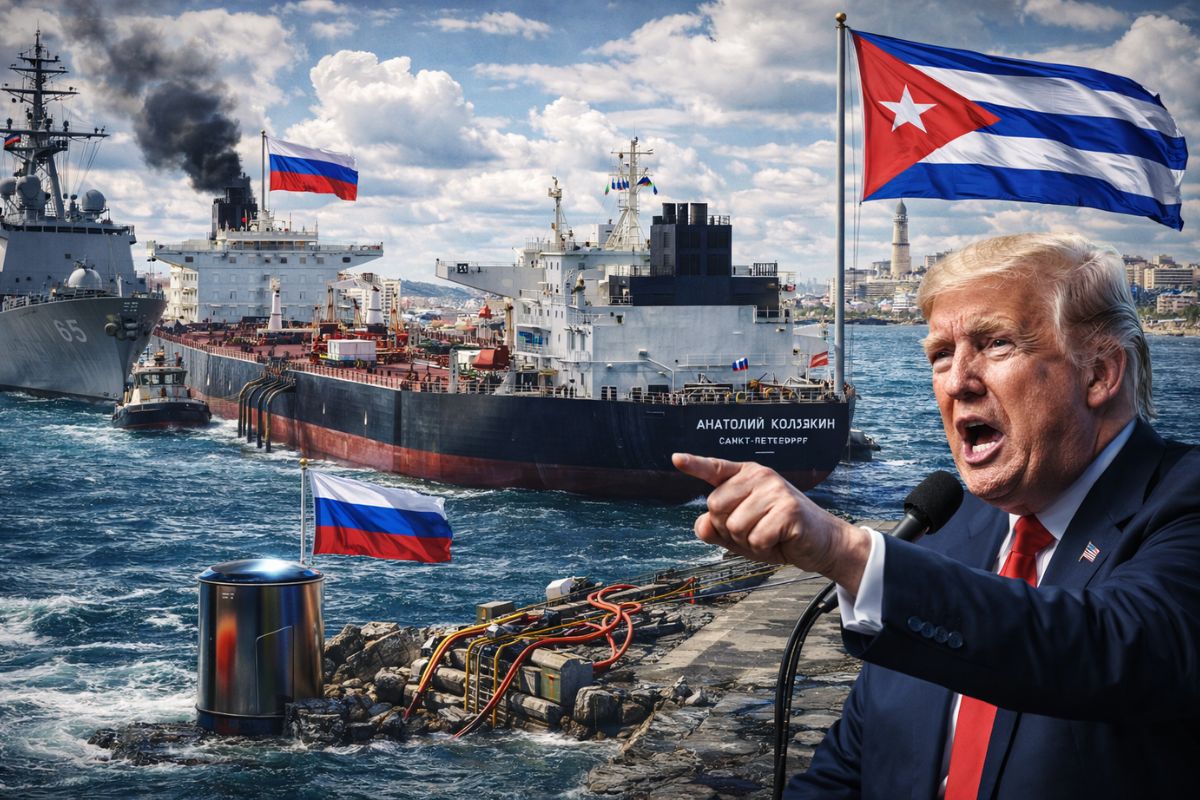
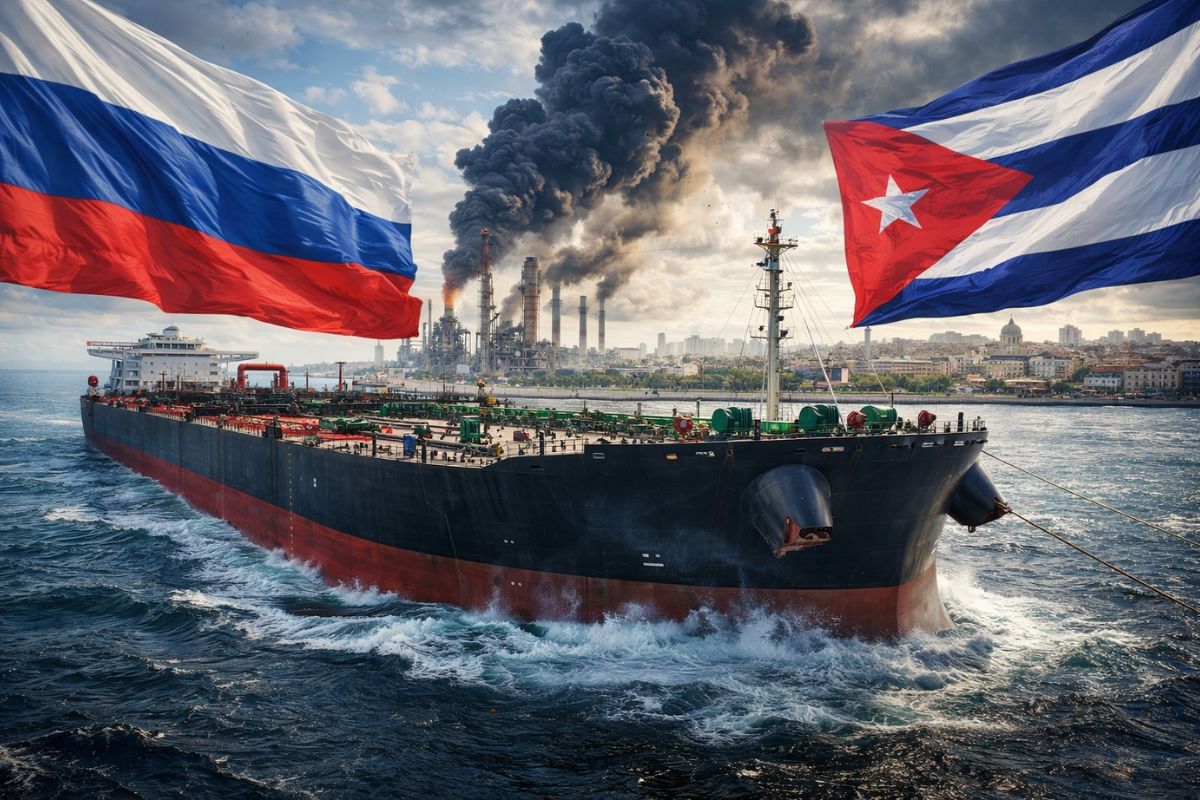
Russia has broken the U.S. maritime blockade to send oil to Cuba and is now loading a second ship while Trump says that “Cuba is next” in a possible military action against the island.
-
Spain challenges the USA and closes its airspace for operations against Iran, raising global tension and provoking the threat of a trade rupture.
-
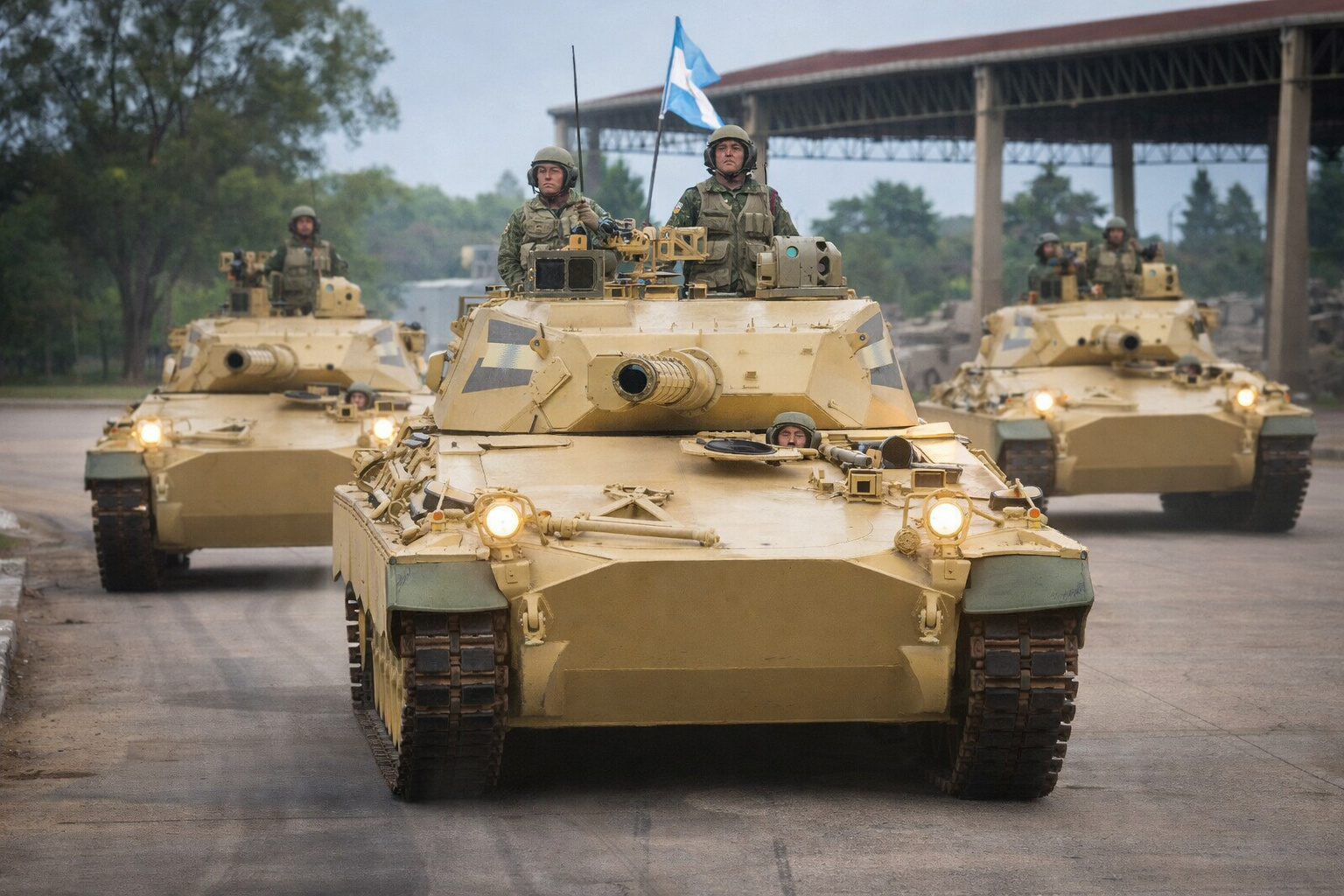
While no other country manufactures tanks in Latin America, Argentina activates the TAM 2C-A2 and raises a curiosity about the technological lag in the region.
According to the spokesperson, “international law, based on the purposes and principles of the United Nations Charter, is the foundation of the current international order and must be respected.” Guo Jiakun then went further by requesting that the United States stop using the so-called ‘Chinese threat’ as a pretext for private gains, whether they are economic, political, or military.
In this context, Beijing seeks to reinforce the idea that international governance of the Arctic must follow multilateral norms, avoiding the instrumentalization of security discourses for unilateral pressures, especially on US European allies.
Tariffs, Greenland, and Economic Pressure Intensify the Conflict
The Chinese reaction came shortly after Donald Trump announced progressive tariffs on products from eight European countries, conditioning the suspension of these measures on an agreement involving the so-called “complete and total acquisition” of Greenland. The island, although autonomous, is part of the Kingdom of Denmark and holds a strategic position in the North Atlantic and the Arctic.
Trump justified the economic pressure by stating that Greenland is essential for international security, citing, on various occasions, alleged military activities by China and Russia in the region. According to the American president, exercises conducted by these countries in the Arctic would pose a direct threat to the interests of the United States and its allies.
However, Beijing has systematically rebuffed these accusations. In previous statements, the Chinese government declared that its activities in the Arctic “aim to promote peace, stability, and sustainable development” and that “the rights and freedoms of all countries to conduct activities in the region, according to the law, must be fully respected.”
Tensions in the Arctic Worry Europe and May Benefit China and Russia
Meanwhile, the rhetorical escalation regarding Greenland has heightened tensions between the United States and European allies, generating reactions within the European Union (EU). Leaders of the bloc warned that the issue could deepen internal divisions in the West, weakening political and strategic coordination among countries historically aligned with Washington.
Moreover, European authorities assess that the hardening of the American discourse may, paradoxically, benefit China and Russia, by opening space for greater influence of these powers in discussions regarding Arctic governance, international trade, and regional security. According to analysts, the insistence on the narrative of “Chinese threat” may undermine alliances and produce effects contrary to those intended by the United States.
In this scenario, Greenland ceases to be merely a remote territory and comes to occupy the center of a global geopolitical dispute, involving tariffs, security, international law, and the future of order in the Arctic.







Seja o primeiro a reagir!