





 Portuguese
  English
  Spanish
  3 min of reading
  0 comments


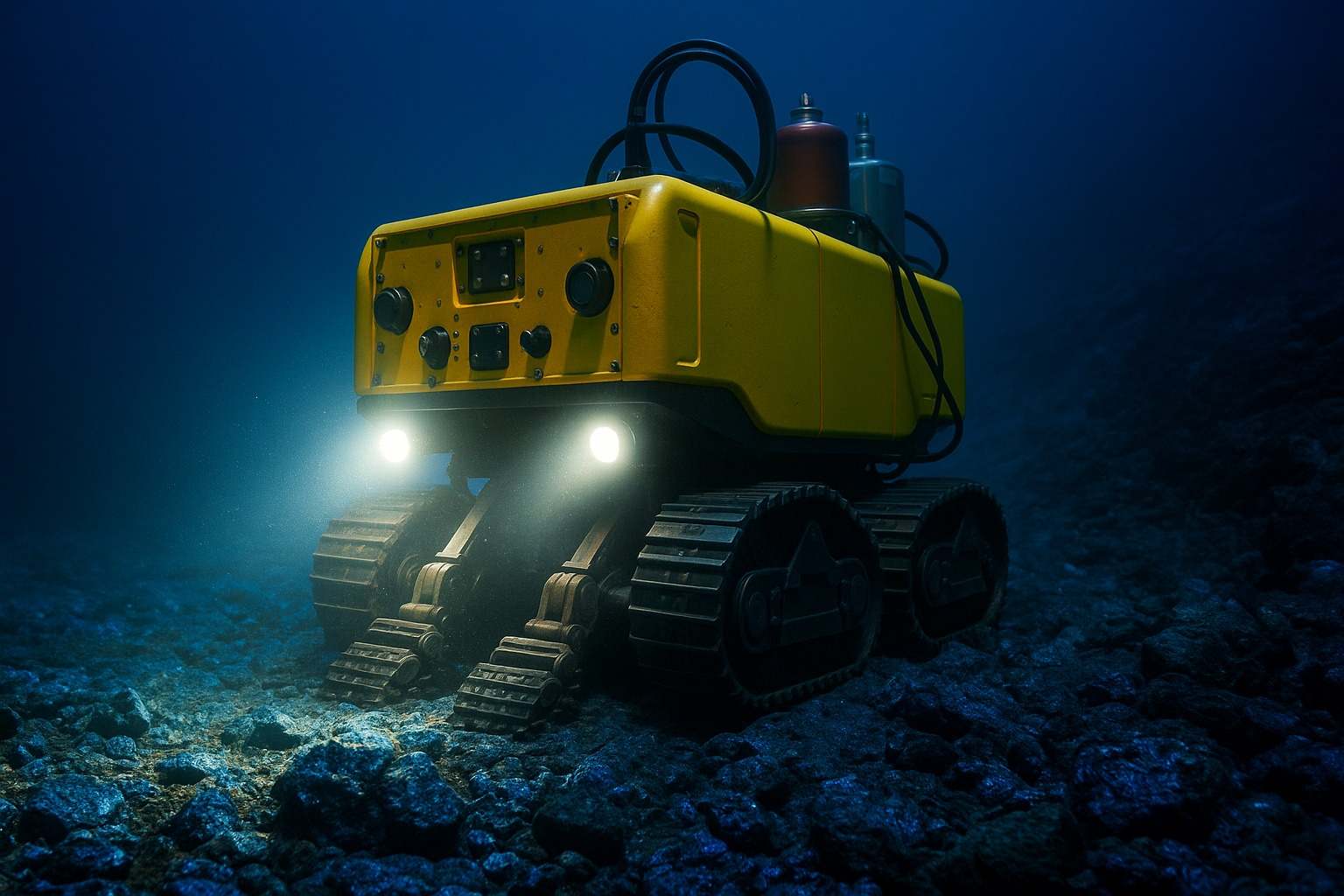
In A Test Conducted At 2,000 Meters Depth In The Western Pacific, The New Chinese Mining Vehicle Demonstrated Autonomy And Stability, Expanding The International Competition For Cobalt Present In Crusts That Far Exceed Terrestrial Reserves.
China Conducted A New Field Test With An Intelligent Robotic Vehicle Capable Of Operating At 2,000 Meters Depth In The Western Pacific Ocean.
The Operation Took Place In An Area Considered Sensitive, Beyond The So-Called Second Island Chain Defined By The United States And About 1,000 Kilometers East Of Guam.
The Initiative Reinforces China’s Advancement In The Search For Minerals Found Underwater, Especially Cobalt, Widely Used In Rechargeable Batteries And Aerospace Applications.
-
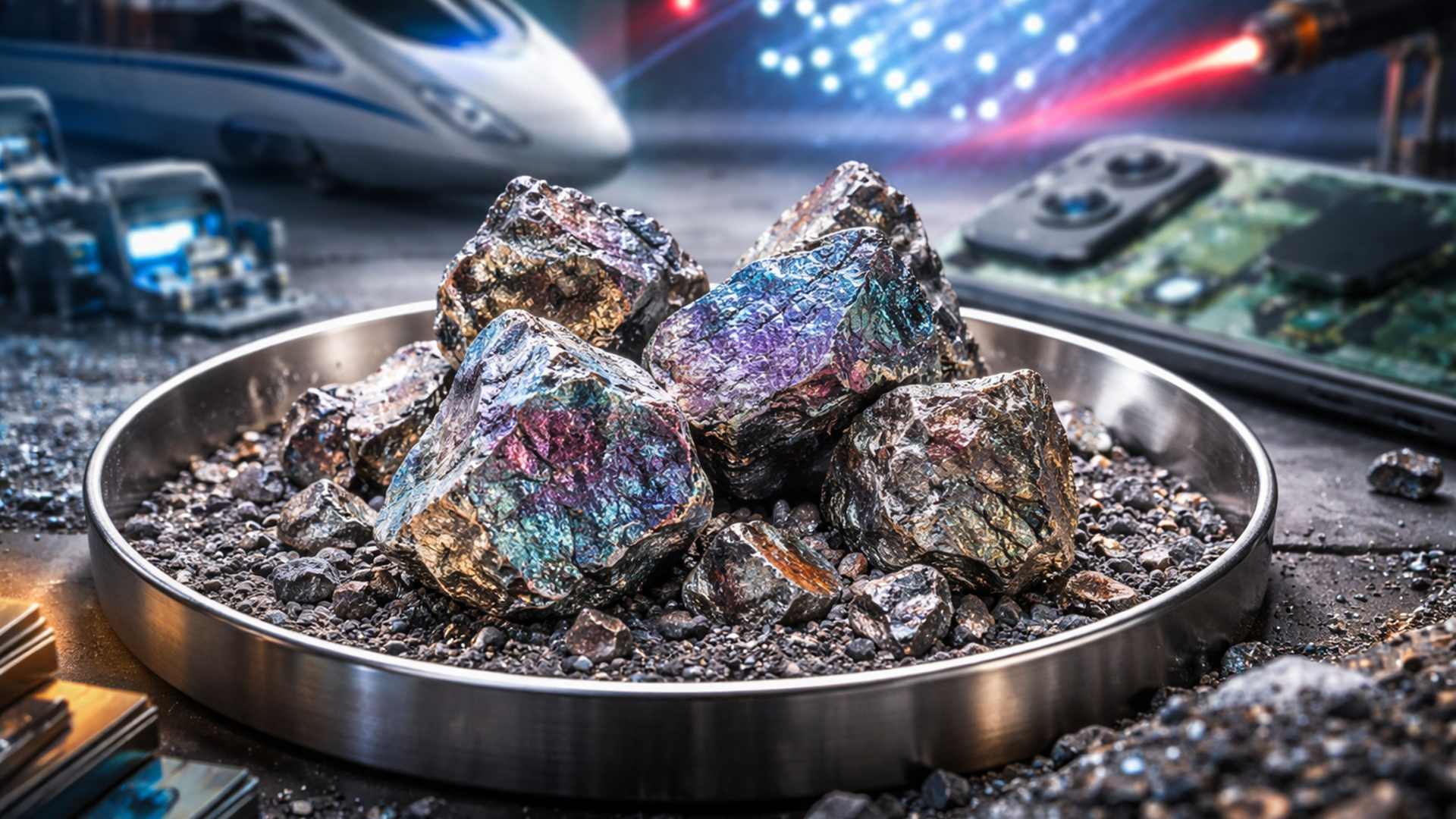
Rare earths are in everything, from cell phones to bullet trains, and what almost no one realizes is why they have become the target of such a delicate global war.
-
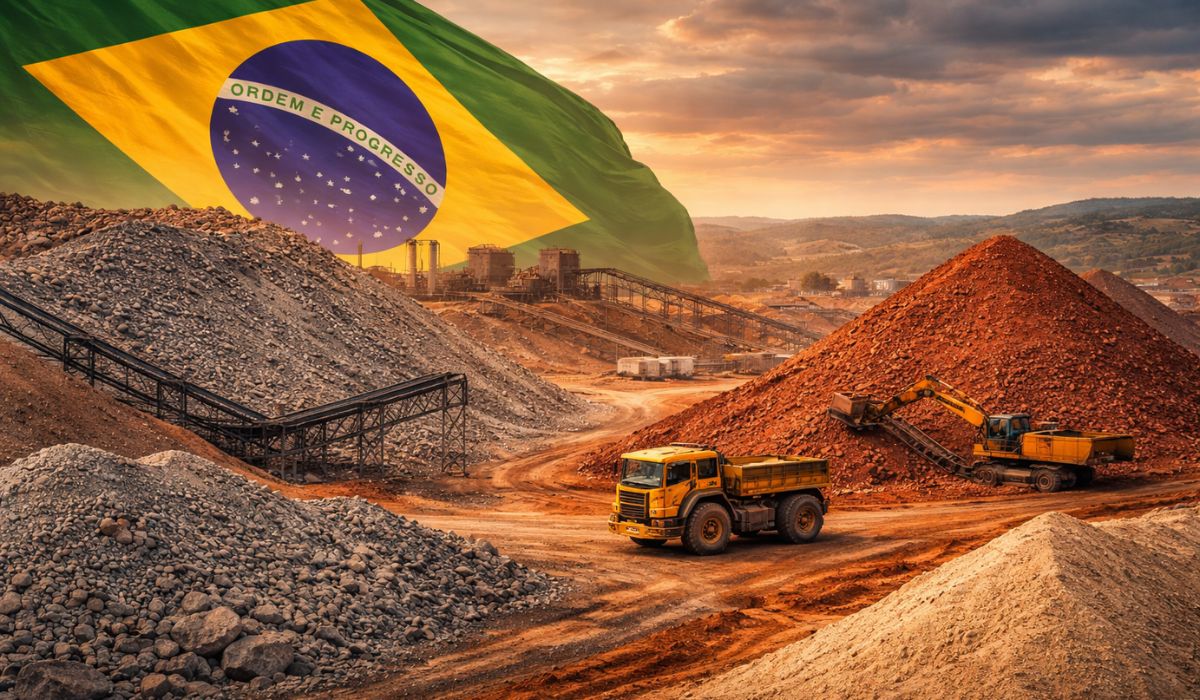
Brazil extracts 26.3 million tons of ore from what was previously treated as waste, transforming residues into wealth, producing over 3 million tons of sand, and demonstrating how national mining is relearning to generate value.
-
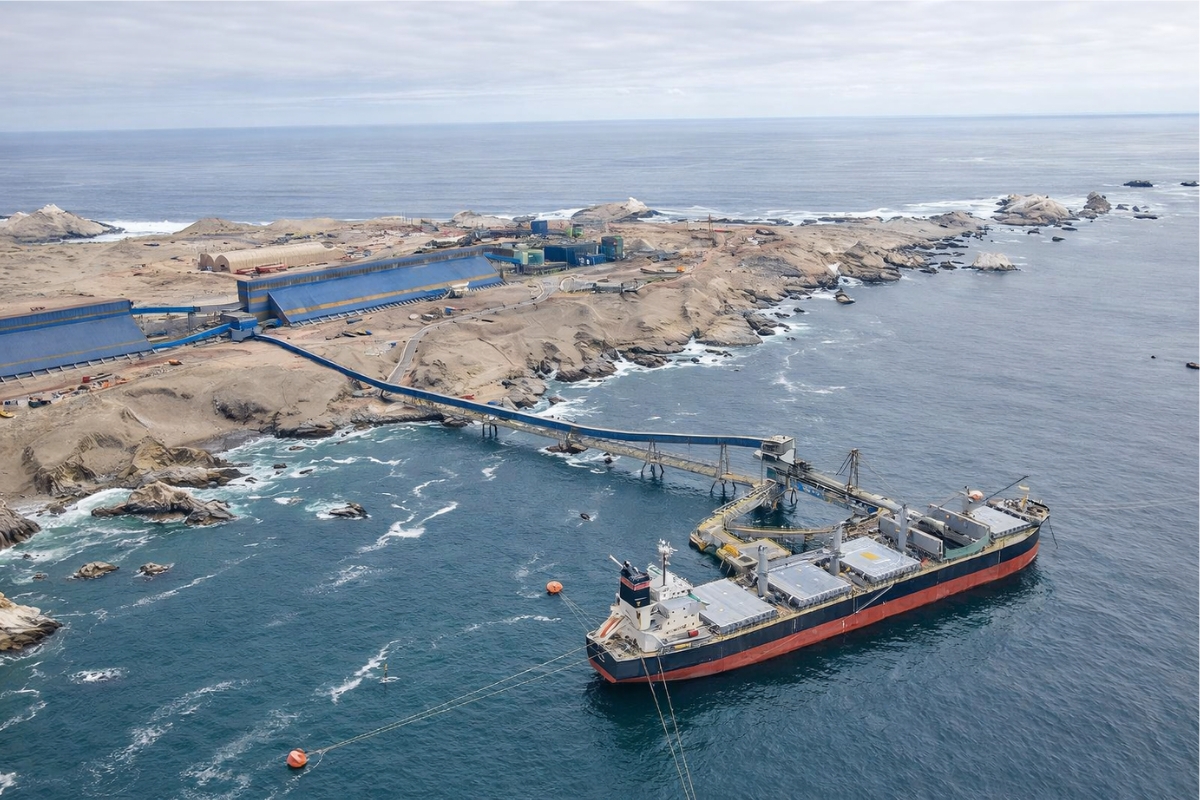
A $3.5 billion megaproject in Latin America pumps desalinated seawater at 1,050 liters per second over 194 km to keep a copper supermine in the Andes operational for another 20 years.
-
A hidden mine in the Andes valued at nearly R$ 1 trillion is starting to attract global attention, containing copper, gold, and silver, and raises an intriguing question: why do Argentina and Chile need to act together to exploit this gigantic wealth?
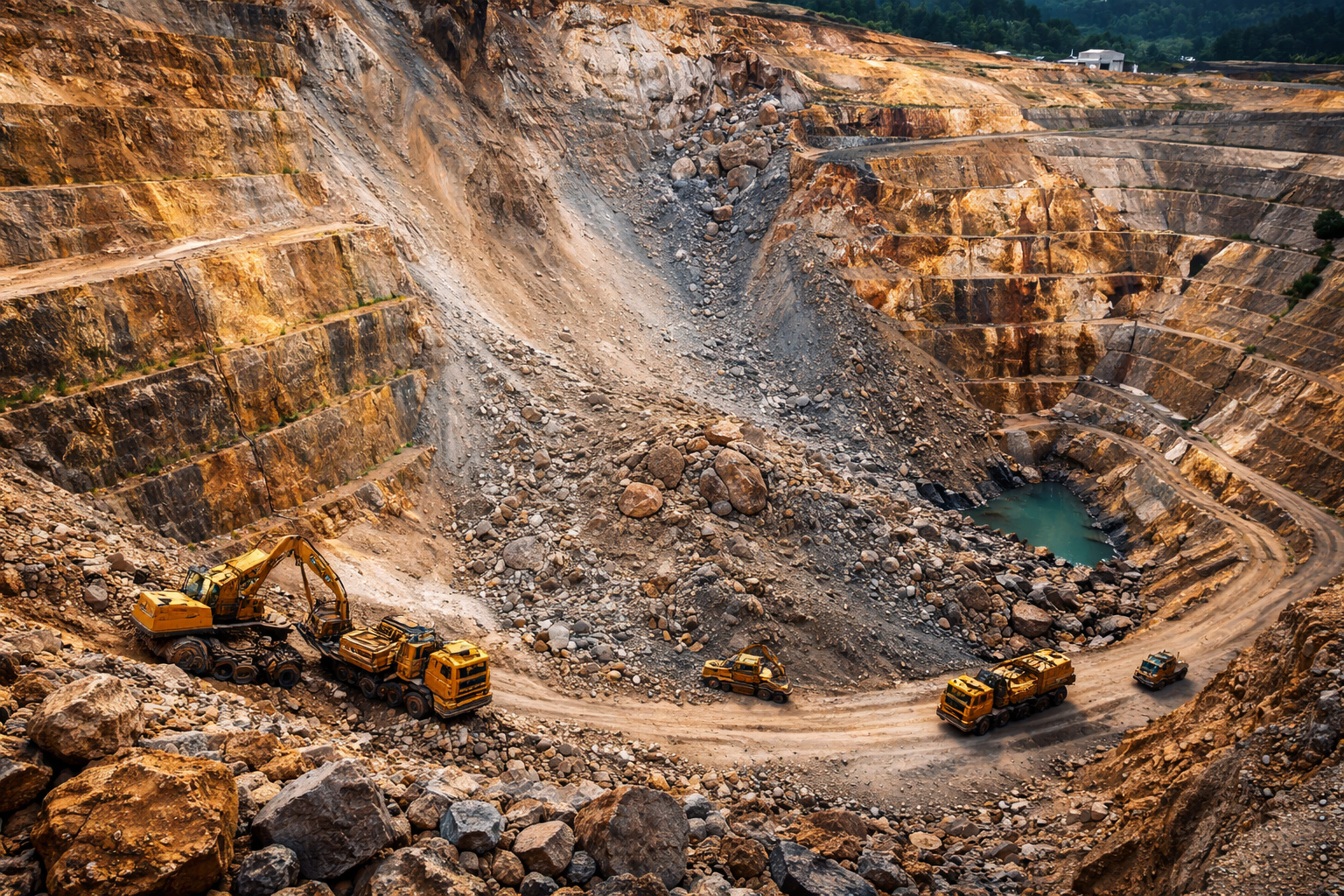

Test In Strategic Zone
During The Trial, The Vehicle Navigated And Maneuvered Autonomously Over The Irregular Seafloor, Characterized By Cobalt-Rich Crusts.
The Successful Operation Verified The Operational Readiness Of The Technology For Deep-Sea Mining Activities.
The South China Morning Post Reported That The Robot Was Developed By Researchers At The National Engineering Research Center For Metal Mining In Changsha, Central South University And Tianjin University.
This Advancement Integrates The Country’s Effort In A Global Competition For Marine Resources, In A Scenario Where The United States And Other Nations Are Also Seeking To Expand Their Presence In These Strategic Areas.
Experimental Robot And Submarine Reserves
Estimates Indicate That The Ocean Floor Is Home To Over 7.3 Billion Tons Of Cobalt, A Quantity That Exceeds By More Than 600 Times The Known Terrestrial Reserves.
The Crusts That Concentrate The Metal Spread Across The Slopes Of Seamounts, Where Other Valuable Resources Such As Nickel And Platinum Are Also Found. According To Reports, The Richest Deposits Are Located In The Pacific.
The Experimental Vehicle Features Four Independently Driven Tracks And An Active Height Control System To Ensure Stability.
During The Tests, It Achieved Ideal Stability While Moving At 5 Centimeters Per Second But Can Reach Up To 20 Centimeters Per Second. Until Now, China’s Efforts In The Area Were Focused On Theoretical Research And Laboratory-Made Prototypes.
The New Version Incorporates Engineering Improvements Designed To Tackle The Challenges Of The Deep Environment, Including An Independent Traction System On All Four Wheels, Allowing For High Mobility On Uneven Terrain. Detailed Information About The Mission, Such As Cargo Capacity, Energy Autonomy, And Mining Technique Adopted, Remains Classified.
The Race For Deep-Sea Mining
China Dominates The Global Cobalt Market And Controls About 73 Percent Of The World’s Refining Capacity. Projections Indicate That By 2030, The Country Will Be Responsible For Approximately 46 Percent Of The Global Supply From Mines.
The Test Conducted In The Pacific Is Expected To Intensify Competition Among Governments And Companies For Mineral Exploration In Ocean Depths.
In The United States, The Department Of Defense Canceled In October The Plan To Create A Cobalt Reserve Due To Unexpected Logistical And Technical Challenges. The Program Aimed To Purchase Up To 7,500 Metric Tons Of Alloy-Grade Cobalt Over A Period Of Five Years.
Since 2013, China Has Had Authorization From The International Seabed Authority To Explore An Area Of 3,000 Square Kilometers With Cobalt-Rich Crusts In The Western Pacific. However, The Advancement Of Deep-Sea Mining Raises Concerns Among Scientists, Who Warn Of Severe Risks To Marine Ecosystems.
They Assert That Premature Or Unregulated Exploration Could Pose A Threat To The Fragile Environments Of The Ocean’s Deepest Regions.







-

-

-

-

-

12 pessoas reagiram a isso.