





 Portuguese
  English
  Spanish
  3 min of reading
  6 comments


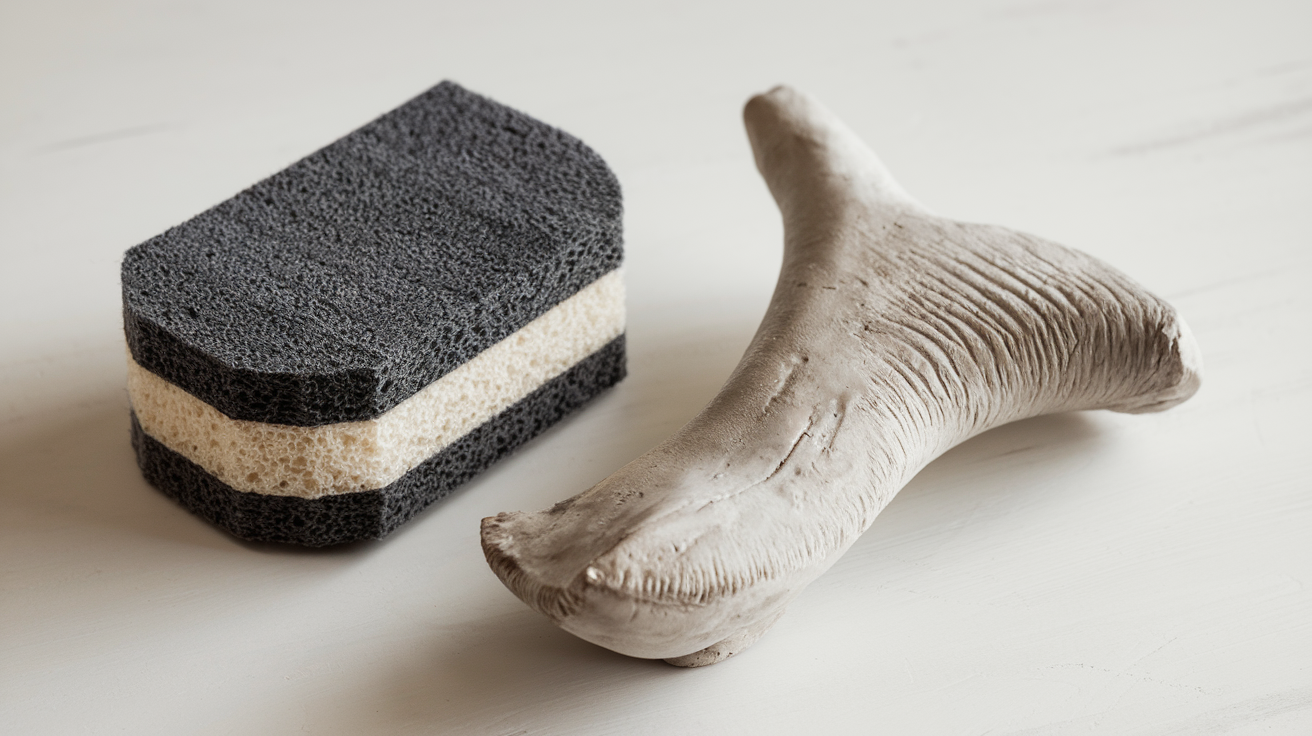


New Sponge Absorbs Microplastics from Water and May Save the Marine Environment: Researchers Develop Sponge That Removes 99.9% of Microplastics. Meet the Cotton and Cuttlefish Bone Sponge.
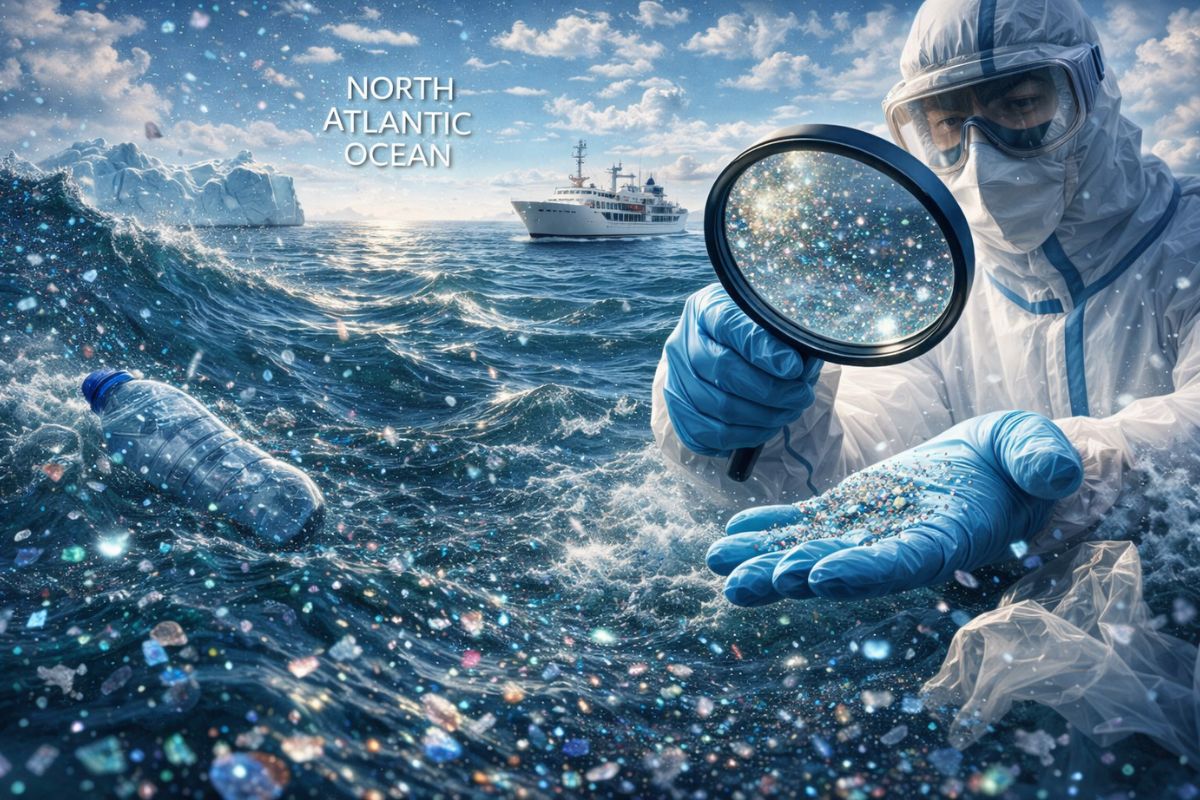
Studies show that microplastics are present from the clouds of Mount Fuji in Japan to the deepest ocean trench. As a result, an average human ingests about 4,000 particles of the material in water each year. Aiming to change this scenario, scientists have developed a sponge made from cotton and cuttlefish bone, unusual materials that absorb these pollutants from the water. In this article, we will learn about the new sponge that removes 99.9% of microplastics from water.
Sponge Absorbs Microplastics from Water and May Be a Viable Solution for Pollution Clean-Up
The result of the new cotton and cuttlefish bone sponge was obtained by researchers from Wuhan University in China, and is exciting because it is also financially viable. This is because other solutions, although successful, have stagnated due to high costs. In the study published in the journal Science Advance, the authors highlighted that they developed a sustainable and environmentally adaptable adsorbent.
ARTICLE CONTINUES BELOWSee also
Extinct for over 100 years and considered one of the rarest birds in Brazil, a legendary species reappears in the Northeast, resumes breeding in the wild, and surprises researchers in 2026.

7,000-year-old bonfire in southern Israel reveals a rare scene from the past and uncovers ostrich eggs prepared by nomads in the desert.
Gigantic megalithic mound of 42 meters emerges during housing construction in Lublin and reveals a Neolithic megadendron with a moat of nearly 30 meters.
The surprising fact: 1 in 3 Brazilians doubts the arrival of man on the Moon, while the majority still believes in the historic achievement, according to a Datafolha survey with more than 2,000 people.

Made from chitin extracted from cuttlefish bone and cotton cellulose, materials used for pollution remediation, the new sponge absorbs microplastics from water and has also been tested in locations such as an irrigation ditch, a lake, seawater, and a lagoon. Its performance, according to the researchers, was remarkable. This is because it is a sponge that removes 99.9% of microplastics, and from 95% to 98% after five cycles.

According to the research conducted by the Chinese scientists, the new cotton and cuttlefish bone sponge exhibits excellent adsorption performance for polystyrene, polymethyl methacrylate, polypropylene, and polyethylene terephthalate. Another encouraging aspect of the new sponge that removes 99.9% of microplastics is that the equipment used for its production, such as freeze-dryers and mechanical stirrers, is highly available.
New Cotton and Cuttlefish Bone Sponge Can Be Applied on a Large Scale
The proposal for the new product, if applied on a large scale in future research, has the potential to transform the landscape of one of the most severe public health crises in the world. With positive results, researchers believe it is possible to develop an industrial-scale model.
Thus, the sponge absorbs microplastics from water and could be used in residential or municipal filtration systems, such as in washing machines, dishwashers, and other sources of microplastic pollution.
It is worth mentioning that microplastic pollution can contain up to 16,000 different plastic chemical products, often associated with highly toxic substances such as PFAS, bisphenol, and phthalates. These compounds are linked to serious health issues, including cancer, neurotoxicity, hormonal disruptions, and developmental toxicity.
The Pollution and Importance of the Sponge That Removes 99.9% of Microplastics
To understand why the sponge absorbs microplastics from water is so important, these microplastics can cross the barriers of the brain and placenta, and people with these microplastics present in cardiac tissue are twice as likely to suffer a heart attack or stroke in the following years.
Recently, a study conducted by researchers from the University of Barcelona and published in Science Direct indicates that in the marine environment, microplastics form a surface that is quickly colonized by microorganisms, thus generating a biofilm, referred to as the plastisphere, considered a new type of potentially dangerous ecosystem.
Once formed, this community can affect the natural balance of oceanic life on a microscopic level, as plastic allows potentially harmful pathogens to spread throughout marine environments.







O povo aqui nos comentários não entendeu a matéria. Deixa eu explicar:
Osso de Lula deve ser referir ao osso que o Presidente Lula retirou da bacia ao substituir por uma prótese.
Alguém tem mais alguma dúvida?
A lula é um cefalopode, e portanto, não tem ossos.
Ele quis dizer quitina quando escreveu quintina?
Tem muita quitina em baratas e besouros. Será que serve pra substituir o minúsculo pedaço de quitina das lulas?
O osso das lulas é uma parte mínima do corpo delas, e teremos bilhões de toneladas métricas de plásticos no ambiente nos próximos anos. Eram 8.3 btm em 2017, e a previsão é 32 btm em 2050 (Geier et. al, 2017). Não existem lulas suficientes para viabilizar isso em escala comercial, creio eu…
Essa substância, a Quintina, só existe em ossos de Lula?
Então esse é o osso do dedo do Lula!