





 Portuguese
  English
  Spanish
  3 min of reading


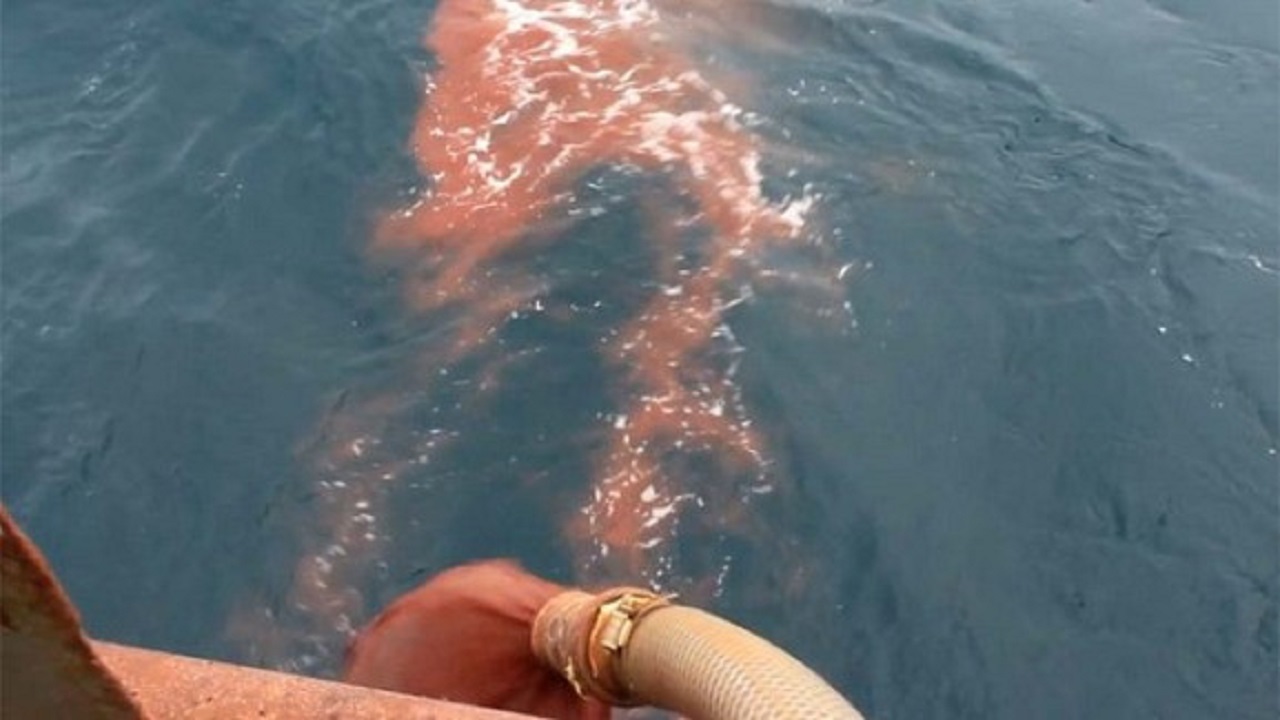
Ocean Fertilization with Iron Could Massively Increase Oceanic Algal Populations.
A marine radiochemist from the Woods Hole Oceanographic Institution, and a team of scientists have developed a plan to flood the world’s oceans with phytoplankton in an attempt to mitigate the worst effects of climate change. It is a form of geoengineering – focused on the seas rather than the skies – that relies on the ocean’s ability to absorb large amounts of carbon dioxide and dissolve it naturally. Unlike other forms of geoengineering, it does not involve harmful chemicals. Phytoplankton naturally use carbon dioxide and sunlight for photosynthesis, just like terrestrial plants, to produce oxygen. In fact, phytoplankton are responsible for approximately 50% of the oxygen in our atmosphere.
A New Form of Geoengineering
Some researchers have suggested that we could increase the amount of phytoplankton in the ocean to allow it to pull more carbon dioxide from the atmosphere. Since phytoplankton thrive in iron-rich areas, small amounts of iron can be added to parts of the ocean to produce much more phytoplankton.
Ken Buesseler, a marine radiochemist at the Woods Hole Oceanographic Institution, and a team of scientists investigated the effects of iron fertilization on the world’s oceans. They found that the introduction of iron could “alter the carbon flow to the deep ocean” and that it significantly contributed to the amount of carbon dioxide pulled into the ocean.
-
Giant structures 14 meters beneath Egypt are revealed by satellites and expose a millennia-old secret buried in Buto.

-
Children have been making clay pieces for 15,000 years in Southwest Asia, and fingerprints preserved on 142 ornaments helped archaeologists prove this.
-
New semi-autonomous legged robot technology challenges the limitations of space exploration by operating almost without human intervention on the Moon.

-
Super toxic red mineral found in the double burial of two women aged 1,900 years near the banks of the Dnieper River in Ukraine.


However, as Buesseler explained to The Daily Beast, his research was conducted 20 years ago, and the scientific community has done little to explore the potential of iron fertilization since then.
“What happened 20 years ago was that we started to go around and spread a chemical form of iron and looked for that phytoplankton – the plant’s response – and, indeed, it clearly showed that if you increase the iron, then you could create more carbon dioxide absorption,” Buesseler explained.
“The difference between now and 20 years ago is that I think the climate crisis is much more apparent to the public.”
Iron Fertilization Could Remove One Gigaton of CO2 Per Year
Last year, Buesseler joined a group of scientists to release a report through the National Academies of Sciences, Engineering, and Medicine that assessed various options for combating climate change, including iron fertilization and increasing phytoplankton levels in the world’s oceans.
Buesseler does not believe that adding iron to the world’s oceans on a large scale to increase phytoplankton levels would cause any harm to global ecosystems. However, he emphasizes that more research is needed to investigate the effects. Buesseler explained that up to one gigaton of carbon dioxide could be sequestered annually using the phytoplankton method – and that, he told The Daily Beast, is a “very conservative” estimate.
“This will change the types of plants and animals that grow, but that’s already happening with temperature and acidity changes,” he said.
Iron fertilization could be implemented quite easily and cheaply using boats that would simply need to dump the iron in specifically selected regions – chosen because they lack iron. The iron would also take effect quickly, as phytoplankton blooms can be observed within 24 hours after iron is added to the water.






Seja o primeiro a reagir!