





 Portuguese
  English
  Spanish
  3 min of reading
  0 comments


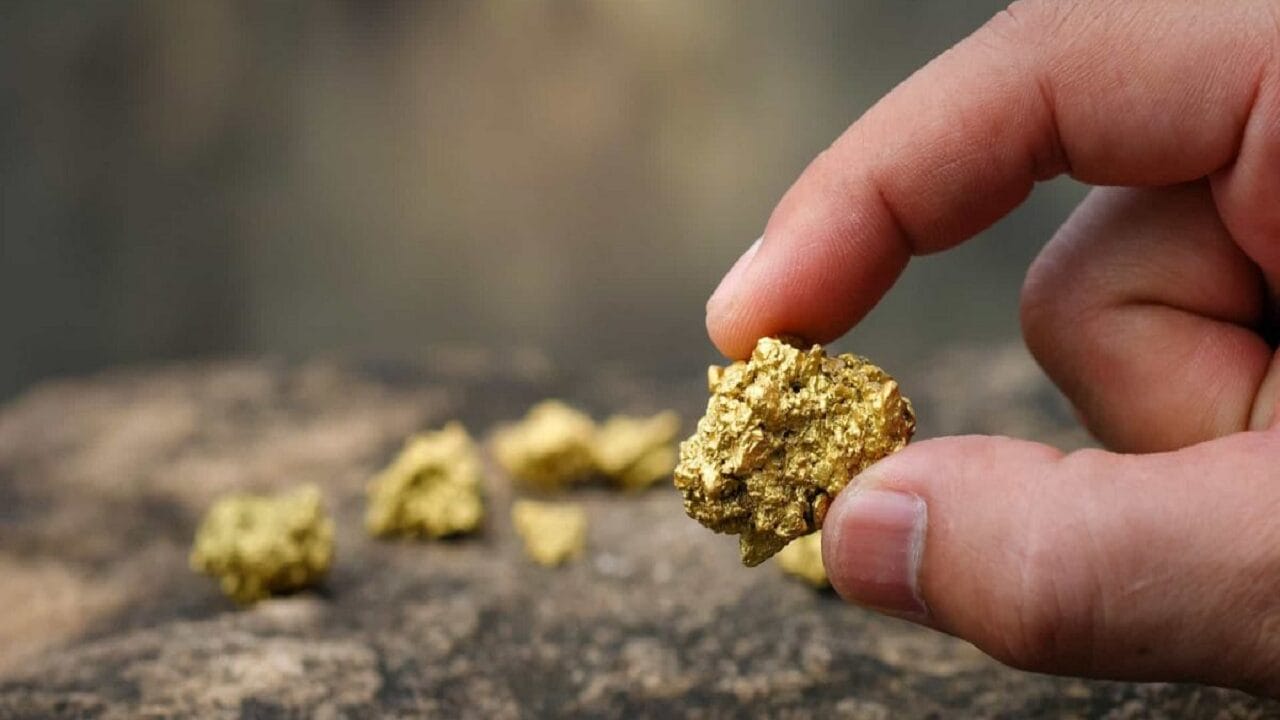
Scientists Discover Bacteria With Unique Capacity to Transform Natural Compounds Into 24-Carat Gold, a Process Known as Microbial Alchemy.
In a surprising breakthrough that combines microbiology and electronic art, two scientists from the University of Michigan made an extraordinary discovery. Kazem Kashefi, a professor of microbiology, and Adam Brown, an associate professor of electronic art, revealed the existence of bacteria capable of transforming natural compounds into 24-carat gold. This remarkable achievement is the result of an interdisciplinary study that brings together science and creativity in a unique way.
Transformation of Natural Compounds Into Gold Is Called Microbial Alchemy
The scientists unraveled, with their study, the mysteries of unique bacteria capable of converting natural compounds into 24-carat gold. This unusual crossover of disciplines promises to revolutionize human understanding of nature and its astonishing capabilities.
The bacteria are named Cupriavidus Metallidurans and have captivated the scientific community with their excellent ability to catalyze the transformation of common natural compounds into pure gold. This process, in which matter is converted into 24-carat gold, is called microbial alchemy.
-
Mysterious object on Mars divides NASA and Harvard after Curiosity image reignites suspicions about what was really found on the planet.

-
Giant structures 14 meters beneath Egypt are revealed by satellites and expose a millennia-old secret buried in Buto.

-
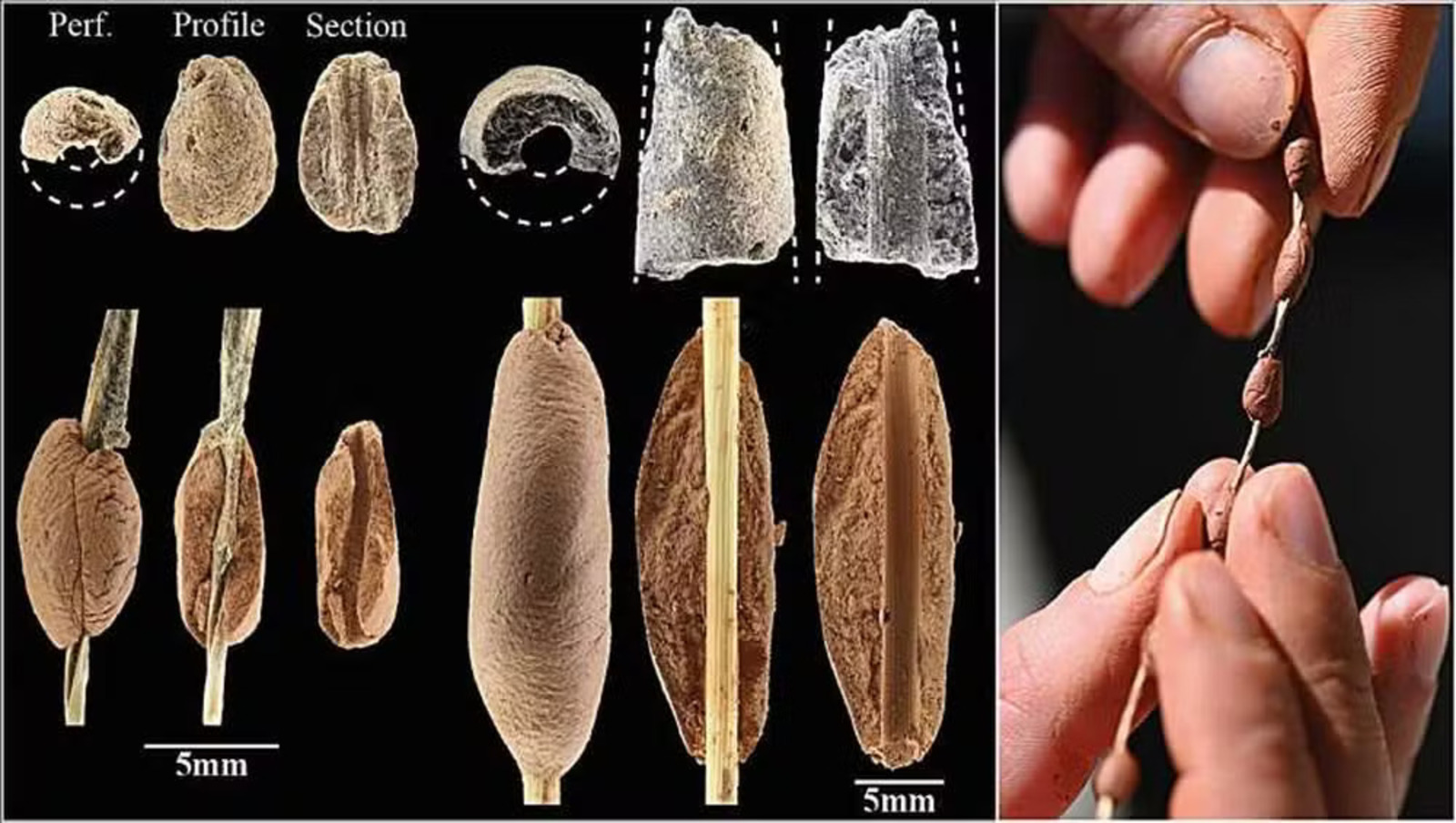
Children have been making clay pieces for 15,000 years in Southwest Asia, and fingerprints preserved on 142 ornaments helped archaeologists prove this.
-
New semi-autonomous legged robot technology challenges the limitations of space exploration by operating almost without human intervention on the Moon.


The research team, consisting of microbiologists and artists, explored the intricacies of this unique phenomenon, which challenges scientific conventions and opens doors to unexplored applications in the fields of science and art. The study by the two American scientists on the bacteria details the intriguing process through which Cupriavidus Metallidurans achieved this astonishing feat.
The bacteria use specialized enzymes to break down the surrounding natural compounds, releasing gold particles in a kind of elegant ballet of tiny microbes. This process, beyond its scientific importance, has inspired researchers to explore new means of artistic expression that capture the beauty of microbiology.
Challenges Faced by Scientists During the Study of Bacteria
After this discovery by the scientists, a multitude of applications opens up for modern life. In science, the ability of Cupriavidus Metallidurans to synthesize gold could transform how the world approaches mining and the manufacturing of advanced materials.
Furthermore, the fusion of microbiology and electronic art for the generation of 24-carat gold may lead to new forms of artistic expression that transcend the boundaries between science and creativity. As enthusiasm for this discovery grows, scientists and society at large also face various practical and ethical challenges.
In this way, it is clear that we must ensure proper management of the application of these bacteria in natural environments and consider the environmental implications, which are essential to ensure that this phenomenon does not have harmful effects on the ecosystems surrounding the world. Nature, once again, demonstrates its incredible ability to surprise the world and challenge expectations.
Other Discoveries With Bacteria
In addition to this discovery to produce 24-carat gold, scientists from the University of Texas in Austin report findings that bacteria use iron, a common element, yet essential for life on Earth, to store memory across generations.
This iron-mediated memory is linked to the behavior of the bacterium Escherichia coli, namely swarming, the ability to form biofilms, and the development of antibiotic resistance.
This and numerous other bacteria begin to form biofilms when they encounter a compatible surface, which can be either living or non-living, such as medical tools, industrial machines, or tissues. The formation of biofilms is driven by nutrient availability.
In situations where nutrients are abundant, bacteria may choose to develop biofilms to establish a stable environment and maximize efficient resource use. According to scientists, before there was oxygen in the Earth’s atmosphere, early cellular life used iron for many cellular processes.







Seja o primeiro a reagir!