





 Portuguese
  English
  Spanish
  3 min of reading
  0 comments


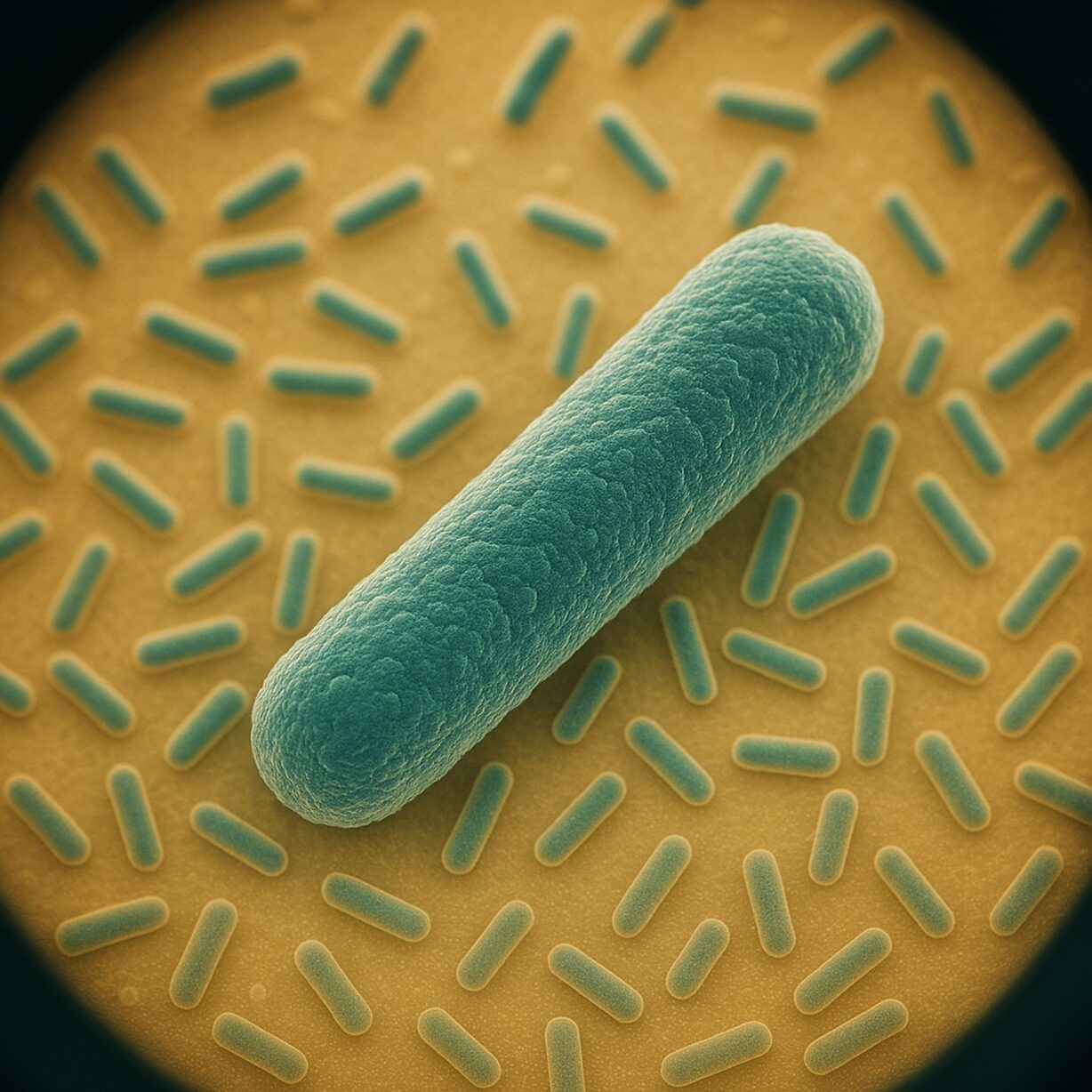
Chinese Scientists Identify a New Bacterial Strain on the Chinese Space Station Tiangong, with Potential for Use in Space Technology, Agriculture and Medicine.
Chinese scientists have identified a new bacterial strain inside the Chinese space station Tiangong. This is Niallia tiangongensis, a novel variant of a bacteria already known on Earth.
The discovery was made in May 2023, during the stay of the crew of the Shenzhou-15 mission, and marks the first time that a strain of this type has been recorded in the station.
Collection and Identification of the Bacteria
During the six-month mission, the Shenzhou-15 astronauts used sterilized wipes to collect microorganisms present on the surfaces of the station modules.
-
The parts crisis may bring back the drop notch and microSD in 2026; while Windows 11 promises to become lighter, leaks mention batteries of up to 10,000 mAh and 200 MP cameras.

-
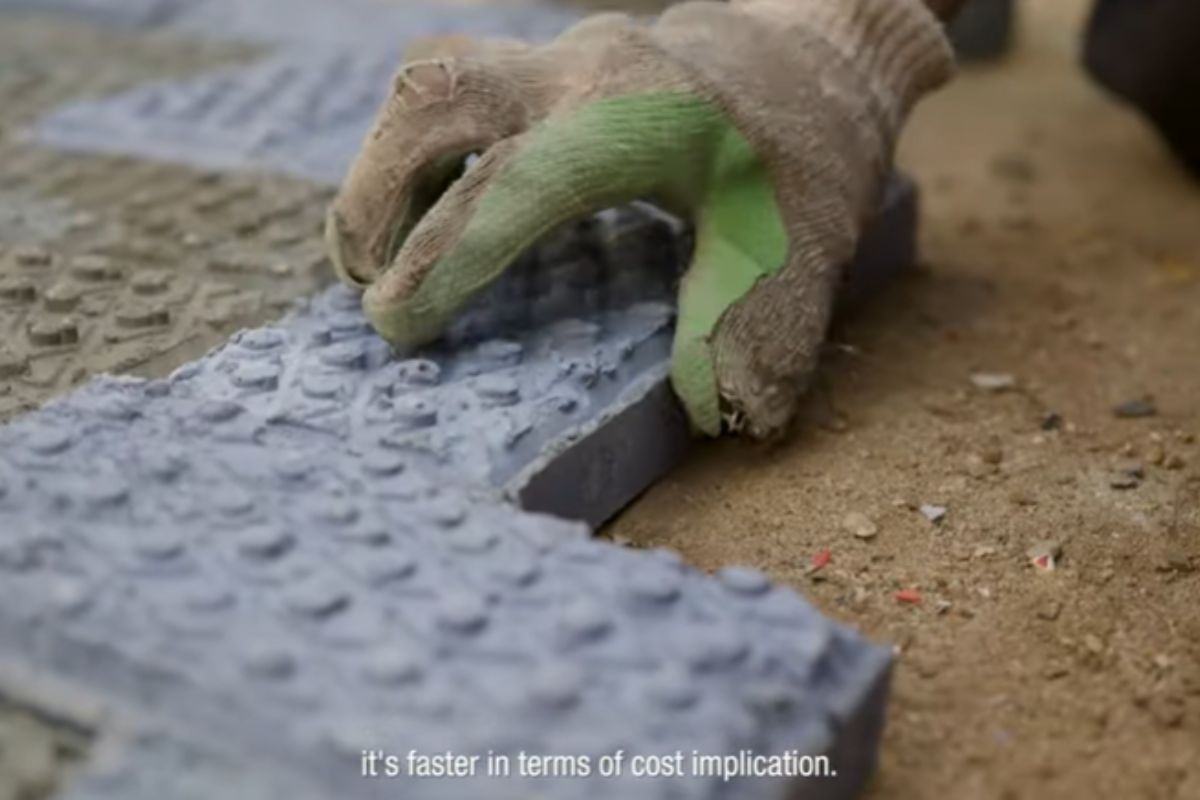
In Kenya, engineer Nzambi Matee created “bricks 2.0” using packaging plastic: a mixture with sand, heated and pressed; they are 5 times more resistant, already have official licensing, and are being used in streets and construction projects.
-
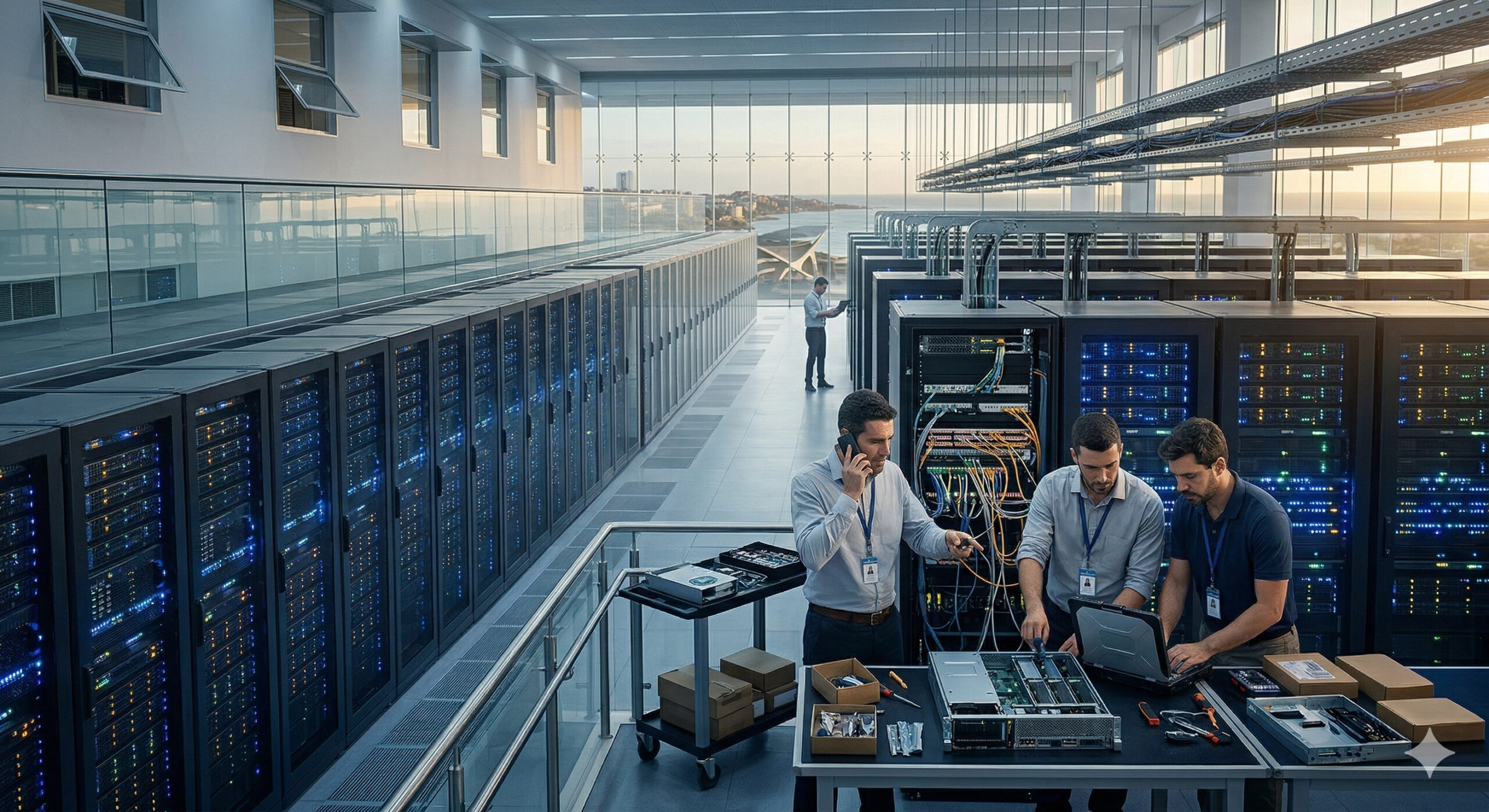
More than 20,000 positions could be opened, and thousands of technicians are starting to be trained in Brazil, as the expansion of data centers creates an urgent race for professionals to keep the internet, cloud, and artificial intelligence running 24 hours a day.
-
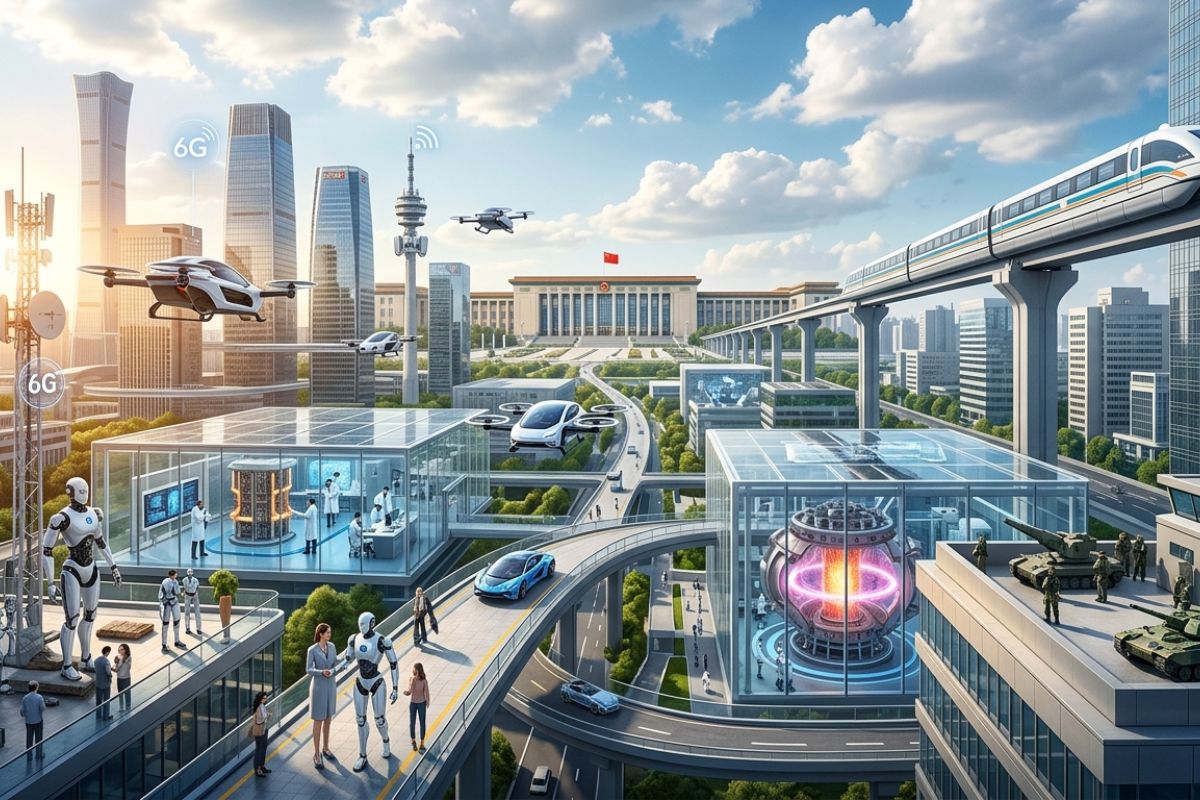
China approves the 15th Five-Year Plan 2026-2030 to become a global power: prioritizes brain implants, 6G with AI, humanoid robots, flying cars, quantum technology, and nuclear fusion, while strengthening defense and the economy.

The samples were frozen and brought back to Earth for detailed analysis.
The work was conducted by the Shenzhou Space Biotechnology Group and the Beijing Institute of Space Systems Engineering.
The analyses involved genomic sequencing techniques and metabolic studies. It was during this process that the scientists found the new strain.
The official announcement was made through a publication in the International Journal of Systematic and Evolutionary Microbiology, one of the leading journals in the field.
Adaptation to the Space Environment
The Niallia tiangongensis caught the researchers’ attention for its ability to adapt to the extreme environment of space.
The strain showed a high resistance to oxidative stress — a process that can damage cells and tissues — and also revealed performance exceeding expectations in repairing damage caused by radiation.
These characteristics were interpreted as a possible advantage of the strain over its Earth counterparts.
According to the scientists, understanding these survival mechanisms may pave the way for new strategies for microbial control in various sectors.
Practical Applications on Earth and in Space
According to the South China Morning Post, the study emphasized the importance of microbial monitoring in long-duration space flights.
Protecting the health of astronauts and ensuring the operation of spacecraft systems are priorities that depend on controlling these colonies.
In addition, the data suggests that the strain may have practical uses beyond the space environment.
The ability to decompose organic compounds opens the possibility of <strongtransforming waste into useful resources, which could benefit everything from agriculture to industry.
Continuous Monitoring Program
The discovery is part of the Microbiome Program of the Chinese Space Station’s Habitable Area (Champ), responsible for monitoring microbial changes throughout the missions.
The China Manned Space Agency stated that the research is expected to yield an “abundant harvest” of data on genetics, metabolism, and microbial activity.
This new strain, collected while still in orbit and analyzed on Earth, may be the beginning of a series of discoveries with innovative applications.








Seja o primeiro a reagir!