Portuguese
  Spanish



Chinese Scientists Identify a New Bacterial Strain on the Chinese Space Station Tiangong, with Potential for Use in Space Technology, Agriculture and Medicine.
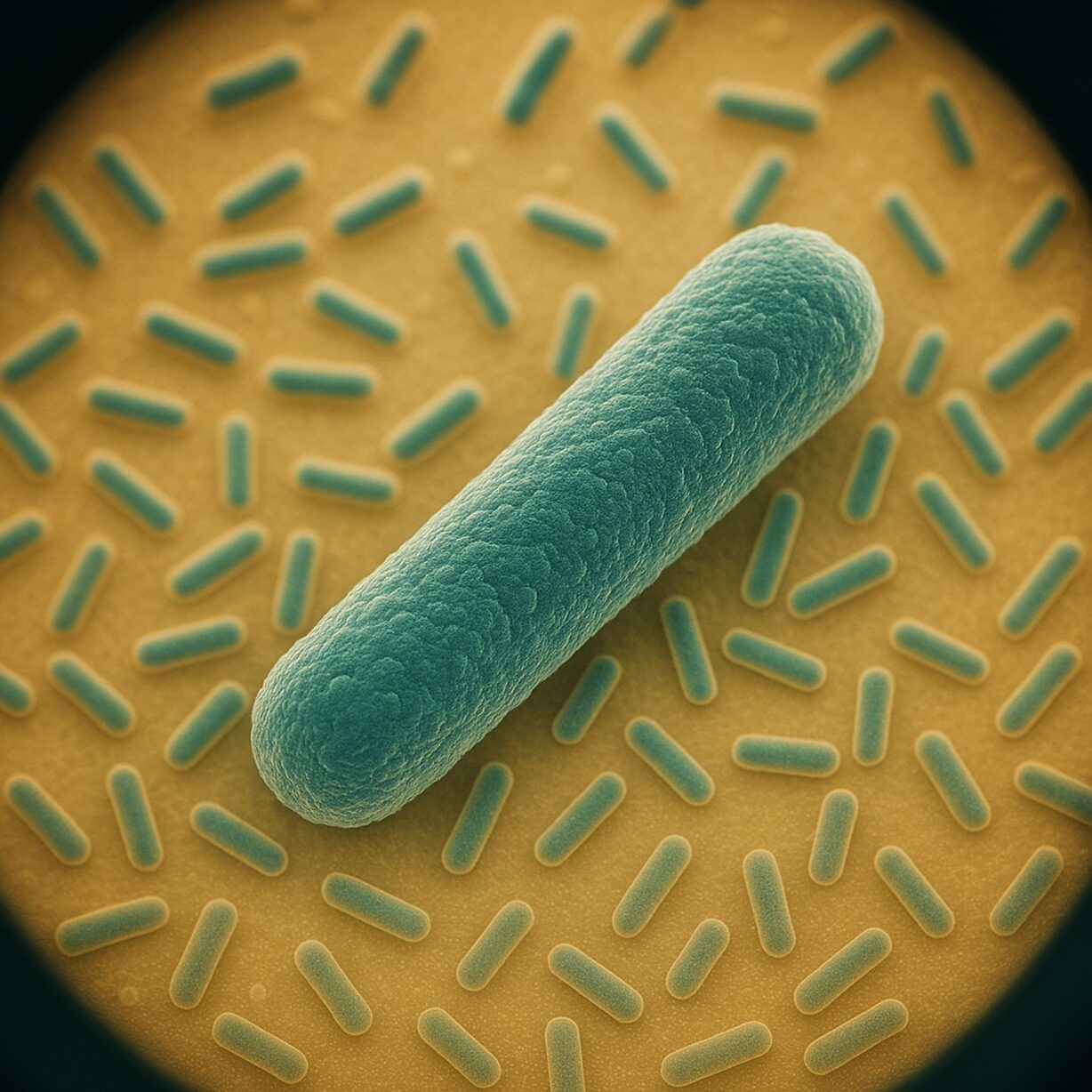
Chinese scientists have identified a new bacterial strain inside the Chinese space station Tiangong. This is Niallia tiangongensis, a novel variant of a bacteria already known on Earth.
The discovery was made in May 2023, during the stay of the crew of the Shenzhou-15 mission, and marks the first time that a strain of this type has been recorded in the station.
Collection and Identification of the Bacteria
During the six-month mission, the Shenzhou-15 astronauts used sterilized wipes to collect microorganisms present on the surfaces of the station modules.
-
Australia deploys poisoned sausages and uses traps, shooting, and fences in a battle against invasive cats that kill over 1.5 billion native animals annually, threatening more than 200 species.

-
NASA Rover Captures “Tired Face” on Mars, Highlighting Human Brain’s Tendency to See Faces in Rock Formations

-
Ancient Stone City in the Desert, Once Home to 30,000, Puzzles Scientists with Nabateans’ Water Mastery 2,000 Years Ago

-
Ancient Creature Thought Extinct Since Dinosaur Era Reappears, Baffling Scientists




The samples were frozen and brought back to Earth for detailed analysis.
The work was conducted by the Shenzhou Space Biotechnology Group and the Beijing Institute of Space Systems Engineering.
The analyses involved genomic sequencing techniques and metabolic studies. It was during this process that the scientists found the new strain.
The official announcement was made through a publication in the International Journal of Systematic and Evolutionary Microbiology, one of the leading journals in the field.
Adaptation to the Space Environment
The Niallia tiangongensis caught the researchers’ attention for its ability to adapt to the extreme environment of space.
The strain showed a high resistance to oxidative stress — a process that can damage cells and tissues — and also revealed performance exceeding expectations in repairing damage caused by radiation.
These characteristics were interpreted as a possible advantage of the strain over its Earth counterparts.
According to the scientists, understanding these survival mechanisms may pave the way for new strategies for microbial control in various sectors.
Practical Applications on Earth and in Space
According to the South China Morning Post, the study emphasized the importance of microbial monitoring in long-duration space flights.
Protecting the health of astronauts and ensuring the operation of spacecraft systems are priorities that depend on controlling these colonies.
In addition, the data suggests that the strain may have practical uses beyond the space environment.
The ability to decompose organic compounds opens the possibility of <strongtransforming waste into useful resources, which could benefit everything from agriculture to industry.
Continuous Monitoring Program
The discovery is part of the Microbiome Program of the Chinese Space Station’s Habitable Area (Champ), responsible for monitoring microbial changes throughout the missions.
The China Manned Space Agency stated that the research is expected to yield an “abundant harvest” of data on genetics, metabolism, and microbial activity.
This new strain, collected while still in orbit and analyzed on Earth, may be the beginning of a series of discoveries with innovative applications.