





 Portuguese
  English
  Spanish
 3 min of reading


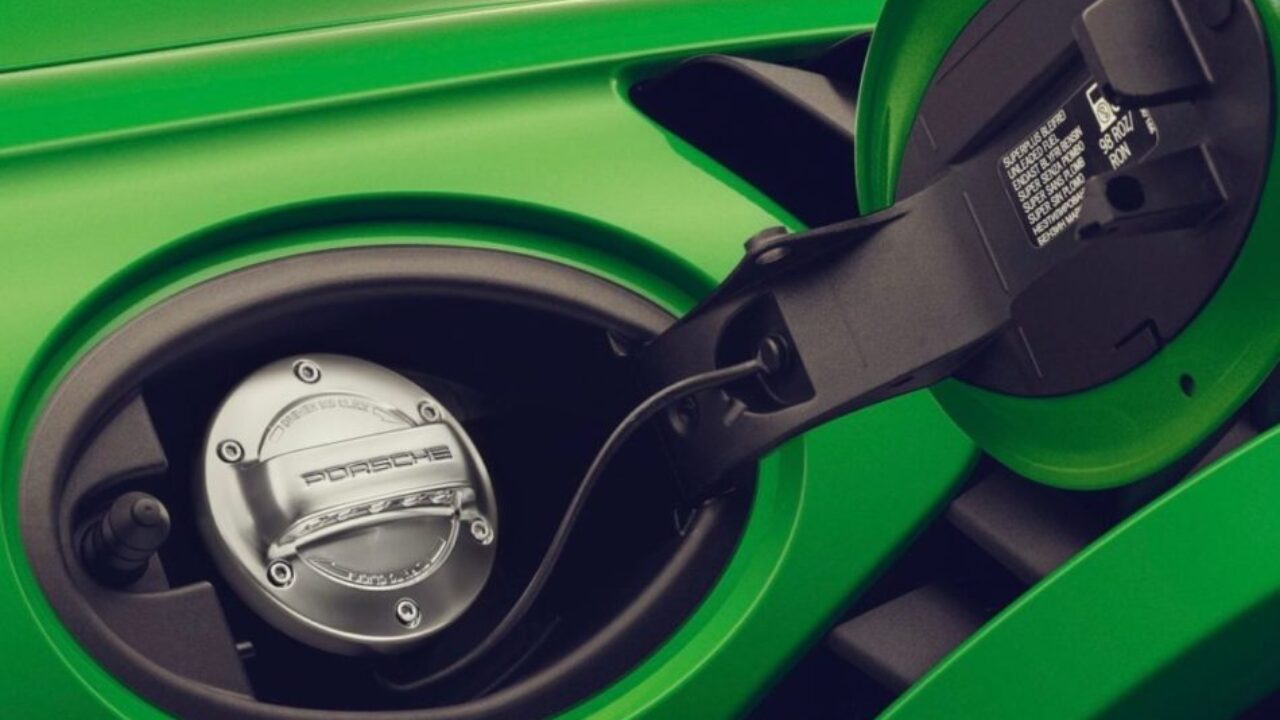
In The Far South Of South America, North Of Punta Arenas, Chile, The Haru Oni Plant Has Recently Been Inaugurated And Plans To Produce Future Fuel, The Green Hydrogen, Capable Of Removing Enough Carbon Dioxide From The Atmosphere To Produce Almost 200,000 Gallons Of Methanol This Year.
Part Of This Will Be Later Converted Into Approximately 34,000 Gallons Of Green Gasoline – All Of Which Will Be Sent To Porsche For Use In Motorsport With Future Fuel.
How Will Future Fuel Be Produced?
In The Magallanes Region Of Chile, The Powerful Williwaw Winds Have Fueled An Extremely Low-Pressure System Where The Atlantic And Pacific Oceans Meet.
The Available Wind Power Is Approximately Four Times Greater Than Anywhere In Continental Europe, Which Is One Of The Reasons Why The Plant Is Located In Chile And Not In Europe.
-
Less than a Tera TSI, up to 710 km of range and charging in 9 minutes: the new BYD Song Ultra expands the Chinese brand’s bet on increasingly faster, more technological, and competitively priced electric SUVs.

-
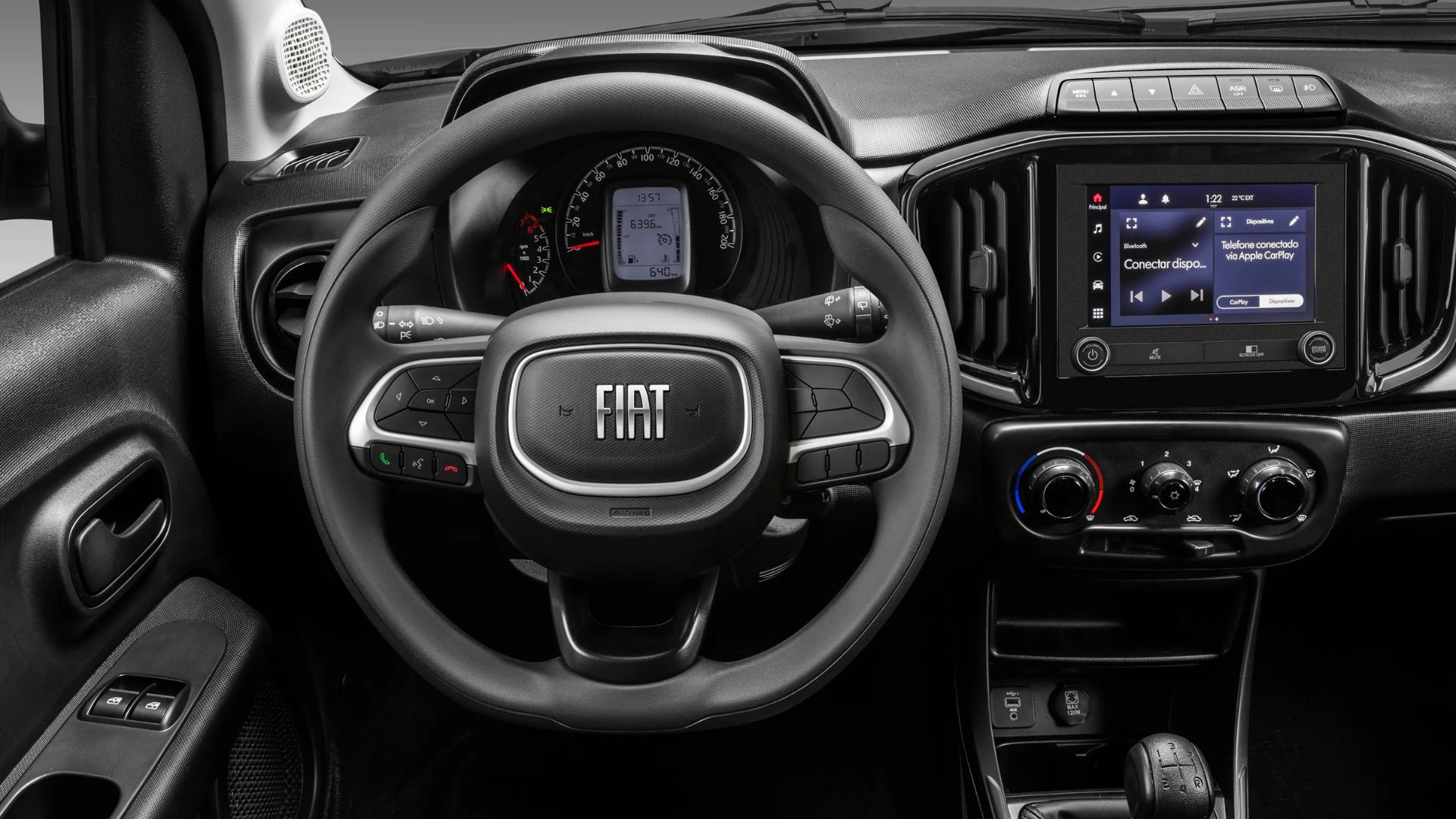
With a 1.0 engine producing 75 hp and costing less than R$ 70,000, Fiat’s car returns to the podium as the cheapest in the country; a temporary promotion for the 2026 Like version reduces the price of the Fiat Mobi.
-
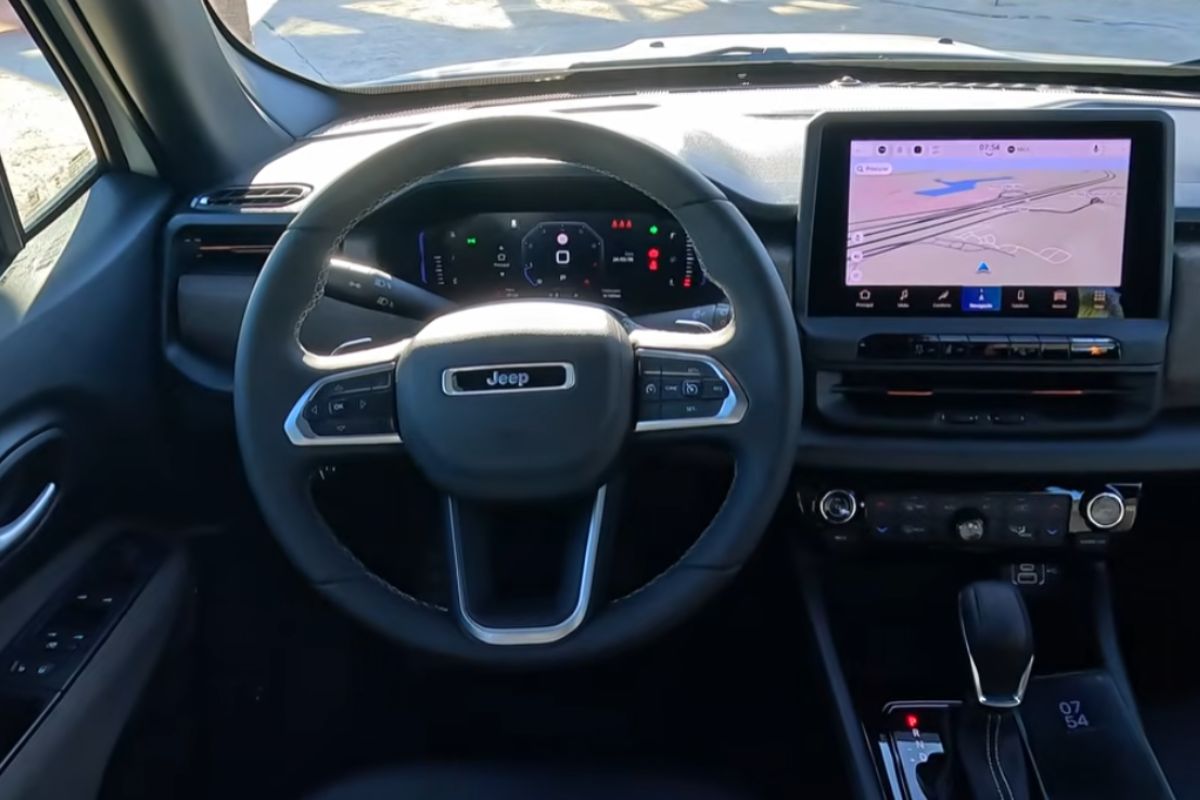
With a mild hybrid system of 48 V, 176 hp and a price of R$ 175,990 in the Sahara version, the new Jeep Renegade changes mostly on the inside, improves slightly in fuel consumption, and remains almost the same car.
-
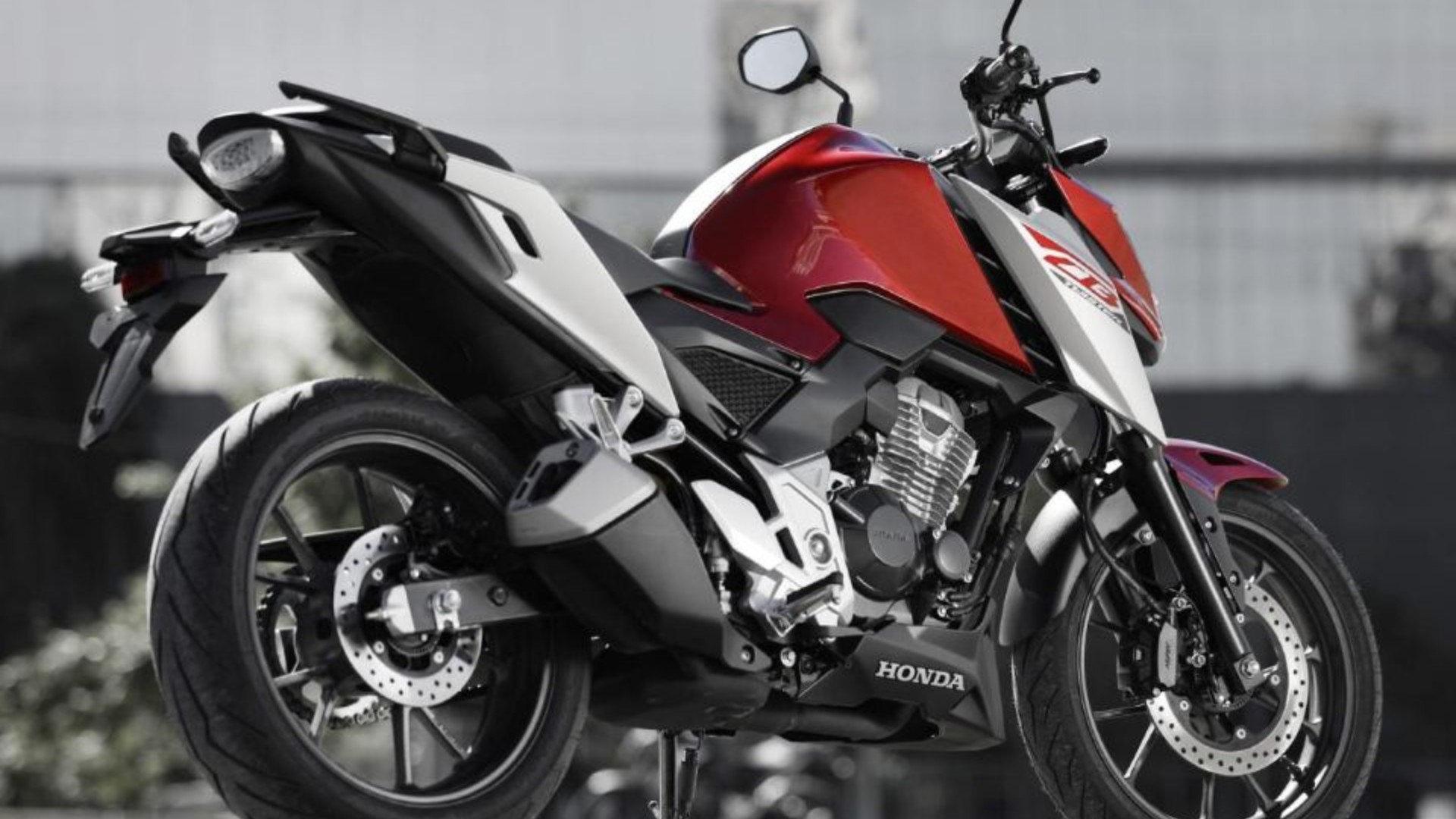
With a 293.5 cm³ engine and a range of up to 400 km with a 14.1-liter tank, the Honda CB 300F Twister 2026 has up to 24.7 hp, an initial price of R$ 25,150, and already exceeds R$ 29,000 in the Fipe Table.

The Project Is A Joint Effort Between HIF (Highly Innovative Fuels), Siemens Energy, ExxonMobil, And The Chilean Oil And Gas Companies ENAP And Empresas Gasco. Once Fully Operational In 2026, The Plant Will Be Able To Produce 1 Million Tons Of Green Methanol Per Year, Some Of Which Will Be Converted Into 145 Million Gallons Of Gasoline.
In Its First Year, A Siemens Gamesa 3.4 MW Wind Turbine Will Power A Siemens Silyzer 200 Proton Exchange Membrane, Producing Green Hydrogen From Water Through Electrolysis With 65% Efficiency.
Commercialization Will Increase Wind Power Generation To 2.5 GW (With A Corresponding Expansion Of Electrolysis), With Additional Efficiency Gains Expected Over The Next Five Years. The Global Thermostat System Extracts CO2 From The Air Using An Amine-Based Sorbent Coating On A Porous Ceramic Honeycomb Substrate. The CO2 Is Periodically “Washed” By Low-Temperature Steam To Produce 98% Pure CO2.
The Hydrogen And The Carbon Dioxide Pass Through A Johnson Matthey Copper-Zinc Catalyst To Form Green Methanol. Finally, The Methanol Is Vaporized, Superheated, And Sent To A Fluidized Bed Reactor, Where ExxonMobil Catalysts Help Convert It Into Gasoline, With Water As A Byproduct Of Future Fuel.
The Additives And Mixtures Needed To Ensure That The eFuel Can Serve As A “Drop-In” Substitute For Petroleum-Based Gasoline Reduce Its Carbon Intensity Number To About 10, Instead Of Zero. This Still Means That Combustion Produces 90% Less Net Carbon Than Regular Gasoline, But With The Same Performance Characteristics.
As Further Commitment To This Carbon-Neutral Fuel, Porsche Invested US$ 75 Million In HIF Global, Acquiring A 12.5% Stake In The Chilean Company For Future Fuel.
Porsche’s Investment Is Accompanied By Other Contributions From Financial Institutions And Companies Such As EIG, Baker Hughes, Gem Investments, And The Main Shareholder Andes Mining And Energy (AME). These Investments Will Not Only Be Used To Produce eFuels In Chile But Also To Build Additional Facilities In The U.S. And Australia.







Seja o primeiro a reagir!