





 Portuguese
  English
  Spanish
  3 min of reading
  0 comments


ADN Bio Promotes Sustainability Through Reverse Logistics, Biodegradable Products, and Environmental Education Aligned with the G20 and Circular Economy.
ADN Bio stands out by incorporating sustainability practices into its operations, utilizing innovative methods such as reverse logistics and the development of biodegradable products. These initiatives not only meet environmental requirements but also provide significant competitive advantages for companies seeking to reposition themselves in the market. Additionally, the company operates with a strong commitment to environmental education, contributing to awareness and the formation of an organizational culture focused on environmental preservation.
Following the recommendations of the G20 Summit, ADN Bio aligns its strategies with the principles of sustainability, promoting concepts such as the circular economy. This approach aims at reducing waste and increasing the reuse of materials, resulting in a positive impact on both the environment and the financial outcomes of companies. Engagement with practices of sustainable development reflects a continuous commitment to minimizing environmental impact while driving responsible economic growth. Transforming environmental challenges into opportunities is the central focus of ADN Bio’s initiatives.
Global Commitment and Sustainable Development
Global leaders have renewed their commitment to sustainable development, delivering guidance to the private sector focused on environmentally responsible practices. Discussions concentrated on the imperative to implement concrete climate actions aimed at addressing negative environmental impacts, reducing the amount of waste generated, and aggressively combating pollution. An essential pillar of the discussions was support for the circular economy, which seeks to promote the reuse and recycling of materials. These actions are seen as crucial to ensuring sustainability across the planet.
-
Mysterious object on Mars divides NASA and Harvard after Curiosity image reignites suspicions about what was really found on the planet.

-
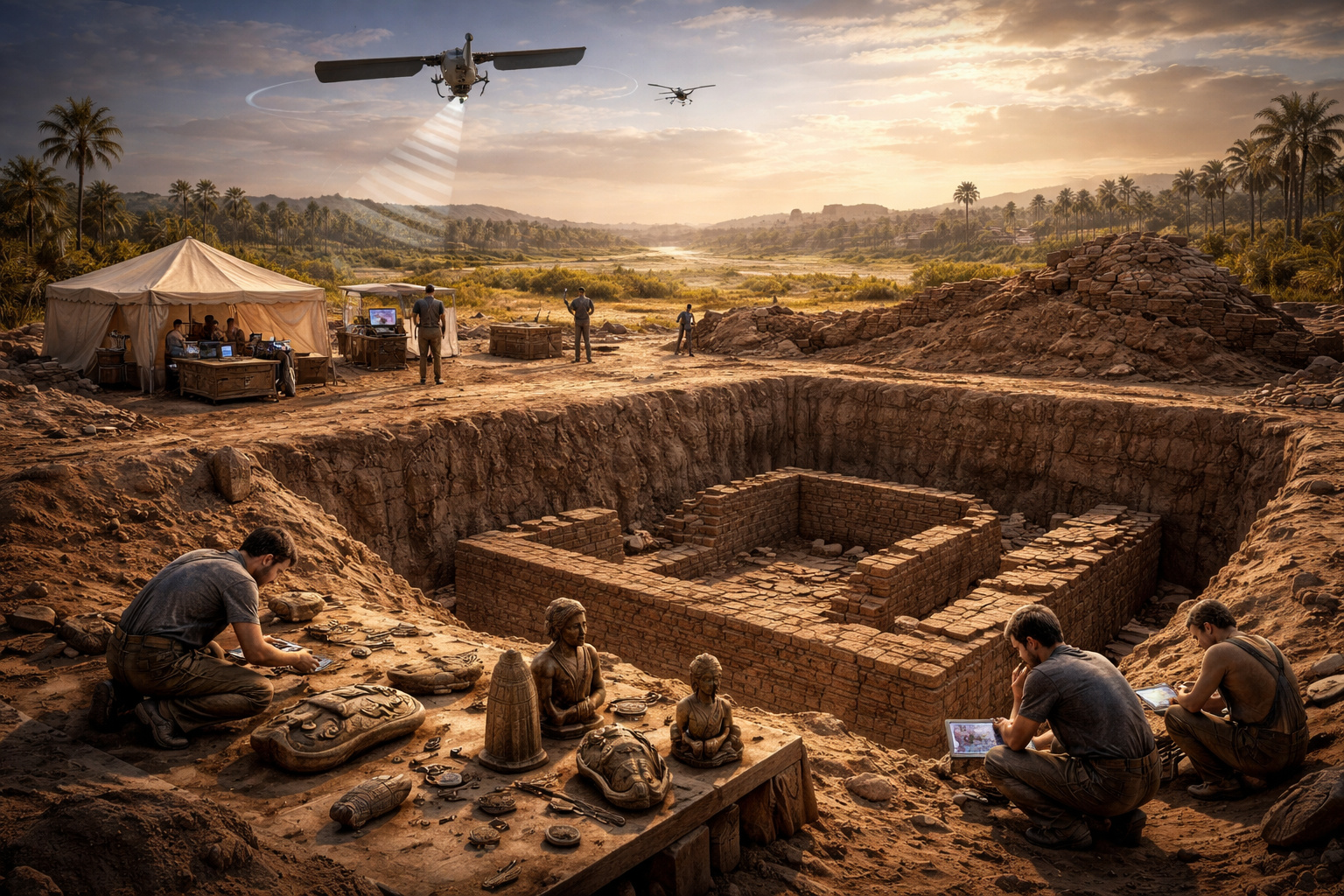
Giant structures 14 meters beneath Egypt are revealed by satellites and expose a millennia-old secret buried in Buto.
-
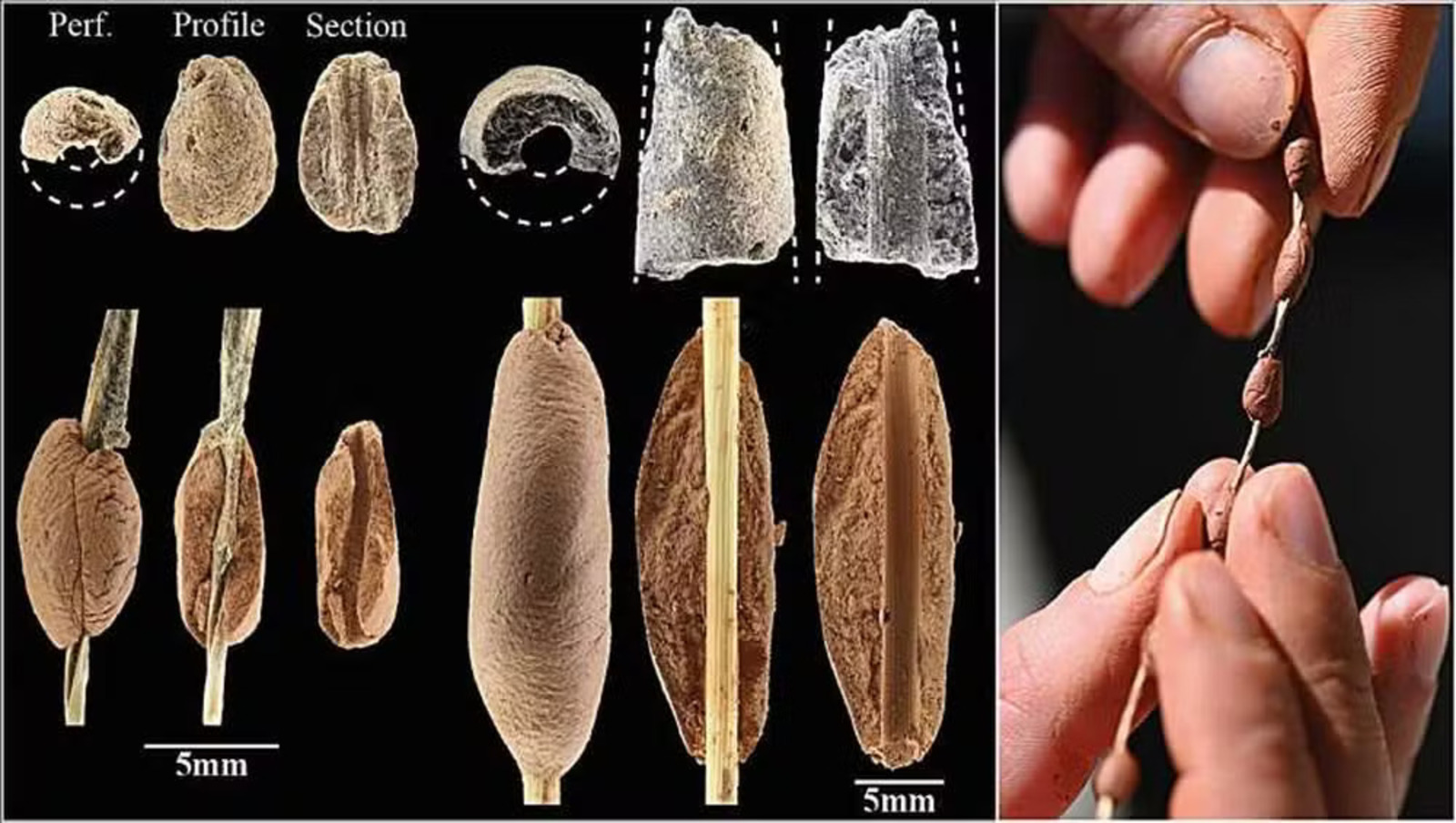
Children have been making clay pieces for 15,000 years in Southwest Asia, and fingerprints preserved on 142 ornaments helped archaeologists prove this.
-
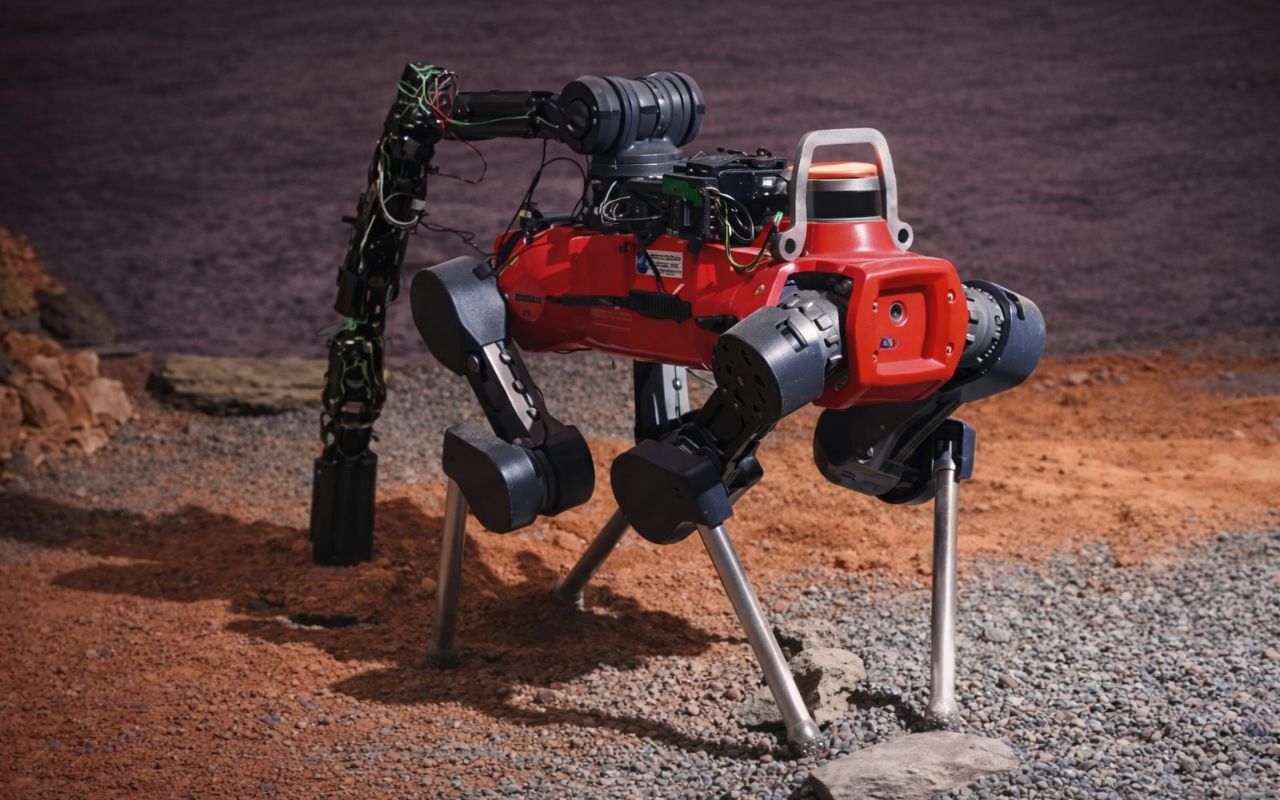
New semi-autonomous legged robot technology challenges the limitations of space exploration by operating almost without human intervention on the Moon.
Reverse Logistics and Environmental Awareness
ADN Bio is already actively participating in this global initiative. The company has committed to reverse logistics and developed environmental awareness projects that are aligned with these global demands. The private sector has a primary responsibility for meeting environmental goals. For effective business management, it is essential to be clear about how these issues directly impact various segments of the business. Strategies should be formulated to mitigate environmental impacts by applying practices that promote sustainable development.
Innovations and Business Sustainability
ADN Bio stands out for its commitment to the environmental, social, and economic aspects that underpin sustainability. Always in search of new technologies and innovations, the company prioritizes biodegradable products for application in industry and trade. A significant example is the reverse logistics system for vegetable oil, with proper disposal points. The partnership with schools, municipalities, cooperatives, and other companies has expanded this network. Additionally, educational initiatives are developed, reaching thousands of children with explanations about the importance of proper disposal and encouraging conscious consumption.
Positive Results and Waste Reduction
Implementing these actions not only brings benefits to businesses, such as cost reduction, but also meets the demands of both the public and private sectors. Such measures are in line with the G20 document, which underscores the crucial role of the three dimensions of sustainable development: economic, social, and environmental. The commitment to significantly reducing waste, including those that are poorly managed, is emphasized. The proposal is to adopt zero waste practices and other strategies that support the circular economy. Prevention, reduction, reuse, and recycling are prioritized to create a continuous positive impact on the environment.
Source: ADN Bio








-

Uma pessoa reagiu a isso.