





 Portuguese
 Spanish


Copel approved R$21.1 billion in investments from 2027 to 2030, with 67% allocated to distribution in Paraná. The plan includes grid upgrades and expansions at the Foz do Areia and Segredo hydropower plants, which are expected to add 2.1 GW to the system.
Copel approved a new R$21.1 billion investment program for 2027 to 2030, with R$14.1 billion earmarked for electricity distribution in Paraná. The announcement, made to the market on November 19, puts modernization of the grid serving homes, businesses and industry at the center of the company’s strategy.
The plan also includes expansions at the Foz do Areia and Segredo hydropower plants on the Iguaçu River. Their projects total about R$4.9 billion and are expected to add approximately 2.1 gigawatts (GW) of installed capacity. Copel plans to invest R$5.45 billion in 2027, the first year of the new cycle.
Distribution will receive R$14.1 billion, the largest share of the plan
The board of directors approved the program on November 18. The material disclosure presented to the market says 67% of the funds will go to Copel Distribuição, equivalent to approximately R$14.1 billion. Generation will receive 24%, transmission 7%, and the company’s other businesses 2% of the budget.
-
Bistek leases former Carrefour building in Novo Hamburgo and two former Nacional stores in Porto Alegre, all properties owned by Josapar

-
Brazil Cost reaches R$3.5 trillion a year, or 27.5% of GDP, with infrastructure, hiring and interest costs the biggest burdens
-
BTG Pactual downgrades Brazil to neutral in its Latin America portfolio, drops Itaú, XP and Assaí after stock market falls 29% in dollar terms over 30 days
-
Brazil’s minimum wage buys 39 kg of beef chuck in 2026, down from nearly 62 kg in 2007, even as the country becomes the world’s largest beef producer


In approximate amounts, the breakdown represents R$5.1 billion for generation, R$1.5 billion for transmission and R$422 million for other initiatives. Distribution accounts for most of the investment because it covers the poles, cables, transformers and substations that deliver electricity to consumers’ homes and workplaces.
Copel serves about 5.4 million customer accounts in the state. The stated goals of the investment are to expand infrastructure, improve service quality and increase operational efficiency. The announcement outlines planned future spending; it does not confirm that all R$21.1 billion has already been invested.
More than 3,500 kilometers of power lines are under construction in Paraná
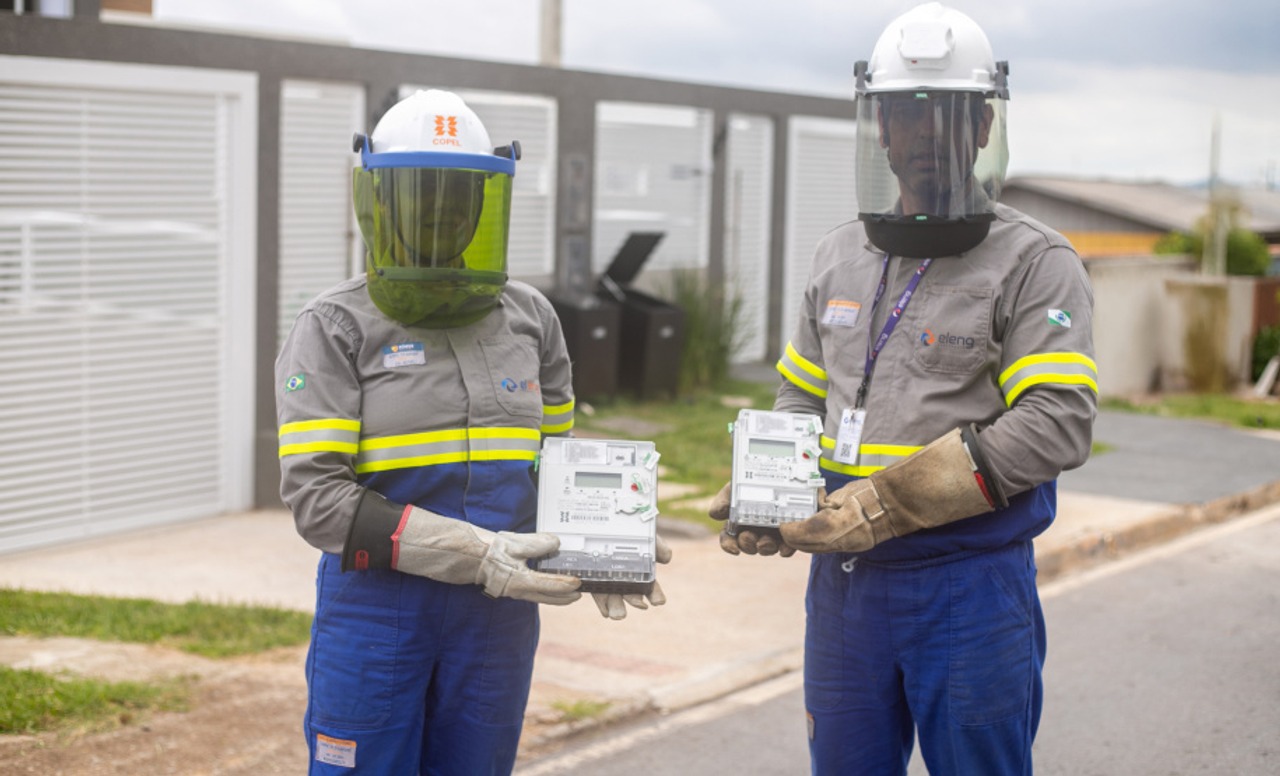
The scale of the challenge is evident in the work underway in 2026. In a September announcement, the company said it was already building more than 3,500 kilometers of new power lines through expansions, replacements and upgrades, with R$1.94 billion in distribution investments planned for that year alone.
The projects include installing new feeder circuits and more than 3,000 automation devices, such as reclosers and voltage regulators. These devices help detect faults, isolate affected sections and restore service more quickly, especially when problems occur on the grid.
The new budget for 2027 to 2030 extends the company’s financial planning horizon, but the full list of projects and municipalities receiving portions of the funding will depend on the details of annual implementation. For customers, the key result to watch will be a measurable improvement in service continuity, with no automatic promise of lower rates.
Two hydroelectric plants will receive about R$4.9 billion and add 2.1 GW
A significant share of the funding for generation is tied to the expansion of the Segredo and Foz do Areia plants. The projects, awarded after Copel won Brazil’s Capacity Reserve Auction in March 2026, began construction in June, months before the new multi-year program was unveiled.
At the Governador Ney Braga plant, known as Segredo, between Reserva do Iguaçu and Mangueirinha, the company plans to invest R$3.6 billion to increase capacity from 1,260 to 2,526 megawatts. The project calls for a second powerhouse and the use of existing structures, without expanding the reservoir.
At Foz do Areia, in Pinhão, the estimated investment is R$1.3 billion. Capacity is expected to rise from 1,676 to 2,536 megawatts. The expansion will use space set aside in the plant’s original design, allowing generators to be added without building an entirely new dam.
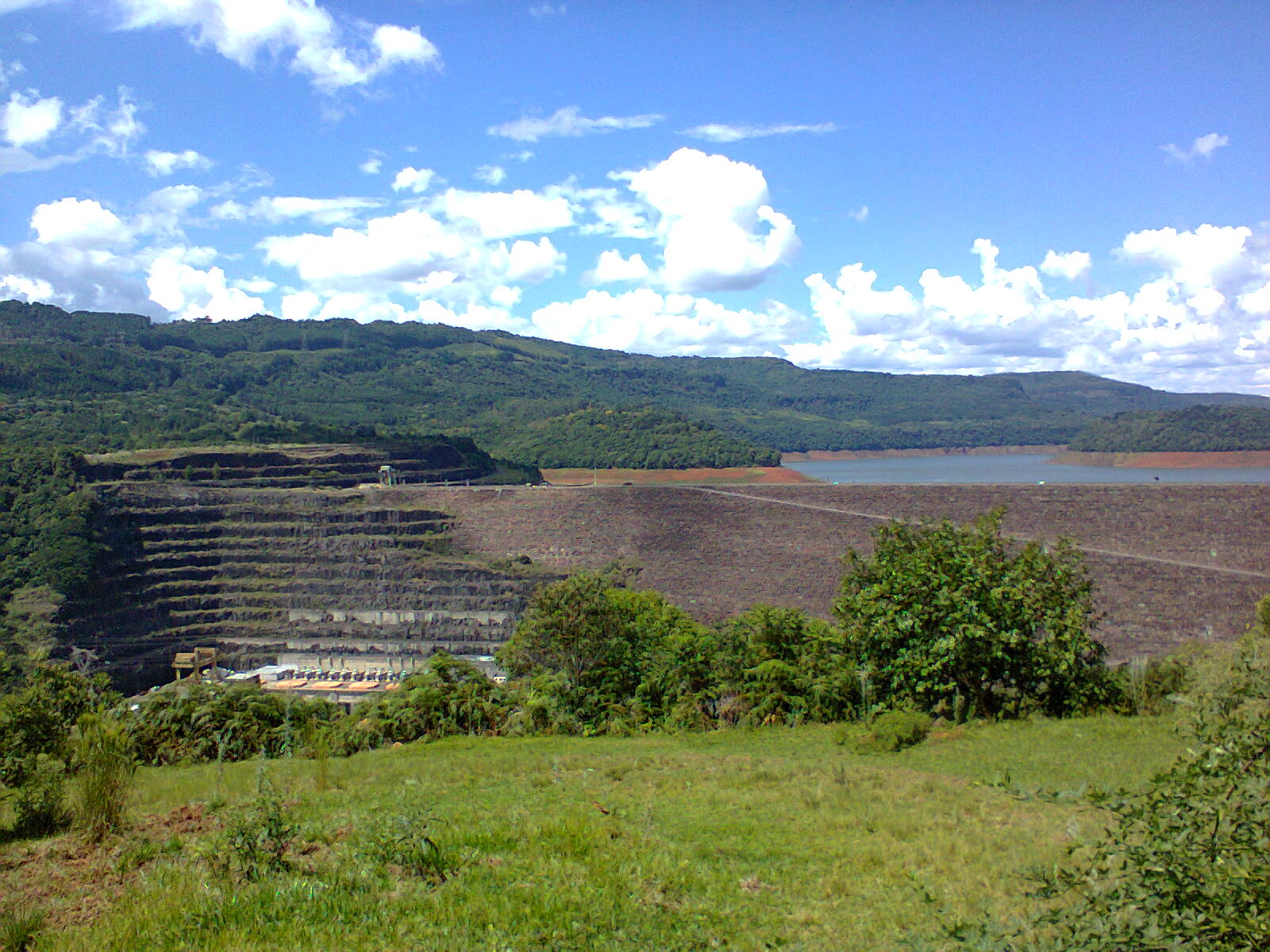
The two expansions were contracted to begin supplying power in August 2030 and will add approximately 2,126 megawatts of installed capacity combined. The company estimates that its hydropower and wind generation fleet will grow from about 6.2 GW to 8.3 GW after the projects are completed, an increase of approximately 33%.
Plant construction is expected to employ up to 2,000 workers at the peak of the projects
The expansions will also have a direct impact on the local economy. Copel says the two construction sites are expected to employ about 2,000 workers during peak activity, generating additional demand for construction, transportation, retail, lodging and food services in municipalities near the Iguaçu River.
The investment and worker estimates refer to the contracted hydroelectric expansions, not to an employment estimate for the entire R$21.1 billion program. This distinction avoids attributing to the program as a whole a job total that the company disclosed only for two projects.
Copel sets aside R$5.45 billion for investment in 2027
The first year of the new cycle is expected to include approximately R$5.45 billion in capital expenditures, known as capex. Of that total, R$2.94 billion will go to distribution, while about R$2.41 billion will be allocated to generation and transmission businesses.
The 2027 generation and transmission program is expected to fund the Foz do Areia and Segredo expansions, maintenance of existing facilities, and upgrades to high-voltage assets. About R$96 million is earmarked for energy trading, services and the holding company.
The program was presented at Copel Day, a meeting with analysts and investors in New York. In an interview with CNN Brasil, CEO Daniel Slaviero said the company was taking a cautious approach to auctions for new transmission lines because of competition and financial conditions; its current focus is on reinforcing and upgrading assets already in operation.
New budget tops previous R$17.8 billion plan
In November 2025, the company had announced a R$17.8 billion spending plan for five years, from 2026 to 2030. The budget approved now is R$3.3 billion higher, an approximately 18.5% nominal increase, although it covers only four years, from 2027 to 2030.
The difference in time periods must be taken into account when making the comparison. The 2026 plan was already being implemented before this week’s announcement, and some generation projects were contracted and launched in 2026. The new program updates the financial plan for a subsequent cycle rather than announcing every project from scratch.
Distribution investments also matter to economic activity in Paraná, where the power infrastructure serves industries, farms, businesses and major urban centers. Access to reliable energy is essential for production expansions, but the budget’s impact will depend on how much construction is completed and the quality of service delivered to customers.
Plan’s results will be tracked through 2030
The key measures for tracking the new program’s progress will be annual spending actually incurred, new facilities brought online and power-supply reliability indicators. The board’s approval of R$21.1 billion sets the financial ambition, while the actual schedule will show which projects move forward.
For the hydroelectric plants, the most important milestone remains the expected start of operations for the additional capacity in 2030. In distribution, the program starts with nearly R$3 billion already set aside for 2027. The scale of the funding puts Copel to the test: turning billions in spending into a more robust grid for millions of customers.


