





 Portuguese
  English
  Spanish
  3 min of reading


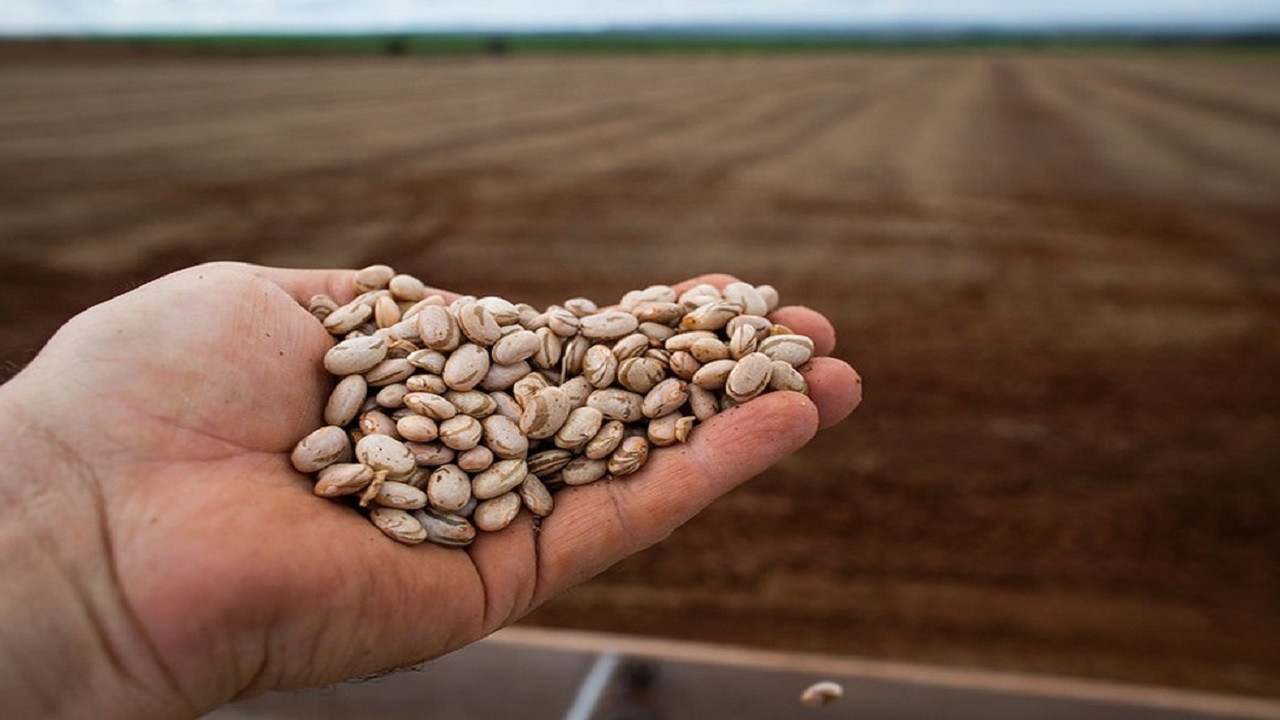
In Addition to Hitting the Energy System, the Water Crisis Also Affects Agriculture, Potentially Making the Classic Brazilian Dish, Rice with Beans, More and More Expensive
At the same time that the country is threatened by a new energy rationing due to the water crisis, agriculture is also beginning to feel the scarcity of rains in the country. The sector that is expanding significantly in the country, irrigated agriculture, where water is applied directly to the roots of plants and is more present in the production of food aimed at the domestic market, is already witnessing rising costs and crop losses, which will consequently increase the price of rice and beans in the Brazilian consumer’s plate.
Read Also
Irrigated Agriculture Costs Increased by 30%


The water crisis can halt new businesses and is another pressure on the prices of food such as rice and beans, which have risen significantly in recent months and have already accumulated a 15.27% increase in the last year, completed in July.
-
A new Brazilian shopping center worth R$ 400 million will be built in an area equivalent to more than 4 football fields, featuring 90 stores, 5 cinemas, a supermarket, a college, and parking for 1,700 cars, potentially generating 3,000 jobs.

-
Larger than entire cities in Brazil: BYD is building a 4.6 km² complex in Bahia with a capacity for 600,000 vehicles per year, but the discovery of 163 workers in conditions analogous to slavery has shaken the entire project.

-
With an investment of R$ 612 million, a capacity to process 1.2 million liters of milk per day, Piracanjuba inaugurates a mega cheese factory that increases national production, reduces dependence on imports, and repositions Brazil on the global dairy map.

-
Brazilian city gains industrial hub for 85 companies that is equivalent to 55 football fields.

According to the National Confederation of Agriculture and Livestock of Brazil (CNA), it is already possible to observe increases of at least 30% in the costs of irrigated agriculture in several states.

Representatives of the agricultural sector in the South of the country also project losses of 50% in the production of rice and beans, which are present in almost the entire Brazilian territory. The water crisis and low reservoir levels are already beginning to impact the production of crops harvested both in dryland agriculture, where irrigation is done only in dry periods, and in irrigated agriculture, where water use for irrigation is constant.
Agriculture in Paraná Suffers a 20% Decrease
In the state of Paraná, the largest producer in the country, there was a 20% decrease compared to the estimated result for the second harvest of beans, according to information from the Brazilian Institute of Beans and Pulses (Ibrafe). In Rio Grande do Sul, the outlook for the start of irrigated rice planting also worries sector workers.
Despite the current water crisis, the region has been suffering from a lack of rains since mid-2018, to the point that the main source, the Arroio Duro dam, which accumulates water for irrigating crops in the summer during winter and spring, has only 38% capacity, when at this time it should be at 70%.
90% of Brazilian Rice Comes from Irrigated Agriculture
According to the latest agricultural census from IBGE, the area planted for family farming is 81 million hectares in the country. According to the Irrigation Atlas from the National Water Agency (ANA), 8.2 million hectares are irrigated.
According to Jordana Girardello, technical advisor to the National Irrigation Commission of CNA, the production of irrigated rice in Brazil accounts for 90%, and coffee grown by this system accounts for 30%. Today, there are about three harvests of beans per year.
The third harvest is 100% cultivated through irrigation and represents 20% of the total harvested in Brazil. Industrial tomatoes, which use the drip irrigation system, are used in the production of pulp, ketchup, and sauce, and besides beans and rice, are a good example of agricultural products that may be affected by the water crisis.

Formado em Jornalismo e Marketing, é autor de mais de 20 mil artigos que já alcançaram milhões de leitores no Brasil e no exterior. Já escreveu para marcas e veículos como 99, Natura, O Boticário, CPG – Click Petróleo e Gás, Agência Raccon e outros. Especialista em Indústria Automotiva, Tecnologia, Carreiras (empregabilidade e cursos), Economia e outros temas. Contato e sugestões de pauta: valdemarmedeiros4@gmail.com. Não aceitamos currículos!





Seja o primeiro a reagir!