Portuguese
  Spanish


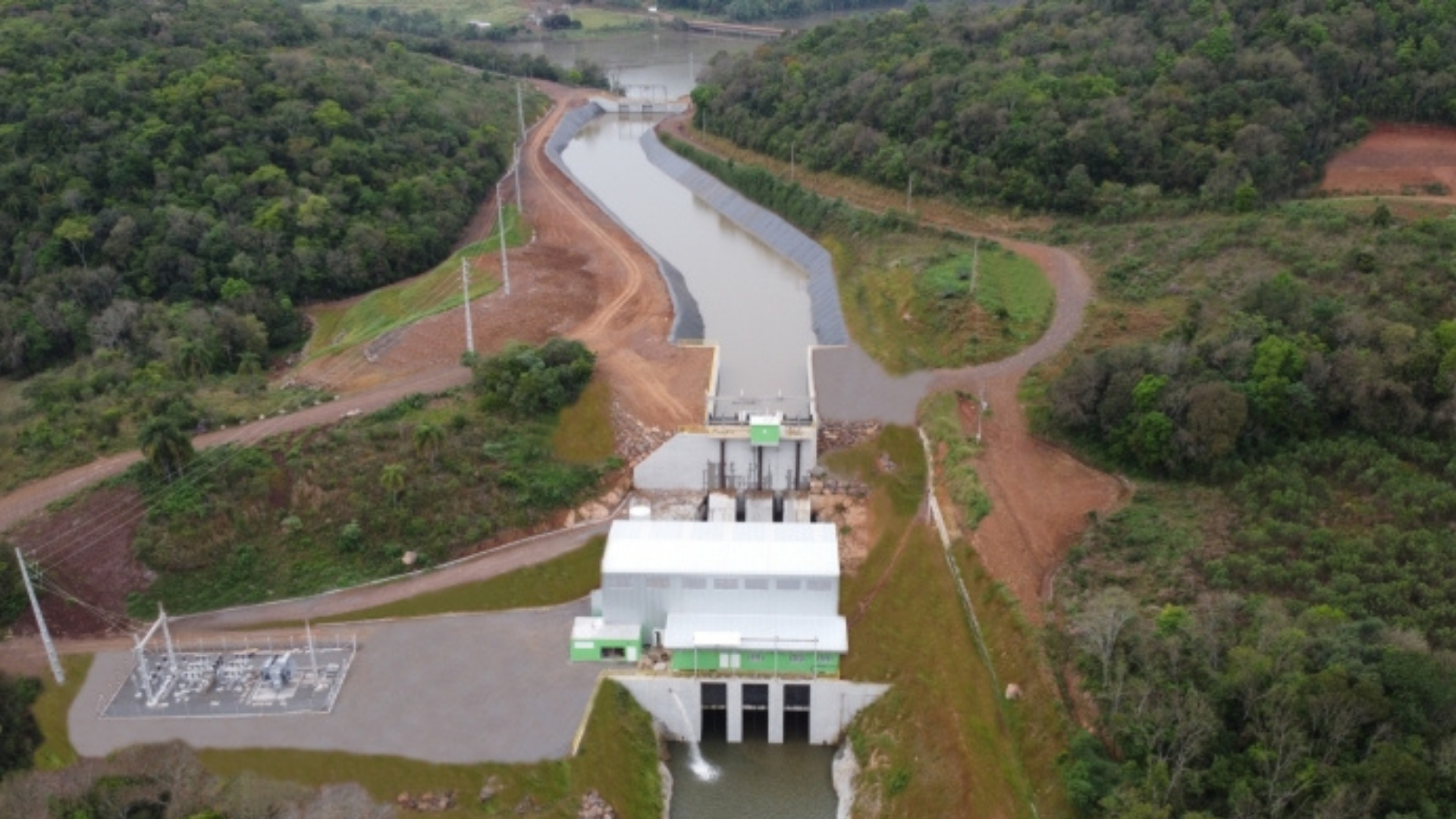

Creral Presented the Project for a 49.3 MW Hydroelectric Plant Called UHE Foz do Prata to be Built in Rio Grande do Sul
Creral’s management presented on Thursday morning (06/24) to the public authorities of the city of Veranópolis in Rio Grande do Sul, the project for a new hydroelectric plant to be built in the Serra Gaúcha, UHE Foz do Prata. With an estimated investment of around R$ 300 million, the project already has the terms of reference for the Environmental Impact Study and Environmental Impact Report (EIARIMA) approved by FEPAM, and this month, the agency issued the authorization for the management of wildlife. Also see: China Develops Second Largest Hydroelectric Plant in the World and Plans to Inaugurate It Next Month in July
- Ford Launches Service for Consumers Who Want to Drive a New Car Every Year for Just One Monthly Payment
- New Solar Power Complex in Piauí Promises to Create 3,600 Jobs
- Energisa Will Inaugurate the First Artificial Intelligence Center in the Electric Market to Develop Solutions for the Brazilian Electricity Industry
- Enel X, a Company of the Enel Group, Partners with Banco Itaú for Electric Car Sharing Service in Brazil
- 1700 Free Online Courses Offered by Universities in the United States, Such as Harvard, Michigan, Stanford, and Others
The Project for the New Hydroelectric Plant in Rio Grande do Sul
The president of Creral explained that the Foz do Prata hydroelectric plant will have an installed capacity of 49.3 MW with the characteristics of a small hydroelectric plant (PCH), with 45 MW in the main powerhouse. The complementary powerhouse at the foot of the dam will have an additional 4.3 MW.
Foz do Prata is the first hydroelectric plant of Creral, a rural electrification cooperative with over 50 years of existence and 20 years operating in generation through PCHs, CGHs, UTEs, and UFVs. This year, the cooperative is building solar plants in the states of Rio Grande do Sul and São Paulo, and three more CGHs in Santa Catarina. Currently, two own plants and five other plants are operated in partnership with investors.
-
At 14 years old, she worked in a factory in Hong Kong, studied economics abroad, and then entered the Chinese real estate market, which helped change the landscape of Beijing.

-
While NATO secured more than $10 billion in missiles and space surveillance at a single forum, Brazil still spends 1.1% of its GDP on defense and is stalling its own anti-aircraft system.

-
Producer receives news and had to cull almost the entire herd, bounced back with the help of compensation, and is now producing 450 liters of milk per day in SC.

-
Corn ethanol attracts R$ 23 billion in 21 new plants and prepares for a nearly 50% jump in Brazilian production by 2027, even with high interest rates.


Also See: New Biomass Plant to Be Built in the State of Rio Grande do Sul. About 100 New Jobs Will Be Created, and R$ 50 Million Will Be Invested
Enerbio Energy and Environment received last Tuesday (06/15) the authorization from the City Council of Uruguaiana, with the approval of the executive-authored bill that deals with the granting of an area of 7.85 hectares for the installation of a Biomass Plant in the municipality in the state of Rio Grande do Sul. The estimate is that R$ 50 million will be invested in the municipality for the installation of the plant and 100 new jobs will be generated.
According to the project, the biomass plant will produce clean and renewable energy from rice husks, estimating a monthly production of 8 MW of energy, which is capable of supplying a city with 100,000 inhabitants.
According to data from the Treasury Secretariat, of the R$ 50 million allocated for implementation, about R$ 3 million will stay with the municipality. The projection is that Uruguaiana will collect R$ 9 million annually in Service Tax (ISSQN) once the plant begins operations. The concession location is in the Charqueada area, a suburb about 10 kilometers from the city. The installation process in the city of Rio Grande do Sul is expected to take between 18 and 24 months.