Portuguese
  Spanish


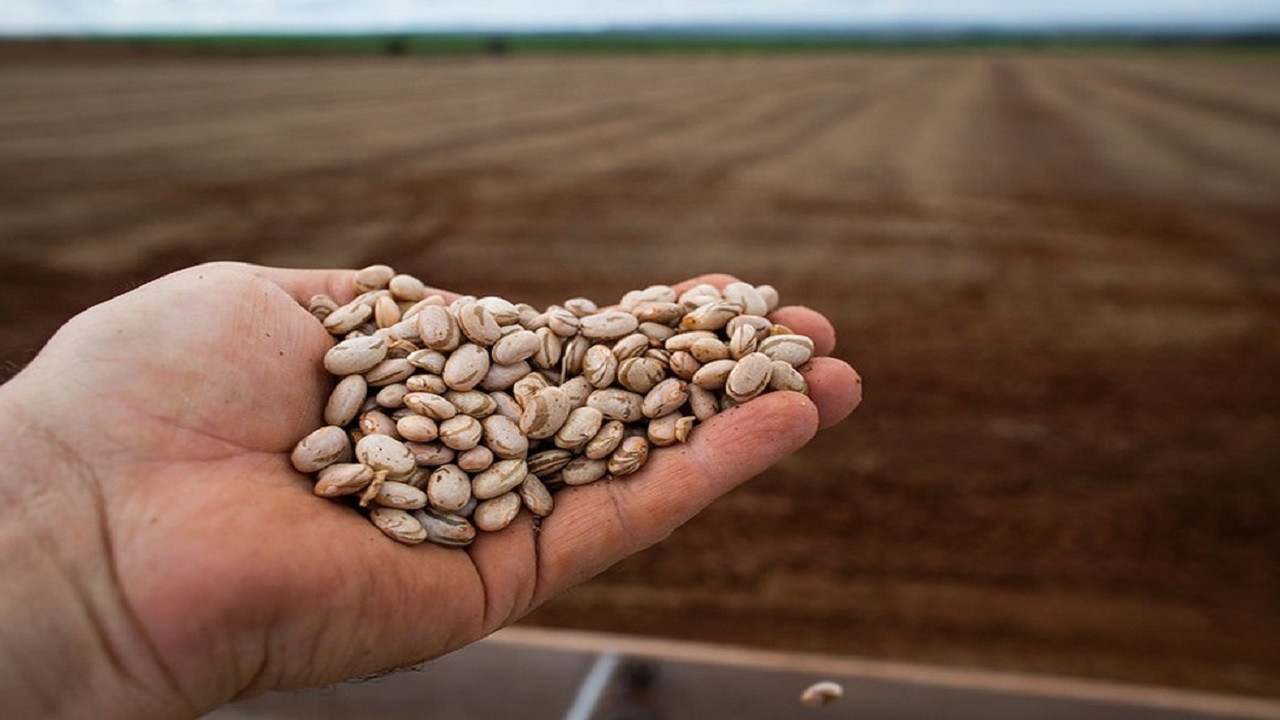

In Addition to Hitting the Energy System, the Water Crisis Also Affects Agriculture, Potentially Making the Classic Brazilian Dish, Rice with Beans, More and More Expensive
At the same time that the country is threatened by a new energy rationing due to the water crisis, agriculture is also beginning to feel the scarcity of rains in the country. The sector that is expanding significantly in the country, irrigated agriculture, where water is applied directly to the roots of plants and is more present in the production of food aimed at the domestic market, is already witnessing rising costs and crop losses, which will consequently increase the price of rice and beans in the Brazilian consumer’s plate.
Read Also
Irrigated Agriculture Costs Increased by 30%


The water crisis can halt new businesses and is another pressure on the prices of food such as rice and beans, which have risen significantly in recent months and have already accumulated a 15.27% increase in the last year, completed in July.
-
At 14 years old, she worked in a factory in Hong Kong, studied economics abroad, and then entered the Chinese real estate market, which helped change the landscape of Beijing.

-
While NATO secured more than $10 billion in missiles and space surveillance at a single forum, Brazil still spends 1.1% of its GDP on defense and is stalling its own anti-aircraft system.

-
Corn ethanol attracts R$ 23 billion in 21 new plants and prepares for a nearly 50% jump in Brazilian production by 2027, even with high interest rates.
-
A newly opened terminal in the middle of the Amazon has begun transporting soy and corn through Amapá, eyeing the queue of ships that is congesting the ports in the South.


According to the National Confederation of Agriculture and Livestock of Brazil (CNA), it is already possible to observe increases of at least 30% in the costs of irrigated agriculture in several states.
Representatives of the agricultural sector in the South of the country also project losses of 50% in the production of rice and beans, which are present in almost the entire Brazilian territory. The water crisis and low reservoir levels are already beginning to impact the production of crops harvested both in dryland agriculture, where irrigation is done only in dry periods, and in irrigated agriculture, where water use for irrigation is constant.
Agriculture in Paraná Suffers a 20% Decrease
In the state of Paraná, the largest producer in the country, there was a 20% decrease compared to the estimated result for the second harvest of beans, according to information from the Brazilian Institute of Beans and Pulses (Ibrafe). In Rio Grande do Sul, the outlook for the start of irrigated rice planting also worries sector workers.
Despite the current water crisis, the region has been suffering from a lack of rains since mid-2018, to the point that the main source, the Arroio Duro dam, which accumulates water for irrigating crops in the summer during winter and spring, has only 38% capacity, when at this time it should be at 70%.
90% of Brazilian Rice Comes from Irrigated Agriculture
According to the latest agricultural census from IBGE, the area planted for family farming is 81 million hectares in the country. According to the Irrigation Atlas from the National Water Agency (ANA), 8.2 million hectares are irrigated.
According to Jordana Girardello, technical advisor to the National Irrigation Commission of CNA, the production of irrigated rice in Brazil accounts for 90%, and coffee grown by this system accounts for 30%. Today, there are about three harvests of beans per year.
The third harvest is 100% cultivated through irrigation and represents 20% of the total harvested in Brazil. Industrial tomatoes, which use the drip irrigation system, are used in the production of pulp, ketchup, and sauce, and besides beans and rice, are a good example of agricultural products that may be affected by the water crisis.

Graduated in Journalism and Marketing, he is the author of over 20,000 articles that have reached millions of readers in Brazil and abroad. He has written for brands and media outlets such as 99, Natura, O Boticário, CPG – Click Petróleo e Gás, Agência Raccon, among others. A specialist in the Automotive Industry, Technology, Careers (employability and courses), Economy, and other topics. For contact and editorial suggestions: valdemarmedeiros4@gmail.com. We do not accept resumes!