






 Portuguese
  Spanish


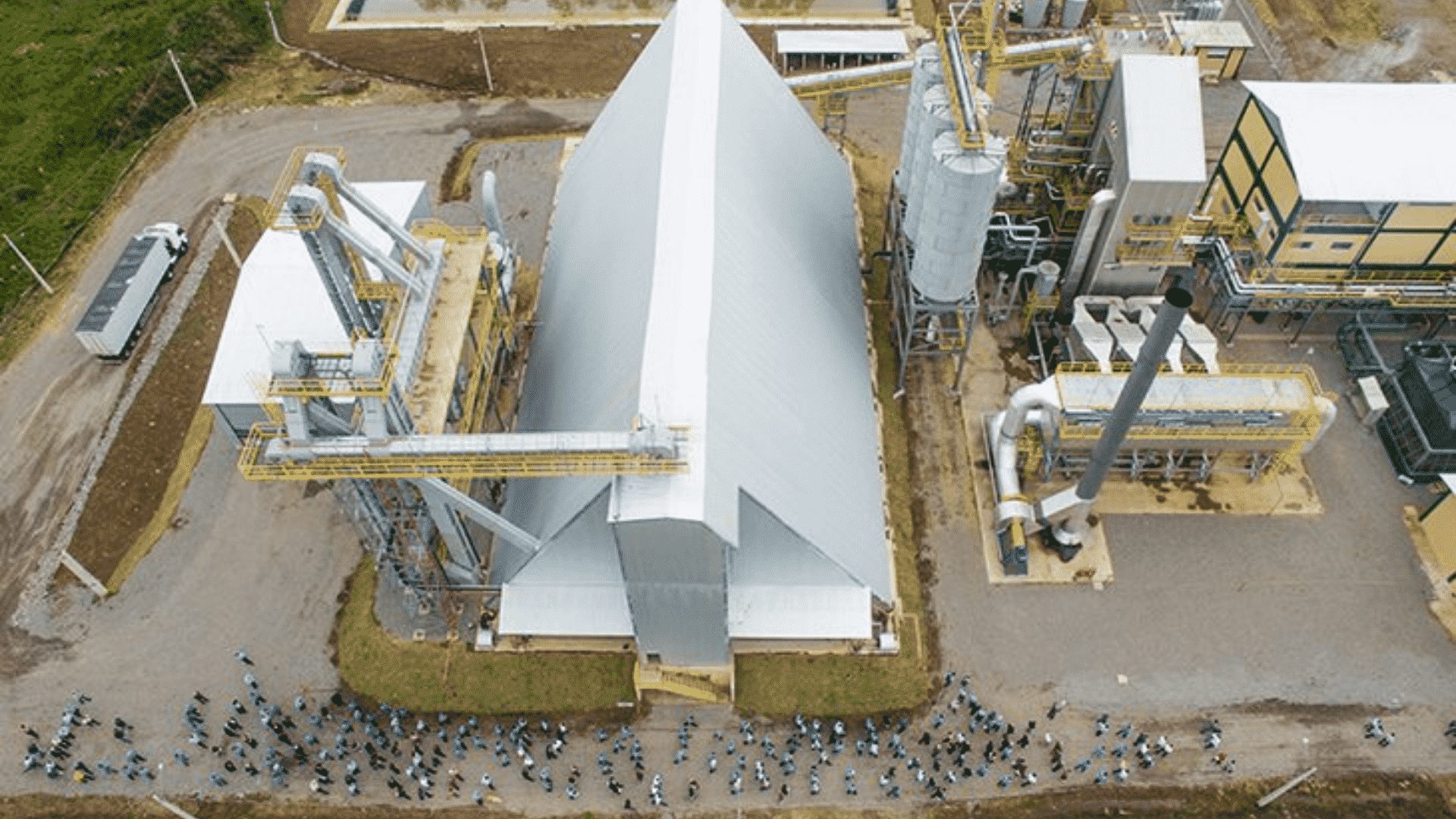

The New Thermoelectric Plants in the State of Rio Grande do Sul Will Be Built in the Municipalities of Capivari do Sul and Uruguaiana
The companies Enerbio Energia and Creral will build two thermoelectric plants in the state of Rio Grande do Sul, which will use rice husks as fuel to generate energy. The cities of Uruguaiana and Capivari do Sul will host the projects, and new jobs may be created in the state. See also: A New Hydroelectric Plant Will Be Built in the State of Rio Grande do Sul. About R$ 300 million Will Be Invested in the Project
- Enel SP Invests R$ 10.6 million and Starts Works to Increase the Energy Supply Capacity of the Sumaré Substation, Creating Jobs and Income for Local Residents
- General Motors Suspends Production at Its SP Plant for Another Month, Affecting the Manufacturing of the Tracker, Onix Joy, Onix Joy Plus, and Spin Models
- Horizonte Minerals, a Global Leader in Nickel Investment, Is Finalizing Preparations to Start Construction of the Araguaia Ferronickel Project in Pará
- As If the Prices of Gasoline, Diesel, Ethanol, and Cooking Gas Weren’t High Enough, Brazilians Also Face a Spike in Electricity Bills Due to the Worst Water Crisis in Recent Times
- Canadian Solar Secures R$ 500 Million Financing to Invest in New Solar Energy Projects in Brazil
New Thermoelectric Power Plant in Capivari do Sul
Creral, an energy company, has obtained the installation license to proceed with the project of the Litoral Norte thermoelectric power plant, which will be located in the municipality of Capivari do Sul, in the state of Rio Grande do Sul. Alderi do Prado, the company’s president, says they have been working on this thermoelectric power plant project for two years, and with the license, they will now focus on the executive project and the procurement of generation and infrastructure equipment.
The thermoelectric power plant that will be constructed will use rice husks as fuel to generate energy, with an installed capacity of 5 MW, consuming 40,000 tons of rice husks annually.
-
At 14 years old, she worked in a factory in Hong Kong, studied economics abroad, and then entered the Chinese real estate market, which helped change the landscape of Beijing.

-
While NATO secured more than $10 billion in missiles and space surveillance at a single forum, Brazil still spends 1.1% of its GDP on defense and is stalling its own anti-aircraft system.

-
Producer receives news and had to cull almost the entire herd, bounced back with the help of compensation, and is now producing 450 liters of milk per day in SC.

-
Corn ethanol attracts R$ 23 billion in 21 new plants and prepares for a nearly 50% jump in Brazilian production by 2027, even with high interest rates.


The rice husks to be used in the thermoelectric power plant in Capivari do Sul will be supplied by rice-producing companies in the municipalities of Capivari do Sul, Santo Antônio da Patrulha, and Palmares do Sul, all located in Rio Grande do Sul. The 33,000 square meter plot for the establishment of the project has already been purchased, and the connection point to the national interconnected system is awaiting definition from CEEE (Companhia Estadual de Energia Elétrica).
With Investments of R$ 50 Million, Another New Thermoelectric Plant Will Be Built in Rio Grande do Sul
Enerbio Energia e Meio Ambiente received on 06/15 the authorization from the City Council of Uruguaiana, with the approval of the executive-authored law project granting an area of 7.85 hectares for the installation of a thermoelectric plant in the state of Rio Grande do Sul. The estimate is that R$ 50 million will be invested in the municipality for the installation of the plant, creating 100 new jobs.
According to the project, the thermoelectric plant will produce clean and renewable energy from rice husks, estimating a monthly production of 8 MW of energy, which is sufficient to supply a city with 100,000 inhabitants.
According to data from the Secretary of Finance, of the R$ 50 million allocated for implementation, about R$ 3 million will remain with the municipality. The projection is that Uruguaiana will collect R$ 9 million annually in Service Tax (ISSQN) once the plant begins operations. The location of the grant is in the Charqueada area, a suburb located about 10 kilometers from the city. The installation process in the city of Rio Grande do Sul is projected to take between 18 and 24 months.
Check Out How a Rice Husk-Powered Plant Works:


