





 Portuguese
  English
  Spanish
  5 min of reading
  0 comments


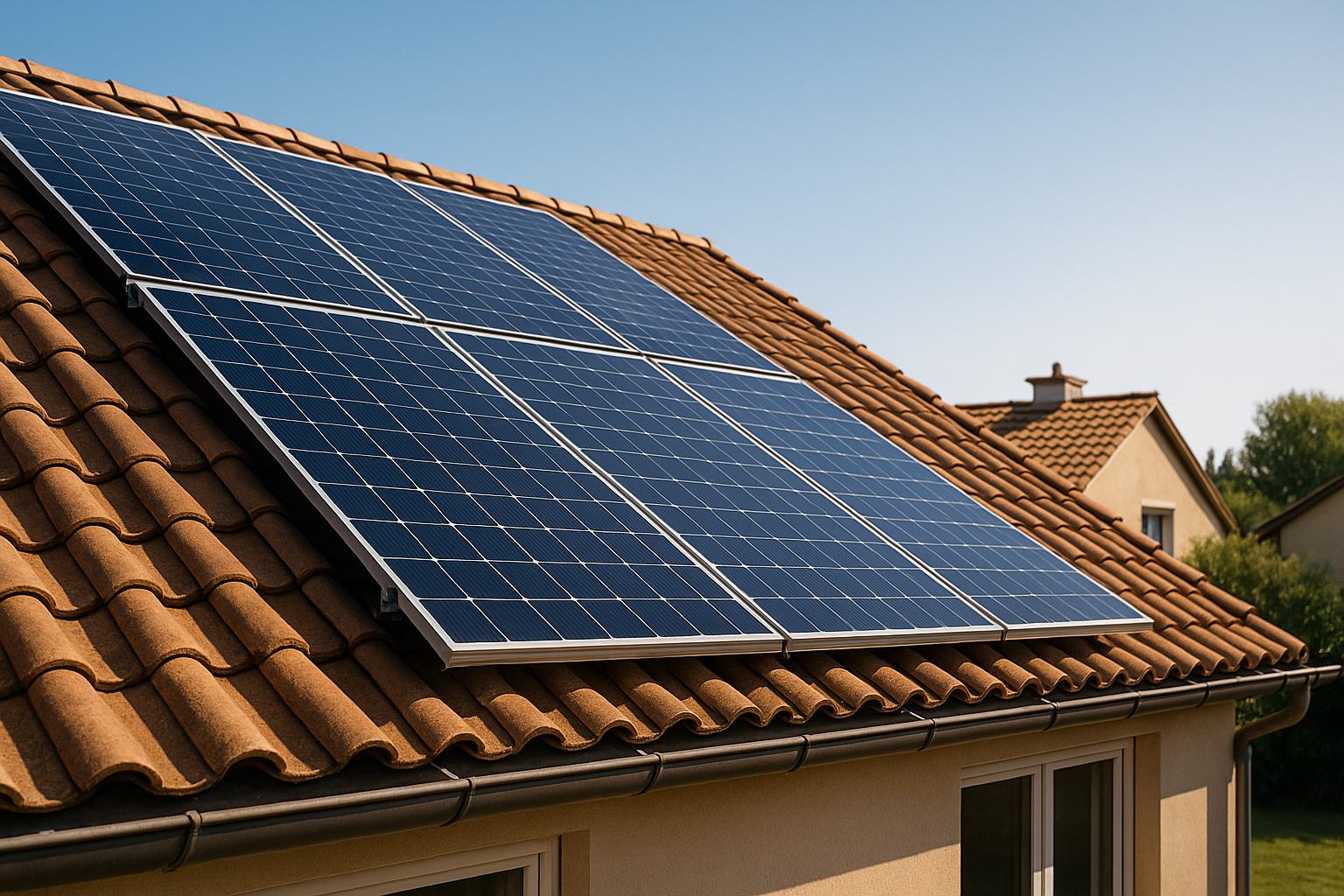
Understand How the Cost of Residential Solar Energy Has Shaped Consumer Behavior, Driven the Economy, and Transformed the Brazilian Energy Sector.
The cost of residential solar energy has been one of the most debated topics in recent years, mainly because the search for alternative and sustainable energy sources is growing globally.
As technology advances and equipment prices become more accessible, many families have started opting for photovoltaic systems as an alternative to traditional sources.
To understand how the cost of this type of energy impacts the market, it is essential to consider its historical trajectory, technological advancements, the role of public policies, and the economic transformations caused by this energy transition.
-
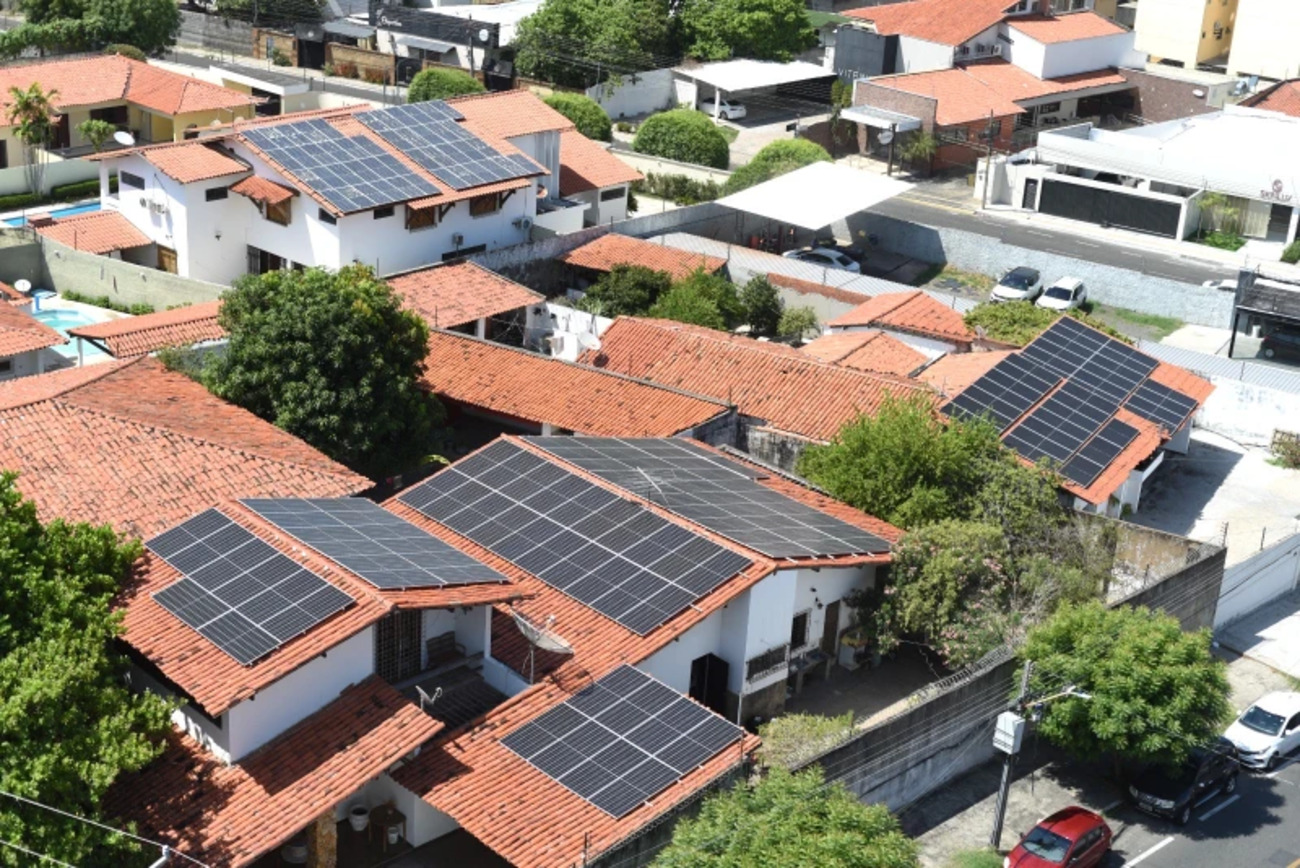
Piauí reaches a historic milestone in energy transition: State records nearly 160,000 households powered by solar energy and leads growth in the Northeast.
-
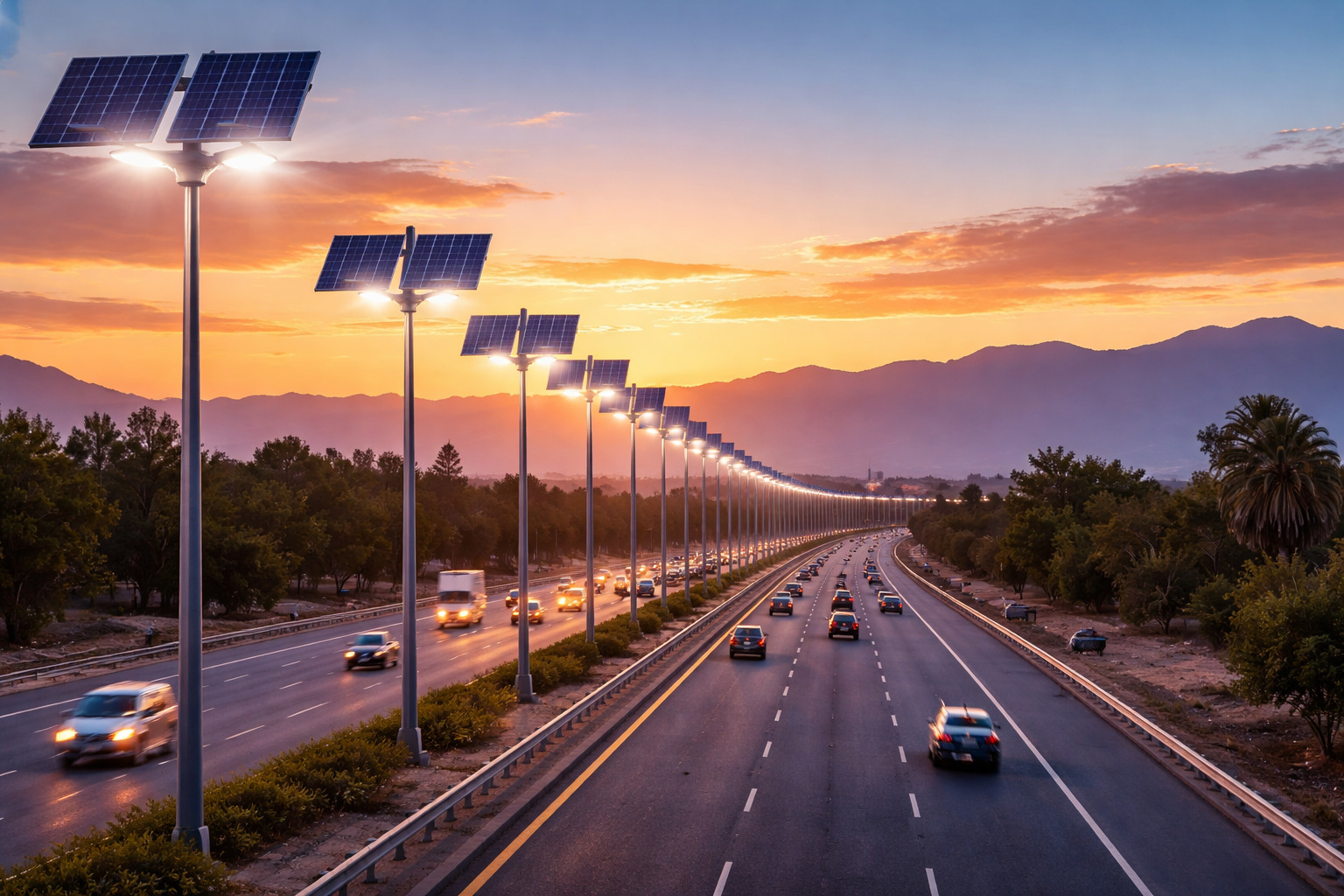
Argentina debuts its first 100% solar-powered highway and transforms an entire road into a showcase of clean energy.
-
Minas Gerais reaches a historic record and surpasses the power of Itaipu, but network costs generate debate: Understand why solar energy in MG impacts the electricity bill of those without panels.
-
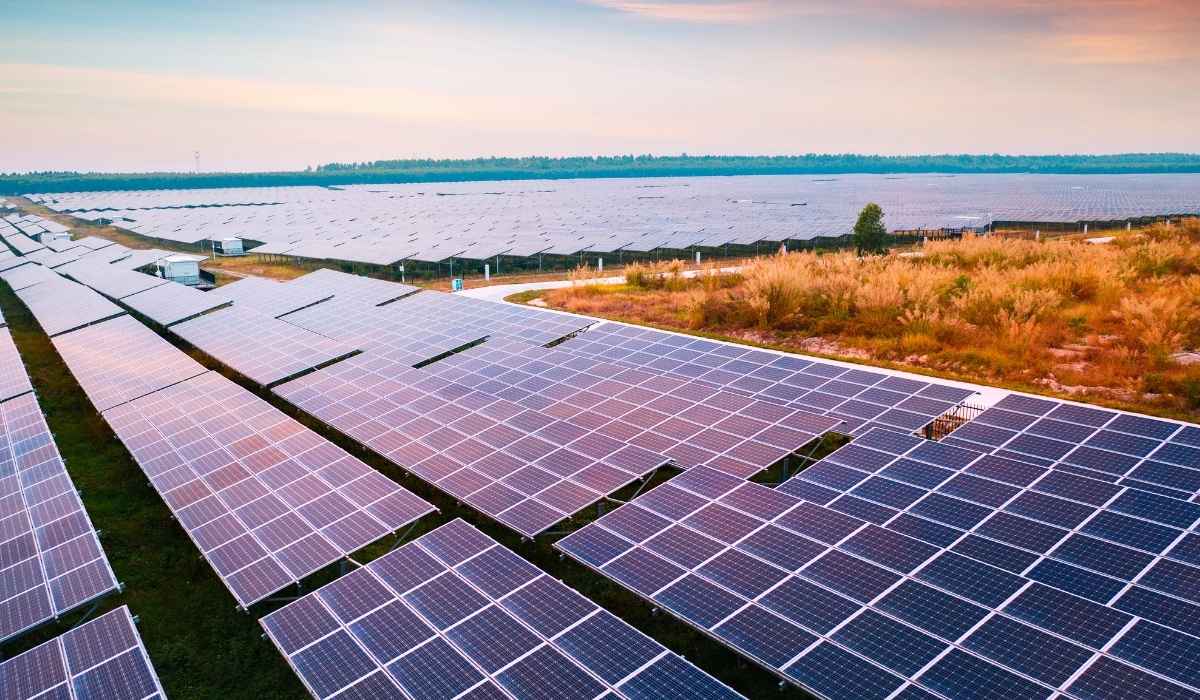
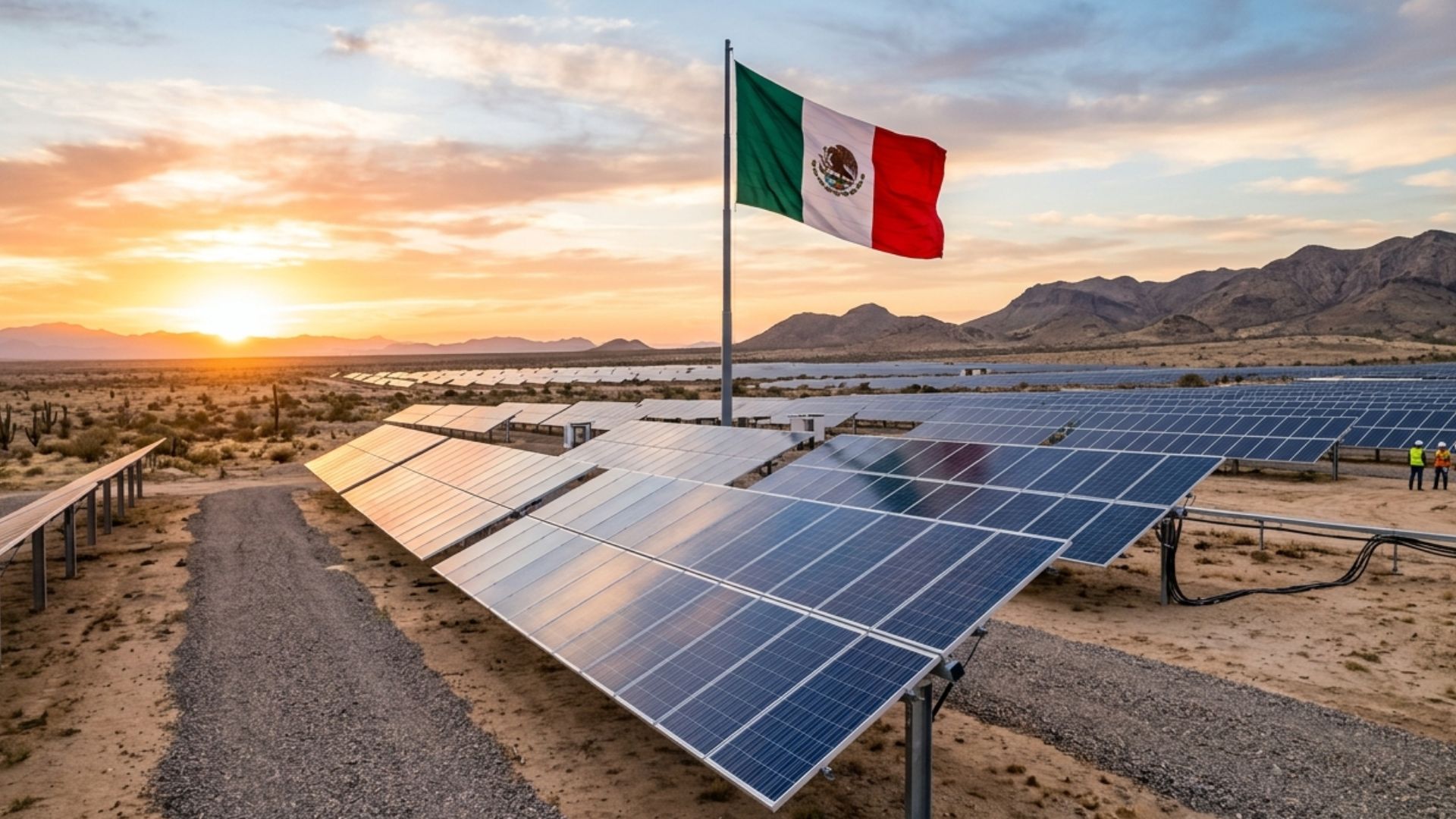
Mexico surprises the world by building the future largest solar plant in Latin America, advancing with planned expansion to over 1 GW, and boosting solar energy in the country.
According to the U.S. Department of Energy (DOE), solar energy began to develop commercially in the 1950s when the first photovoltaic panels were used to power satellites and specific equipment.
During the following decades, scientific advancements improved the efficiency of solar cells and reduced production costs.
However, until the late 1990s, the cost of residential solar systems was still high for most families.
Moreover, access to technology was restricted, and the installation of these systems was limited to pilot projects, isolated regions without access to the electrical grid, or high-end residences.
The situation changed significantly in the early 2000s, when the concept of clean energy gained momentum, along with global environmental awareness.
Several countries began to invest in subsidies, tax incentives, and specific regulations to encourage the use of solar energy.
Furthermore, according to the Ministry of Mines and Energy (MME), the growing concern about the impacts of burning fossil fuels accelerated the demand for residential solar energy.
With climate change becoming a global priority, renewable sources have become essential for ensuring the planet’s sustainability.
Thus, many consumers have started seeking not only financial savings but also to reduce their carbon footprint.
The Drop in Costs and Access to Solar Energy
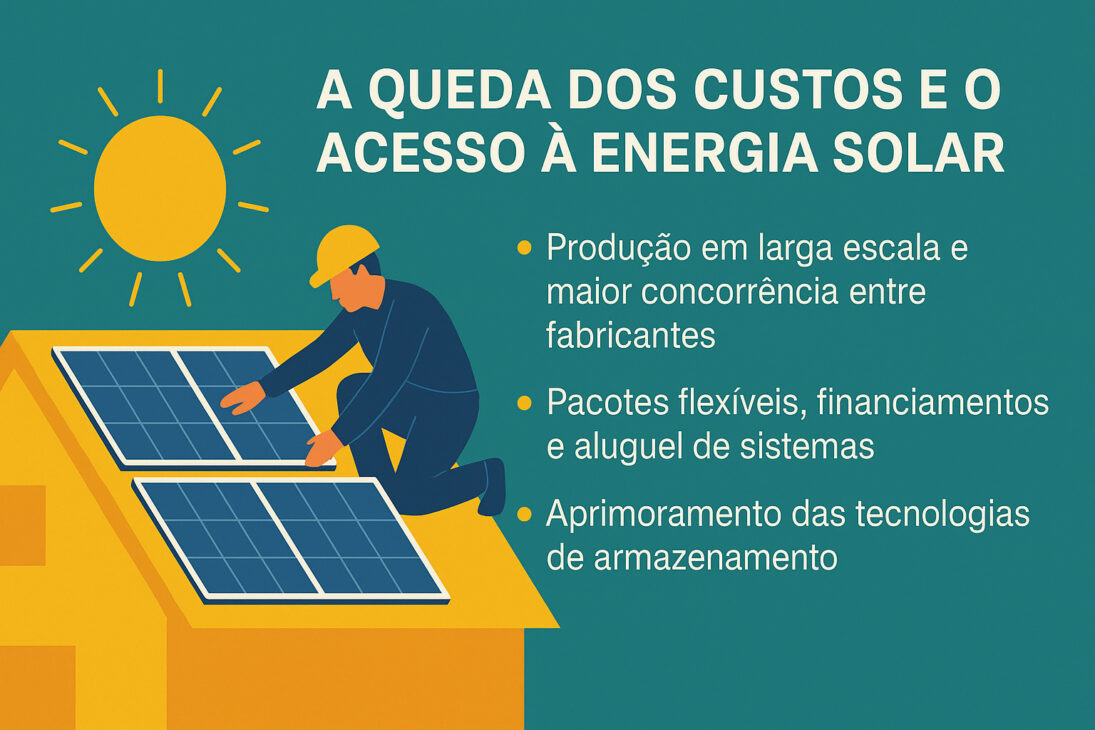
According to the International Energy Agency (IEA), the cost of residential solar energy has dropped drastically due to large-scale production, primarily in China, increased competition among manufacturers, and advancements in industrial processes.
Additionally, companies in the sector have started to offer more flexible packages, easier financing, consortia, and even rental of systems, making access to solar energy viable for a wider audience.
Another decisive factor for the popularization of residential solar energy was the improvement of storage technologies, such as batteries.
With this advancement, the cost-effectiveness of solar systems increased, attracting even more followers.
According to IPEA, the cost of installing a residential solar system varies depending on the size of the house, monthly consumption, and location, but solutions with a financial return in about five years are already common in Brazil.
Therefore, the consumer can save significantly after this period, especially in light of the constant rise in conventional electricity tariffs.
Moreover, many consumers utilize special lines of credit offered by banks and financial institutions, facilitating the acquisition of the solar system without compromising the family budget.
These financing options typically feature low-interest rates and extended terms, making the transition to solar energy more accessible.
According to the Brazilian Association of Photovoltaic Solar Energy (ABSOLAR), the sector is already one of the most dynamic areas of the Brazilian economy, generating thousands of jobs in installation, maintenance, engineering, sales, and manufacturing.
Small and medium specialized companies have multiplied across the country, driven by the growing residential, commercial, and rural demand.
As a result, large energy companies have started to include solar energy in their portfolios, also attracting foreign investments.
Changes in Consumer Behavior and Impacts on Other Sectors
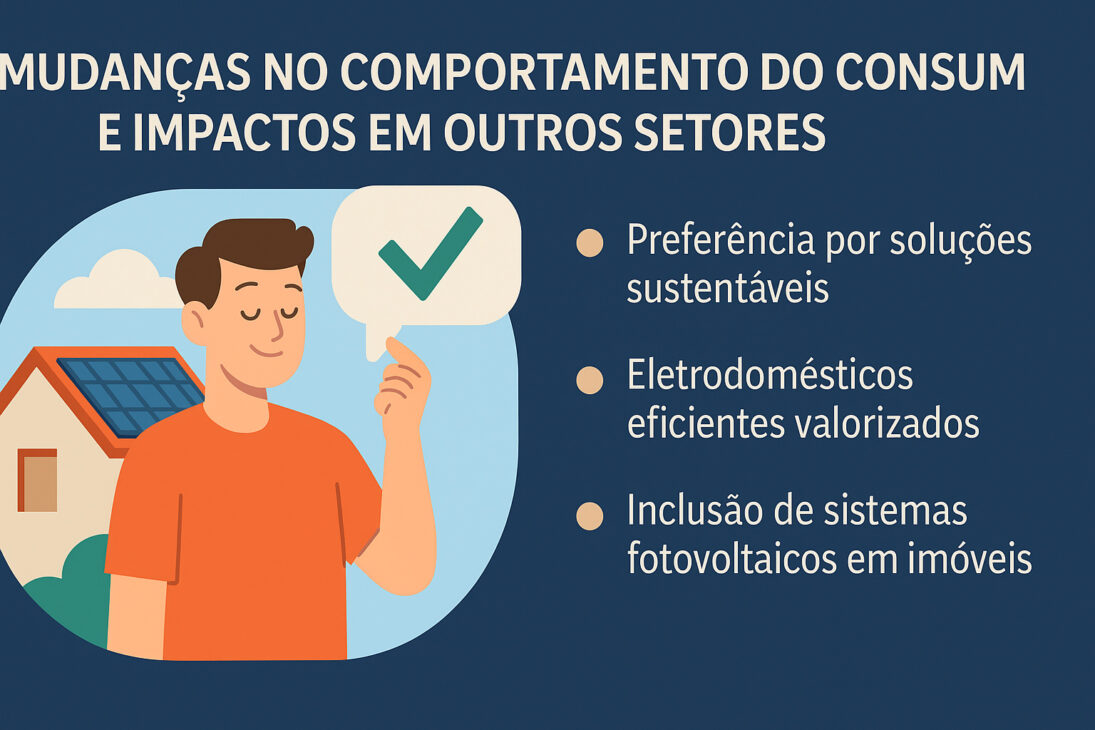
Another important reflection of the cost of residential solar energy is the change in consumer profile.
By realizing that they can reduce electricity expenses and help the environment, consumers become more conscious and seek sustainable solutions.
This behavior influences sectors such as real estate and appliances, which favor energy-efficient appliances.
Additionally, the Ministry of Mines and Energy (MME), in a report released in 2024, highlights that the construction sector also benefits.
Developers and builders have started to include photovoltaic systems in new projects to add value to properties and meet the demand for sustainability.
In many condominiums and planned neighborhoods, the infrastructure for shared solar energy is already a reality, promoting more conscious and energetically autonomous communities.
The presence of solar energy can also enhance property value when reselling.
Houses and apartments with solar systems typically have higher appreciation due to offering long-term savings and sustainable differentials valued by conscious buyers.
Although the initial investment in residential solar energy is significant, the long-term benefits are evident.
When considering the total costs of electricity bills over a period of 20 to 30 years, the solar system pays for itself and still provides a financial return.
This savings can be reinvested, increasing the family’s purchasing power and stimulating the local economy.
Thus, a positive cycle is created in which the consumer, the productive sector, and the environment all benefit.
The Future of Residential Solar Energy in Brazil
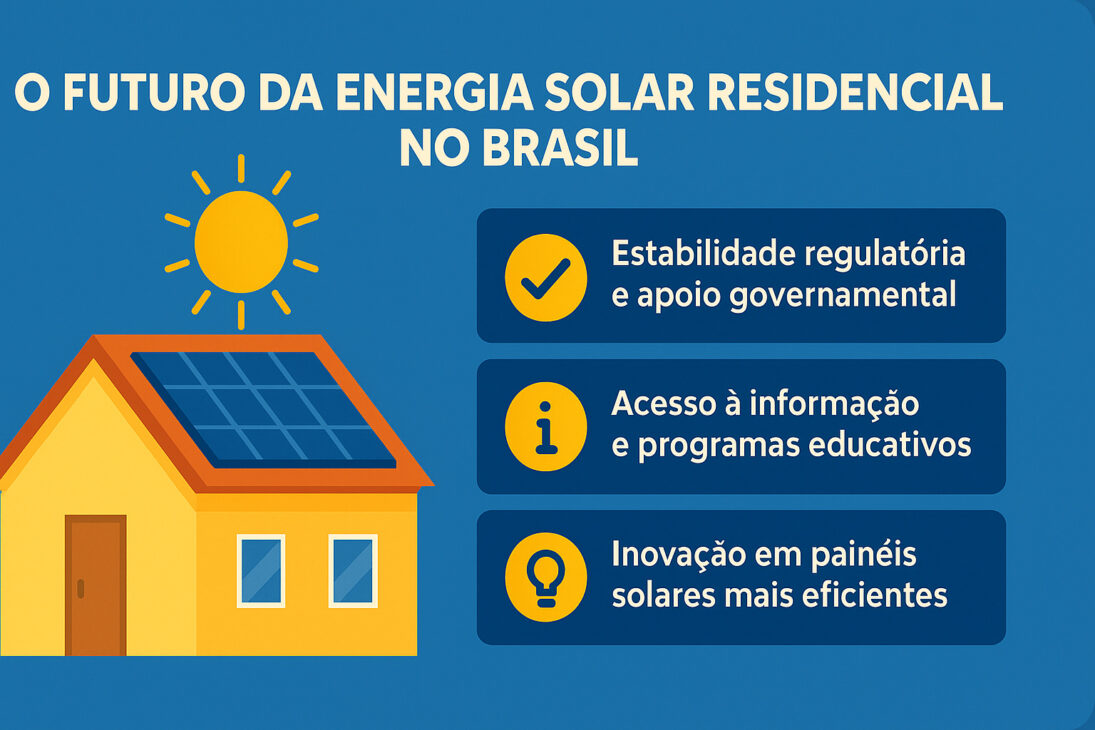
For this growth to continue, the sector depends on regulatory stability and government support.
Sudden changes in energy compensation rules can discourage investments and hinder the sector’s advancement, warn ANEEL specialists.
Moreover, access to information is crucial for consumers to understand how systems work, the real costs involved, and the expected returns.
Training programs, specific lines of credit, and educational campaigns play a decisive role in this regard.
Technological innovation should also propel the sector.
Research into more efficient solar panels, integration with artificial intelligence for consumption optimization, and hybrid systems that combine solar energy with other renewable sources can make the cost of residential solar energy even more competitive.
These trends may consolidate solar energy as an increasingly attractive option for households and for the national energy matrix.
In summary, the cost of residential solar energy goes far beyond the financial aspect.
It has transformative potential to shape consumption habits, drive economic sectors, and promote a more sustainable future.
As more families adopt this technology, the positive impact expands, consolidating solar energy as a present reality in the daily lives of Brazilians, businesses, and governments.









-

Uma pessoa reagiu a isso.