





 English
  Francês
  Alemão
  Italiano
  Japonês
  Norueguês
  Portuguese
  Spanish
 3 min of reading


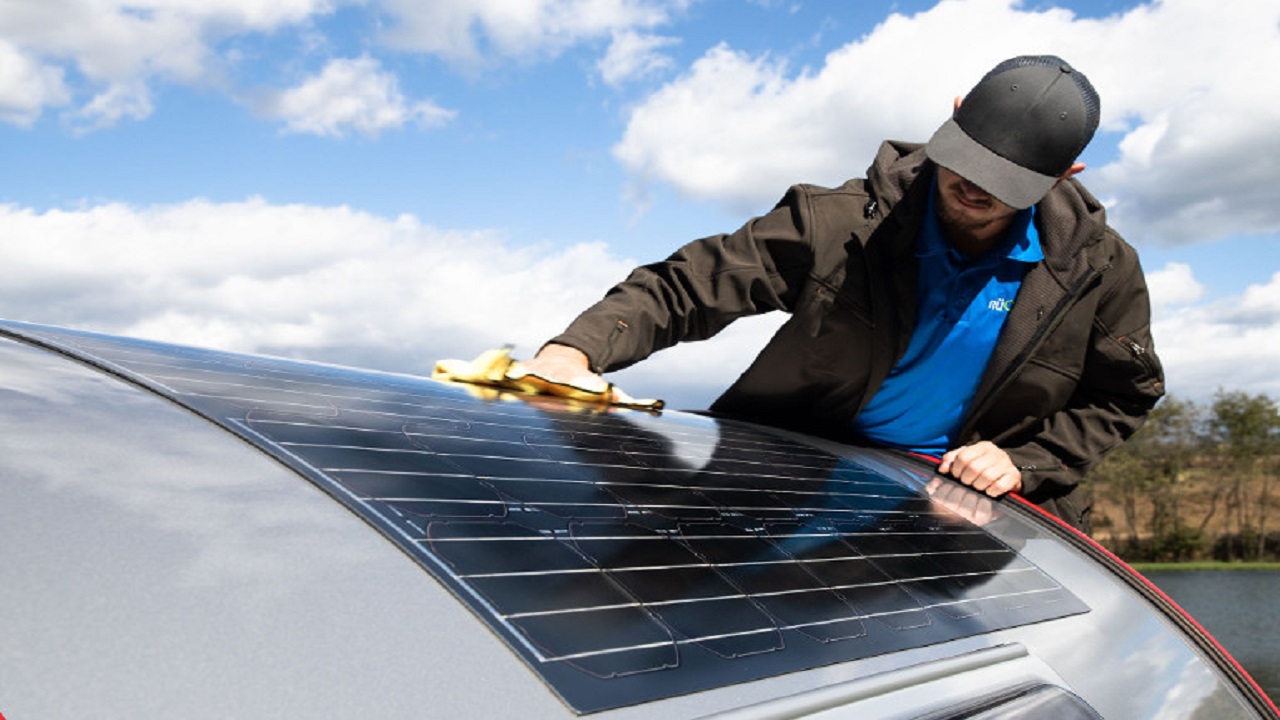
The Company Telite, Which Operates in RJ, Created an Innovative Project: Graphene Tiles Made from Recycled Plastic That Can Generate Solar Energy
Telite, a company operating in the interior of RJ, is proposing the recycling of plastic for tile manufacturing. Currently, the company sells 25,000 tiles monthly and, in 2021, focused on technology and sustainability, the company estimates a profit of R$ 50 million due to its new product: graphene tiles that can generate solar energy.
Read Also
Recycled Graphene Tile Promises to Revolutionize the Solar Energy Market
The tile is made of high-density polyethylene and also contains graphene. It was through this material that the company managed to achieve a generation of 30 KW per month in an average household. According to Telite, if the house uses four solar tiles, it could become self-sufficient in energy production.
According to the company from RJ, the graphene tiles are expected to enter the solar energy market later this year. The company is only waiting for certification from Inmetro to make the project feasible, which should be completed between June and July. After this stage, Telite promises to test the new solar tile with about five clients to identify and address any potential issues before going to market.
-
Renewable energy advances over protected areas in Brazil, and a survey by the Energy Transition Observatory reveals silent impacts that challenge environmental conservation and pressure sensitive traditional territories.

-
Rio Grande do Sul accelerates energy transition: State invests in renewable technologies and consolidates decarbonization strategies and pathways to attract billions in new industrial investments.

-
With 160,000 m² of collectors, an area larger than 20 football fields, Silkeborg, in Denmark, hosts a solar thermal plant that heats 19,500 homes and could become the largest solar heating plant in the world.

-
A study reveals the expansion of renewable energy procurement in Brazil and shows how companies are taking advantage of opportunities to reduce expenses, ensure energy efficiency, and strengthen strategic environmental commitments.


Words from the CEO and Founder of Telite
According to Leonardo Retto, CEO and founder of Telite, self-sufficiency is a fundamental point for Brazil, considering that besides saving, one can guarantee their own energy, something that is at risk due to the water emergency between June and September in several states across the country.
The graphene tiles are expected to hit the market at a price that matches the market average, which currently ranges from R$ 140 to R$ 150 per tile.
The founder of the company in RJ states that its competitors sell their regular tiles at this price, meaning that with the same price and this differential, the company becomes more competitive, offering a lightweight solar tile that can be easily transported and used in government projects such as, for example, Minha Casa, Minha Vida.
Telite Mentions Some Challenges Encountered Along the Way
To make the project feasible, the company from RJ has faced some obstacles. One of them is finding a supplier for the graphene used in the composition of the solar tiles. Once a partner is found, Telite estimates to raise R$ 8 million to R$ 9 million to produce the tiles on a large scale. Retto states that the company’s current concern is to ensure large-scale production.
The company has spoken with graphene manufacturers, and there is still no place that can supply the material on a large scale. The extraction of graphene is very expensive in Brazil. Thus, the fundraising value varies significantly.








-

Uma pessoa reagiu a isso.