Portuguese
  Spanish


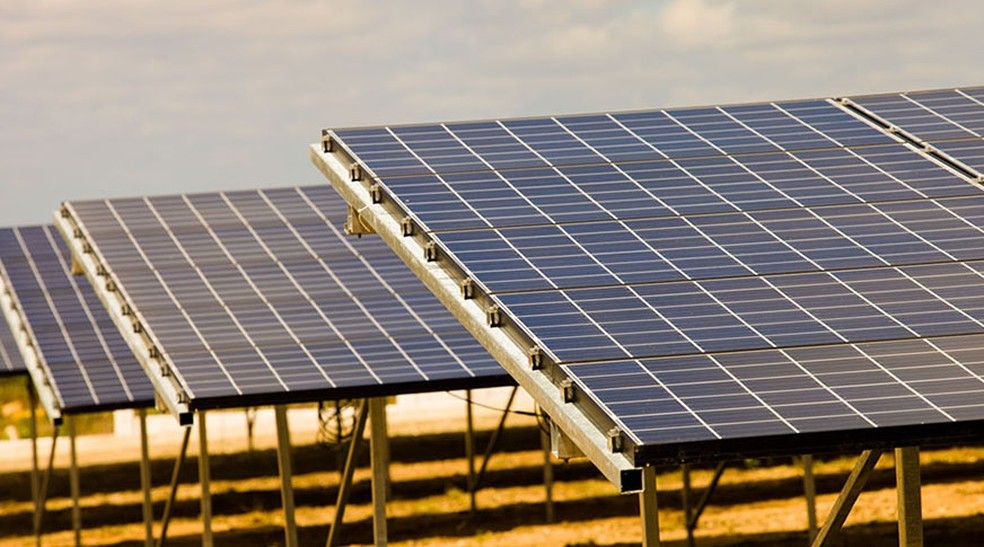

According to the Solar Energy Association – ABSolar, there are currently more than 300,000 distributed generation photovoltaic systems connected to the country’s power grid
The Brazilian solar association ABSolar conducted a study on distributed generation of grid-connected photovoltaic energy, which in Brazil includes all photovoltaic systems not exceeding 5 MW installed under the net metering regime. In total, there are more than 3.6 GW of installed distributed generation capacity from solar energy sources across the country, representing more than 18.2 billion reais in accumulated investments since 2012 and over 108,000 jobs.
Read Also
- 150,000 job vacancies in the Brazilian solar energy sector in two years, according to ABSolar
- The potential of solar energy can contribute to the development of the Amazon
- Solar energy surpasses nuclear in the Brazilian energy matrix
- Piauí leads the ranking in solar photovoltaic energy generation in Brazil, according to ABSolar
Brazil at the Forefront of Solar Energy
According to the association, in terms of the number of installed systems, residential consumers lead, representing 72.5% of the total. This number is followed by companies in the commerce and services sector (17.7%), rural consumers (6.8%), industries (2.6%), the public sector (0.4%), public utilities (0.03%), and public lighting (0.01%).
In terms of installed energy capacity, consumers from the commerce and services sectors rank first, with 39.1% of the installed capacity in the country, closely followed by residential consumers (38%), rural consumers (12.7%), industries (8.8%), public energy (1.2%), and other types, such as public utilities (0.1%) and public lighting (0.02%).
-
Brazil’s Offshore Wind Energy Potential Worth $1 Trillion Stalled by Long-Delayed Agreement

-
World’s Largest Engie Solar Plant in Brazil Highlights Billion-Dollar Energy Waste Issue: Company Considers Batteries and Bitcoin Mining to Avoid Wasting Production

-
Air Products Cancels $2.9 Billion Clean Hydrogen Megaproject in Louisiana, Shuts Down Arizona Unit, Highlighting High Costs of U.S. Energy Transition
-
Over 60 Tractors Take to the Streets in Lopera as Solar Parks Compete with Olive Groves, Affecting 13,000 to 100,000 Trees According to Conflicting Reports


ABSolar Reports That 162,000 New Solar Energy Systems Were Installed in Various Brazilian Regions
According to ABSolar, in the last 12 months, approximately 162,000 new energy generation systems have been added in Brazil, representing a growth of over 130% compared to last year. In the quarter preceding the onset of the pandemic, between December and February, connections increased by more than 30% to 52,200.
“During the crises of 2015 and 2016, Brazil’s GDP fell by about 3.5% per year, but the photovoltaic solar energy sector grew by over 100% per year,” said ABSolar’s CEO, Rodrigo Sauaia.
“Now, after the most acute phase of the current pandemic, photovoltaic energy will once again drive Brazil’s recovery. Photovoltaic energy will be part of the solution, both for our society and for the environment.”

Graduated in Journalism and Marketing, he is the author of over 20,000 articles that have reached millions of readers in Brazil and abroad. He has written for brands and media outlets such as 99, Natura, O Boticário, CPG – Click Petróleo e Gás, Agência Raccon, among others. A specialist in the Automotive Industry, Technology, Careers (employability and courses), Economy, and other topics. For contact and editorial suggestions: valdemarmedeiros4@gmail.com. We do not accept resumes!