





 Portuguese
  English
  Spanish
  3 min of reading


At The Beginning Of August, Honda’s Factory In Suzuka City, In Western Japan, Is Set To Reduce Its Production By Up To 30%
According to information released by CNN Brazil, the automotive company Honda is expected to decrease its production in Japan by up to 30% during the next month compared to original forecasts, given the persistence of logistical issues and supply chain problems faced by the multinational.
About Honda
Honda Motor Company is one of the most important manufacturers of automobiles and motorcycles in the world. Founded in 1946, the company is headquartered in Japan but exports its vehicles worldwide.
Since 1959, Honda has held the title of the largest motorcycle manufacturer in the world, having reached a production of 400 million units by the end of 2019. Additionally, the company is also the largest global manufacturer of internal combustion engines measured by volume, with its annual production of internal combustion engines equivalent to 14 million units.
-
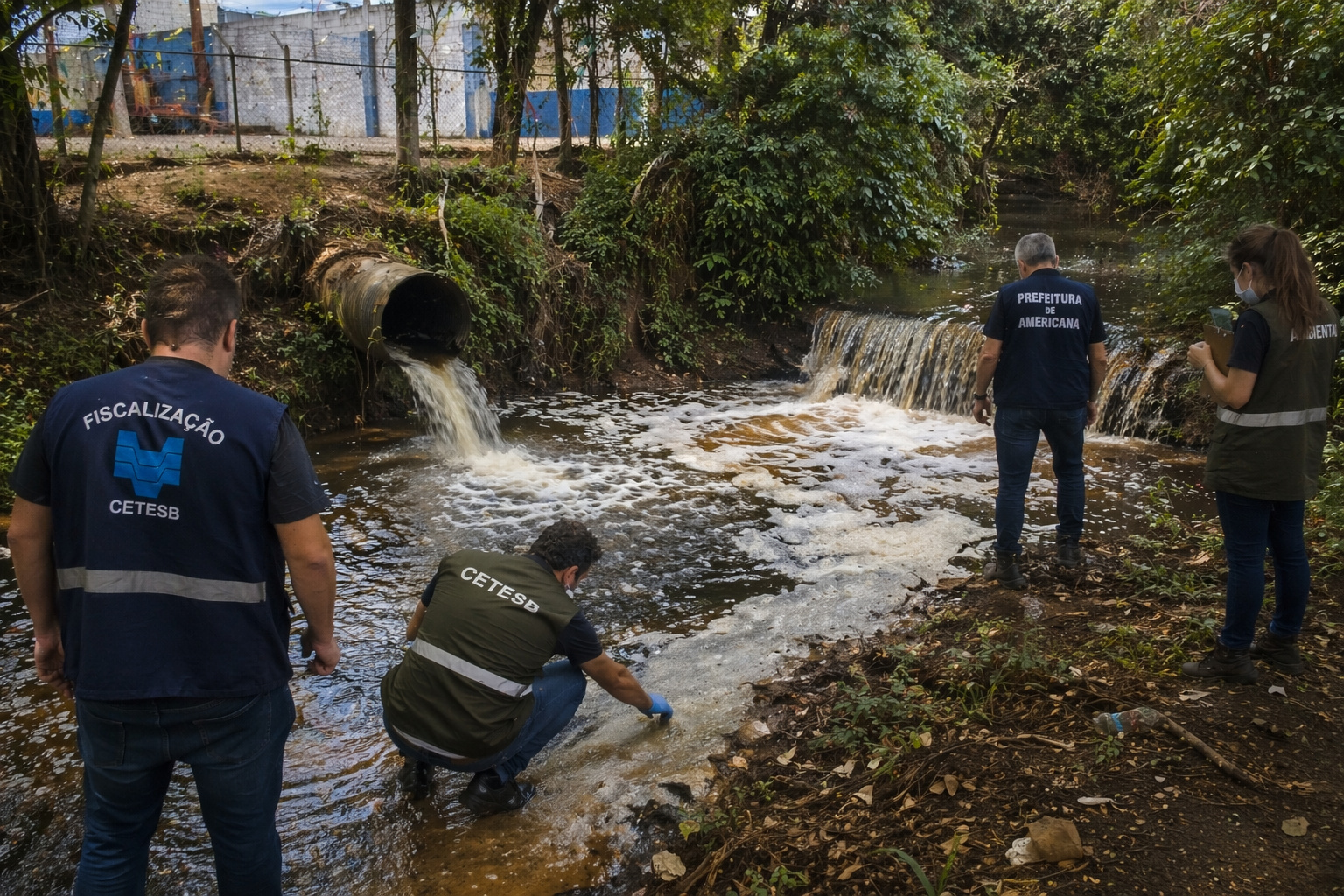
A fine of R$ 115 thousand puts Goodyear at the center of an environmental case in Americana after oil and grease appeared in a stream and the company was forced to act quickly.
-
Small house with natural light becomes a trend in sustainable architecture and reveals how smart designs reduce energy consumption and enhance comfort in compact spaces.

-
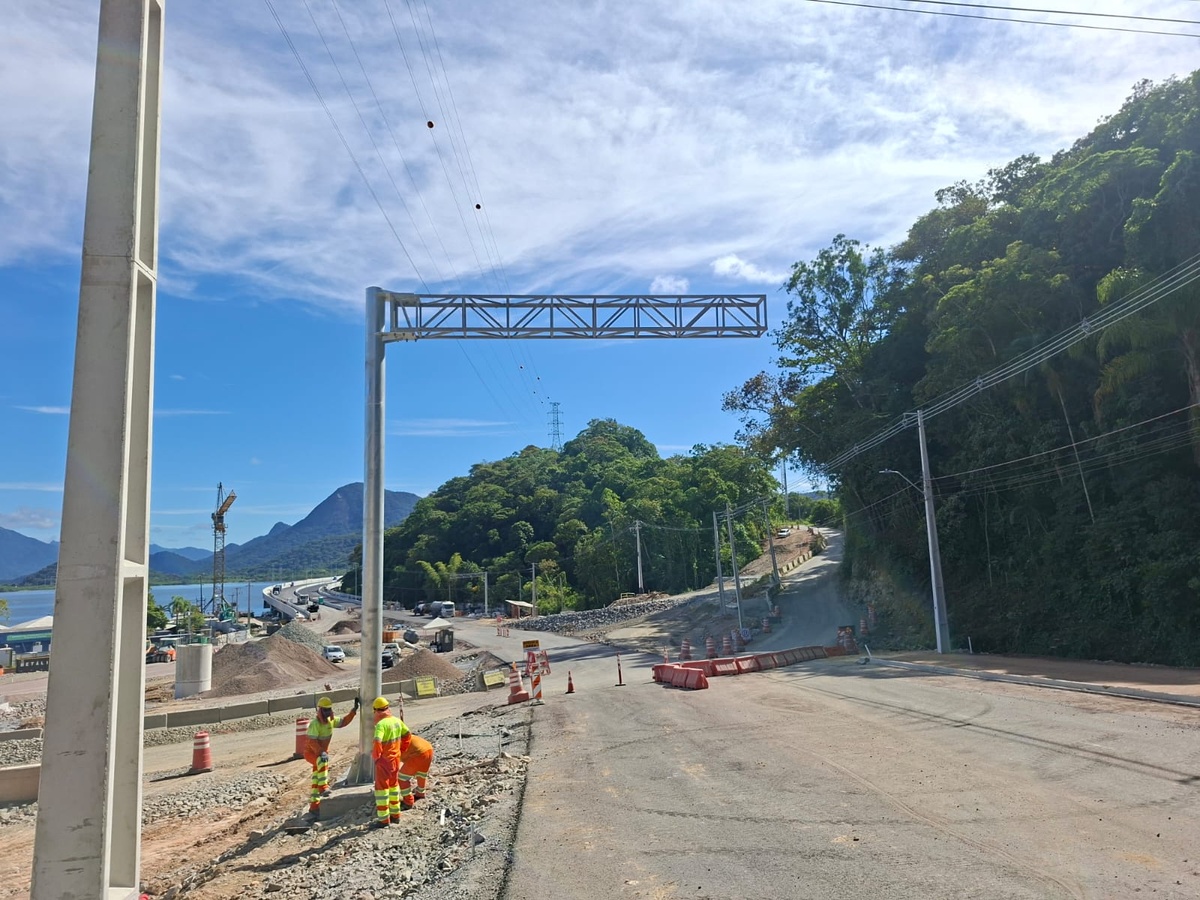
Guaratuba Bridge enters the final phase with high-standard road signage implemented by IASIN and inauguration scheduled for April 2026.
-
A homeless person in Los Angeles built their own wooden house with a garden at the entrance, a bed, a television, and a bathing area, and is now selling identical mini houses for $150 to other homeless individuals who prefer anything over returning to plastic tents.

In 2001, the multinational became the second-largest automobile manufacturer originating from Japan. By 2015, Honda ranked as the eighth largest automobile producer in the world.
It is also worth mentioning that, in addition to its core businesses in the automotive and motorcycle sectors, the company is involved in the production of gardening equipment, marine engines, personal watercraft, power generators, among various other products.
There Will Be A Reduction In Honda’s Production In Japan During This Month And Next
On the evening of last Thursday (the 21st), Honda announced that two lines at the automaker’s factory in Suzuka City, in western Japan, will reduce production by about 10% during this month of July, along with a reduction of about 30% at the beginning of August compared to previous plans.
Furthermore, the assembly plant in Saitama Prefecture, located north of Tokyo (the capital of Japan), will also experience a drop of about 10% in production at the beginning of next month. Honda did not disclose what the monthly production target is.
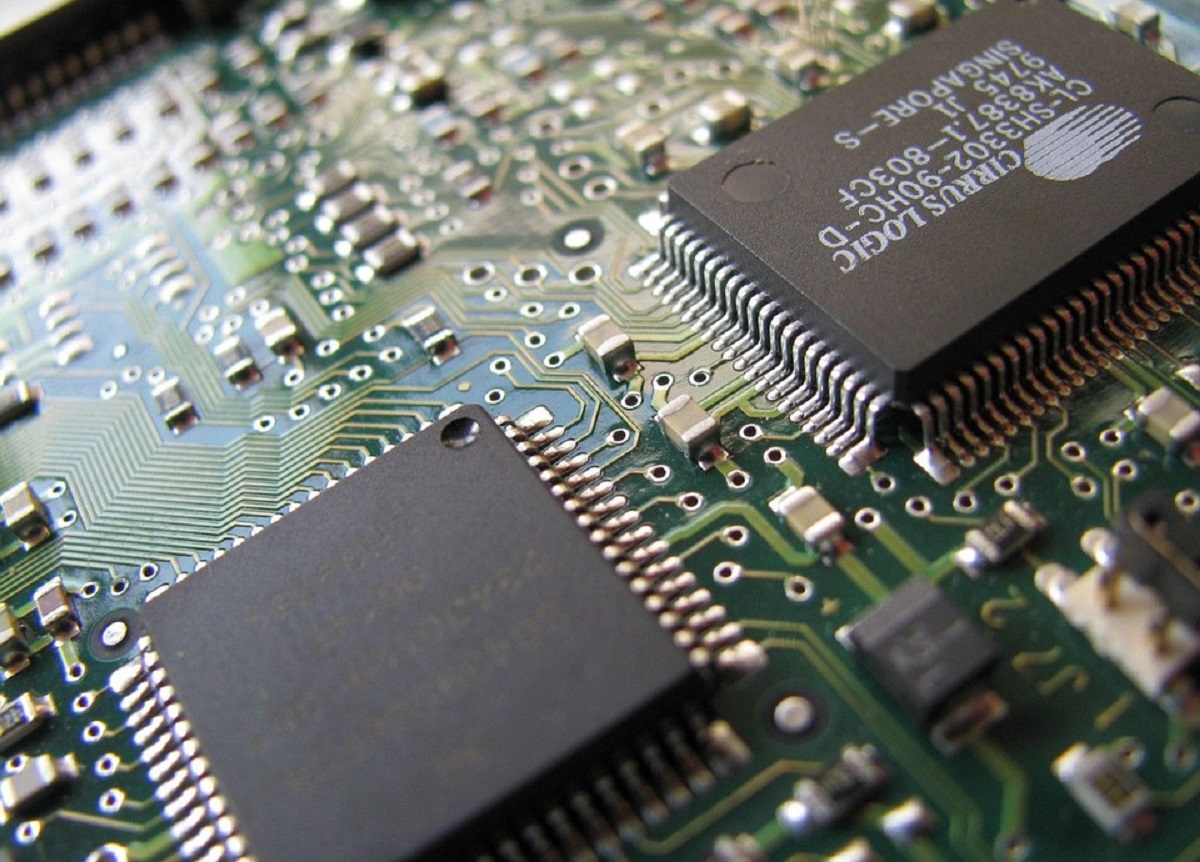
The turbulent scenario that the company is going through can be related to the fact that automakers have been unable to mitigate the impacts caused by the recent lockdowns in China, nor the shortage of semiconductors.
In this context, Toyota also announced last week that its global production for August would be, on average, 700,000 units, which represents a cut of approximately 18% compared to the plans established at the beginning of this year.
Honda, for its part, made adjustments to its production plan in May but had stated that it would return to normality at the beginning of June, which did not occur.
Read Also This Article: Multinationals Join Forces To Build New Factory And Supply Global Semiconductor Shortage
Multinational GlobalFoundries and Franco-Italian STMicroelectronics, one of the largest semiconductor companies in the world, are joining to build a new factory in France. With interest in the project and in order to address the semiconductor shortage, the French government will provide subsidies for this undertaking.
Located in Crolles, in the southeast of the country, the facility is to be operated jointly by the two companies while receiving essential public financial support from France.
The investment from the multinationals and the government to address the shortage of semiconductors is estimated to exceed a total of US$ 5.7 billion, which in direct conversion amounts to R$ 30 billion. There are no details on how the investment amounts will be divided among the parties involved.
To access the full article, click here.








Seja o primeiro a reagir!