





 Portuguese
  English
  Spanish
 3 min of reading
  0 comments


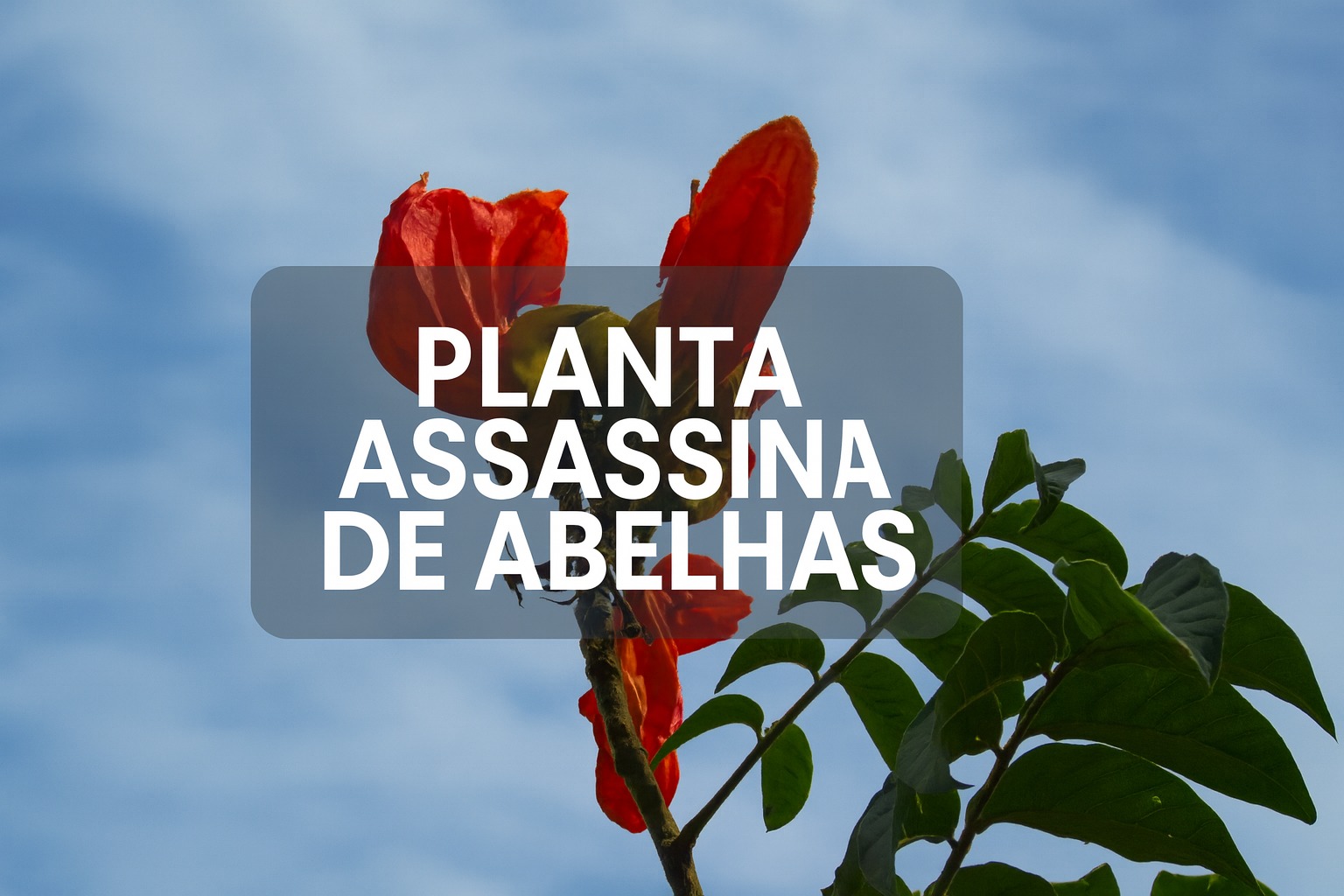
Campaign of the Environment Institute of Santa Catarina Warns About the Risks of Spathodea, Ornamental Tree Toxic to Bees, and Reinforces the State Law That Prohibits Its Planting and Imposes a Fine of R$ 1,000 per Specimen
The Environment Institute of Santa Catarina (IMA) began this Monday (13) the campaign “Toxic Exotic Flora for Fauna – Spathodea”, aimed at raising awareness among the population about the environmental risks of Spathodea campanulata (killer plant for bees), known as spathodea, bisnagueira, or gaboon tulip tree.
Despite being ornamental and showy, the tree poses a direct threat to bees and pollination in the state.
Killer Plant for Bees: Law Prohibits Planting and Imposes Fine
The initiative reinforces compliance with the State Law No. 17,694/2019, which prohibits the production, planting, and maintenance of the species throughout the territory of Santa Catarina.
-
Rare rains are changing the Sahara, and satellites detect that an ephemeral lake has filled up again, covering 191 km², reaching a depth of 2.2 meters, and reigniting the discussion about the possible greening of the desert.

-
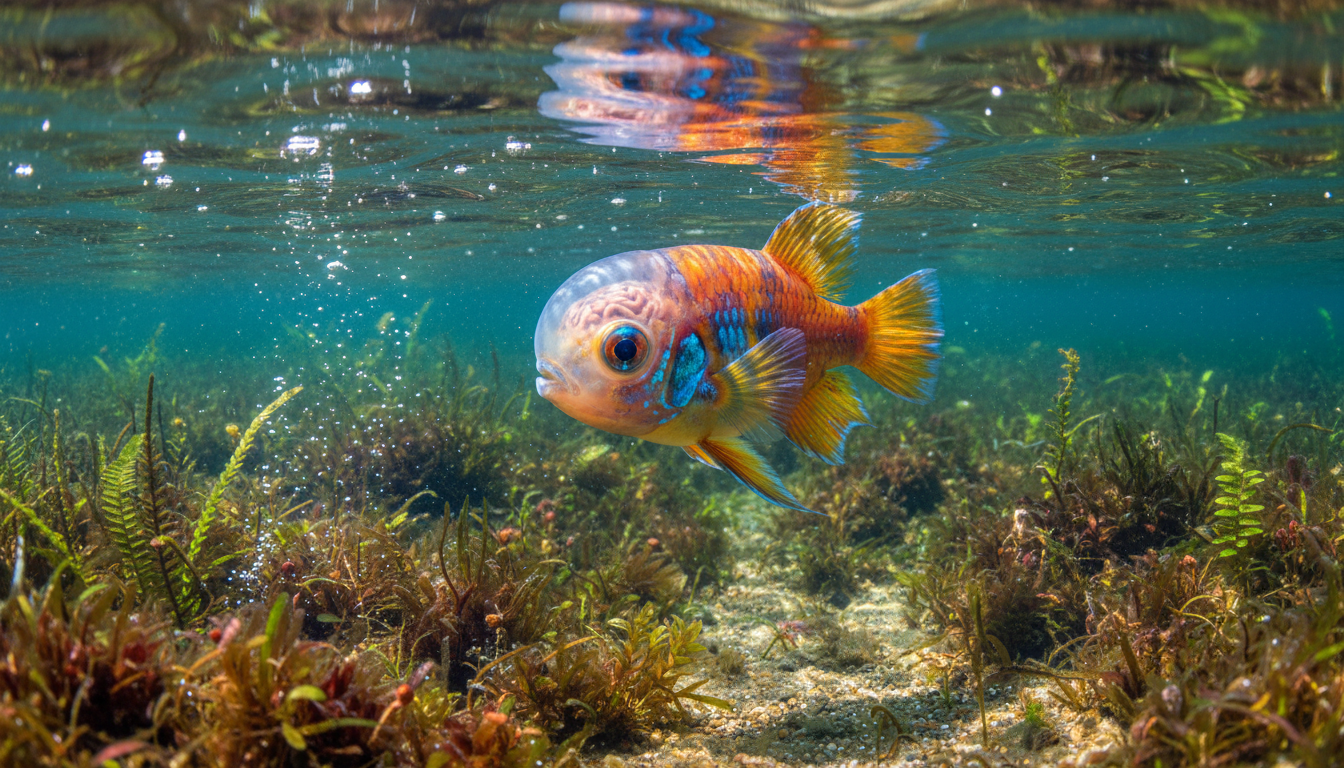
A 38-day expedition in a region of Peru where 280,000 people live discovered 27 species that science had never recorded before, including a fish with a completely transparent bubble-shaped head and a rat that swims as if it were amphibious.
-
At just 70 centimeters long and weighing less than 1 kilogram, the smallest non-avian dinosaur ever found lived 95 million years ago in Patagonia, remained forgotten in fragments for decades, and has just been revealed in a nearly complete skeleton in the journal Nature.

-
PhD student transforms turntable into an unlikely electronic drum, uses metal spheres, sensors, and creates a mechanical sequencer that is as brilliant as it is impractical.

The law, enacted on January 14, 2019, stipulates in Article 1 that “the production of seedlings and the planting of the trees of the species Spathodea campanulata, also known as Spathodea, Bisnagueira, Gaboon Tulip Tree, Monkey Urine or Forest Flame” are prohibited.
Article 2 establishes a fine of R$ 1,000 for each plant or seedling produced, a value that doubles in case of recurrence.
The law also encourages the replacement of existing trees with native species to restore vegetation and protect pollinator fauna.
Why Spathodea Is Dangerous
Originating from West Africa, spathodea has large orange flowers that have adorned streets and squares for a long time.
However, studies have proven that its flowers contain lethal toxins for native bees and are harmful even to Apis mellifera, the species used in honey production.
These substances are present in the pollen, nectar, and mucilage of the flowers, causing the death of pollinators and disrupting entire ecosystems.
According to the IMA, the replacement should prioritize regional native species, adapted to the climate and soil of Santa Catarina.
Among the recommended species are ipês, aroeiras, canafístulas, ingás, corticeiras, and carobas, all safe for the fauna and beneficial for pollination.
For agronomist Elaine Zuchiwschi, coordinator of the State Program for Invasive Exotic Species of the IMA, “the publication of this law is an important step for society to learn and engage in the conscious management of flora and fauna species, seeking to promote more environmental balance than impacts.”
Municipalities Are Already Implementing Control Measures for the Killer Plant for Bees
Several cities in Santa Catarina have already started programs to replace spathodea. In Jaraguá do Sul, for example, the Jaraguaense Foundation for the Environment (Fujama) is mapping areas with the presence of the tree and notifying residents to carry out the removal within 60 days, as stipulated by Municipal Law No. 9,398/2023.
The biologist Gilberto Ademar Duwe, from Fujama, reinforces the seriousness of the problem:
“Behind its exuberance lies the aggressive impact on defenseless stingless bees. In Africa, pollinator insects are adapted to the flowers of this tree, but here in Brazil, they are not. Therefore, it is essential to remove and replace spathodeas throughout the region.”
Collective Responsibility
The IMA emphasizes that the management of exotic species is shared responsibility among municipalities, nurserymen, and citizens.
Anyone who maintains or plants spathodeas in Santa Catarina is subject to a fine of R$ 1,000 per tree, in addition to other environmental sanctions.
The agency reinforces that eliminating the species and replacing it with native trees is essential to protect bees and preserve ecological balance in the state.
With information from UOL.







Seja o primeiro a reagir!