





 Portuguese
  English
  Spanish
  3 min of reading


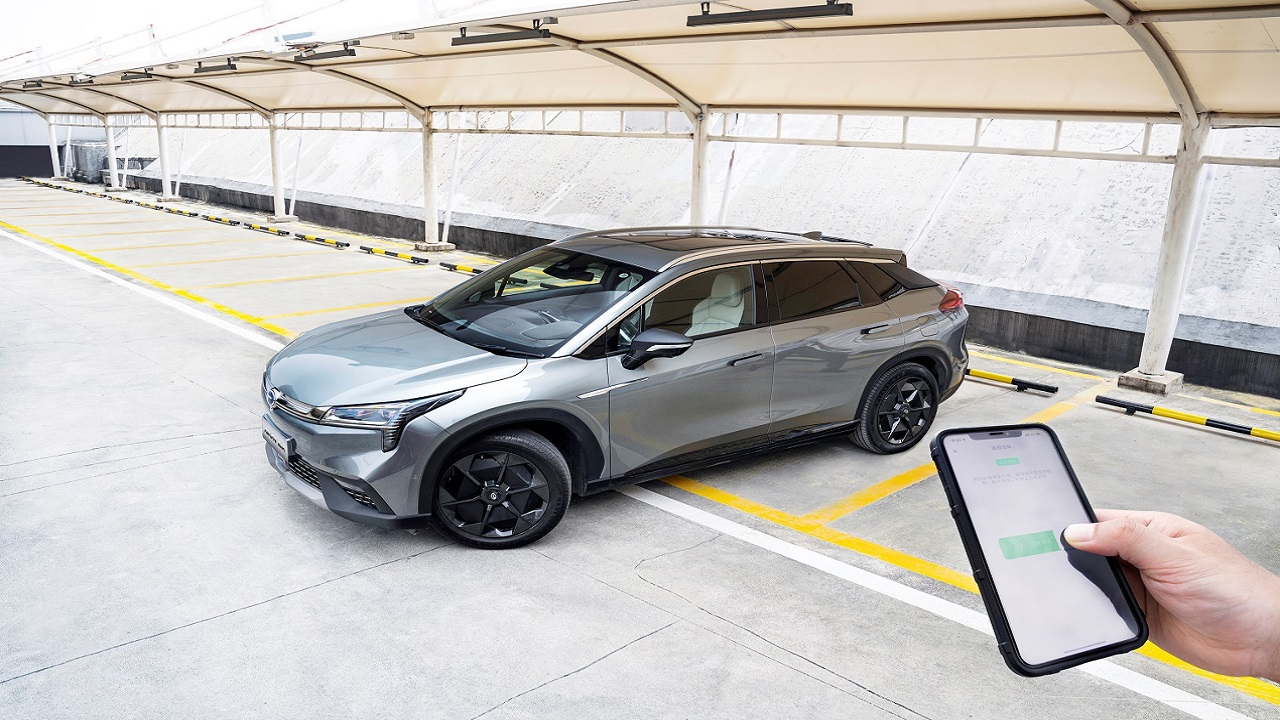
The Lucid Air Electric Car Has An Official Range Of 834 Kilometers. It Was The Longest Range Of Any Pure Electric Car, Until GAC Recently Announced The Aion LX Plus, Which Reaches 1,008 Km Thanks To A 144.4 KWh Battery.
The Chinese electric vehicle manufacturer GAC Aion aims to be one of the first in China to offer an NEDC range of 1,000 km (~621 miles) with its new electric SUV LX Plus. The upcoming electric vehicle has recently passed through one of the final stages at the Ministry of Industry and Information Technology of China (MIIT), which means it will soon be available to consumers abroad.
Read Other Related News
Aion is a brand focused on “zero emissions” from the Guangzhou Automobile Corporation (GAC) Group. Currently, the manufacturer has five electric car models in the market in addition to the aforementioned electric SUV, including a standard version of the LX.
Electric SUV Aion LX Plus Will Arrive With A 144.4 KWh Battery And A Range Of 1,000 Km
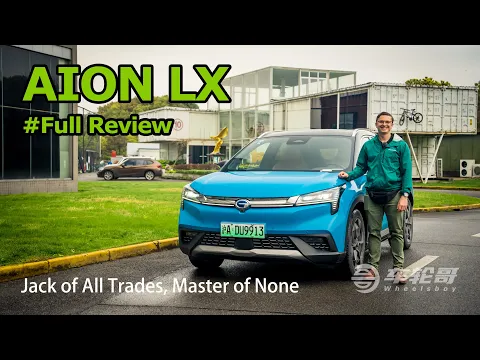

According to a report from CnEVPost, the Aion LX Plus EV has reached the product announcement phase through the Ministry of Industry and Information Technology of China (MIIT). The product announcement is the final main regulatory process that a specific vehicle must pass before being made available to Chinese consumers.
-
The German economist Wolf-Peter Schill has no doubts: “Electric cars are already far superior to cars with internal combustion engines.”

-
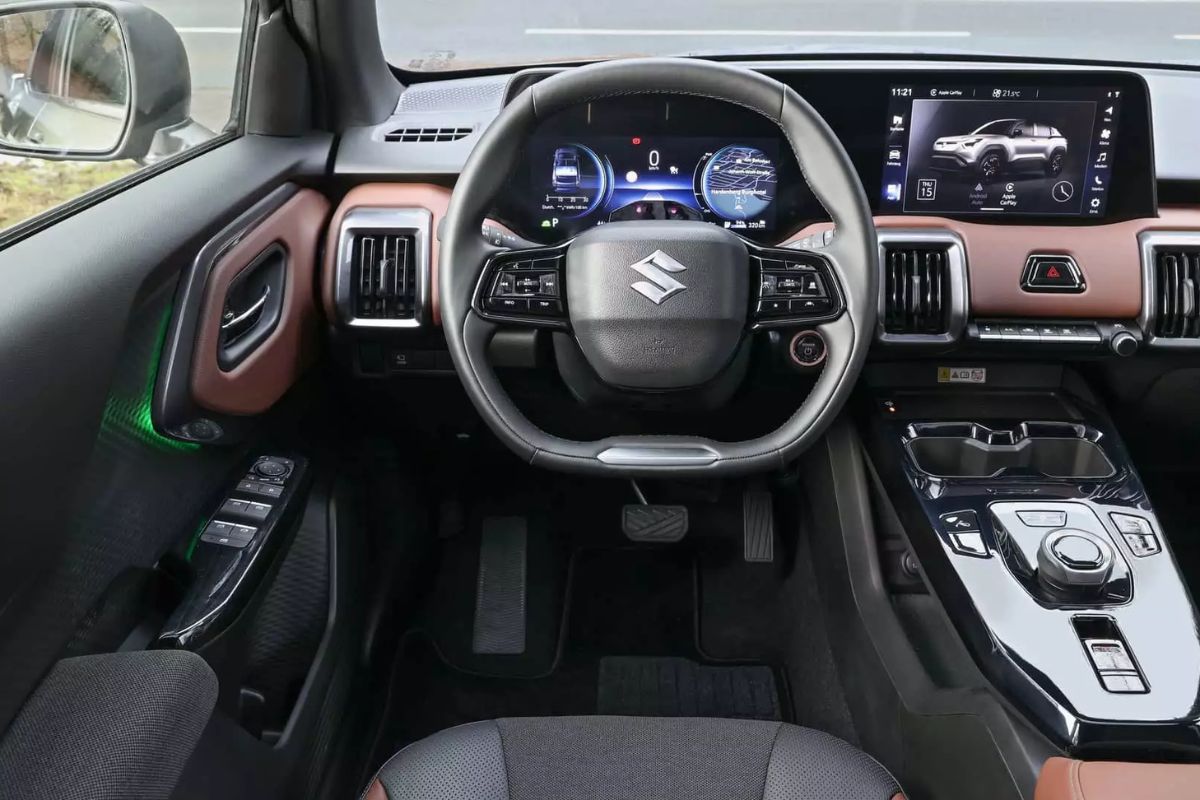
The 2026 electric Vitara arrives in Brazil and proves that Suzuki is not leaving: 4×4 traction, 184 hp, 61 kWh LFP battery, 293 km range, R$ 259,000, and a trunk capacity of 224 L.
-
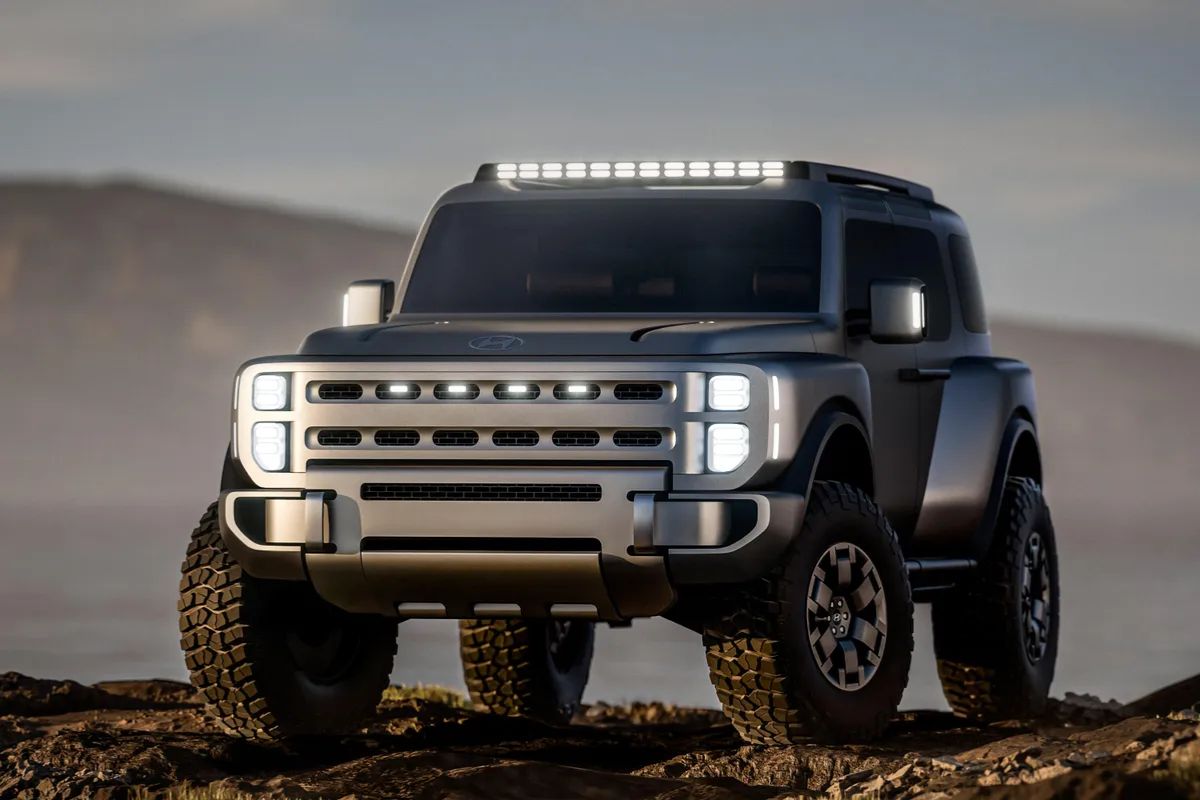
Hyundai has unveiled the Boulder, a square SUV with a body-on-frame design, 37-inch mud tires, and carriage-style doors that seems to be made to take on the Ford Bronco and the Scout Traveller in the United States.
-
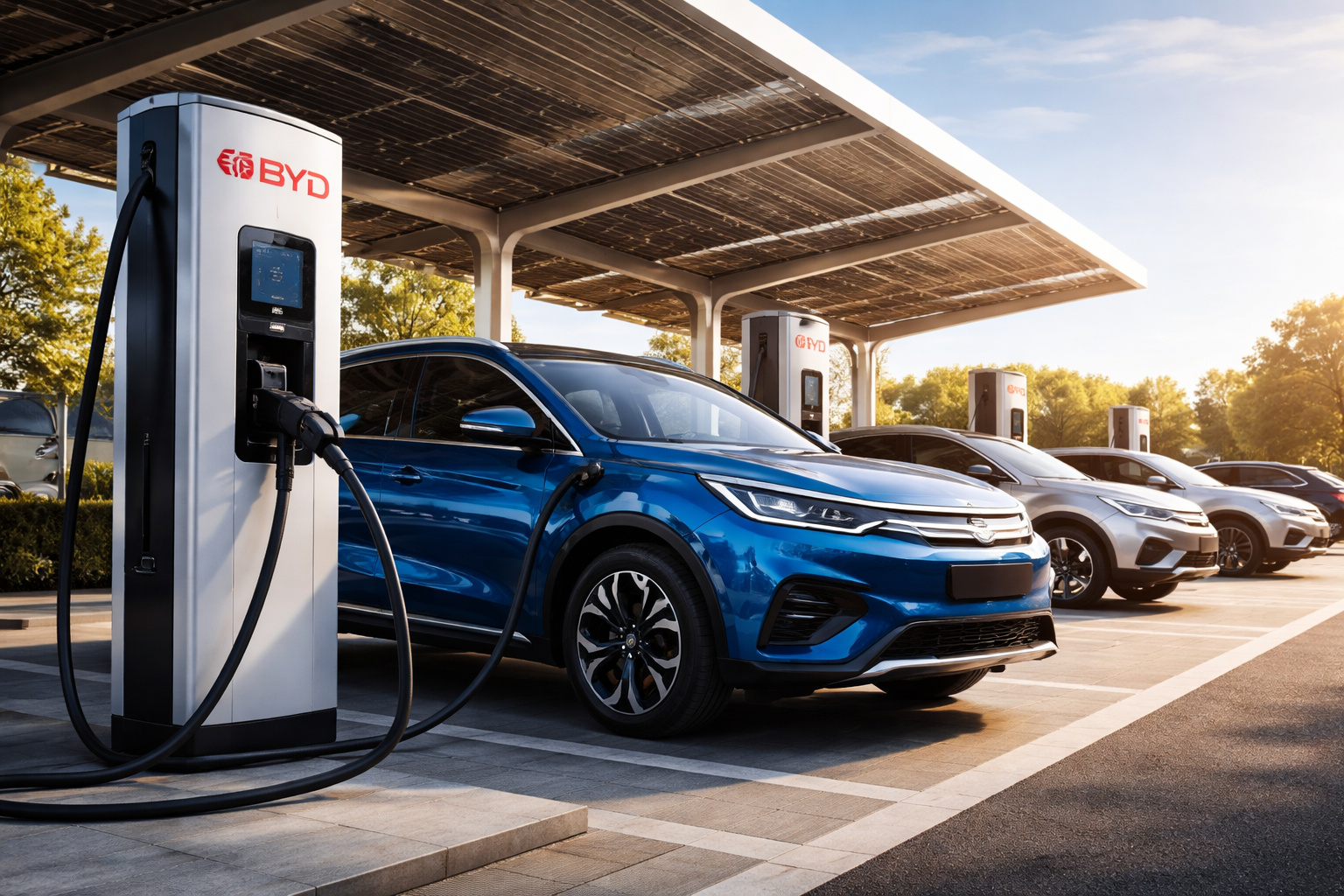
Largest public charging network in Brazil: BYD reaches 125 fast chargers and accelerates national expansion of electric mobility.

The product announcement posted on the MIIT website shares some new specifications of the Plus version of the Aion electric SUV. This includes a 144.4 kWh ternary lithium battery, offering an energy density of 205 Wh/kg and an NEDC range of 1,008 km (~626 miles). What may be more interesting about the LX Plus battery is that it will provide more power and range with the same package size as the current LX model.
The automaker plans to achieve this using its proprietary silicon sponge negative cell battery technology, which it revealed to the public last April.
New Technology From The Chinese Manufacturer Promises Double The Range And Minimum Charging Time
According to GAC Aion, the silicon sponge technology allows for higher energy density, which can reduce the battery size by 20% and the overall weight by 14%.
By using the new technology in the current battery volume of the Aion LX electric SUV, the range of the electric car is capable of increasing from 650 km to 1,008 km within the same footprint. Concrete details and prices should come during the Guangzhou International Auto Show on November 19, where the Aion LX Plus is expected to be officially presented.
The Electric SUV Market With Great Range Continues To Expand
The NEDC range is undoubtedly the most slippery of the certified range standards, but 1,000 km would be an achievement, nonetheless. In the United States, consumers have applauded Lucid Motors for achieving 834 km of range in EPA testing on the Dream Edition Range Air. The Chinese manufacturer’s electric SUV promises an additional range of nearly 200 km and an electric crossover SUV. 1,000 km is the high point that electric vehicle manufacturers are scaling in China.
Competitor NIO seems to have achieved this with its ET7 Sedan, but it uses a semi-solid battery of 150 kWh instead of a ternary lithium package. Most would say that 1,000 km is unnecessary, but it is undeniable that manufacturers have been working to generate more range and less charging time.








Seja o primeiro a reagir!