





 Portuguese
  English
  Spanish
  2 min of reading
  0 comments


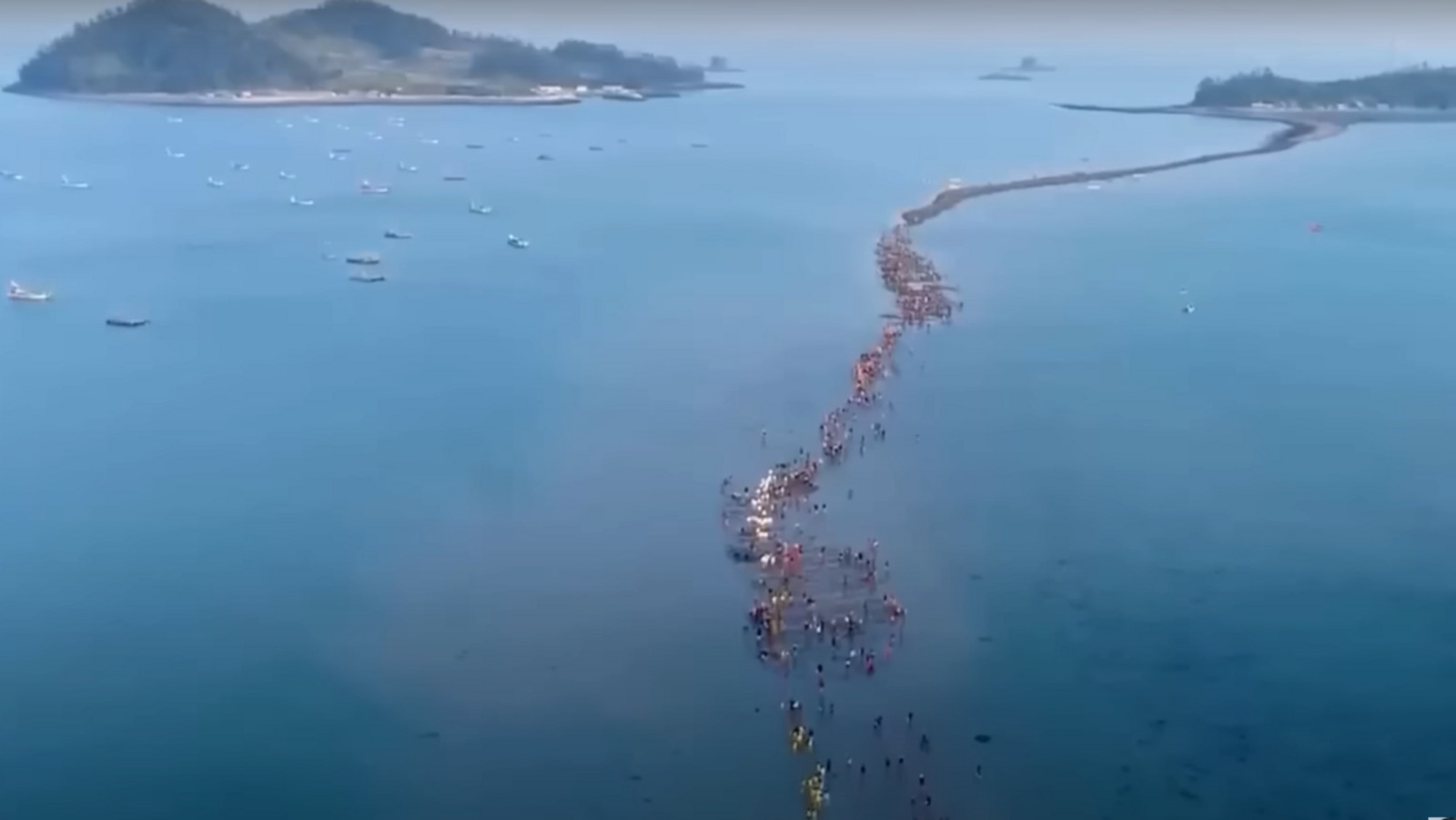
Separation of Jindo Sea Reveals Path of Almost Three Kilometers, Blending Tradition, Science and Faith, Attracting Thousands of Tourists and Locals Every Year
Yes, there are many reasons to visit South Korea. However, few are aware of one of its most curious attractions: the separation of Jindo Sea. The event recalls the famous biblical story of Moses, but occurs naturally. A few times a year, the tide goes so low that it reveals a land path of nearly three kilometers.
Path Between Islands
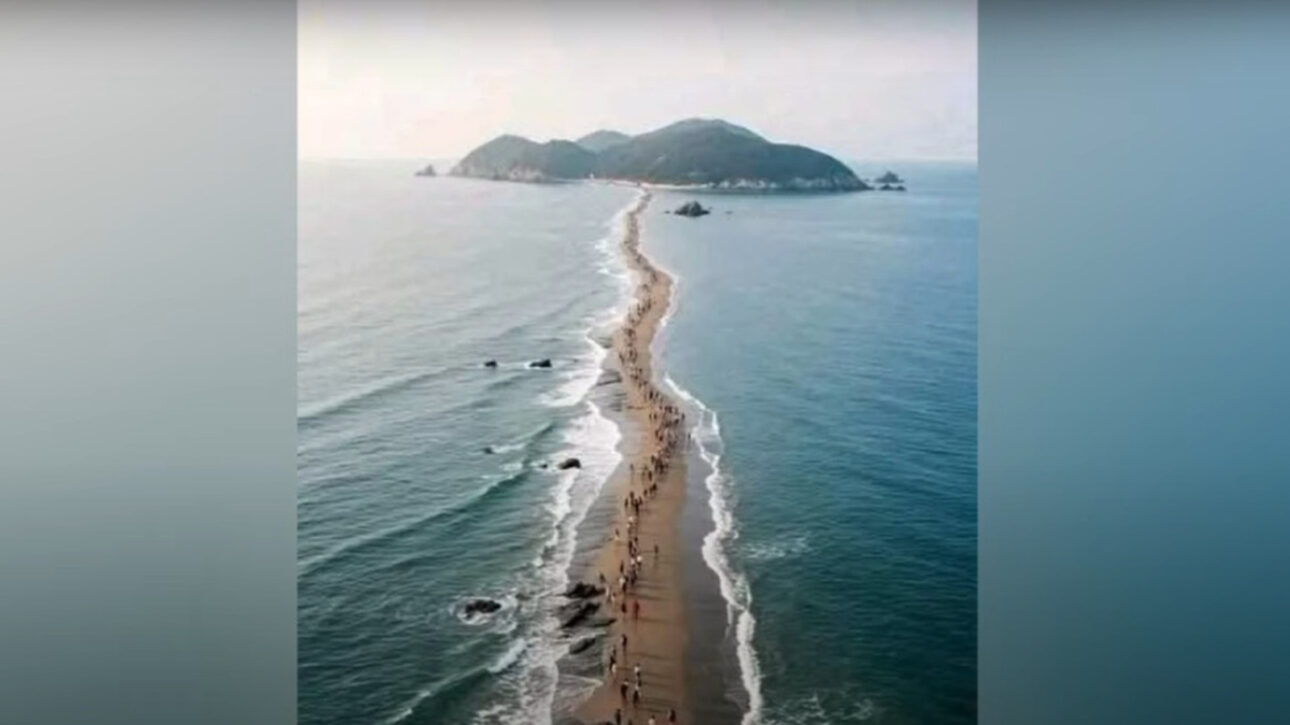
This phenomenon connects the island of Jindo to the neighboring Modo, creating the sensation that the sea splits in two. Every year, hundreds of thousands of Koreans and tourists travel to the southern tip of the Korean Peninsula to witness this impressive passage.
The magazine National Geographic highlights that the event caught international attention in 1975, when former French ambassador Pierre Landy described it as “the Korean version of Moses’s miracle.”
-
Tourists on Everest were poisoned by guides who mixed substances in food to provoke false symptoms of altitude sickness while helicopter operators and hospitals charged inflated rescue fees to insurance companies.

-
Few people know this, but Neil Armstrong, one of the most famous NASA astronauts in history, survived the Korean War after jumping from the plane during his seventh combat mission aboard the USS Essex aircraft carrier of the United States.

-
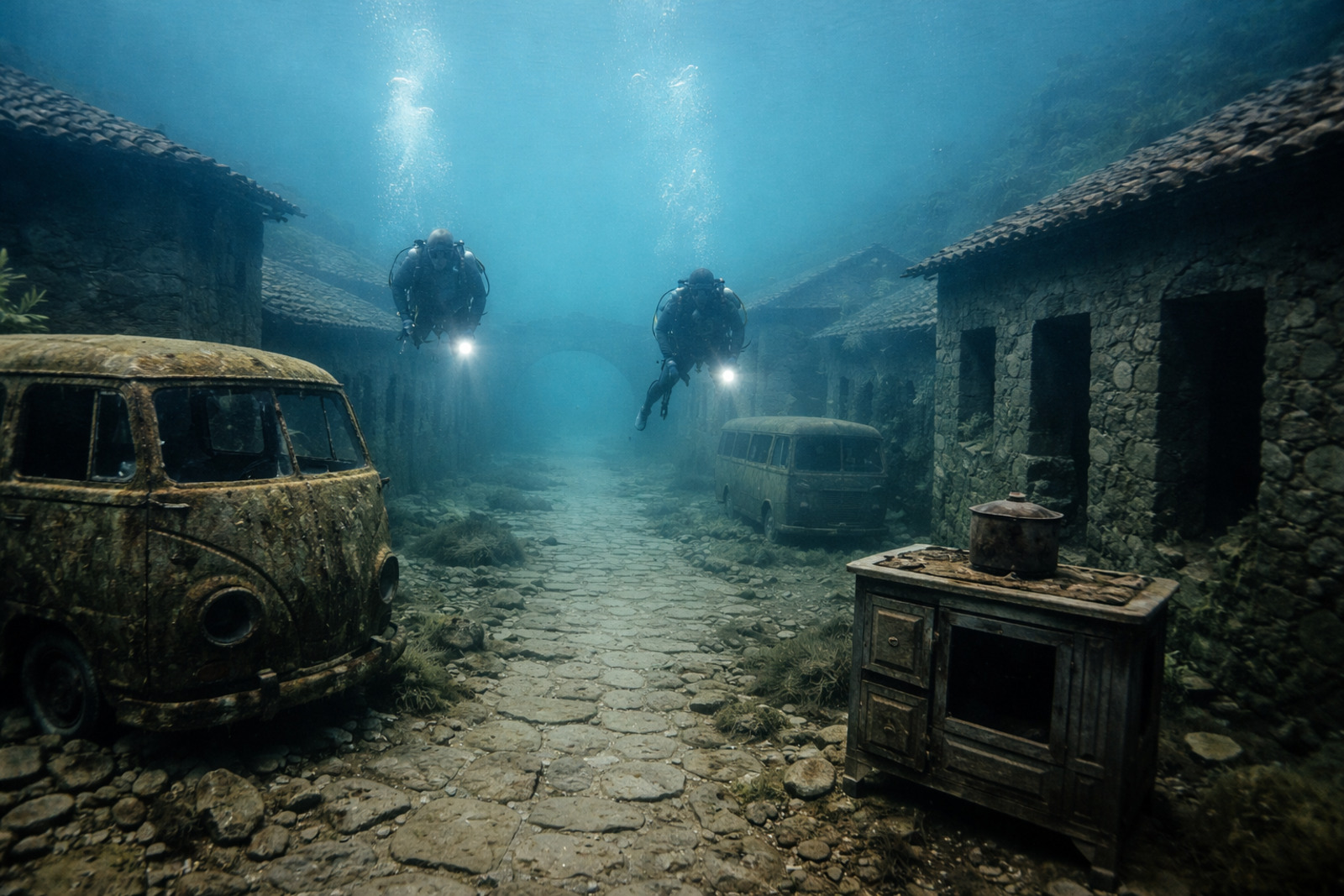
Diving with a camera in Lake Furnas reveals a submerged city with an entire street, almost intact houses, a preserved bridge, a wood stove, a Kombi, and even a bus at the bottom of the largest lake in the Southeast.
-
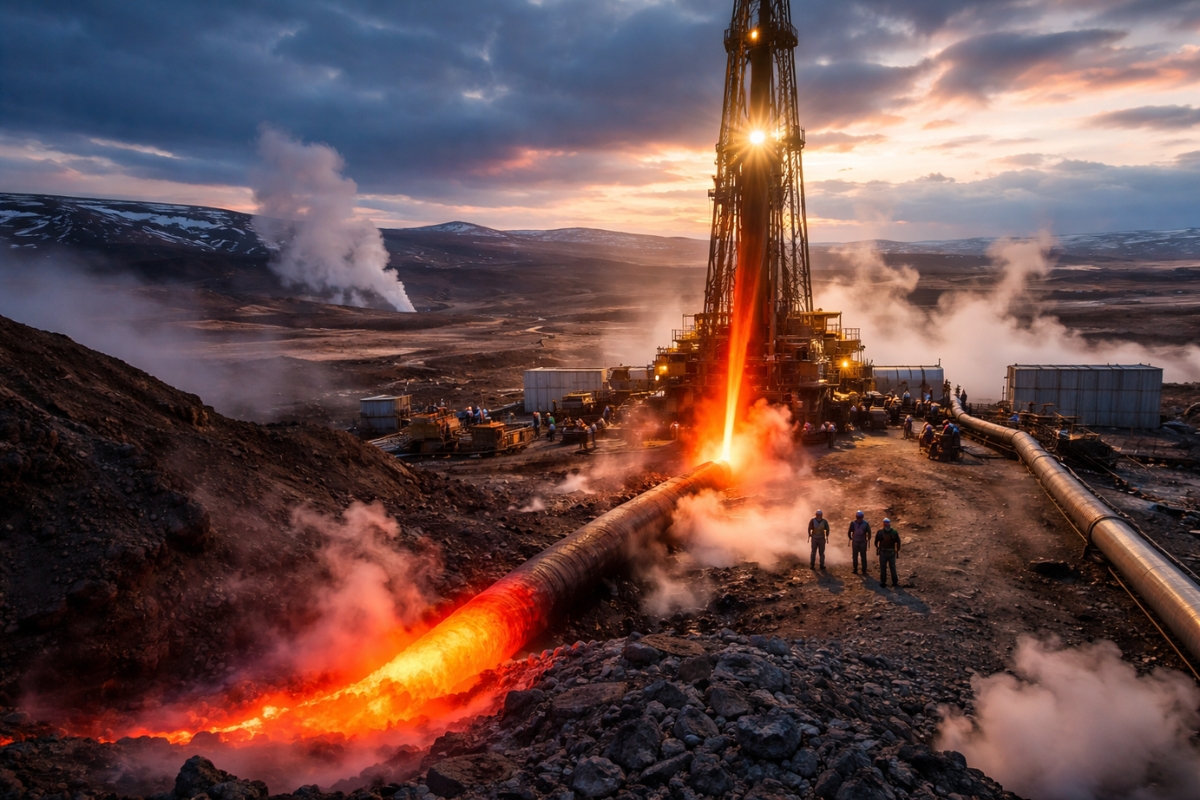
Iceland accidentally drilled into a magma pocket at 2,100 meters and revealed that the extreme heat beneath the crust could pave the way for a new source of continuous energy.

The Scientific Explanation
Although it evokes enchantment, the separation of the sea has a clear scientific explanation. According to experts cited by the publication, the phenomenon results from “extremely low tides caused by a phenomenon known as tide harmonics.” Therefore, it is a natural, predictable event explained by science.
Festival and Tradition
Moreover, the division of the sea does not happen just once. It can occur two to three times a year, typically between March and June.
However, the official celebration takes place only once, during a four-day festival that attracts crowds.
During this period, many cross the path on foot, while local residents take the opportunity to gather shellfish and seaweed.
The festival reinforces the link between tradition and nature, making the separation of Jindo Sea one of the most significant events on the South Korean calendar.
With information from Versa.








-

Uma pessoa reagiu a isso.