






 Portuguese
  Spanish




Separation of Jindo Sea Reveals Path of Almost Three Kilometers, Blending Tradition, Science and Faith, Attracting Thousands of Tourists and Locals Every Year
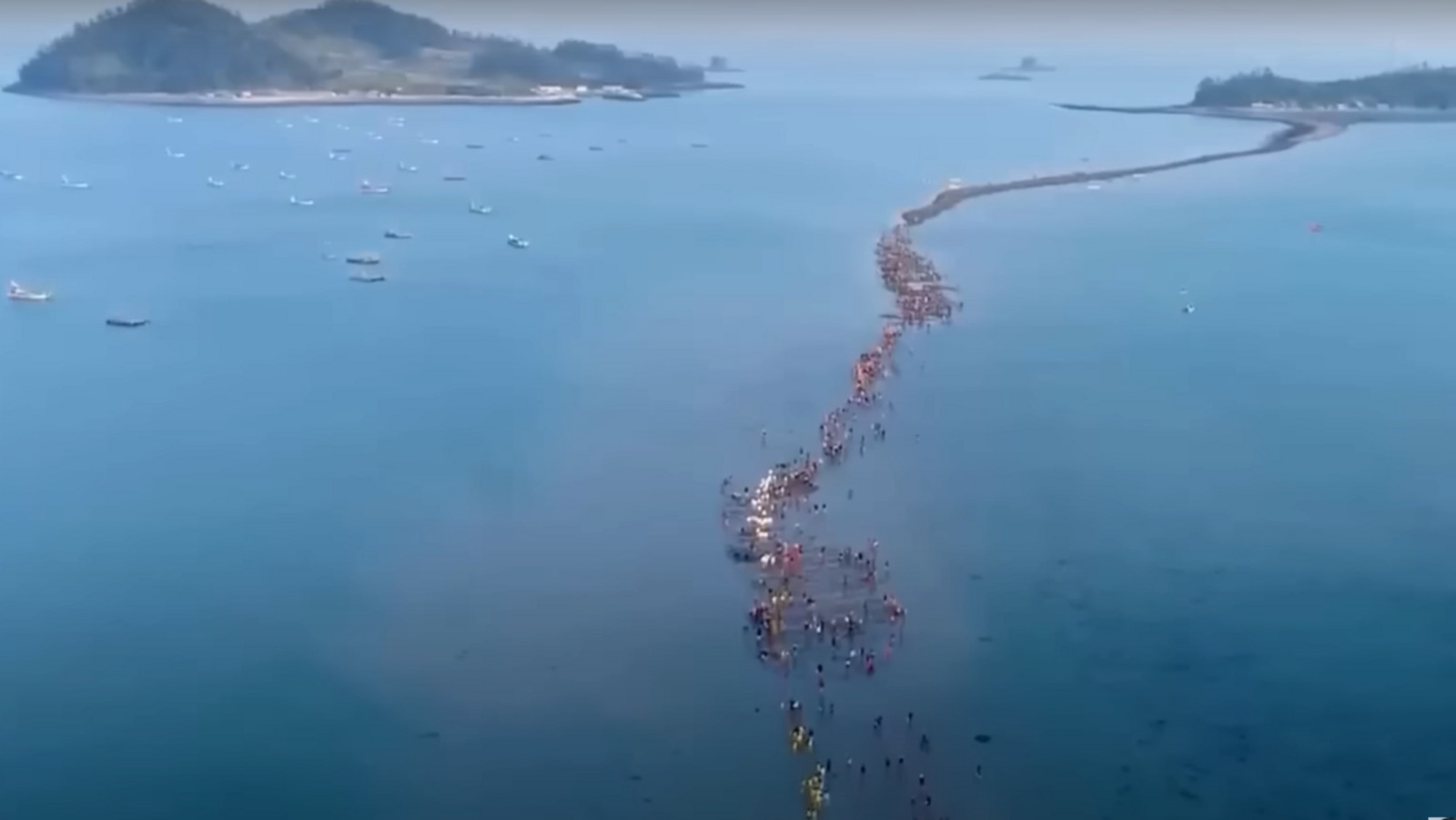
Yes, there are many reasons to visit South Korea. However, few are aware of one of its most curious attractions: the separation of Jindo Sea. The event recalls the famous biblical story of Moses, but occurs naturally. A few times a year, the tide goes so low that it reveals a land path of nearly three kilometers.
Path Between Islands
This phenomenon connects the island of Jindo to the neighboring Modo, creating the sensation that the sea splits in two. Every year, hundreds of thousands of Koreans and tourists travel to the southern tip of the Korean Peninsula to witness this impressive passage.
The magazine National Geographic highlights that the event caught international attention in 1975, when former French ambassador Pierre Landy described it as “the Korean version of Moses’s miracle.”
-
Before Japan Became a Football Powerhouse, Zico Transformed the Amateur League, Boosted the J.League, and Was Honored with a Statue at Kashima Antlers

-
House Left Isolated in the Middle of New Chinese Highway as Owner Refuses Compensation Deal, Construction Continues Around the Property

-
Venetian Factory Luigi Bevilacqua Crafts Velvet by Hand on 18th-Century Looms, Producing Just 30 Centimeters a Day

-
From Customer Service to Pipeline Welding: She Becomes the Second Female Welder in Utility’s History, Now Leading a Team in San Diego



The Scientific Explanation
Although it evokes enchantment, the separation of the sea has a clear scientific explanation. According to experts cited by the publication, the phenomenon results from “extremely low tides caused by a phenomenon known as tide harmonics.” Therefore, it is a natural, predictable event explained by science.
Festival and Tradition
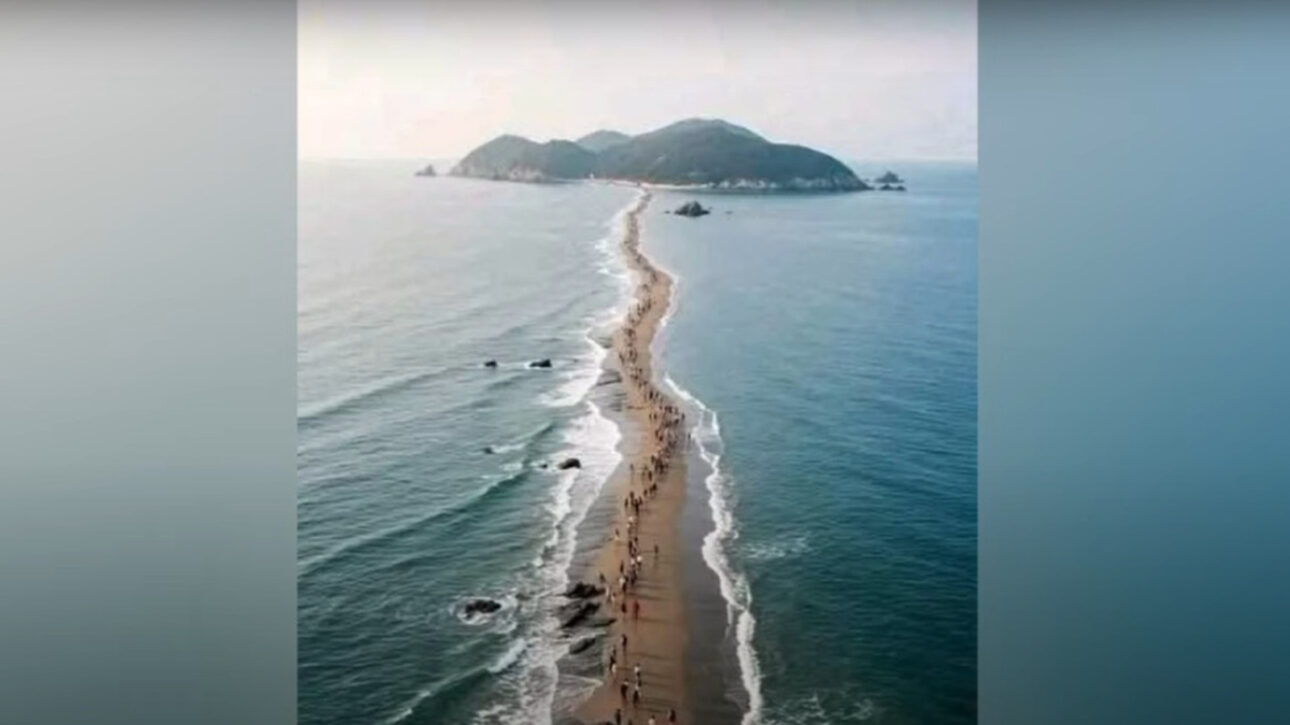
Moreover, the division of the sea does not happen just once. It can occur two to three times a year, typically between March and June.
However, the official celebration takes place only once, during a four-day festival that attracts crowds.
During this period, many cross the path on foot, while local residents take the opportunity to gather shellfish and seaweed.
The festival reinforces the link between tradition and nature, making the separation of Jindo Sea one of the most significant events on the South Korean calendar.
With information from Versa.


