





 Portuguese
  English
  Spanish
  4 min of reading
  0 comments



Small Fossilized Teeth Found by Researchers Reveal New Clues About the Initial Spread of Ancestral Primates Across North America in the Early Cenozoic Era
A significant paleontological discovery was made by scientists analyzing extremely small fossilized teeth belonging to an ancient mammal related to the first primates.
These fossils provide new evidence about the evolutionary history of the group that includes monkeys, lemurs, and humans.
Moreover, the remains indicate that these animals began to spread across North America shortly after the extinction of non-avian dinosaurs, which occurred about 66 million years ago, at the end of the Cretaceous period.
-
New semi-autonomous legged robot technology challenges the limitations of space exploration by operating almost without human intervention on the Moon.

-
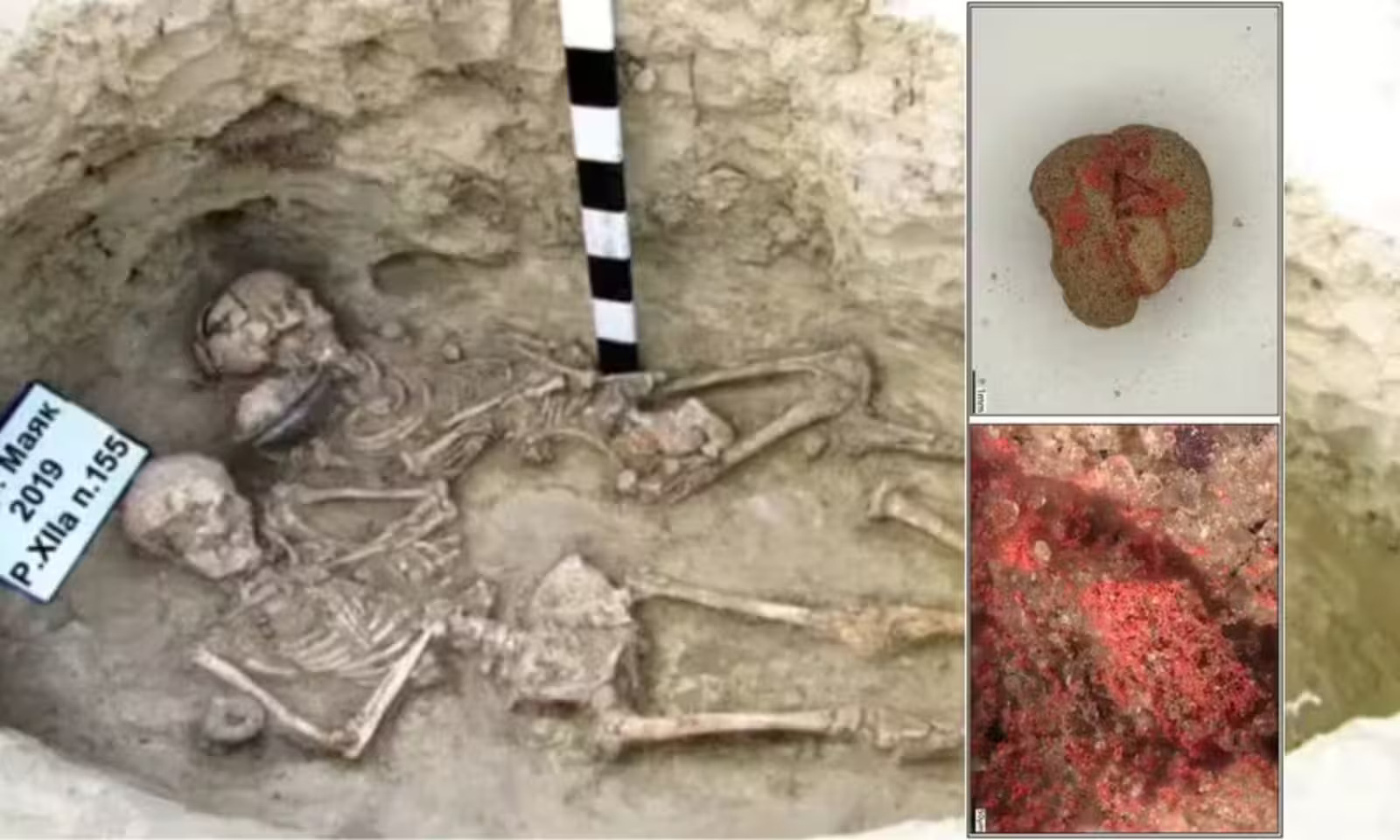
Super toxic red mineral found in the double burial of two women aged 1,900 years near the banks of the Dnieper River in Ukraine.
-
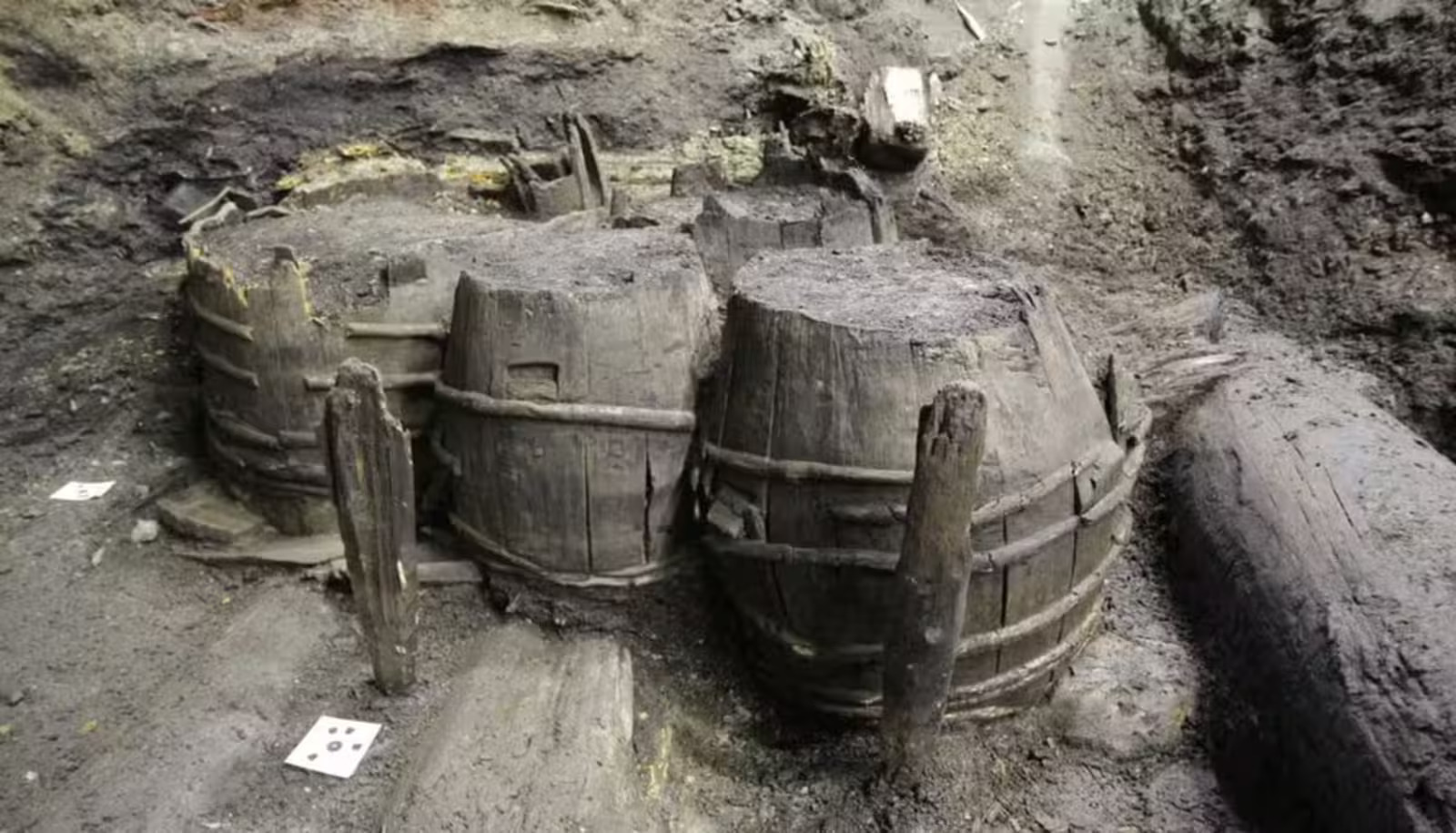
No one expected this under a common street: archaeologists find 3 intact oak barrels, buried about 400 years ago, with traces of lime and pieces related to 17th-century construction.
-
After decades of failed attempts, Brazil is once again looking to space with an orbital rocket measuring 12 meters, weighing 12 tons, costing R$ 189 million, and scheduled for launch in 2026, in a new race to finally achieve autonomous access to orbit.


The scientific study was published in the Journal of Vertebrate Paleontology, an academic publication specializing in vertebrate paleontology.
This research helps to expand the understanding of how early mammals began to occupy available ecological niches after the mass extinction that ended the age of dinosaurs.
Scientific Investigation Identifies Fossil Teeth of Ancient Relative of Primates

The analyzed fossils belong to the genus Purgatorius, considered one of the oldest known relatives of primates.
This small mammal was approximately the size of a shrew, a characteristic that helps explain the rarity of its fossil records.
The fragments were found in the area known as Denver Basin, in the United States.
More specifically, the fossils were recovered at the paleontological site Corral Bluffs, located in the state of Colorado.
This area is recognized for preserving the remains of animals that lived shortly after the asteroid impact that marked the end of the age of dinosaurs, an event that occurred about 66 million years ago.
Therefore, the site is considered essential for studies on the beginning of the Cenozoic era, a period when mammals began to diversify rapidly.
New Record Expands the Distribution Map of Early Primates
Before this discovery, fossils of Purgatorius were primarily found in more northern regions of North America.
For example, previous records were identified in the state of Montana, in the United States.
Additionally, other fossils had been recorded in parts of Canada.
With the new discovery in Colorado, the distribution map of these primitive mammals has been significantly expanded.
This new record suggests that these animals may have rapidly adapted to different environments shortly after the extinction of the dinosaurs.
Thus, the results reinforce the hypothesis that the early relatives of primates spread across broader areas of the North American continent than previously thought.
Specialized Technique Allowed for Finding Microscopic Fossils
The discovered fossils are extremely small, making their identification a challenge for researchers.
For that reason, the fragments were recovered using a technique known as screen-washing.
In this method, sediments collected in the field are washing and carefully sifted in the laboratory.
This way, small fragments of bones and microscopic teeth can be separated from the rest of the geological material.
This procedure allows for tiny remains to be identified, even when they would go unnoticed in traditional excavations.
Dental Analysis May Indicate Unknown Species
The detailed analysis of the fossils revealed important characteristics in the found teeth.
According to paleontologist Stephen Chester, one of the leaders of the scientific research, some anatomical traits caught the specialists’ attention.
According to the researcher, these characteristics may indicate the existence of a yet-to-be-described species of Purgatorius.
However, scientists emphasize that new evidence will be necessary to confirm this hypothesis.
More fossils still need to be discovered and analyzed.
Only with new records will it be possible to better understand the diversity of these primitive mammals that lived shortly after the extinction of the dinosaurs.
In light of this scientific discovery, an important question arises: to what extent will new fossils be able to change what we know today about the origin and evolution of primates?








Seja o primeiro a reagir!