





 Portuguese
  English
  Spanish
  5 min of reading
  0 comments



Labor Court Condemns Jewelry Store for Subjecting Saleswoman to Degrading Restrictions, with Abusive Targets and Prohibition against Sitting or Drinking Water During Work Hours. Decision Reinforces Ergonomic and Dignity Standards in the Workplace.
A jewelry store in São Paulo was ordered to pay R$ 17 thousand for moral damages to a saleswoman subjected to what were considered abusive targets and undue restrictions during work hours.
The decision is from Labor Judge Viviany Aparecida Carreira Moreira Rodrigues, from the 63rd Labor Court of the capital, who recognized the practice of moral harassment due to repeated demands, prohibition against sitting, and denying access to water.
Degrading Conditions and Recognized Moral Harassment
In the case, the judge concluded that the worker operated in a hostile environment without minimum conditions of dignity.
-
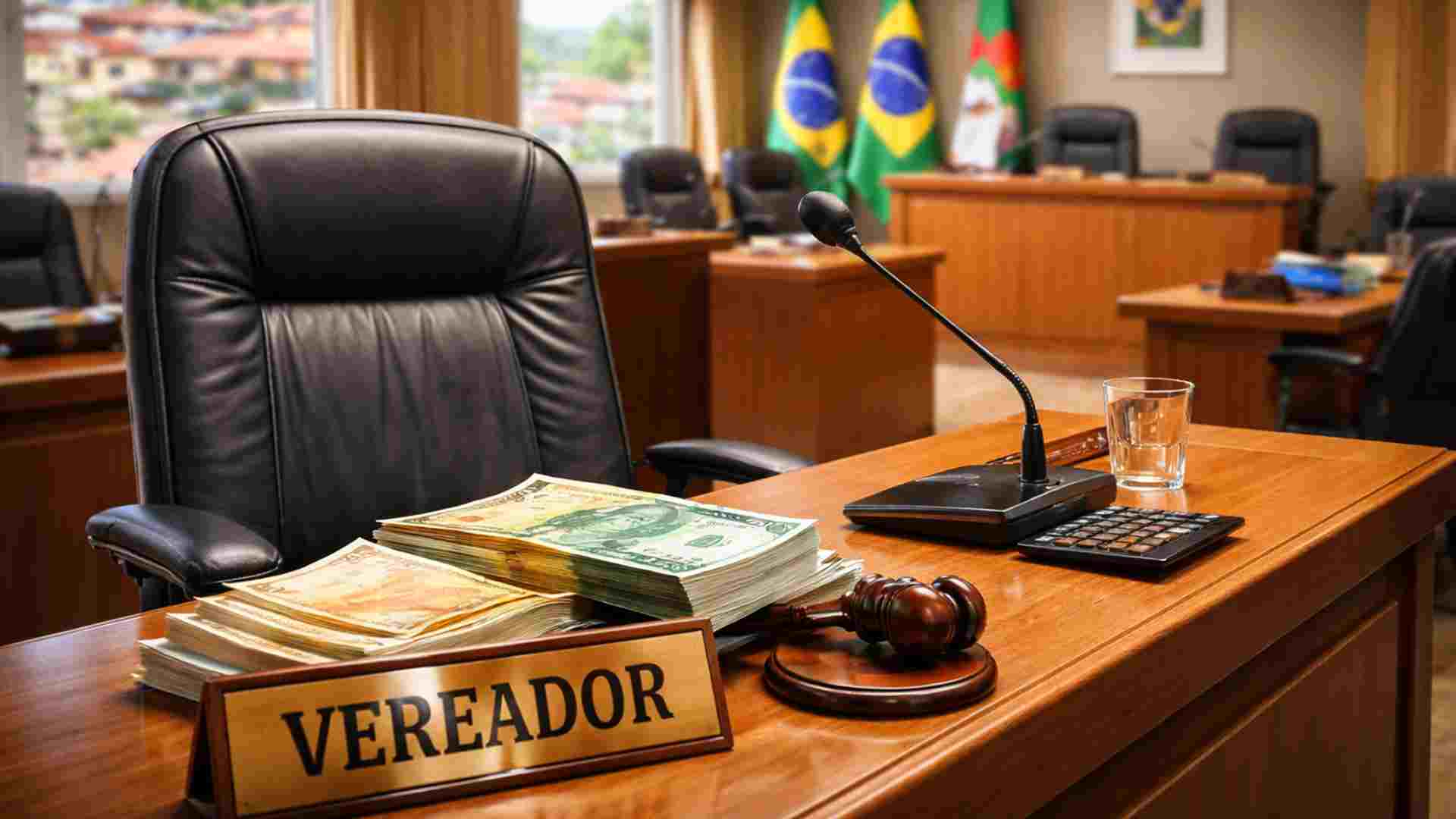
A bill could eliminate councilors in small towns in Brazil and replace fixed salaries with session allowances in municipalities with up to 30,000 inhabitants.
-
As the use of slimming pens grows in Brazil, a silent question arises among taxpayers in the 2026 income tax: why can’t these expenses be deducted and what specific detail could completely transform this rule into an isolated case?

-
He missed work to take care of his sick child, was fired for just cause, and ended up turning the tables in court with a decision that surprises companies.

-
STJ confirms that child support must be proportional to the father’s actual income and not to the mother’s standard of living — the decision reinforces balance in family obligations and prevents abuses in requests for increases.

The body of evidence indicated that, in addition to pressured targets under the threat of dismissal, there were explicit prohibitions on basic rest.
In a hearing, witnesses reported that the guidance from management was clear: the saleswoman could not sit or drink water during the shift because it was “forbidden.”
These accounts were considered consistent and converging.
According to the ruling, the treatment received exceeded the company’s directive power and violated health, hygiene, and safety regulations.
The demand for performance, the judge stated, cannot suppress basic rights or impose constraints that affect the physical and mental integrity of the employee.
Abusive Targets and Threats of Dismissal
Testimonies collected during the process indicated that management made constant demands, conditioning the maintenance of the contract on the fulfillment of results.
The threat of dismissal, repeated as a management method, was interpreted by the court as a factor that aggravated the conduct, as it created an environment of fear and humiliation.
It was shown that the targets policy, instead of being a legitimate performance tool, became a mechanism of intimidation and embarrassment.
The decision emphasized that targets can be implemented but must observe legal limits and reasonable criteria.
What was observed in this specific case, according to the ruling, was the adoption of objectives incompatible with the reality of the job position, combined with practices that restricted basic physiological needs.
Hours Bank and Overtime Settled Only Upon Termination
Besides moral harassment, the action discussed compliance with labor obligations related to work-hour compensation.
The employees accumulated hours in the hours bank; however, the jewelry store made compensation difficult and postponed financial settlement.
A document attached to the case recorded a significant amount of overtime hours, which were only settled upon termination.
For the judge, this practice highlighted a discrepancy between time control and effective compensation, inconsistent with legislation and good faith in labor relations.
The finding reinforced the picture of disrespect for basic regulations and contributed to the characterization of moral damage.
History of Similar Cases and Jurisprudence
When examining precedents, the judge identified that the company had been involved in other actions of a similar nature.
In at least one case, the central issue involved the absence of adequate seating for rest during breaks.
This history was mentioned as a contextual element: simple measures of ergonomics and rest, recommended by technical standards, had not been regularly observed.
The reference to previous decisions did not replace the analysis of the specific case but served to indicate a pattern of corporate conduct that, if reiterated, reveals disregard for minimum occupational health guidelines.
The court emphasized that, especially in activities with long periods of standing, providing seating and alternating postures are not favors, but rather regulatory requirements.
Labor Standards and Mandatory Ergonomics
In its reasoning, the ruling cited orders from the Ministry of Labor that determine the planning or adaptation of workstations to allow for alternation between standing and sitting positions.
It was also noted that there is an obligation to provide seating during breaks, when the job allows, in line with ergonomic parameters aimed at preventing illness and fatigue.
Although the decision did not reproduce the full text of the regulations, the content of the rules indicates that the employer must organize the workplace to avoid excessive strain, impose limits on continuous standing, and ensure basic hydration conditions.
When the company prevents access to water or prohibits sitting without plausible technical justification, it violates personal rights and creates health risks, the court concluded.
Evidence, Testimonies, and Judicial Conviction
The testimony of witnesses was decisive in forming the judicial conviction.
The statements converged regarding the existence of clear prohibitions and the dynamics of demands, with threats of dismissal linked to fulfilling targets.
The judge valued the internal consistency of the testimonies and their coherence with attached documents, such as the overtime statement.
In technical language, the ruling pointed out the “nexus between conduct and damage”: the targets policy and the imposed restrictions created a harmful environment, capable of injuring the worker’s dignity.
This nexus justified the condemnation for moral damages, regardless of evidence of immediate material harm, as it pertains to an offense to fundamental rights.
Amount of Compensation and Pedagogical Effect
Based on the elements of the case, the court determined R$ 17 thousand as compensation for moral damages.
This amount considered the severity of the facts, the economic capacity of the company, and the pedagogical function of the measure.
The sum aims to compensate for the suffering caused and deter the repetition of practices that violate labor legislation.
The decision noted that the amount is not intended to enrich the plaintiff or hinder the defendant’s operations but to signal that harassment and violations of occupational health regulations will not be tolerated.
In situations with performance pressures, the company must balance targets with respect for human dignity and adherence to ergonomics and safety rules.
Impact on Retail and Best Practices
Cases like this highlight a recurring challenge in retail: reconciling sales targets with adequate working conditions.
The judicial recognition that the prohibition against sitting and drinking water constitutes moral harassment underscores the need for clear internal policies, leadership training, and compliance audits.
Simple practices, such as allowing regular breaks and providing seating at strategic points, reduce legal risks and improve employee health.
At the same time, target management must rest on objective, reasonable, and transparent criteria.
Threats of dismissal as a pressure mechanism erode the organizational climate and increase exposure to litigation.
The message from the ruling is clear: targets cannot justify violations of basic rights.
Consequences and Lessons for the Sector
In light of decisions like this, companies tend to revise procedures to comply with Ministry of Labor regulations and best ergonomic practices.
Posture alternation, ensuring hydration, and correctly managing the hours bank are among the immediate points of attention.
Concurrently, documenting work hours, breaks, and internal guidelines becomes even more critical in preventing litigation, as it supports audits and potential inspections.
Ultimately, the case reaffirms an already established principle: the pursuit of results does not authorize suppressing personal rights or relativizing health and safety regulations.
Given this scenario, how do retail companies intend to balance aggressive targets with a truly healthy and legally compliant environment?









-

-

-

7 pessoas reagiram a isso.