





 Portuguese
  English
  Spanish
  3 min of reading
  0 comments


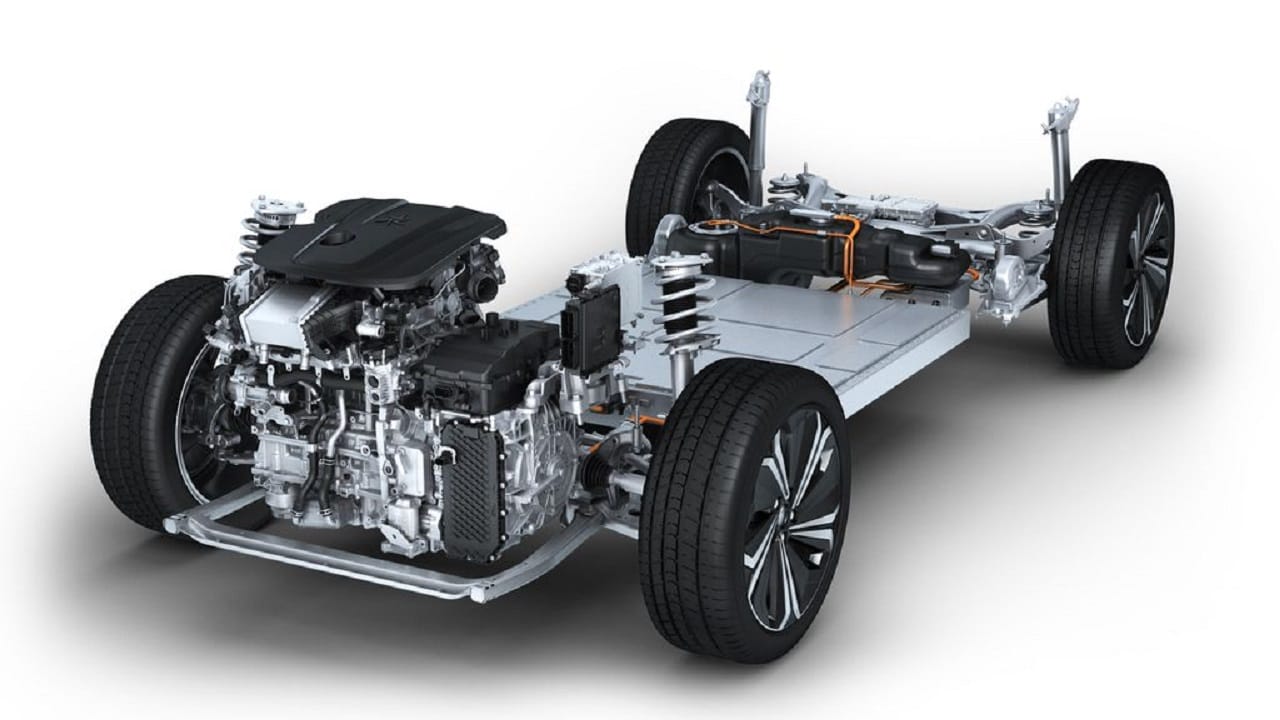
Check Out All The Details Of Geely’s New Production Platform That Promises To Double The Range Of Gasoline Cars To Travel Up To 100 Km Using Just 2 Liters Of Fuel.
Geely, the Chinese giant in the automotive sector, recently announced a new generation of its hybrid car system, the Geely Raytheon Hybrid Platform, which will be launched later this year. With this new platform for hybrid car production, the company promises a significant leap in terms of range and fuel consumption, with a maximum combined range of over 2,000 km and a consumption of just 2 liters of gasoline per 100 km.
According to Geely itself, the new generation of the hybrid car production platform has achieved a thermal efficiency of 46%, one of the highest rates in the world. This achievement was presented during the announcement of Geely’s annual results in 2023, where the company also highlighted its ambition to become a global leader in hybrid engine technology.
The Hybrid Car Production Platform Will Feature Major Technological Advances
The Geely Raytheon Hybrid Platform was launched in 2021 and already equips several models from the brand, such as the Geely Xingyue L Hi-X and the Lynk & Co 01 EM-P. The new generation of the hybrid car production platform will bring further advancements, such as a more efficient powertrain, a 3-speed DHT Pro transmission, and the capability for over-the-air (OTA) software updates for the entire hybrid system.
-
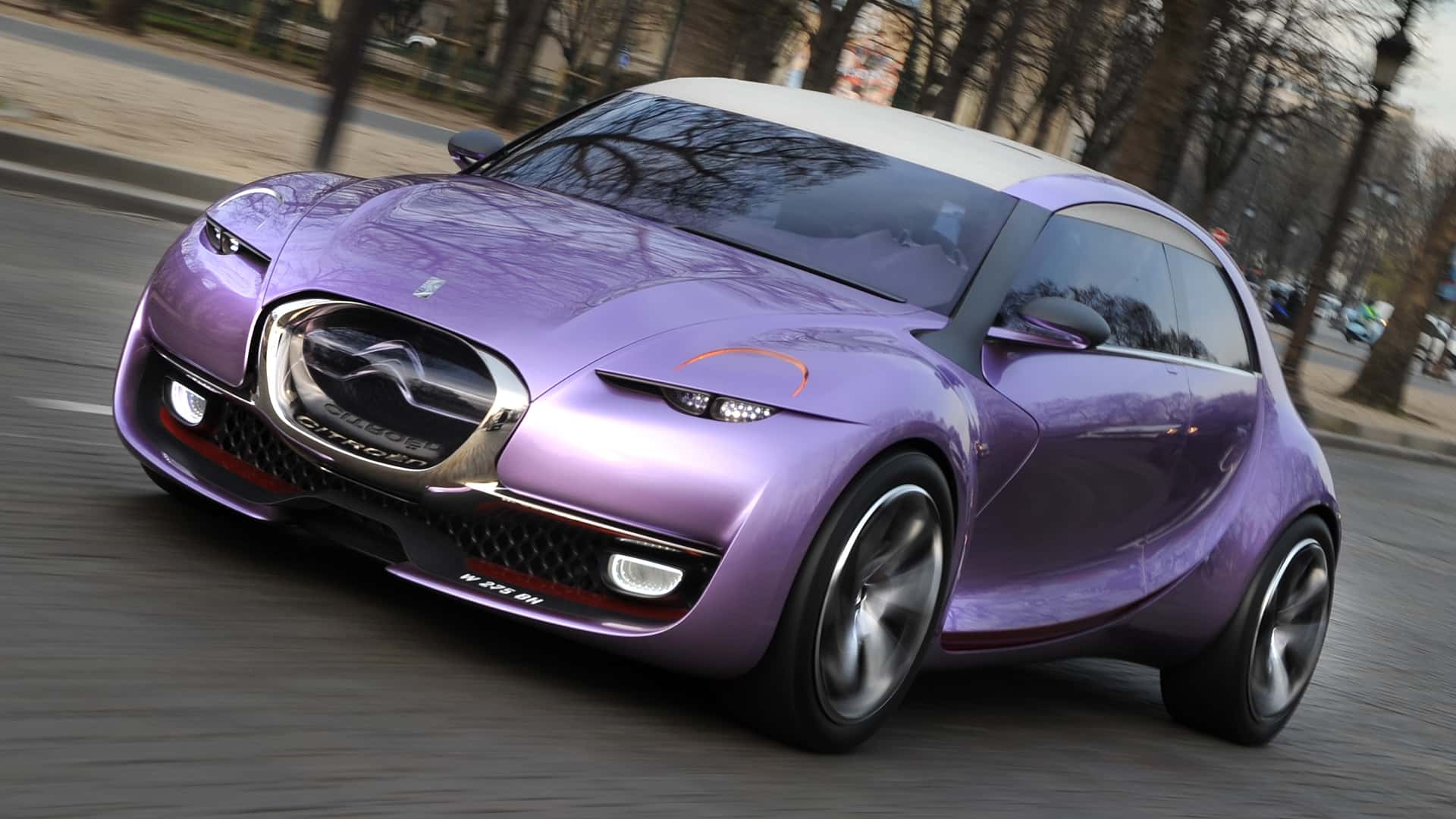
After decades out of the spotlight, Citroën is preparing to bring back the legendary 2CV as a low-cost electric vehicle, betting on the revival of one of the most popular cars in history and aiming to enter the race for affordable compact cars.
-
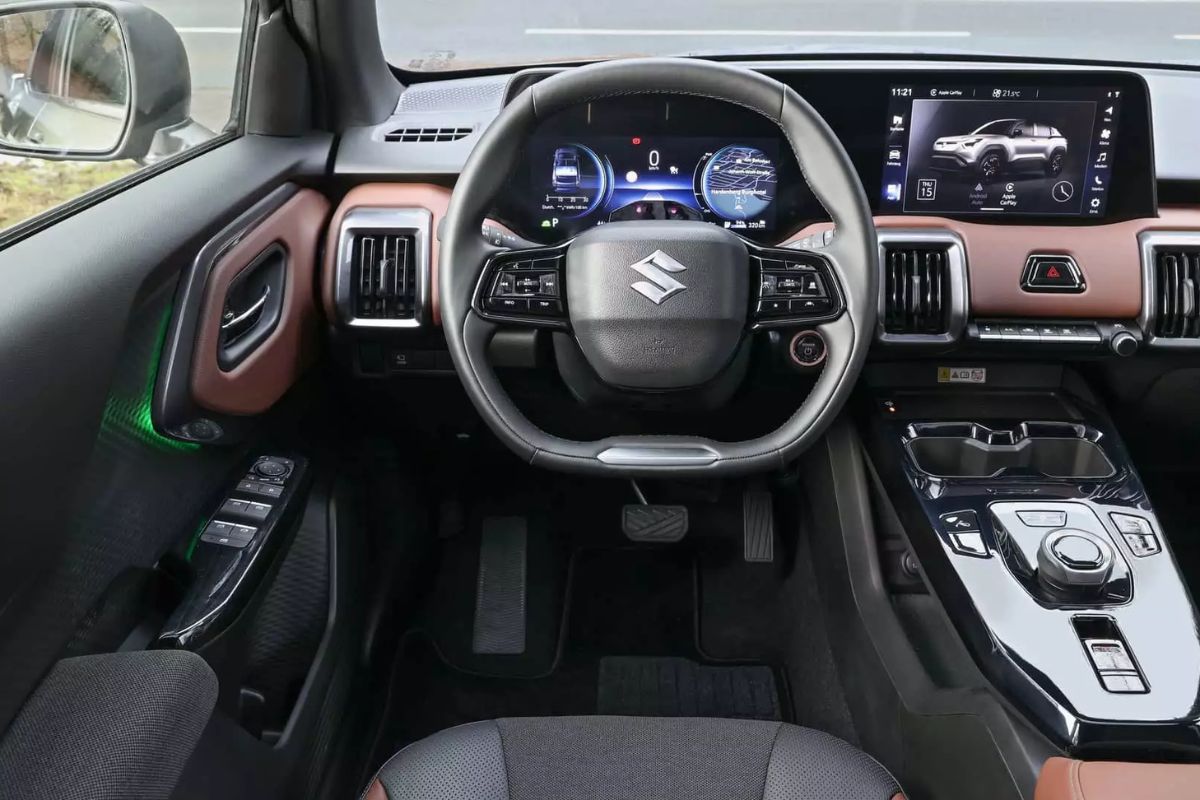
The 2026 electric Vitara arrives in Brazil and proves that Suzuki is not leaving: 4×4 traction, 184 hp, 61 kWh LFP battery, 293 km range, R$ 259,000, and a trunk capacity of 224 L.
-
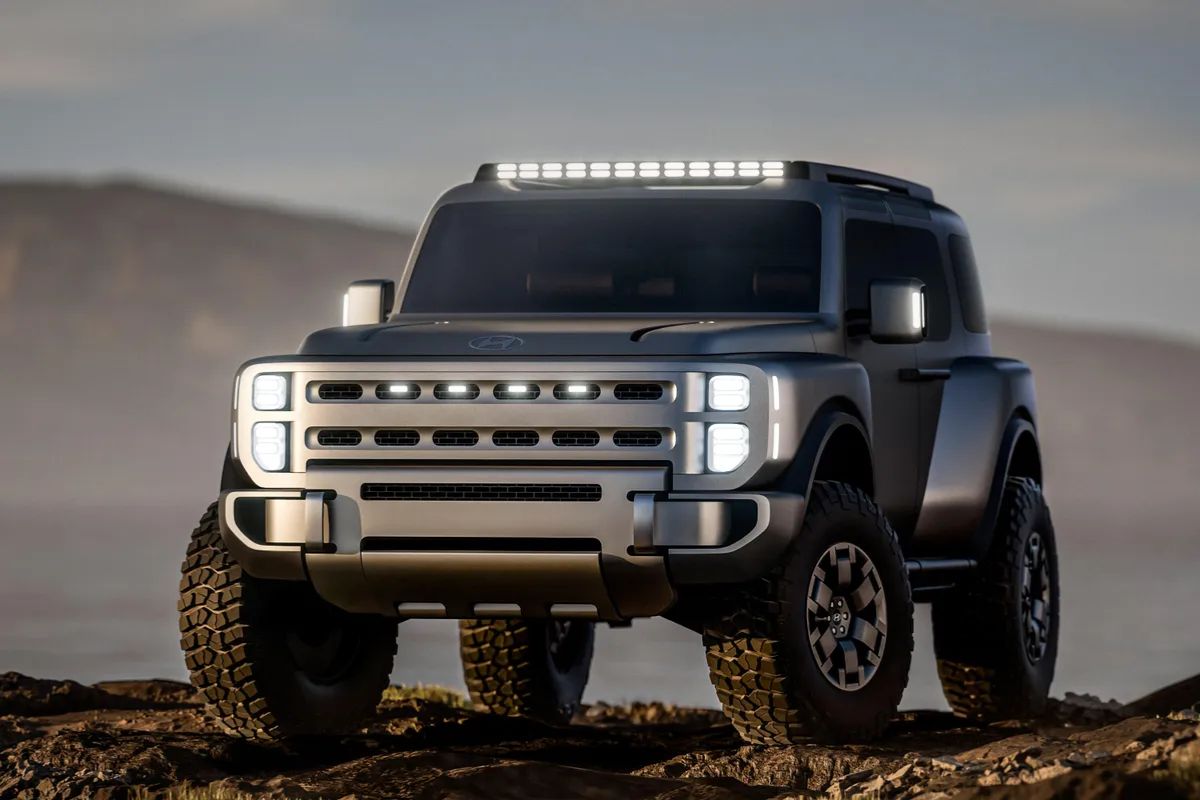
Hyundai has unveiled the Boulder, a square SUV with a body-on-frame design, 37-inch mud tires, and carriage-style doors that seems to be made to take on the Ford Bronco and the Scout Traveller in the United States.
-
The Toyota Hilux is R$ 75.5 thousand cheaper and bets on the 2.8 turbodiesel engine with up to 204 hp and 50.9 kgfm to catch up with the VW Saveiro, which leads with 4,472 sales.

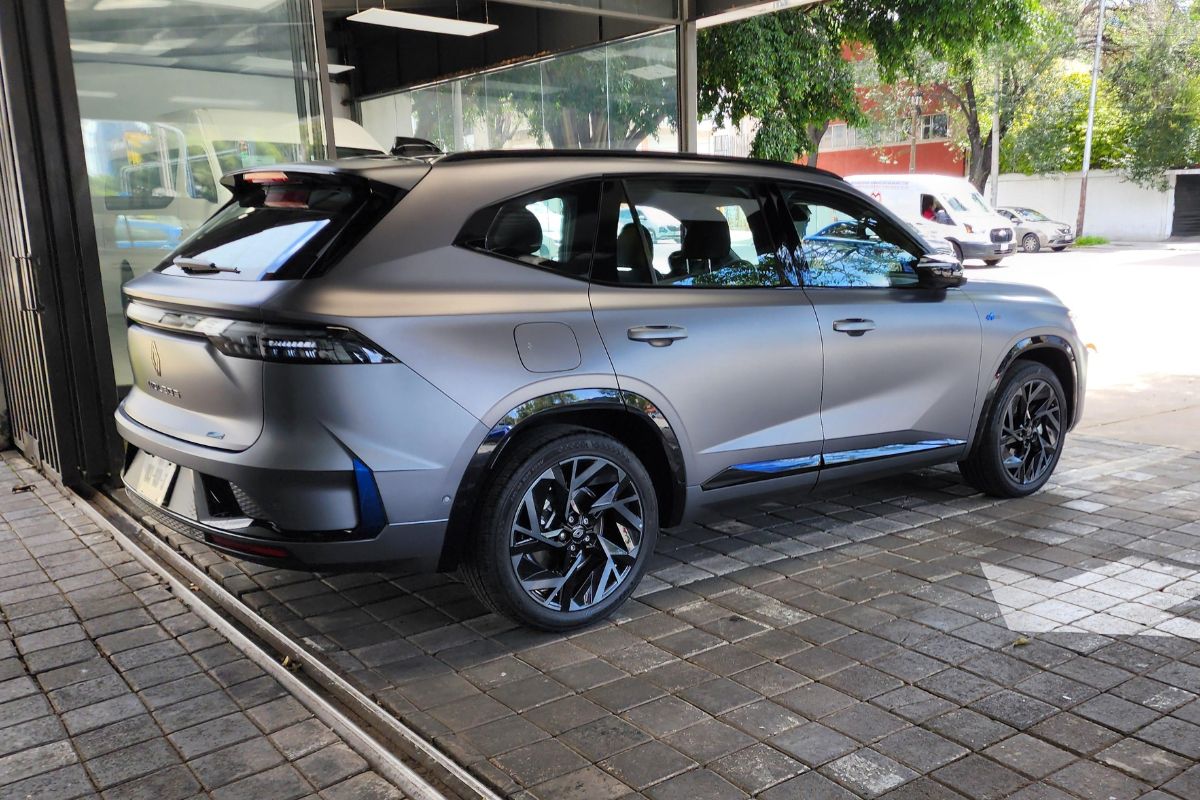
Geely also announced that, in addition to Volvo, it has already partnered with other luxury brands and renowned automakers to provide its hybrid system. This strategy aims to expand the presence of Geely’s technology in the global market, including through its brands like Volvo and Zeekr, the latter of which is expected to begin operations in Brazil soon.
Geely Brand Announces New Battery
In addition to announcing this new hybrid car production platform from Geely, Zeekr, mentioned earlier, revealed a new LFP battery pack that enables ultra-fast charging last December.
Fully developed in-house, the new LFP battery recovers a range of 500 km in just 15 minutes, partially thanks to an 800V electrical system. The company claims that the charging performance of the new batteries “outperforms several competitors,” even in low winter temperatures.
The new technology was produced at a battery factory owned by Geely in Zhejiang Province, China, and debuted in the Zeekr 007 sedan. The new electric car was launched in China and is equipped with a 75.6 kWh LFP battery that enables a range of nearly 700 km based on the CLTC cycle. The package developed in-house by Zeekr is produced by Quzhou Jidian EV Tech, a subsidiary of Geely Holding Group.
BYD Also Advances With Hybrid Car Production Platform
The world’s largest manufacturer of hybrid and electric cars, with over 3 million cars sold in 2023, BYD will launch the fifth generation of its DM-i plug-in hybrid platform later this year, which is the basis of the Song Plus sold in Brazil. The goal is to achieve a range close to 2,000 km per tank.
The DM hybrid platform was launched in 2008, and the current generation was unveiled in 2021, with range figures approaching 1,200 km. Additionally, there are two configurations with different proposals. Hybrid cars with the DM-i platform utilize electrical motors to focus on fuel efficiency, while cars based on the DM-p platform use more powerful gasoline engines with their electric motors functioning to enhance performance.







Seja o primeiro a reagir!