





 Portuguese
  English
  Spanish
  3 min of reading


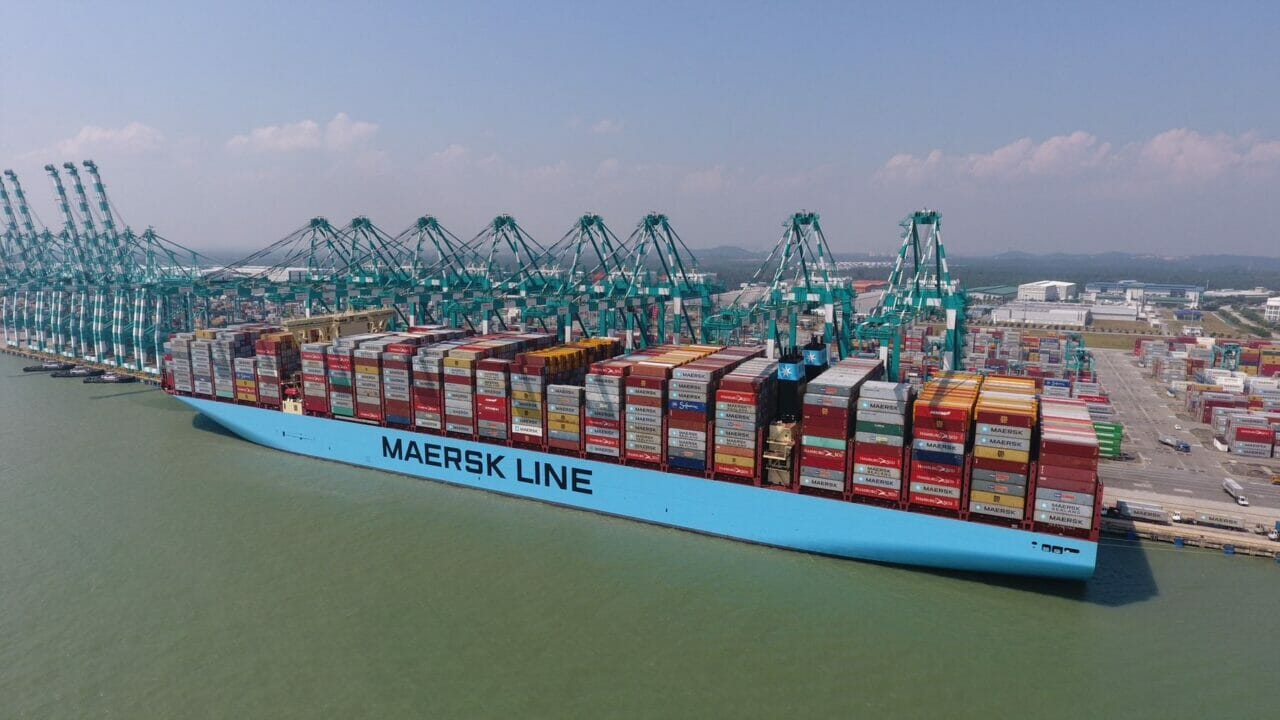
Maersk’s Initiative to Use Methanol Fuel Is Part of the Shipping Industry’s Decarbonization Strategy
A.P. Moller – Maersk, one of the world’s largest shipping companies, is planning to convert one of its ships to become the first vessel in the maritime industry to operate with green methanol as fuel. This initiative is part of the the company’s logistics decarbonization strategy and aims to achieve net-zero emissions from ships by 2040. The retrofit of the engine for dual fuel, capable of using methanol, is scheduled to occur in mid-2024, with the goal of demonstrating the viability of upgrading existing vessels instead of building new ships.
Maersk Partners to Convert Its Ship’s Engine to Run on Biofuel
Maersk has entered into an agreement with MAN Energy Solutions (MAN ES) to carry out the conversion of the vessel’s engine. MAN ES specializes in marine propulsion systems and will bring its expertise to adapt the ship’s engine to operate with green methanol biofuel. This collaboration will allow Maersk to demonstrate how upgrading vessels with dual-fuel engines is possible and contribute to the transition to more sustainable energy sources.
In addition to retrofitting the engine for green methanol, Maersk has set ambitious goals to ensure the decarbonization of its operations. The company aims to achieve net-zero emissions by 2040 and has set tangible targets for 2030. This includes a 50% reduction in emissions per container transported compared to 2020 and transporting 25% of its container volume with green fuels by 2030. These targets align with the Paris Agreement and the Science Based Targets initiative (SBTi).
-
The Ministry of Defense installs a giant photovoltaic plant and ensures a stable supply of clean energy in Maturacá, in the Amazon.

-
Itaipu receives proposals in the renewable energy tender and reinforces the role of public universities in the energy transition with projects that can reduce costs, increase academic investments, and accelerate sustainable innovation in the country.
-
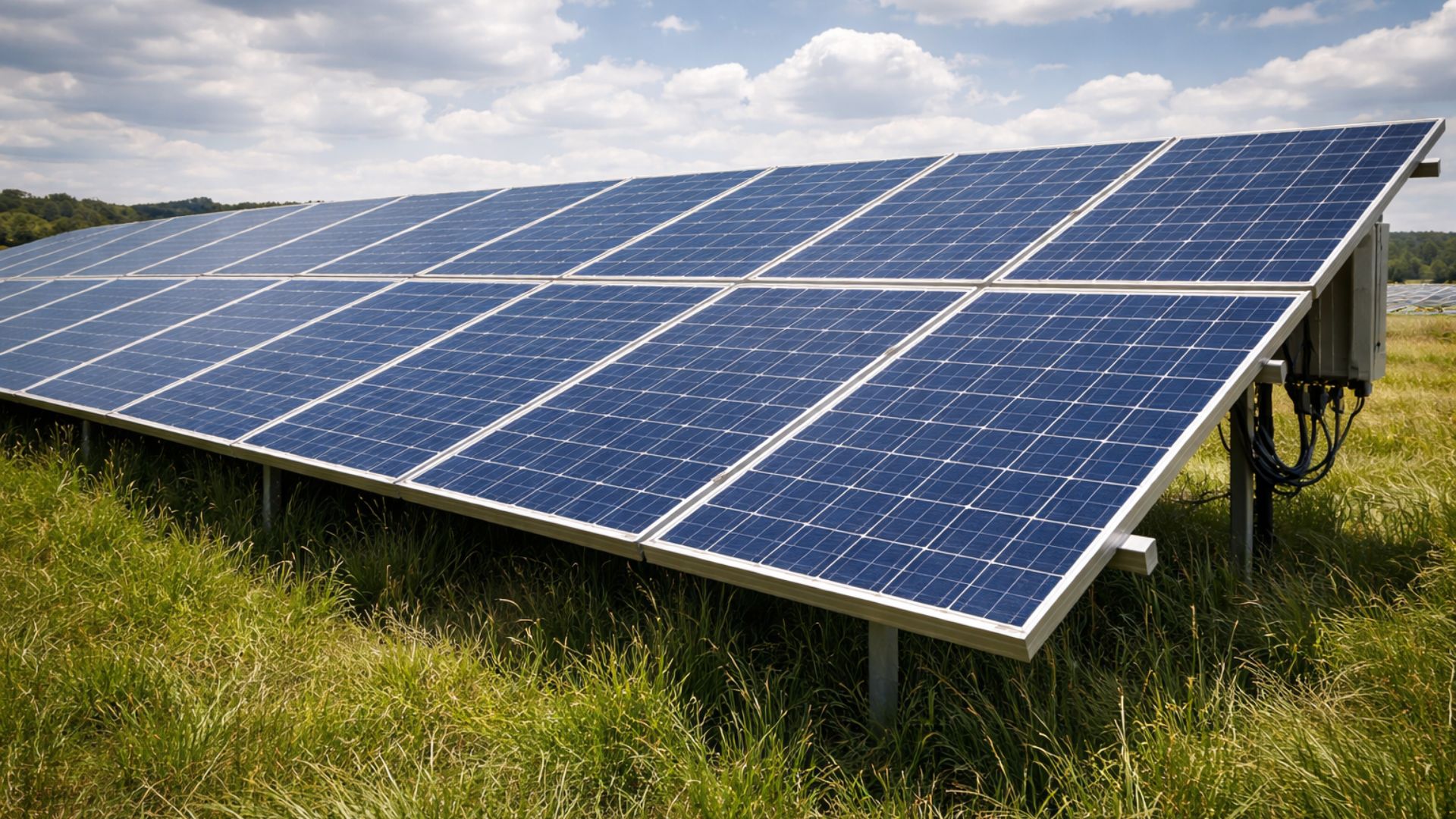
Claro operator reveals a silent change with hundreds of clean energy plants and shows how sustainability is impacting over 80% of its operations in Brazil.
-
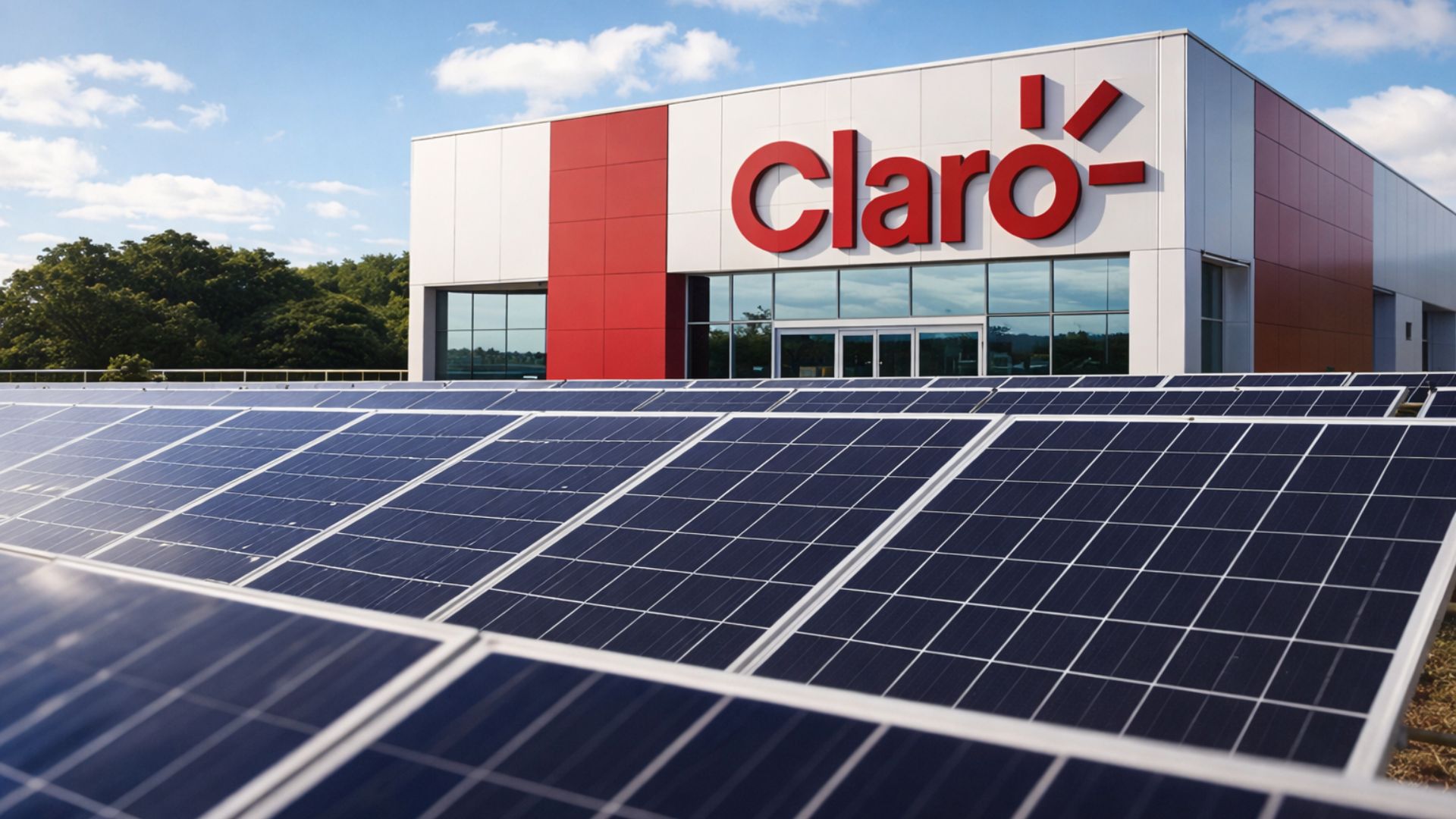
Billion-dollar strategic alliance: Brazil and China join forces in infrastructure and technology projects to lead the creation of a global green corridor in the energy transition.

Challenges for Implementing Green Fuel on Ships and Maersk’s Commitment to Sustainability
Converting an engine to run on green methanol is a complex process that requires the replacement of parts and the installation of new fuel tanks, fuel preparation room, and supply system. Currently, Maersk is conducting a detailed engineering process and is in discussions with potential shipyards to ensure the effective implementation of the engine retrofit. The forecast is that the retrofit will be completed in mid-2024.
Maersk operates a fleet of over 700 vessels, of which approximately 300 are owned by the company. By leading the conversion of ships to run on biofuel, Maersk demonstrates its commitment to reducing greenhouse gas emissions and driving the transition to a more sustainable shipping industry. This pioneering initiative may pave the way for future engine retrofits across the industry, accelerating the adoption of green fuels and contributing to a cleaner and more resilient future.
Conclusion on the Ship Decarbonization Project
A.P. Moller – Maersk is at the forefront of decarbonizing the maritime industry by planning the conversion of a ship to operate with biofuel. The partnership with MAN Energy Solutions and the ambitious goals set by the company demonstrate its commitment to leading the transition to a more sustainable shipping industry.
Upgrading existing vessels through engine retrofits is a viable alternative to building new ships and contributes to reducing greenhouse gas emissions. Maersk is showing the way to cleaner and more efficient shipping, driving the transformation of the maritime industry toward a more sustainable future.








Seja o primeiro a reagir!