





 English
  Francês
  Alemão
  Italiano
  Japonês
  Norueguês
  Portuguese
  Spanish
 3 min of reading


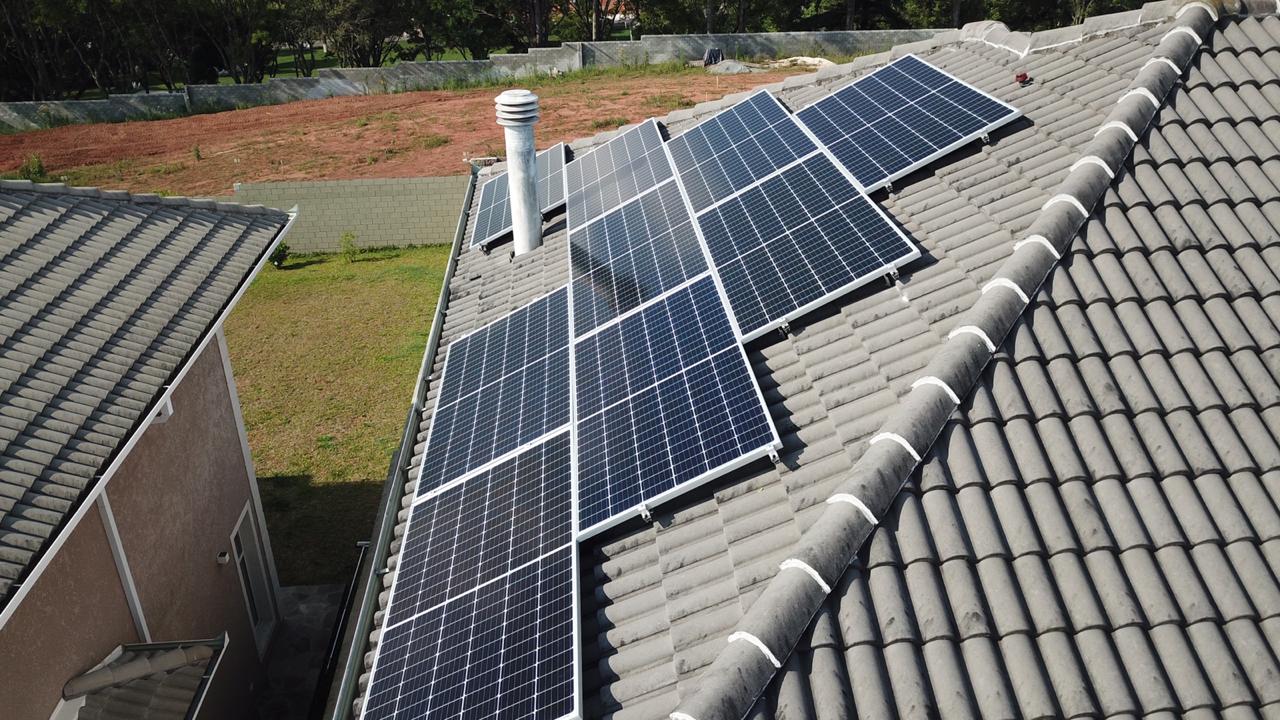
MT State Government Studies Possibility of Opening a Solar Energy Credit Line for Low-Income Families
In the session on Tuesday (6), state representative Faissal Calil (PV) presented a recommendation to the MT State Government for the opening of a credit line so that low-income individuals can install photovoltaic solar energy systems in their homes. The request for the credit line was made a week after the Mato Grosso Legislative Assembly (ALMT) overturned the veto on the project proposing the ICMS charge in the state.
Read Also
The Credit Line Will Cover the Purchase and Installation of Solar Energy Panels
According to the recommendation to the MT State Government, presented by Faissal with representative Gilberto Cattani (PSL) as co-author, the financing will cover the purchase and installation of solar energy panels and also the other equipment for its operation.
Faissal emphasizes that the need for the creation of the credit line for low-income individuals to encourage the use of solar energy arises from the obstacles that the population faces in affording high electricity tariffs that are currently charged, especially now that we are facing a water crisis.
-
Rio Grande do Sul accelerates energy transition: State invests in renewable technologies and consolidates decarbonization strategies and pathways to attract billions in new industrial investments.

-
With 160,000 m² of collectors, an area larger than 20 football fields, Silkeborg, in Denmark, hosts a solar thermal plant that heats 19,500 homes and could become the largest solar heating plant in the world.

-
A study reveals the expansion of renewable energy procurement in Brazil and shows how companies are taking advantage of opportunities to reduce expenses, ensure energy efficiency, and strengthen strategic environmental commitments.

-
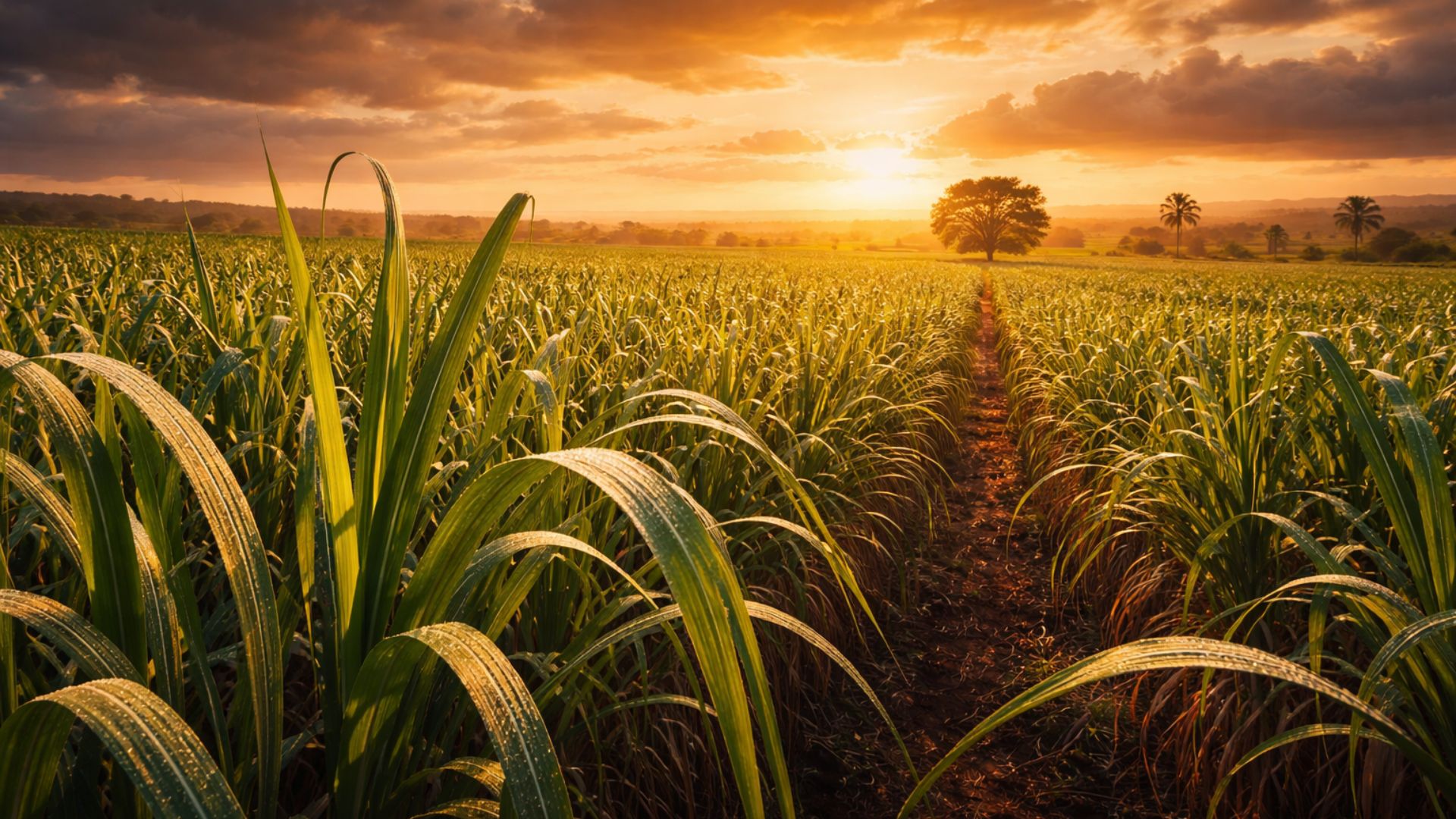
Mato Grosso do Sul excels in the sugar-energy sector: the state reaches a milestone of 22 operating mills and accelerates the production of clean energy in MS with a focus on sustainability.


Pandemic and Increased Electricity Bills Affect Low-Income Families
According to the state representative, the pandemic has worsened the financial situation of a large part of the population, greatly undermining the economic conditions of Brazilian families, especially those with low incomes. Along with the pandemic, the constant increases in electricity bills have also contributed to the worsening situation.
Many families have stopped putting certain basic items on the table in order to afford the high tariffs, making it essential to create alternatives that meet the needs of these individuals, and the credit line for solar energy is one of them.
Understand Who Will Be Benefited by the MT State Government’s Credit Line
Solar energy is a power produced from sunlight and can be generated even on cloudy and rainy days, making it a renewable and clean source. The energy offers various advantages and can be applied for two different purposes, such as solar panels installed in homes, businesses, or agribusinesses, or solar collectors for water heating.
The representative states that the MT State Government benefit will be directed to those families whose per capita income is less than half a minimum wage. According to Faissal, we are facing a water crisis and it is necessary to find alternative sources of energy, and there is no better solution for low-income families.






Seja o primeiro a reagir!