Portuguese
  Spanish


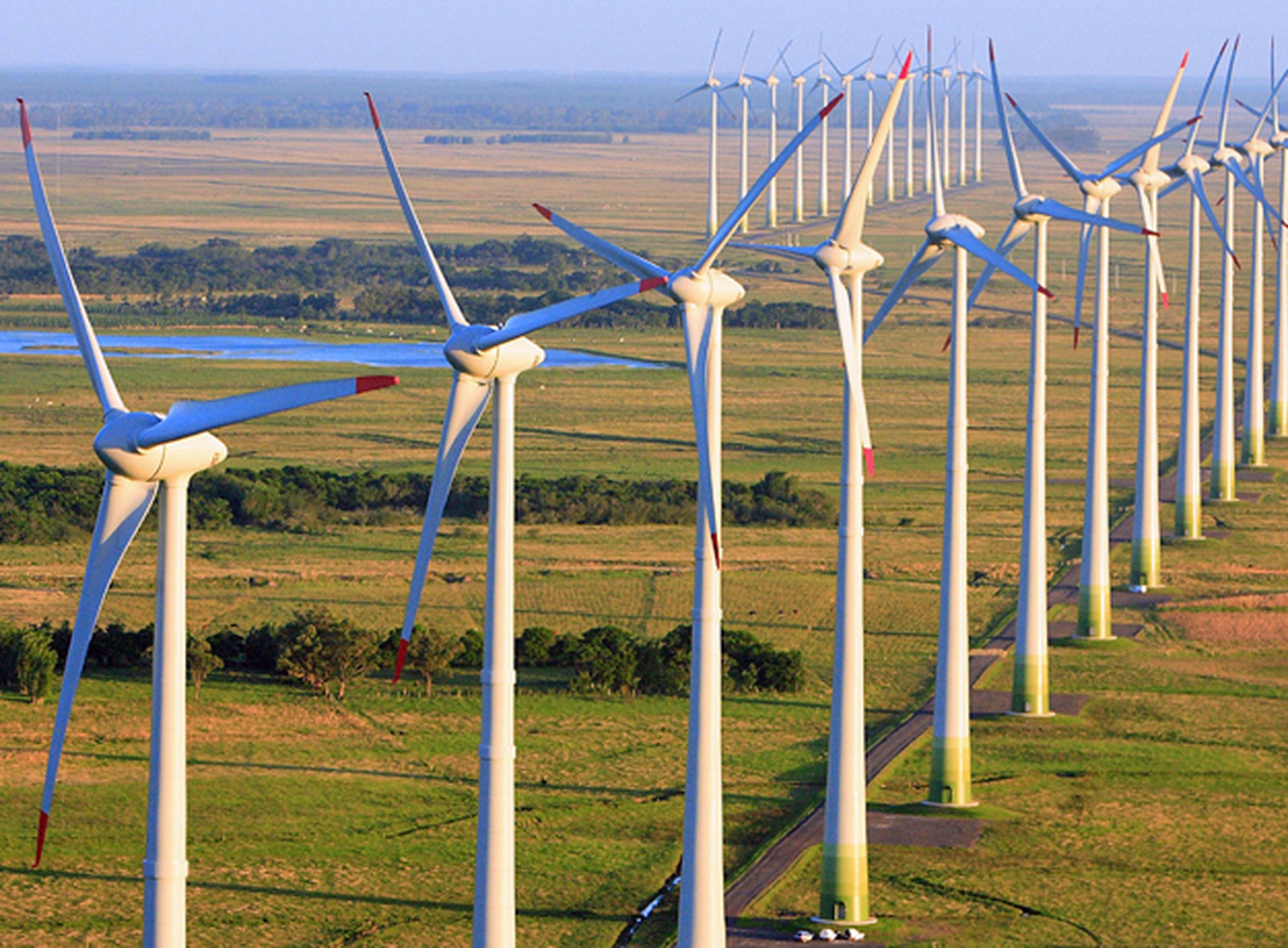

BNDES Released Credit to Casa dos Ventos for Construction of Two Wind Farms Totaling 121.8 MW, Which Will Generate Several Jobs in RN
BNDES approved two loans for Casa dos Ventos, intended for the construction of two wind farms in Rio Grande do Norte (RN). The investment will be 417 million reais, creating 775 direct and indirect jobs. The installed capacity of these two wind farms will be 121.8 MW, enough energy to meet the consumption of 242 thousand households.
Wind Farms Rio do Vento:
The ventures are part of the Wind Farms that make up Rio do Vento, which is already in its first construction phase with 504 MW and will exceed the mark of 1 GW when fully commercialized, making it one of the largest wind farms in the world.
The wind energy generated by these two new farms in RN will prevent 1.3 million tons of carbon dioxide from being emitted and released into nature. To understand the benefits of pollution-free energy, research estimates that it would take 9 million trees to neutralize this amount of carbon dioxide.
-
After a Year of Success in Switzerland, Solar Railway Attracts Italy’s Interest for Clean Energy Transformation

-
Robots Clean Solar Panels in Desert Power Plants Without Water, Preventing Energy Losses
-
Brazil’s Offshore Wind Energy Potential Worth $1 Trillion Stalled by Long-Delayed Agreement

-
World’s Largest Engie Solar Plant in Brazil Highlights Billion-Dollar Energy Waste Issue: Company Considers Batteries and Bitcoin Mining to Avoid Wasting Production



Equipment Acquisitions:
Throughout the construction project of the wind farms, almost three-quarters of the resources financed by BNDES will be used for the purchase of national wind turbines – equipment that converts wind energy into electricity. Other investments will involve civil engineering construction, which will generate various jobs in the region, electromechanical systems, and related transmission lines.
The energy marketing strategy of Rio do Vento anticipates long-term contracts in the free energy market and may consider establishing a self-production system. This way, buyers of electricity in the free market have the option to acquire shares and become partners in energy generation companies. In addition to the free market, about 4% of the energy is traded in the regulated market.