






 Portuguese
  Spanish


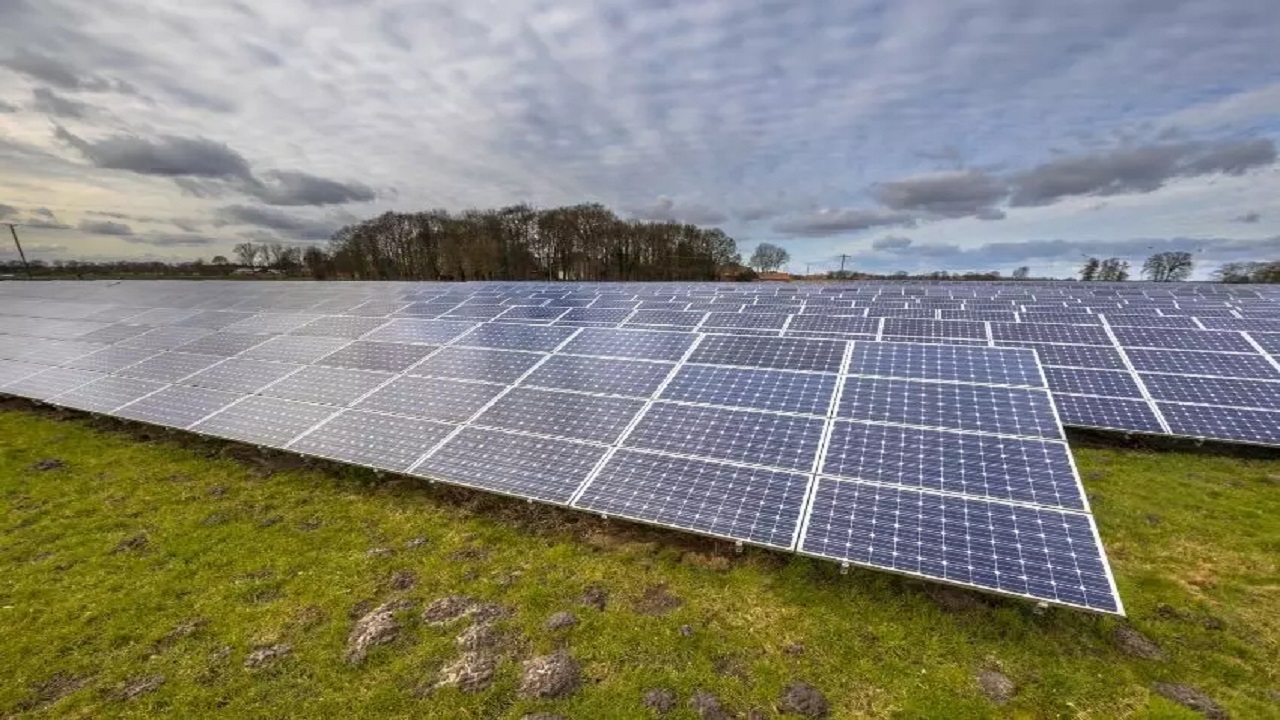

According to ONS, Solar Energy and Wind Energy Broke Their Energy Generation Records in the Northeast Region
On June 28, the National Electric System Operator (ONS) reported that solar energy and wind energy reached a dual production record in the Northeast region of the country. Given the scenario of water crisis that has been plaguing much of Brazil, renewable energies are showing to be the only solution to avoid rising electricity bills.
Read Also
Wind Energy Takes Advantage of Strong Winds
According to the entity, wind energy had an instantaneous generation of 10,856 MW at 11:44 PM on June 28, enough to supply 96.1% of the demand of the Northeast subsystem at that moment.
The last record that came closest to the current one was recorded about a month ago, on May 26, when wind energy produced 10,612 MW for the Northeast region. Currently, wind energy represents about 10.6% of Brazil’s electric matrix, and the estimate is that it will reach 11.1% by the end of this year.
-
Giant Batteries Take Center Stage in Chile Auction as Company Offers 960 GWh of Solar Energy for Nighttime Use, Aiming to Stabilize Solar Power Supply

-
After a Year of Success in Switzerland, Solar Railway Attracts Italy’s Interest for Clean Energy Transformation
-
Robots Clean Solar Panels in Desert Power Plants Without Water, Preventing Energy Losses
-
Brazil’s Offshore Wind Energy Potential Worth $1 Trillion Stalled by Long-Delayed Agreement



Solar Energy Uses Sunny Days to Benefit
It was not just wind energy that took advantage of the strong winds: solar panels also benefited from the heavily sunny days. The value recorded by photovoltaic energy in the Northeast was 681 average MW, equivalent to 6.4% of the region’s demand.
The number also indicates a growth of 2.1% compared to the last record, registered on May 24, when 667 MW of solar energy was generated in the region.
Also on June 28, solar energy set a record in instantaneous generation, reaching 1,873 MW at 12:25 PM, equivalent to 17.7% of the Northeast’s demand, surpassing the last record recorded on April 8. Solar energy represents 2% of the matrix, and by the end of the year, it may reach 2.5%.
Renewable Energies May Be the Answer to the Water Crisis
The blackout that occurred in 2001, also due to the water crisis, brought Brazil a network of thermoelectric plants, which in turn have a more expensive energy source. With the current crisis, it is likely that the only viable solution will be renewable energies, especially wind, biomass, and solar.
According to João Teles, a Researcher at FGV Energy, the use of these sustainable sources is the reason why the water crisis in Brazil has not turned into an energy crisis. Unlike the water crisis of 2001, when hydropower plants generated energy for about 90% of the population, they currently account for around 63.8%, according to EPE data, meaning fewer people will feel the impact of the water crisis on their electricity bills.







