Portuguese
  Spanish


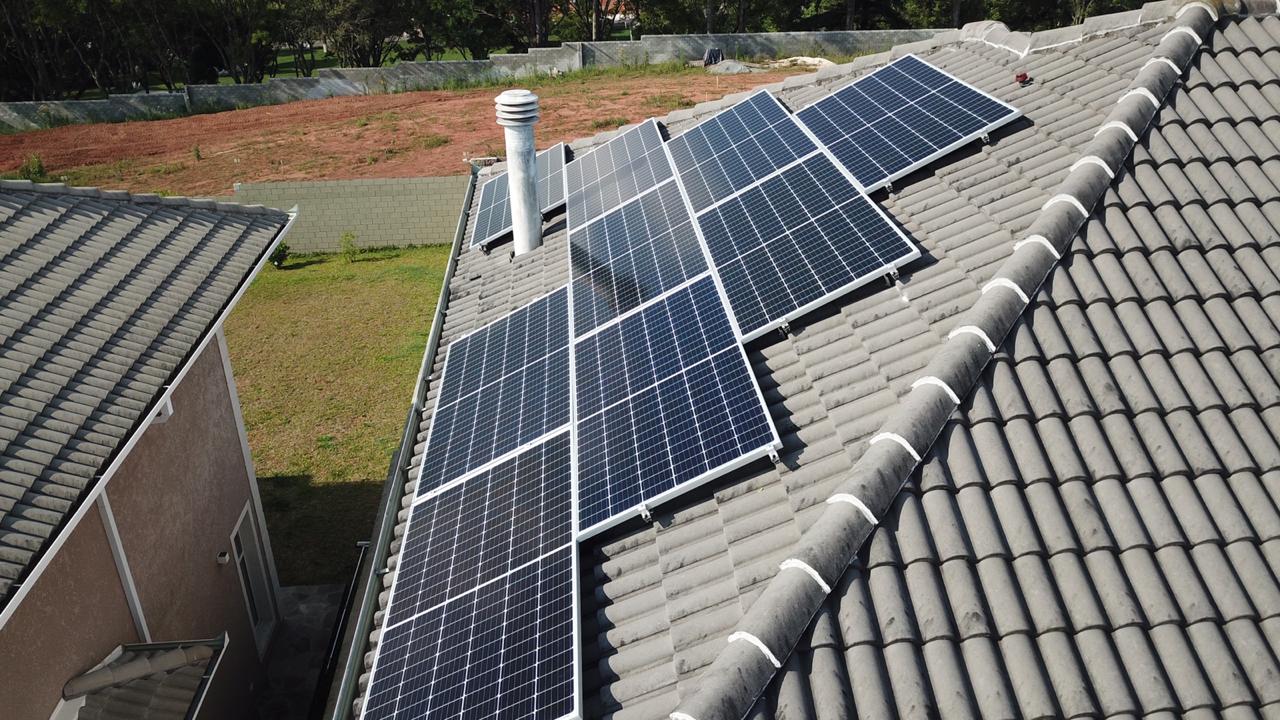

MT State Government Studies Possibility of Opening a Solar Energy Credit Line for Low-Income Families
In the session on Tuesday (6), state representative Faissal Calil (PV) presented a recommendation to the MT State Government for the opening of a credit line so that low-income individuals can install photovoltaic solar energy systems in their homes. The request for the credit line was made a week after the Mato Grosso Legislative Assembly (ALMT) overturned the veto on the project proposing the ICMS charge in the state.
Read Also
The Credit Line Will Cover the Purchase and Installation of Solar Energy Panels
According to the recommendation to the MT State Government, presented by Faissal with representative Gilberto Cattani (PSL) as co-author, the financing will cover the purchase and installation of solar energy panels and also the other equipment for its operation.
Faissal emphasizes that the need for the creation of the credit line for low-income individuals to encourage the use of solar energy arises from the obstacles that the population faces in affording high electricity tariffs that are currently charged, especially now that we are facing a water crisis.
-
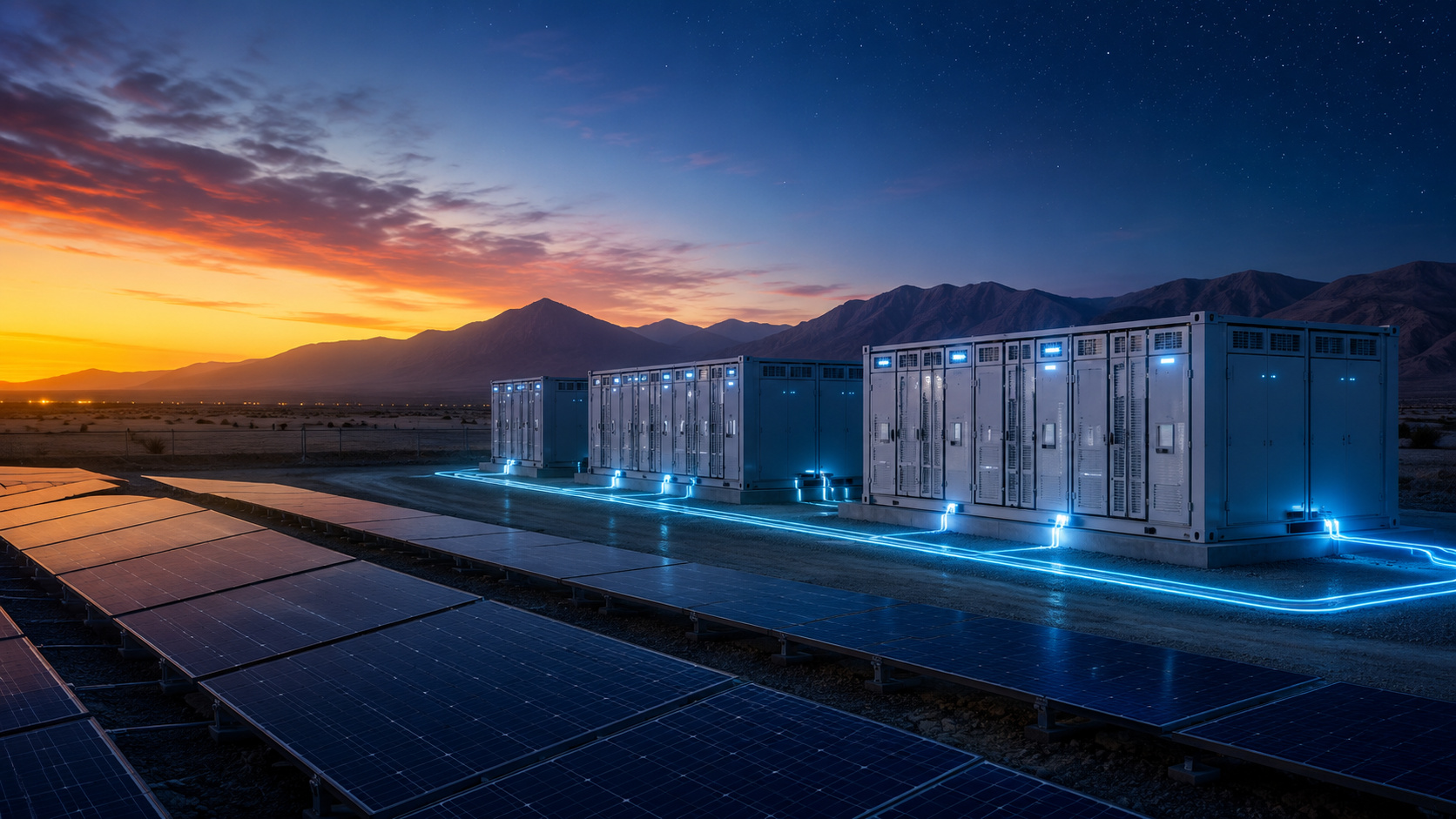
Giant Batteries Take Center Stage in Chile Auction as Company Offers 960 GWh of Solar Energy for Nighttime Use, Aiming to Stabilize Solar Power Supply

-
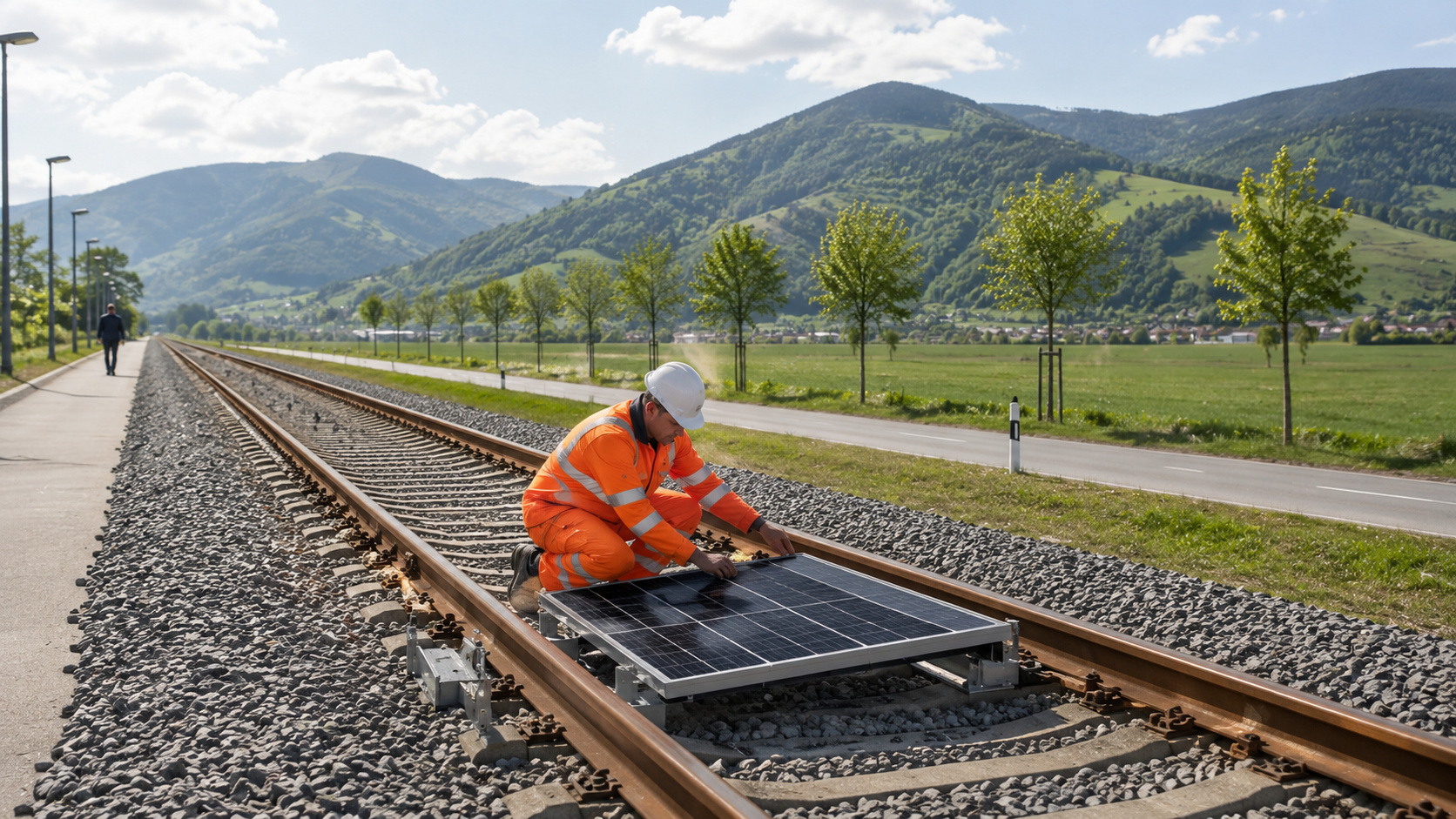
After a Year of Success in Switzerland, Solar Railway Attracts Italy’s Interest for Clean Energy Transformation
-
Robots Clean Solar Panels in Desert Power Plants Without Water, Preventing Energy Losses
-
Brazil’s Offshore Wind Energy Potential Worth $1 Trillion Stalled by Long-Delayed Agreement



Pandemic and Increased Electricity Bills Affect Low-Income Families
According to the state representative, the pandemic has worsened the financial situation of a large part of the population, greatly undermining the economic conditions of Brazilian families, especially those with low incomes. Along with the pandemic, the constant increases in electricity bills have also contributed to the worsening situation.
Many families have stopped putting certain basic items on the table in order to afford the high tariffs, making it essential to create alternatives that meet the needs of these individuals, and the credit line for solar energy is one of them.
Understand Who Will Be Benefited by the MT State Government’s Credit Line
Solar energy is a power produced from sunlight and can be generated even on cloudy and rainy days, making it a renewable and clean source. The energy offers various advantages and can be applied for two different purposes, such as solar panels installed in homes, businesses, or agribusinesses, or solar collectors for water heating.
The representative states that the MT State Government benefit will be directed to those families whose per capita income is less than half a minimum wage. According to Faissal, we are facing a water crisis and it is necessary to find alternative sources of energy, and there is no better solution for low-income families.