Portuguese


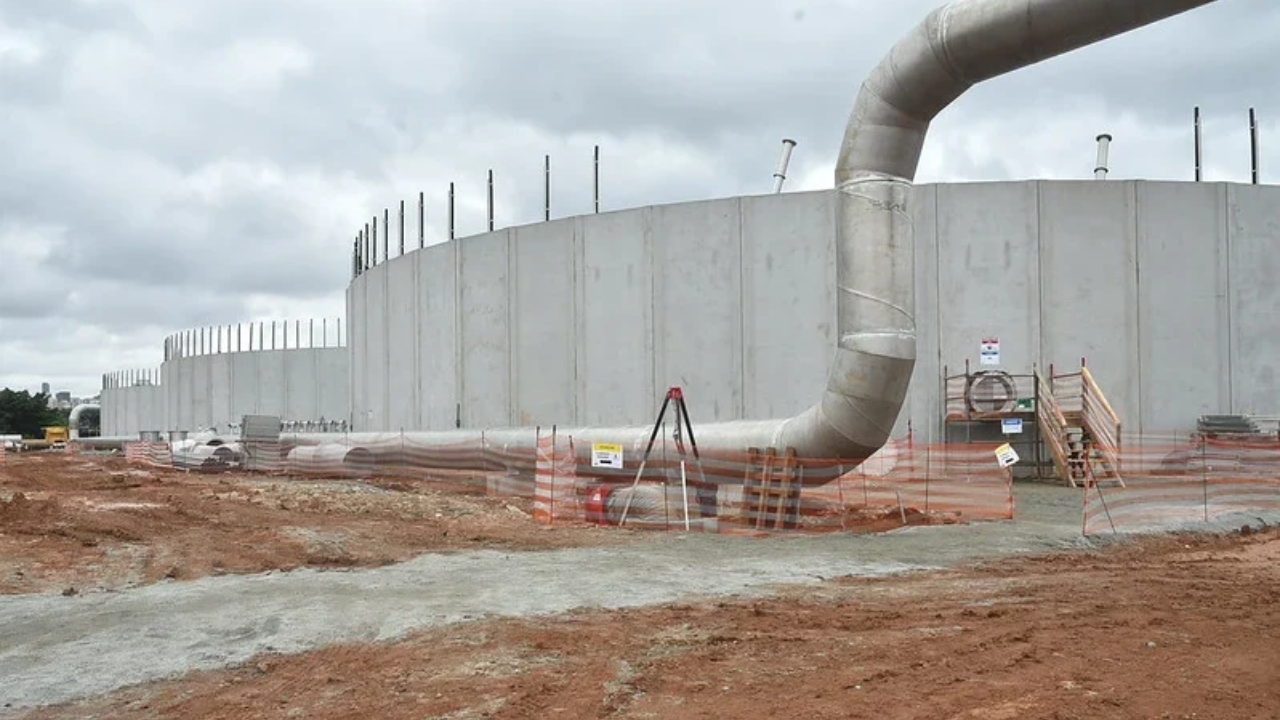

With more than R$1 billion in projects, IntegraTietê will expand sewage treatment in Greater São Paulo and is expected to benefit millions of residents.
The Parque Novo Mundo Wastewater Treatment Plant in the city of São Paulo and the Caracol Interceptor in Guarulhos are receiving more than R$1 billion in combined investment to expand sewage treatment in Greater São Paulo. The two projects are part of the IntegraTietê program and are expected to benefit more than 3.4 million residents, while reducing the discharge of untreated wastewater into rivers in the region. On Friday (27), São Paulo Gov. Tarcísio de Freitas and Natália Resende, the state’s secretary for the environment, infrastructure and logistics, reviewed the progress of the work.
Sanitation projects will expand service and introduce new technology at Sabesp
Guarulhos is expected to end 2026 treating 78% of its sewage, according to a forecast presented by the governor during the visit. Tarcísio de Freitas said the figure was just 2% until recently, a situation that harmed the water quality of the streams that carry wastewater to the Tietê River.
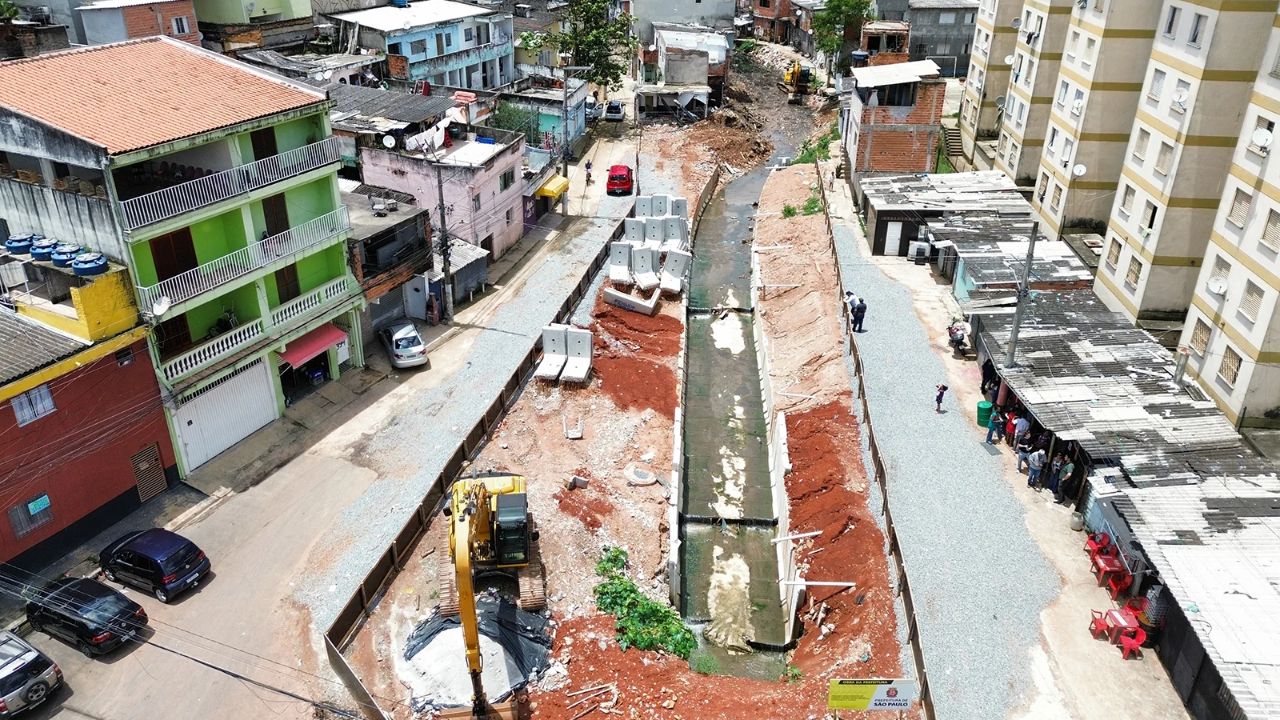
Among the planned improvements in the municipality is construction of the Caracol Interceptor, a structure about 1.2 kilometers long and 1.8 meters in diameter. The project will receive R$47 million to convey wastewater to the Parque Novo Mundo plant.
-

-
-

-

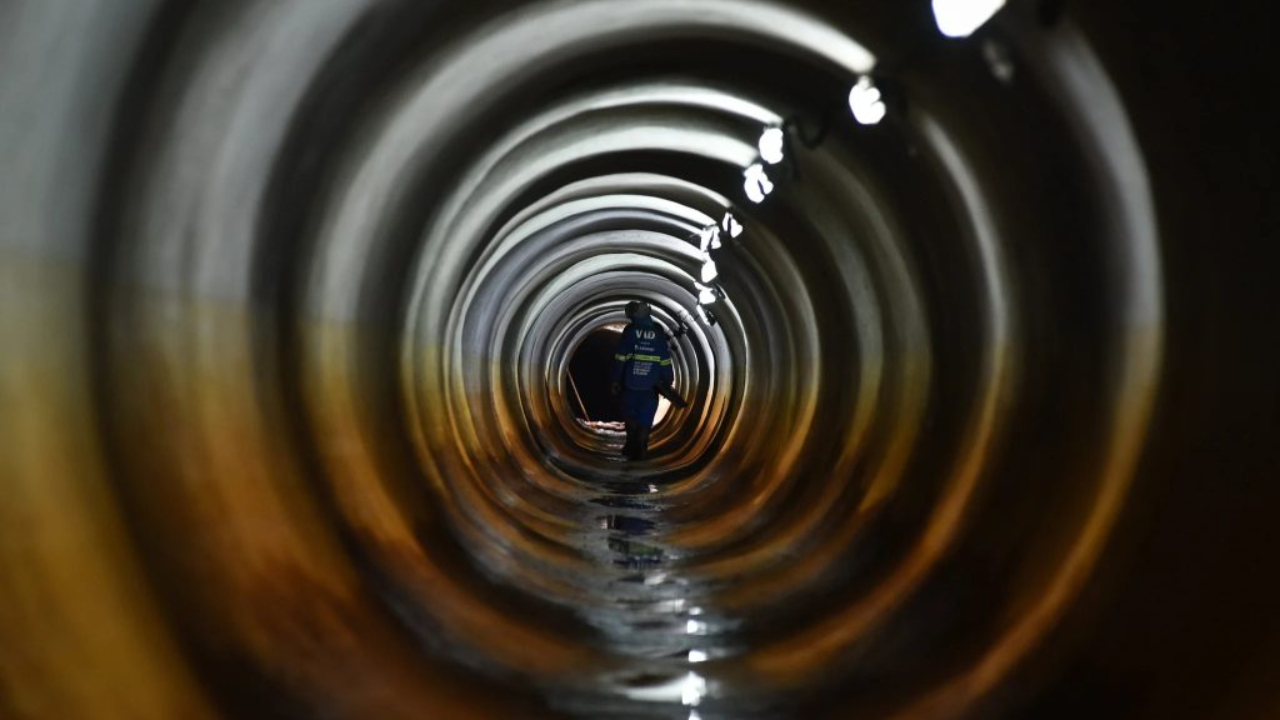
The project is part of four IntegraTietê contracts in Guarulhos valued at about R$749 million. Together, the projects will benefit more than 400,000 people and include two sewage pumping stations and 72 kilometers of pipelines.
In the city of São Paulo, the expansion of the Parque Novo Mundo plant is backed by financing from the Inter-American Development Bank (IDB) and has an estimated budget of R$1 billion. The facility currently serves about 2 million residents, a number expected to reach 3 million once construction is complete.
The plant, which currently processes 2.5 cubic meters of sewage per second, is expected to reach 4.2 cubic meters per second in the fourth quarter of 2026 and 6.2 cubic meters per second in the first three months of 2027, increasing its capacity by about 150%.
The project also marks the debut of Nereda technology at Sabesp facilities. Based on aerobic granular biomass, the system requires less energy and fewer chemical inputs, generates less waste and has a smaller carbon footprint. Treatment takes place in a single tank, where phosphorus, organic matter and nitrogen are removed.
Sabesp plans billions in investments in São Paulo and Guarulhos through 2029
From 2026 to 2029, Sabesp plans to invest R$8.3 billion in sanitation projects in the city of São Paulo. The amount is part of a plan covering 2023 to 2029, with total investment of R$23.3 billion.
In Guarulhos, R$1.57 billion is earmarked for the same four-year period, as part of an investment portfolio of about R$2.3 billion planned since 2024. The investments include upgrades to the Várzea do Palácio, Parque Novo Mundo, São João and Bonsucesso plants.
The expansion of services since 2024 can be seen in the number of new service connections added in each municipality:
- São Paulo (through November 2026): 532,145 for sewage collection, 894,473 for sewage treatment and 470,771 for water supply.
- Guarulhos (through October 2026): 147,965 for sewage treatment, 49,995 for water supply and 65,657 for sewage collection.
Enrollment in the Social Tariff program also grew. In Guarulhos, the number of beneficiary families rose from 30,700 to 91,400, while in the capital it increased from 586,080 to 910,640.
According to the São Paulo state government, state investments in basic sanitation have exceeded R$30 billion since Sabesp was privatized in 2024. The volume of construction is three times what was recorded when the company was still state-owned.
Beyond sanitation, the State Secretariat for the Environment, Infrastructure and Logistics and its affiliated agencies have R$2.7 billion invested in 80 projects in the capital, covering drainage, water infrastructure rehabilitation and flood prevention.
In Guarulhos, state investments total R$828.9 million across 12 projects. Work underway includes projects under the Rios Vivos program on the Circunvalação Canal and Adamastor Creek, as well as dredging the Tietê River.