Portuguese
 Spanish


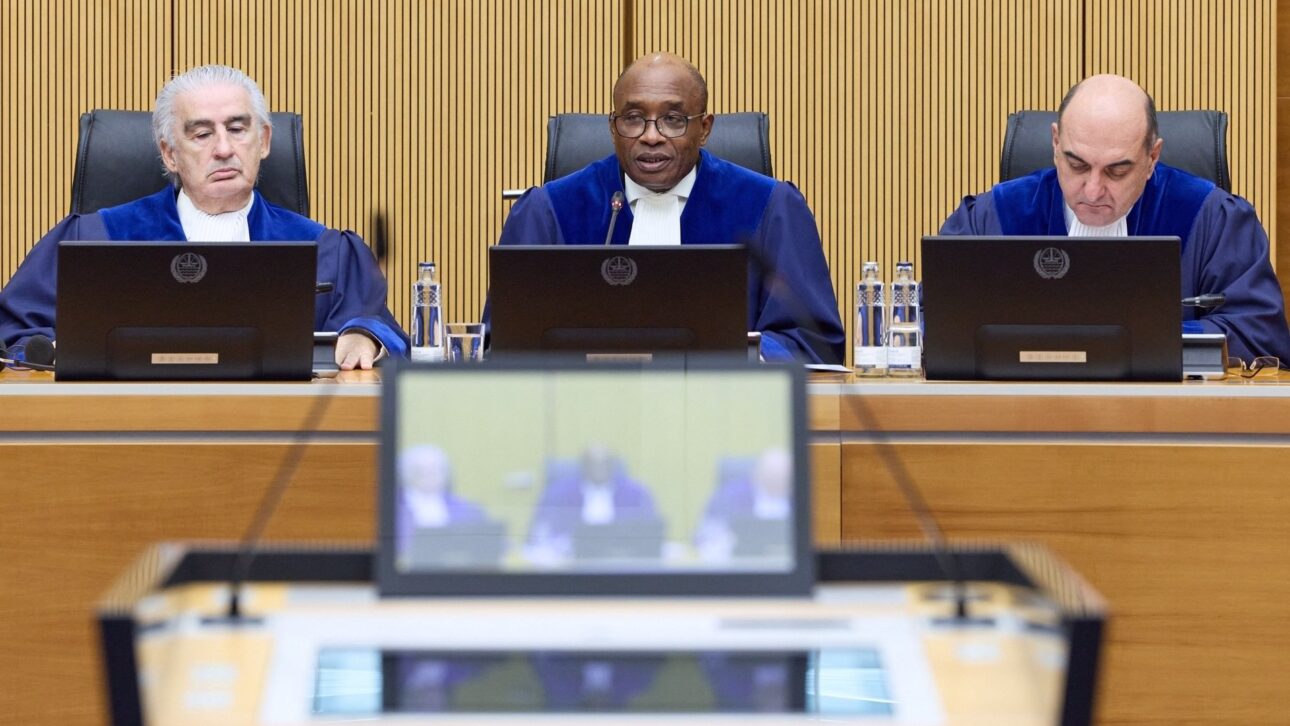

International Tribunal for the Law of the Sea rejects Argentina’s bid to halt Sea Lion project north of the Falkland Islands. Brazilian judge George Galindo joins majority. UK pledges not to drill before March 21, 2027
Argentina lost its bid to halt the Sea Lion oil project north of the Falkland Islands. The International Tribunal for the Law of the Sea, based in Hamburg, Germany, rejected Argentina’s request for provisional measures against the United Kingdom by 18 votes to 3. The decision was announced Saturday, November 28, 2026, the International Tribunal for the Law of the Sea said.
A Brazilian judge was among those who voted. Judge George Rodrigo Bandeira Galindo, the tribunal’s only Brazilian member, voted with the majority against Argentina’s request. The three votes in Argentina’s favor came from judges Horinouchi and Patel and ad hoc judge Vinuesa, appointed specifically for this case.
The first phase of Sea Lion targets 170 million barrels of oil, according to the project’s British partner, Rockhopper.
-

-

-

-
What Argentina asked the maritime tribunal to do
Argentina initiated arbitration proceedings against the United Kingdom on September 28, 2026. The case concerns oil exploration in the South Atlantic, near the Falkland Islands. On October 13, it asked the tribunal to order emergency measures until the arbitration begins.
The request had four parts. The main one sought to require the United Kingdom to prevent further drilling in the basin north of the Falkland Islands. The request also sought to block the installation of Sea Lion production facilities.
Argentina also asked the United Kingdom not to use exploration data against it and not to issue new licenses in the waters around the Falkland Islands.
Hearings took place on November 10 and 11. The United Kingdom asked the tribunal to reject all four requests.
Why Argentina lost its bid over the Falkland Islands
The tribunal did not rule on who owns the Falkland Islands. It concluded that all four of Argentina’s requests ultimately depended on deciding the islands’ sovereignty.
The judges said a dispute that requires a decision on territorial sovereignty does not fall under the United Nations Convention on the Law of the Sea, the basis for the case. The future arbitral tribunal therefore would not, at first glance, have jurisdiction to rule on the requests.
Given that conclusion, the tribunal did not need to assess whether the case was urgent.
What the United Kingdom pledged in the case
Despite the British victory, the decision recorded commitments made by London during the hearings.
The United Kingdom said oil production would not begin before March 2028 and drilling would not begin before March 21, 2027. It also said it would not issue new licenses because the licensing regime is suspended.
The tribunal “places these assurances on the record” and urged both countries to help establish the arbitral tribunal promptly.
The Sea Lion oil project
The Sea Lion field lies about 220 kilometers north of the Falkland Islands, according to Navitas Petroleum, the Israeli company that operates the project with a 65% stake. British company Rockhopper holds the remaining 35%.
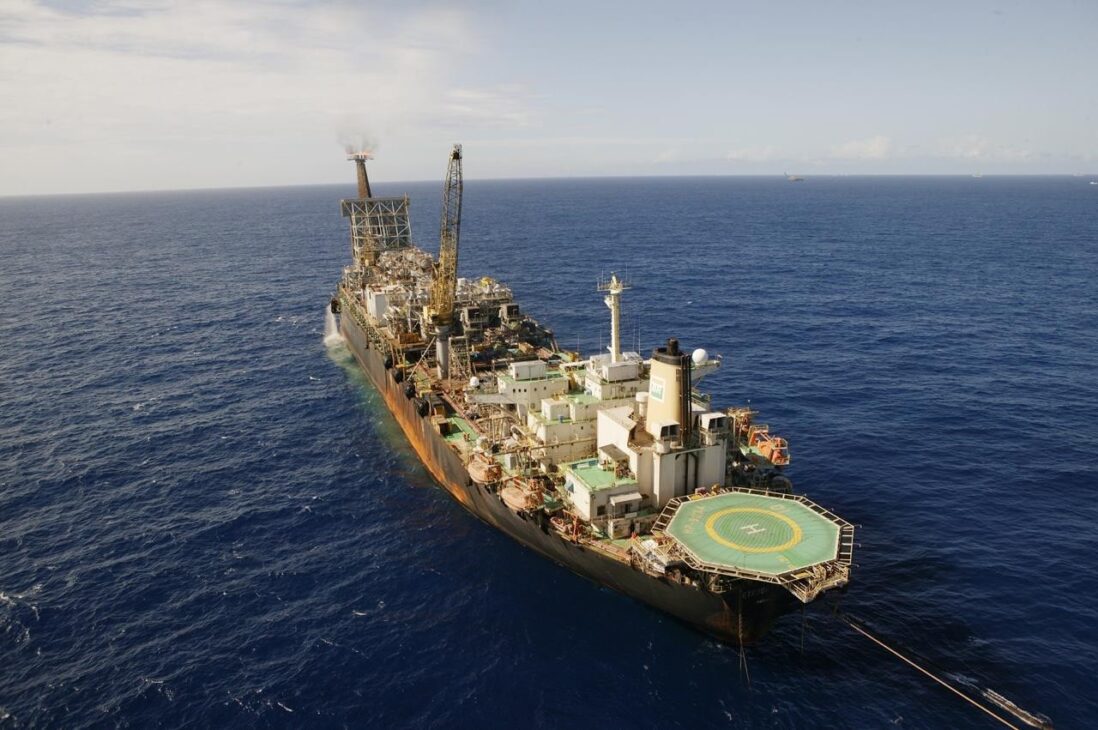
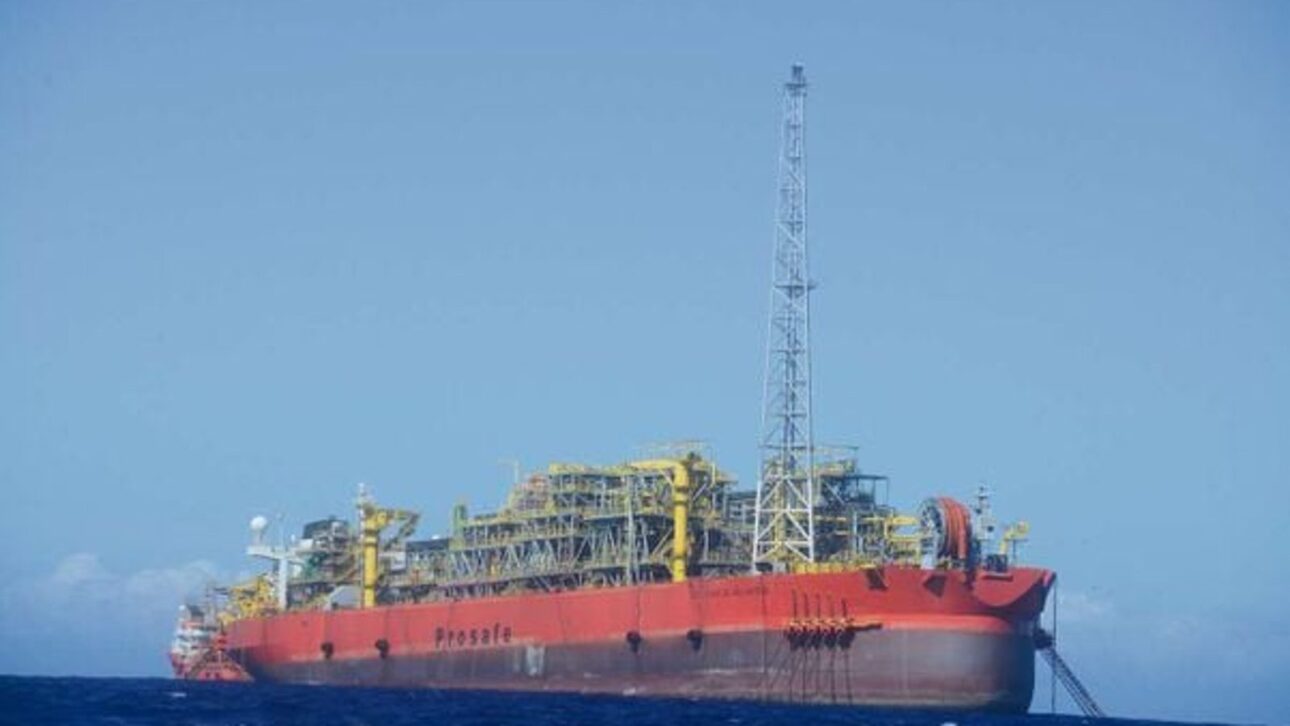
The two companies made the final investment decision on December 10, 2025. The first phase calls for 11 subsea wells connected to a floating production, storage and offloading (FPSO) vessel, according to Navitas.
Phase 1 targets 170 million barrels, with peak production of about 50,000 barrels per day, Rockhopper said. The cost through first oil is US$1.8 billion, rising to US$2.1 billion by project completion.
The second phase is expected to begin about three years after first oil, with 12 additional wells. Production is expected to continue for more than 30 years, Navitas said.
In October 2026, Rockhopper announced that it had acquired its share of a second floating production, storage and offloading (FPSO) vessel, the OSX-1, at an estimated total cost of about US$125 million.
What each side said after the decision
The British government welcomed the decision on the Falkland Islands. “Argentina tried to prevent the people of the Falkland Islands from making their own sovereign decisions and failed,” Foreign Secretary Ed Miliband and Attorney General Ellie Reeves said in a statement from the British government. They also called for an end to Argentina’s economic pressure on the islands.
On the Argentine side, Foreign Minister Pablo Quirno said on social media that the British reading of the decision was “biased,” or one-sided. He said the proceedings were not over and that Argentina would continue pursuing the case in arbitration.
What happens next
Today’s decision concerns only the provisional measures. The arbitration proceedings launched by Argentina continue, and the arbitration tribunal still needs to be formed.
Meanwhile, the Sea Lion schedule remains on track. Under the commitment recorded with the tribunal, drilling will not begin before March 21, 2027, and first oil is expected in 2028.