Portuguese
 Spanish


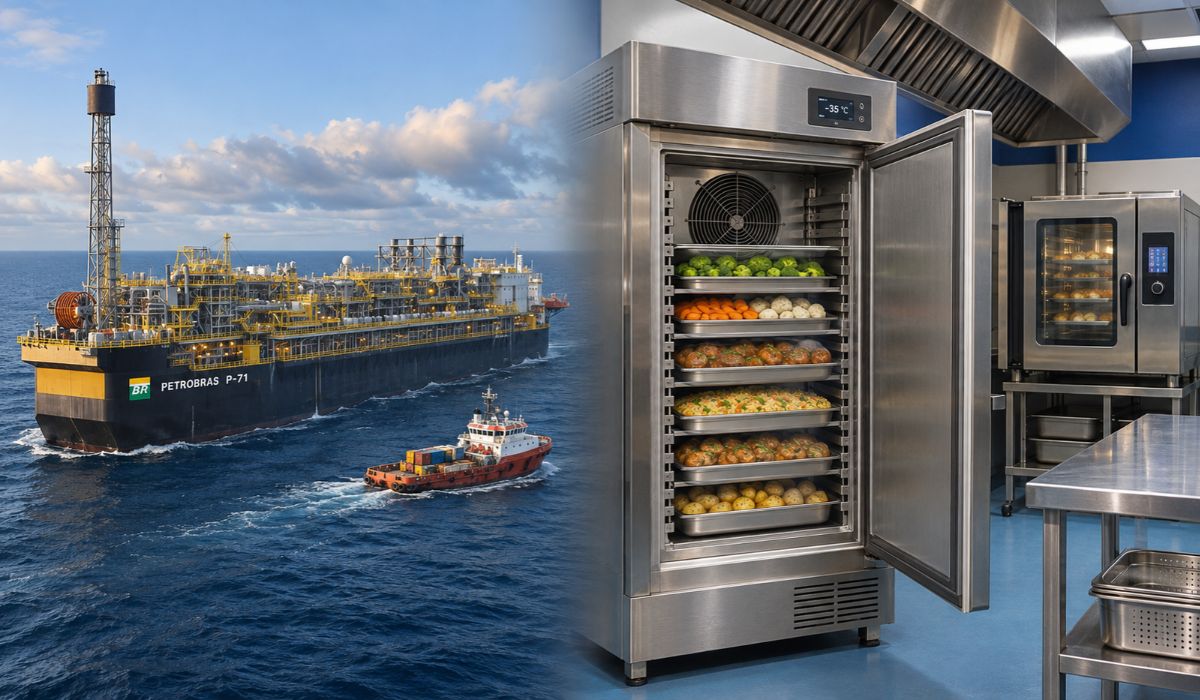

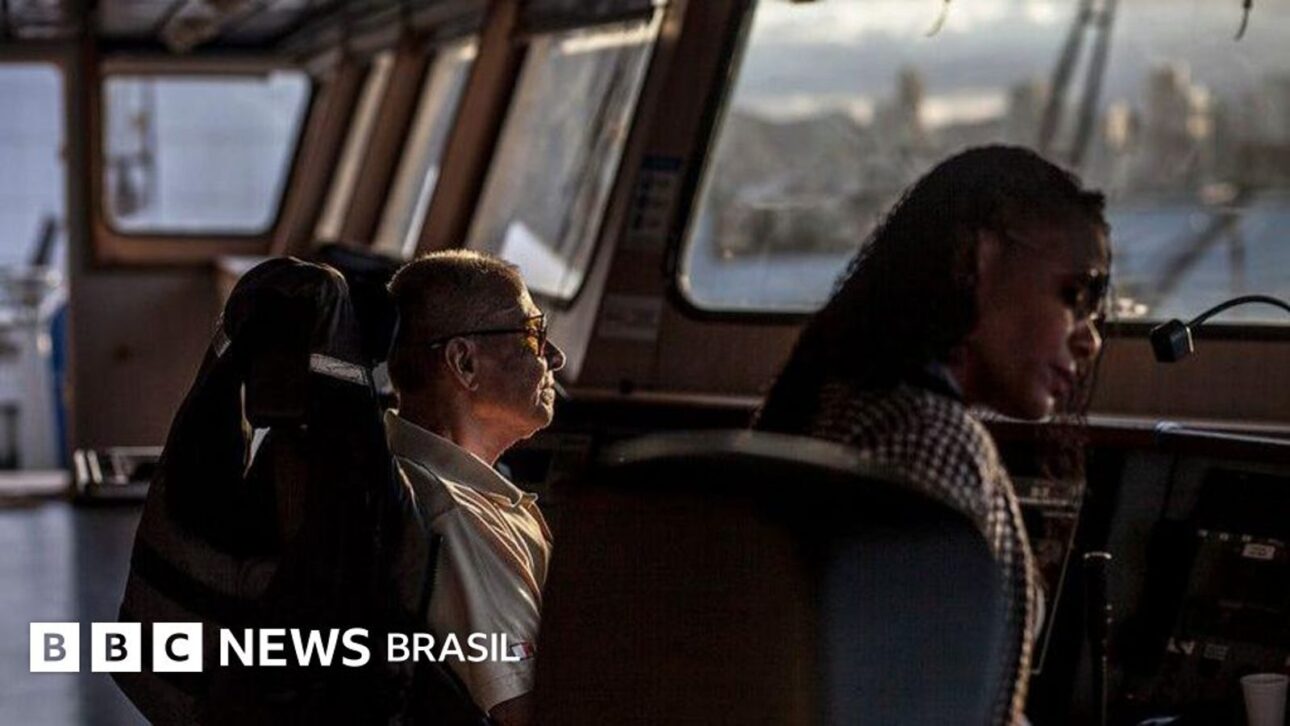
In partnership with the Catholic University of Santos, Petrobras is developing a new offshore catering model that combines preservation technologies, smart equipment and food preparation techniques to improve meals for offshore workers.
Preparing varied, nutritious meals on an oil platform depends, among other factors, on sea conditions. When weather makes navigation difficult, food deliveries can take up to 10 days.
To address this challenge, Petrobras and the Catholic University of Santos (UniSantos) are developing the Cozinha 4.0 Offshore project, which calls for the use of blast freezers, combi ovens and new food preservation and preparation methods.
On Nov. 4 and 5, 2026, the university hosted 68 executives from the state-controlled oil company to endorse the proposal, which has already undergone onshore testing and technical assessments on two oil platforms.
-

-

-

-


The initiative aims to improve the quality of meals served offshore, expand menu variety and reduce food waste.
Why supplying an oil platform is so challenging
Unlike a restaurant on land, an offshore kitchen cannot quickly turn to suppliers when an ingredient runs out or needs to be replaced.
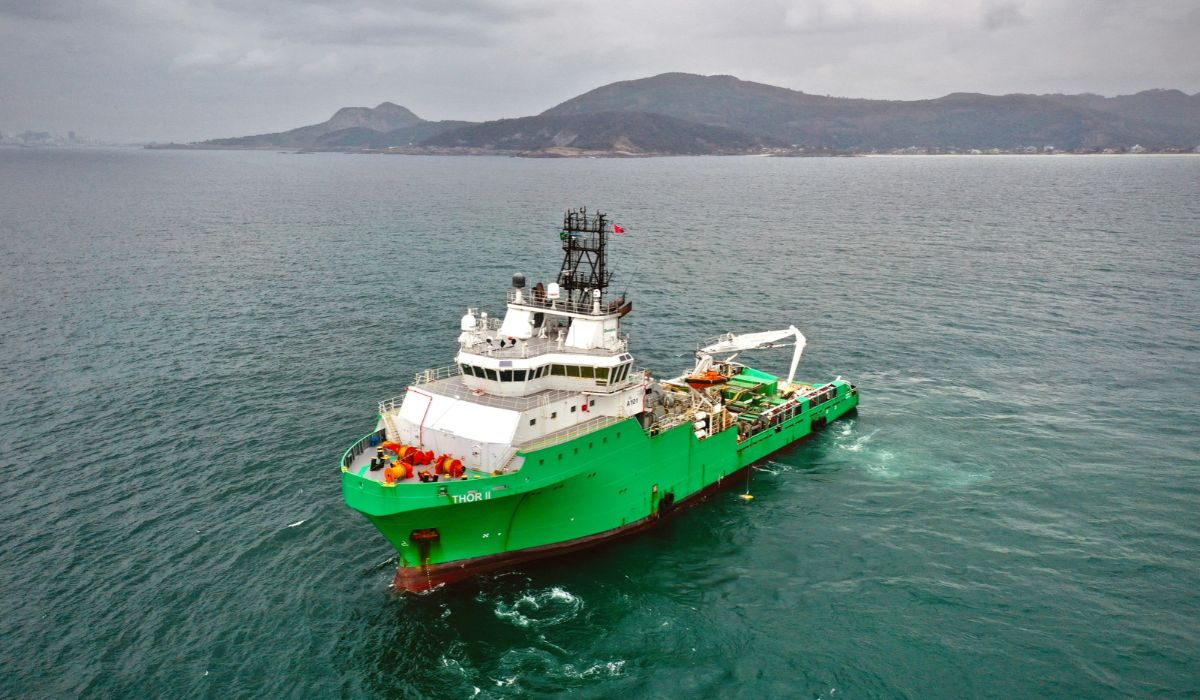
According to UniSantos, food transported by vessels can take between five and 10 days to reach platforms, depending on weather conditions.
That lead time makes inventory planning especially important, particularly when the menu includes perishable items.
This is where blast freezing can make a difference.
The ability to preserve ingredients and prepared dishes for longer periods, while maintaining proper storage conditions, gives kitchen crews more flexibility when supplies are delayed.
The goal is not simply to increase the amount of frozen food available offshore, but to preserve its nutritional and sensory qualities so crews can serve better meals.
Blast freezers preserve food differently from conventional freezers
The main difference between a blast freezer and a conventional freezer is how quickly heat is removed from food.
When freezing occurs slowly, water in the tissues can form relatively large ice crystals. These structures can damage cellular components and change the texture of meat, fruit, vegetables and other prepared foods.
A scientific review published in the Brazilian Journal of Food Technology explains that rapid freezing promotes the formation of smaller crystals, reducing damage to food structure.
In practice, this can help preserve texture and reduce liquid loss during thawing.
Professional blast freezers can also be equipped with probes that measure the temperature inside food, making it possible to monitor the process more precisely.
Blast freezers rapidly freeze food, while freezers and cold-storage rooms keep products stored at the proper temperature.
The project also calls for the use of combi ovens, equipment that can prepare food using dry heat, steam or a combination of the two.
Combining these technologies can make it easier to plan meals in advance and give maritime catering teams more preparation options.
Maintaining the cold chain, however, remains essential. Temperature fluctuations during transportation and storage can undermine the benefits of rapid freezing.
Researcher boarded the P-71 and P-68 platforms to study kitchen operations
Before proposing changes to offshore facilities, project coordinator Professor Michele Leiko Uemura, Ph.D., needed firsthand knowledge of working conditions at sea.
In July 2026, she completed the safety training required to board, including sea-survival procedures and escape from a submerged helicopter.
The work also involved visits to offshore catering companies in Macaé, in the state of Rio de Janeiro, and a pilot project onshore featuring a 20-day offshore menu.
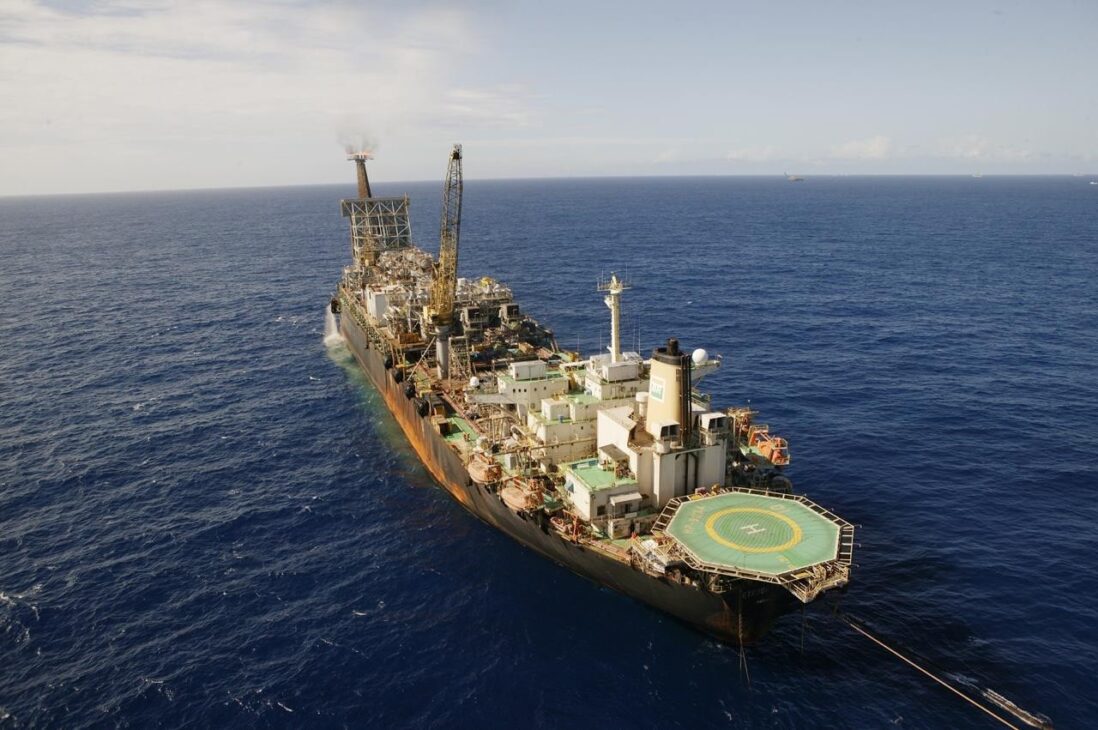
In October, Michele boarded the P-71 and P-68 platforms to assess the specific needs of their kitchens and identify how the technologies could be incorporated into daily operations.
The new model is being developed with both the food-preparation staff and the workers who receive the meals in mind.
Job training program paved the way for smart kitchens
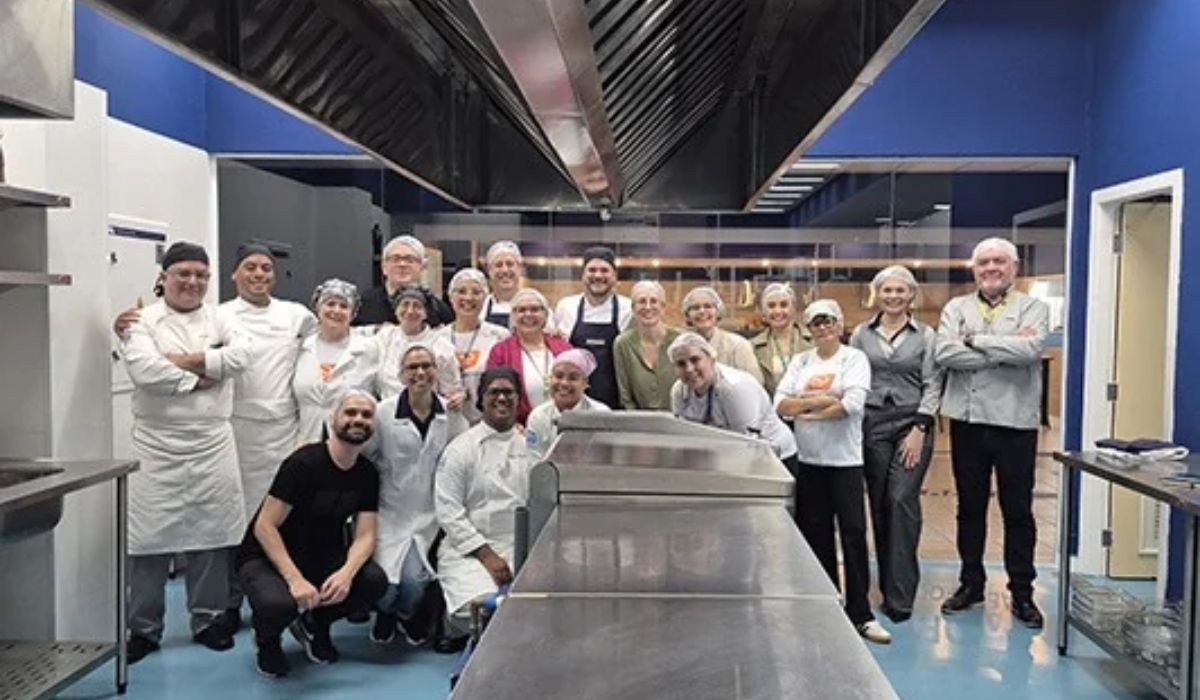
The initiative grew out of PetroChef, a free food and beverage job-training program run by UniSantos in partnership with Petrobras.
Aiming to train more than 1,400 young people and adults, the program offers instruction for kitchen assistants, professional cooks, food service workers and others in the culinary sector.
The training facilities sparked interest in applying the smart-kitchen concept to offshore operations.
At the university’s laboratories, Kitchen 4.0 also features tools for inventory control, remote equipment monitoring, failure prevention and reduced water and energy consumption.
These capabilities are part of the technology training environment, although their adoption on the platforms still depends on the final configuration of the offshore project.
Cenpes, Petrobras’ research center, is also in discussions with the university to develop materials for introducing the training model in Rio de Janeiro.
The state-owned company has not yet disclosed the specific investment in kitchen upgrades, how many platforms will receive the equipment or the final implementation schedule.