





 Portuguese
  English
  Spanish
  4 min of reading
  0 comments



Bill Under Review in the Chamber Proposes Reducing the Exemption Period for IPVA from 20 to 10 Years, with Federal Compensation to States
A change in the rules of the Motor Vehicle Property Tax (IPVA) is being discussed in the National Congress and could directly impact millions of Brazilian drivers.
Currently, a legislative proposal is analyzing allowing vehicles older than ten years to receive exemption from IPVA, halving the period applied in many state legislations.
The proposal is formalized in the Bill 6466/25, presented in 2025 in the Chamber of Deputies, and proposes the creation of a national program aimed at exempting old vehicles used by low-income families.
-
OMODA 7 transforms the car into a global aesthetic expression by combining automotive design and fashion in London.

-
JAECOO takes the lead in global strategic markets and accelerates its trajectory to become a “global blockbuster maker” in the automotive industry.

-
OMODA redefines global aesthetics and elevates the OMODA 7 to a multicultural fashion icon, uniting design, technology, and international identity.

-
A 2024 Toyota Corolla hybrid with only 12,500 km ended up in the junkyard, and when the dismantling staff saw the car, they were shocked because they know that this model easily exceeds 300,000 km without serious mechanical issues.

If approved during the legislative process, the measure could alter the financial planning of many families who rely on older cars for mobility, work, and livelihood.
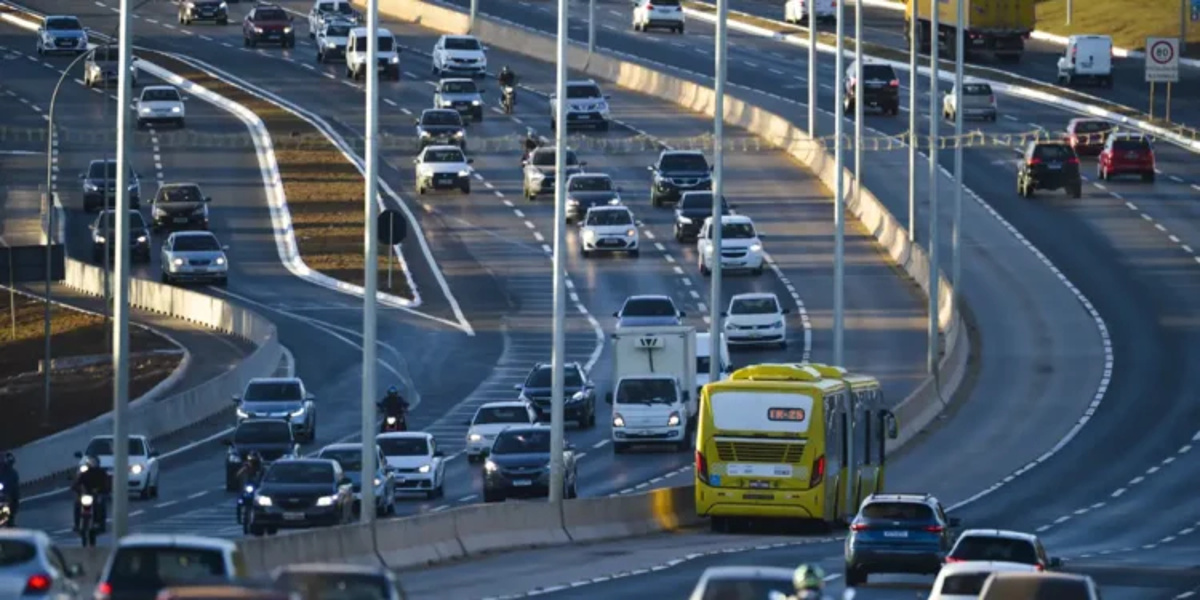
Bill Creates National Program to Incentivize IPVA Exemption
The Bill 6466/25 proposes the creation of the National Program for IPVA Exemption for Old Vehicles Used for Popular Purposes, called Pró-IPVA 10+.
The proposal was presented by Deputy Marcos Tavares (PDT-RJ) and was filed in the Chamber of Deputies in 2025.
According to the lawmaker, sector reports indicate an increase in the average age of the vehicle fleet in Brazil.
In this context, more and more families depend on old cars for work, transportation, and daily commuting.
Consequently, the weight of annual taxes on household budgets is likely to increase.
Thus, the proposal aims to reduce the tax burden on families that rely on older vehicles.
Financial Compensation from the Union to the States
Although the proposal anticipates an extension of the exemption, there is a relevant legal aspect regarding the tax.
The IPVA is a state tax, so the Union cannot force states and the Federal District to grant exemptions through federal law.
Given this limitation, the project establishes a financial compensation mechanism.
In this model, the Federal Government would pay the states the amount equivalent to the revenue loss caused by the exemption.
Thus, state governments could voluntarily join the program.
In this way, the system preserves the autonomy of the states, while creating an incentive for adherence to the public policy.
Who Could Receive the IPVA Exemption
The text of the project also establishes specific criteria for granting the benefit.
The proposal stipulates that the exemption be directed primarily to low-income families who depend on the vehicle for mobility and livelihood.
To participate in the program, some requirements must be met.
Among the criteria set out in the Bill 6466/25 are:
• Vehicle older than 10 years
• Owner belonging to a family registered in the Unified Registry (CadÚnico)
• Limit of one vehicle per family
• Exception for people with disabilities
• Prohibition of the benefit for vehicles registered in the name of legal entities
These rules were defined to ensure that the benefit is directed to those who truly need the vehicle for daily activities and income generation.
Project’s Legislative Progress Is Ongoing
Although the project was presented in 2025, the proposal still needs to advance through several legislative stages.
Initially, the text will be examined by the Committees on Finance and Taxation and on Constitution, Justice, and Citizenship of the Chamber of Deputies.
If approved in these committees, the project will proceed to vote in the plenary of the Chamber.
Subsequently, the proposal will also need to be reviewed by the Federal Senate.
Only after approval in both legislative houses and eventual presidential approval can the new rule come into effect.
In the meantime, the debate about reducing the IPVA exemption period to ten years continues to be analyzed in the National Congress.
If the proposal progresses and becomes law, millions of drivers using older vehicles could feel a direct impact on their family budget.










Seja o primeiro a reagir!